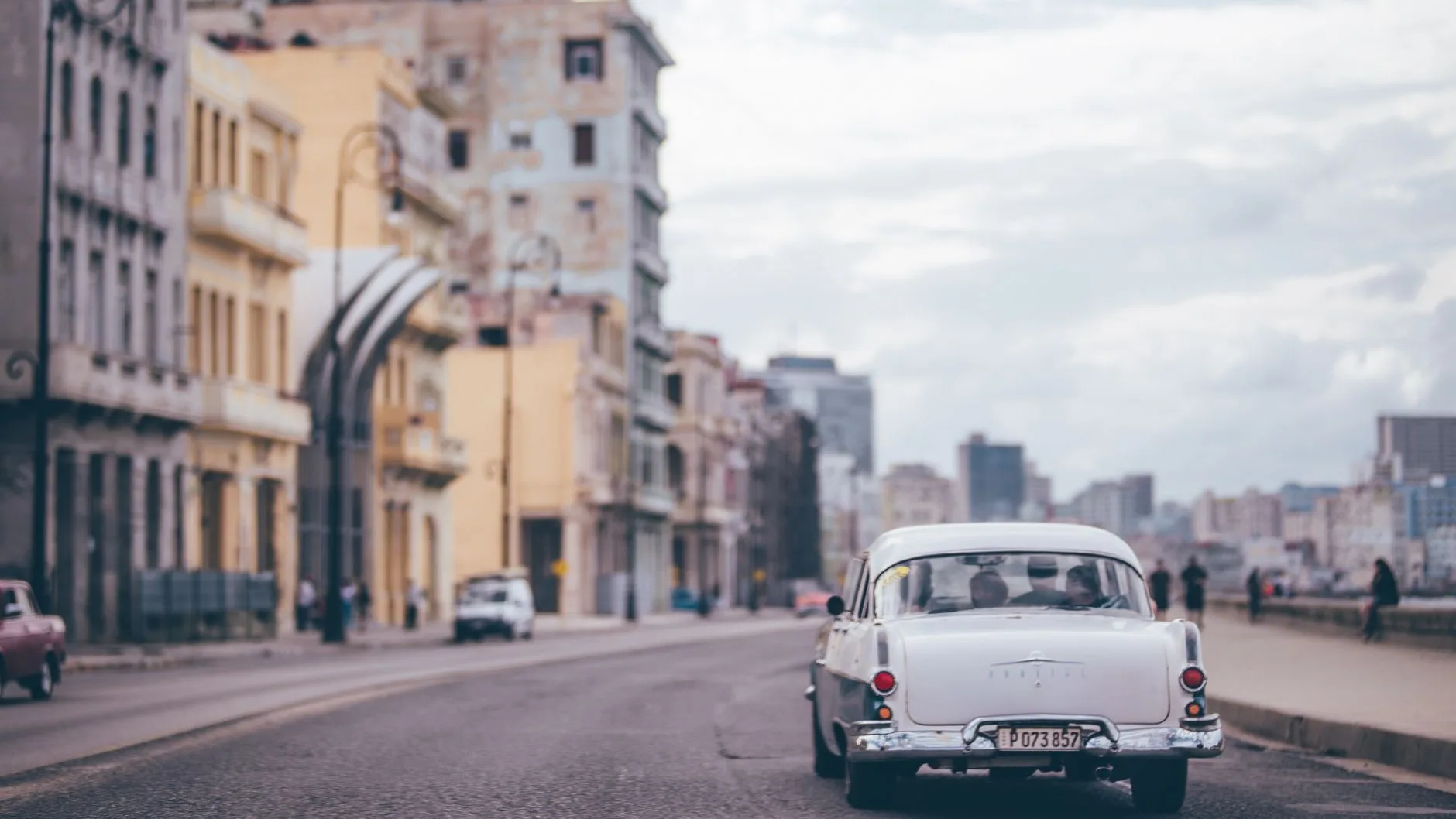
Photo by Yuting Gao on Pexels
Havana is one of the most photographed cities in the world and one of the most misunderstood. The version sold in travel photography — 1950s American cars, crumbling colonial facades in amber afternoon light, men playing dominoes in doorways — is real, but it’s the surface. Beneath it is a city of 2.1 million people navigating a complex dual economy, a rationing system, and a physical environment that is simultaneously decaying and rebuilding. Understanding both layers makes the visit considerably more interesting.
This guide is for first-time visitors who want to see the city honestly rather than through a lens of nostalgia.
Getting In and Getting Around
Most visitors arrive at José Martí International Airport (HAV), 25km southwest of the city. A taxi to central Havana costs around 25–35 CUP (ask the driver to confirm the price before you get in — fares have fluctuated with Cuba’s currency changes). Rideshare apps don’t operate in Cuba.
Currency situation (important): Cuba has gone through significant currency reform. The CUC (tourist dollar) was abolished; the CUP (Cuban peso) is the only official currency. As of 2026, the practical reality for tourists involves an informal currency market — the “street rate” or “tasa de cambio informal” is significantly more favorable than the official bank rate. Exchange at a cadeca (official exchange house) or through trusted local contacts. Carrying USD, EUR, or GBP in cash is essential — Cuban bank cards are not widely accepted by ATMs issued to foreign banks due to US sanctions, and your home debit/credit card may not work at all.
Check the current exchange rate situation immediately before travel — this has been one of the most volatile aspects of visiting Cuba in recent years.
Getting around Havana:
– Classic car taxis (almendrones): The shared route taxis that run along set routes for 20–40 CUP per trip. The most atmospheric way to move through the city and the cheapest.
– Bicitaxis: Three-wheeled bicycle taxis, good for short distances in Centro Habana and Habana Vieja. Agree the price before you get in.
– Walking: Central Havana is walkable — Habana Vieja, Centro Habana, and Vedado can be covered on foot with comfortable shoes and a willingness to walk in heat.
Habana Vieja: The Old City
Habana Vieja (Old Havana) is a UNESCO World Heritage site — 144 blocks of colonial architecture dating from the 16th to 19th centuries, in varying states of restoration and collapse. The main squares are the obvious starting points:
Plaza de Armas — the oldest square in Havana, surrounded by colonial buildings. The book market held here most days sells used books, revolutionary literature, and pre-revolution memorabilia. Worth browsing.
Plaza Vieja — a larger square with a better-preserved range of colonial architecture around the perimeter. Cafés and bars ring the square; the rooftop of the Cámara Oscura building gives panoramic views. The square is busy with tourists and vendors but quieter in the early morning.
Plaza de la Catedral — 18th-century baroque cathedral and surrounding palaces. The cathedral interior is plain by Latin American standards but architecturally fine. The square itself is surrounded by paladar restaurants and craft vendors.
El Malecón: The 8km seafront esplanade connecting Habana Vieja to Vedado is Havana’s social spine — families, fishermen, musicians, and couples gather here throughout the day and particularly in the evening. Walk it in both directions at different times; it changes character completely from morning to midnight. In heavy storms, waves break over the seawall and flood the road; in calm weather, it’s one of the best urban walks in the Caribbean.
Beyond the Tourist Trail
Callejón de Hamel: A single alley in Centro Habana painted floor to ceiling in Afro-Cuban murals by the artist Salvador González. On Sunday mornings, rumba musicians and dancers perform here for free — not for tourists specifically, but public. One of the most authentic musical experiences in the city.
Fábrica de Arte Cubano (FAC): A former cooking oil factory converted into Havana’s most interesting multi-arts venue — galleries, live music stages, cinema, and bars across multiple floors. Open Thursday to Sunday from around 20:00. Admission is cheap (around 100 CUP). This is where Havana’s creative class goes, not specifically where tourists are directed.
Cementerio de Cristóbal Colón: One of the most elaborate 19th-century cemeteries in Latin America — 140 acres of ornate mausoleums, statues, and avenues of elaborate funerary architecture. Worth 2 hours. The tomb of La Milagrosa (Amelia Goyri) at the centre of the cemetery is a pilgrimage site; people queue to knock three times and make a wish.
Vedado neighbourhood: The residential district west of Centro Habana, built in the early 20th century with American investment and influence. The streets are lined with decaying mansions, each one a story about what happened to the families who built them. The Hotel Nacional de Cuba at the edge of Vedado — a 1930 building overlooking the sea — has a terrace bar worth sitting at for the view and the history (Meyer Lansky, the Mob, various presidents and dictators all stayed here).
Eating Well in Havana
The state-run restaurant system has historically produced mediocre food at elevated prices. The paladares — privately owned restaurants that began operating legally in the 1990s — are where good food is found.
La Guarida (Concordia 418, Centro Habana) — the most famous paladar in Havana, in a crumbling mansion made famous by the film Fresa y Chocolate. Good food, atmospheric setting, higher prices. Book ahead.
Decameron (Línea 753, Vedado) — smaller, less touristy, good seafood at reasonable prices.
Café Madrigal (Rafael Lubián 2, Vedado) — a bar and restaurant in a residential house, known for live music, strong cocktails, and a local rather than tourist atmosphere.
Street food: Pan con lechón (roast pork sandwich), croquetas, and fritas (Cuban burgers) from street stalls are cheap, filling, and often better than formal restaurant food for quick meals.
| Meal | Approximate cost (CUP) |
|---|---|
| Street food snack | 50–150 CUP (£0.30–1) |
| Lunch at a paladar | 400–800 CUP (£2.50–5) |
| Dinner at a mid-range paladar | 800–2,000 CUP (£5–12) |
| Mojito at a bar | 150–400 CUP (£1–2.50) |
How Long to Stay
Three to four days is enough to cover central Havana without rushing. Longer if you want to make day trips:
- Viñales Valley (3.5 hours west by bus): tobacco farms, karst mogotes, cave systems, and a much slower pace than Havana. Worth 2 nights.
- Trinidad (4–5 hours east by bus/taxi): the best-preserved colonial city in Cuba outside Havana, on the Caribbean coast with beaches accessible nearby.
Practical Notes
Internet: Limited and expensive. Wi-Fi cards sold at ETECSA offices give timed access at select hotspots (parks, hotel lobbies). Don’t rely on connectivity.
Photography: Cubans are generally happy to be photographed if you ask; military buildings and checkpoints should not be photographed. Ask before pointing a camera at anyone.
Health: Tap water is not reliably safe for drinking; buy bottled water or use a filter. Mosquitoes are present; dengue fever is endemic — use repellent, particularly at dawn and dusk.
Conclusion
Havana rewards curiosity and presence over checking off a list of sights. The city’s complexity — the parallel economies, the architectural beauty decaying in real time, the extraordinary musical culture — becomes visible when you spend time in it rather than passing through.
- Sort your currency situation before you go — the exchange rate reality is complicated and changes; research the current situation and bring cash
- Use almendrones (shared route taxis) for getting around — cheap, authentic, and faster than you’d expect
- The Malecón and Callejón de Hamel give you a truer picture of the city than the tourist squares of Habana Vieja alone
- Eat at paladares, not state restaurants — the quality difference is significant and the price difference is not
- Stay at least 3–4 days — Havana takes time to reveal itself and a single day barely scratches the surface
Keep reading: How to spend a month in Colombia on a budget