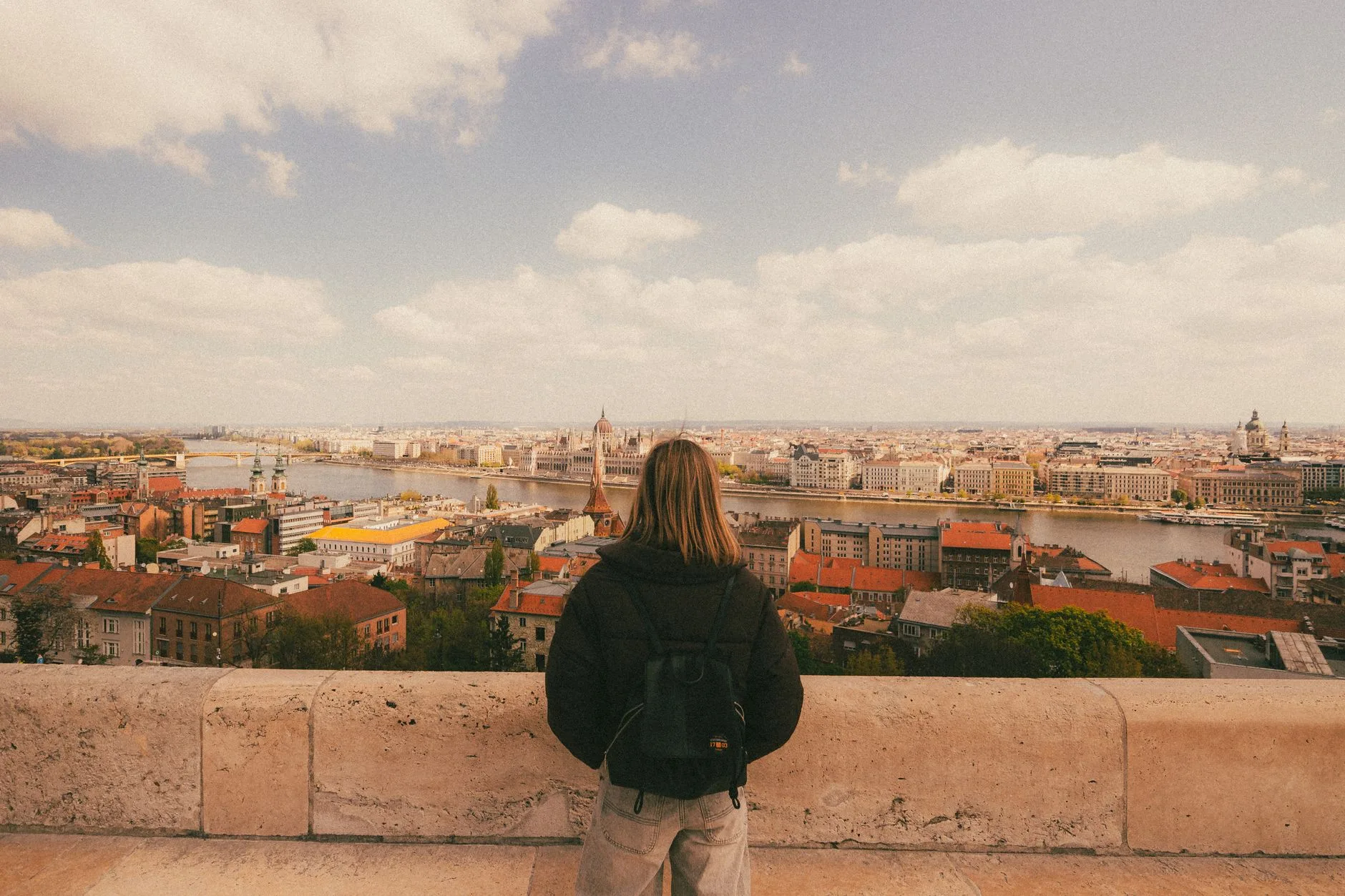
Photo by Image Hunter on Pexels
Eastern Europe covers an enormous range of countries, cultures, and landscapes — from the Baltic states in the north to the Balkans in the south, from Poland’s central European plains to Romania’s Carpathian mountains. What most of these countries share is a combination of qualities that makes them excellent for solo travel: genuine historical depth, very good transport links between cities, reasonable to inexpensive costs, and a well-developed backpacker and independent traveller infrastructure in the major cities.
This guide covers the main practical considerations and highlights the destinations that reward solo exploration most.
Why Eastern Europe Works Well for Solo Travellers
Safety: Most Eastern European countries are among the safer destinations in the world for solo travellers, including solo women. Standard urban awareness (not displaying expensive items, knowing where you’re going before you leave, avoiding poorly lit areas late at night) is what’s required — no more than in any western city.
English: English is widely spoken among younger generations in Poland, Czech Republic, Hungary, Romania, and the Baltic states. Less common in rural Bulgaria, North Macedonia, and rural Serbia, though manageable with a translation app.
Cost: Warsaw, Krakow, Budapest, Bratislava, Sofia, and Belgrade offer excellent food, accommodation, and cultural experiences at costs that Western Europe hasn’t seen for decades. A good dinner and bottle of wine in Warsaw costs what a mediocre lunch costs in London.
Rail and bus links: The InterRail network covers most of Eastern Europe. Between countries not well-served by rail (Bulgaria–Romania, for example), FlixBus and regional bus companies provide cheap, comfortable intercity connections.
The Best Starting Points
Poland (Krakow and Warsaw)
Krakow is one of the most beautiful cities in Central Europe — a medieval market square, Wawel Castle above the Vistula, a Jewish Quarter (Kazimierz) that has become the city’s most interesting neighbourhood, and the Wieliczka Salt Mine (a UNESCO-listed underground complex of chambers carved from salt, 14km from the city). Auschwitz-Birkenau is 70km west — a site of fundamental historical importance and one that should be on any Polish itinerary despite the obvious weight of the visit.
Warsaw, 3 hours north, was 85% destroyed in World War II and almost entirely reconstructed — the Old Town, a near-perfect replica, carries an unusual quality of being both historically rich and somehow uncanny. The POLIN Museum of the History of Polish Jews is one of the best museums in Europe.
Budapest
Hungary’s capital has two personalities split by the Danube — Buda (hilly, castle district, quiet) and Pest (flat, grand boulevards, nightlife, thermal baths). The ruin bars (Szimpla Kert being the most famous) are one of the most distinctive cultural products in Europe — abandoned buildings reclaimed as bars and art spaces. The Széchenyi and Rudas thermal baths are genuine local institutions, not purely tourist operations.
From Budapest, the Danube Bend (Visegrád, Esztergom) makes an excellent day trip; the Balaton lake region a longer side trip.
Balkans (Serbia, North Macedonia, Albania)
If Western Europe feels too polished and Eastern European capitals are getting expensive, the western Balkans are the answer. Belgrade has one of the best nightlife scenes in Europe (concentrated on boats on the Sava and Danube rivers — the “Splav” culture); Novi Sad has a beautiful Austro-Hungarian old town; North Macedonia’s Ohrid (a lake town with Byzantine churches and mountain backdrop) is one of the most under-visited UNESCO World Heritage Sites in Europe; Albania’s Riviera and the city of Berat (a “City of a Thousand Windows”) are extraordinary.
The Baltic States (Tallinn, Riga, Vilnius)
Three of the best-preserved medieval old towns in Northern Europe within 500km of each other. Tallinn is the most photogenic (and most visited); Riga has Art Nouveau architecture and the best food scene of the three; Vilnius is the least visited and arguably the most interesting — a baroque old city that has evolved more organically than its more heavily restored neighbours. All three can be visited in a week by bus or rail.
Transport Across Eastern Europe
InterRail/Eurail: The most flexible option for multi-country rail travel. The pass covers most rail journeys across Eastern Europe and is worth calculating against individual ticket costs if you’re crossing multiple borders.
FlixBus: The most comprehensive intercity bus network — covers almost every major city in Eastern Europe and is often cheaper than rail for equivalent routes. Book at flixbus.com.
Regional trains: Often slow but inexpensive and atmospheric. Romania, Bulgaria, and the Balkans have extensive rail networks — they’re not fast, but comfortable enough for journeys under 4 hours.
Costs
Eastern Europe varies significantly by country and city:
| City | Budget daily spend (incl. accommodation) |
|---|---|
| Warsaw / Krakow | £35–60 |
| Budapest | £30–55 |
| Prague (now borderline) | £45–75 |
| Bratislava | £30–50 |
| Belgrade | £20–40 |
| Tallinn / Riga / Vilnius | £35–60 |
| Bucharest | £25–45 |
| Sofia | £20–35 |
| Tirana | £20–35 |
Hostels in most cities offer dorms for £8–15 and private rooms for £20–40.
Meeting People as a Solo Traveller
Eastern Europe has a strong hostel culture in all major cities, with well-run social hostels (Fabrika in Tbilisi, but also equivalents in Warsaw, Budapest, Belgrade) that make meeting other travellers straightforward. Free walking tours (tip-based, operating in every city) are one of the best ways to both orientate and meet people.
The solo travel loneliness that characterises some destinations is rarely a problem in Eastern European cities — the combination of hostel common rooms, walking tour groups, and the openness of the nightlife scene means company is available for those who want it.
Conclusion
Eastern Europe is one of the world’s best regions for solo travel — culturally rewarding, logistically straightforward, and genuinely affordable:
- Krakow, Budapest, and the Baltic capitals are the most practical starting points for first-time Eastern Europe solo travel
- The western Balkans (Serbia, Albania, North Macedonia) are where to go when the main capitals start feeling familiar
- FlixBus fills the gaps that rail doesn’t cover — it’s comprehensive, cheap, and comfortable
- The best meals are the cheapest — pierogi, goulash, ciorba, and burek at local canteens and markets consistently outperform tourist restaurants at a tenth of the price
- Hostel common rooms and walking tours are the simplest way to meet people — the solo travel community in Eastern Europe is welcoming and easy to slot into
Keep reading: Slow travel in the Scottish Highlands: what to expect