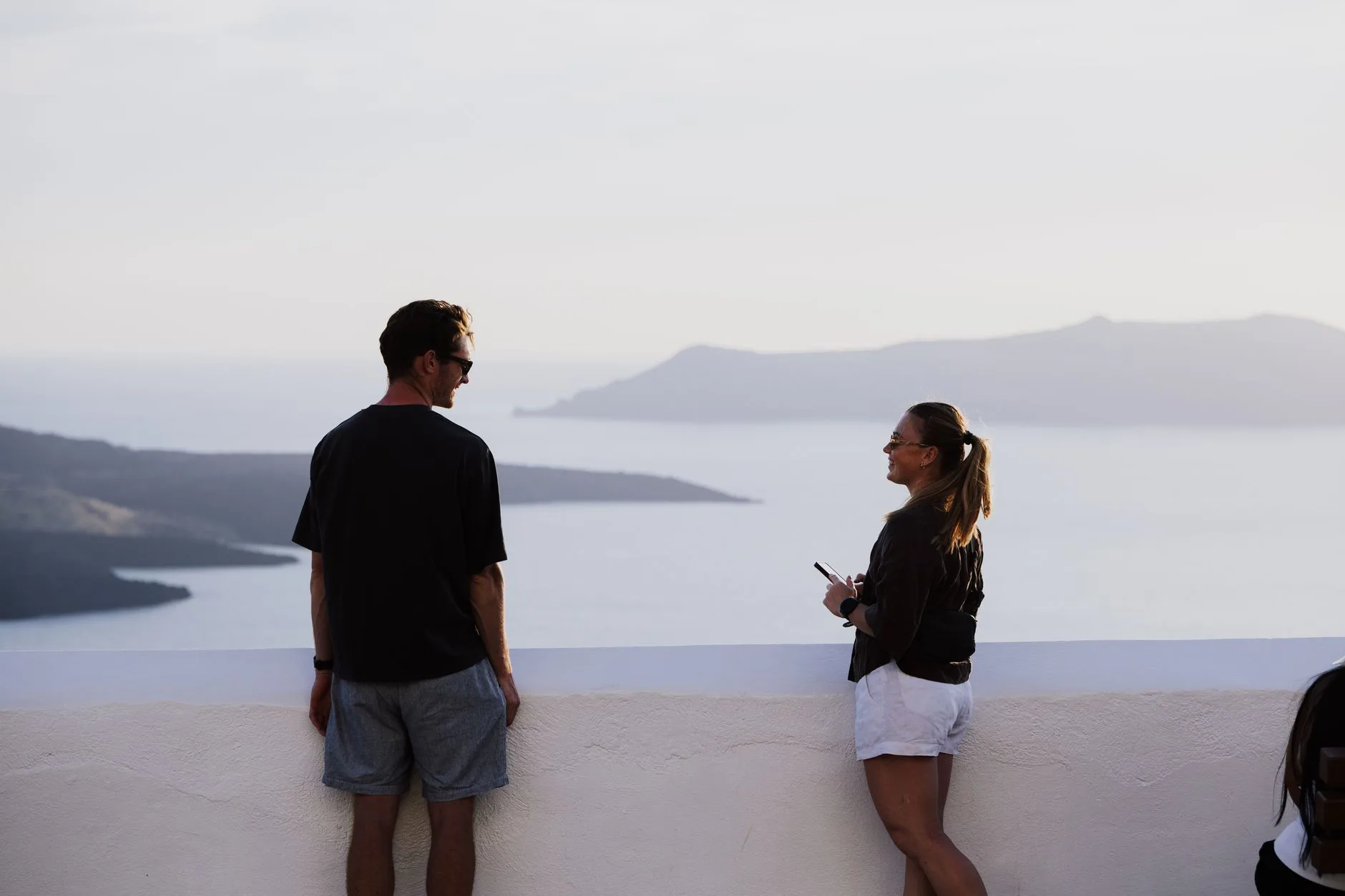
Greece’s most visited destinations — Santorini, Mykonos, Corfu — have become genuinely expensive by Mediterranean standards, particularly in July and August when prices for accommodation rival those of London. But the vast majority of Greece — the northern mainland, the Peloponnese, Epirus, Thessaly, and many of the Aegean and Ionian islands — remains affordable, historically extraordinary, and far less crowded than the famous islands.
Why the Mainland and Peloponnese
The Greek mainland contains most of the country’s ancient history:
- Athens: The Acropolis, the Agora, the National Archaeological Museum (the best collection of ancient Greek artefacts in the world)
- Delphi: The sanctuary of Apollo, the oracle site, and the museum containing the extraordinary Bronze Charioteer statue — 3 hours from Athens
- Olympia: The site of the ancient Olympic Games, the Temple of Zeus, and the archaeological museum with the Nike of Paionios and the Hermes of Praxiteles
- Epidaurus: The best-preserved ancient theatre in the world — the acoustics from the top row to the stage are perfect, 2,500 years after construction
- Mycenae: The Bronze Age citadel of Agamemnon — the Lion Gate, the Treasury of Atreus (a Bronze Age beehive tomb), and a view over the Argolid plain
All five can be covered in a week on the Peloponnese circuit, and none of them require the budget or booking difficulty of the islands.
Northern Greece
Thessaloniki: Greece’s second city and arguably the most interesting major Greek city for independent travel — Byzantine churches, Ottoman markets, excellent food scene, and almost no international tourists. The White Tower, the Archaeological Museum, and the food market of Modiano and Kapani are the main draws.
Meteora: A UNESCO site of astonishing Byzantine monasteries built on the top of near-vertical rock pillars in Thessaly. Six monasteries remain active. The landscape is extraordinary — like Cappadocia, it’s unlike anything expected in mainland Europe. Accessible from Kalambaka (4 hours from Athens by train).
The Zagorochoria (Zagori): A network of stone-bridge villages in the mountains of Epirus — completely different from coastal Greece, with alpine landscapes, gorges (Vikos Gorge, one of the deepest in the world), and a well-maintained network of hiking trails connecting traditional villages.
The Lesser-Known Islands
The budget advantage of non-famous islands is significant:
Ikaria: A long, narrow island in the northern Aegean known for the longevity of its population (Ikaria is one of the world’s Blue Zones — areas with exceptional life expectancy). The panigiri (all-night village festivals, running through summer) are a remarkable social institution — open to all, with live traditional music, food, and dancing. Very affordable.
Naxos: The largest Cycladic island — cheaper than Santorini and Mykonos with better beaches, excellent local food, and enough to keep a traveller occupied for a week. The Portara (the marble doorway of an unfinished Temple of Apollo on the harbour) is an icon of the island.
Samos: Close to Turkey (2km at the narrowest point), with excellent beaches, the Heraion temple site (dedicated to Hera — once one of the largest temples in Greece), and the Pythagoreion (a UNESCO-listed ancient port city). Quieter and cheaper than the famous Cycladic islands.
Lesbos (Mytilene): One of the largest Greek islands — far from the tourist circuit, with outstanding olive oil, sardine culture, Byzantine castles, and the Petrified Forest (a UNESCO geopark with 20-million-year-old silicified trees).
Epirus Coast and the Ionian Islands: Lefkada (connected to the mainland by a causeway — no ferry required), Kefalonia, and Lefkada have excellent beaches and are significantly cheaper than the southern Cyclades in shoulder season.
When to Go and Budget Considerations
May, June, September: The best combination of good weather, lower prices, and fewer crowds. Most facilities are open; accommodation is 30–50% cheaper than July–August. Beach swimming is warm from late May; September is warm until well into October.
July–August: Peak season — highest prices, fullest beaches, maximum heat (35°C+ on the mainland and Cyclades). The islands are at their most crowded and expensive.
October–November: Excellent shoulder season for the mainland (Athens, Delphi, the Peloponnese) — mild weather, empty sites, low accommodation costs.
Cost Comparison
| Item | Famous islands (peak) | Mainland / lesser islands |
|---|---|---|
| Budget accommodation | £80–150/night | £30–60/night |
| Restaurant main course | £18–30 | £8–15 |
| Beach café coffee | £6–8 | £2–3.50 |
| Ferry between islands | £20–60 | £5–20 |
Getting Around
Trains (mainland): The Hellenic Train network connects Athens with Thessaloniki (4–5 hours), Kalambaka (for Meteora, 4 hours from Athens), and Patras. Cheap and scenic.
Buses (KTEL): The primary intercity transport for destinations not served by rail — the Peloponnese, Delphi, Zagori. Cheap and reliable.
Ferries: Piraeus (Athens’ port) is the hub for island connections. AtticaGroup, SeaJets, and Blue Star Ferries serve most islands. Booking online in advance for summer is strongly advisable.
Conclusion
Greece’s mainland and overlooked islands reward the budget-conscious traveller significantly more than the famous islands:
- The Peloponnese circuit covers more important ancient history in a week than most Greek island holidays do in a fortnight
- Thessaloniki + Meteora makes an excellent 4-day northern Greece trip from Athens
- May, June, September for the islands — much cheaper than July–August with comparable weather
- Naxos over Santorini — comparable scenery (Cycladic architecture, blue domes) at a fraction of the cost
- The Zagori villages are completely unknown outside Greece and genuinely extraordinary — the Vikos Gorge hike is one of the best walks in the Mediterranean
Keep reading: Slow travel in Italy off the beaten track