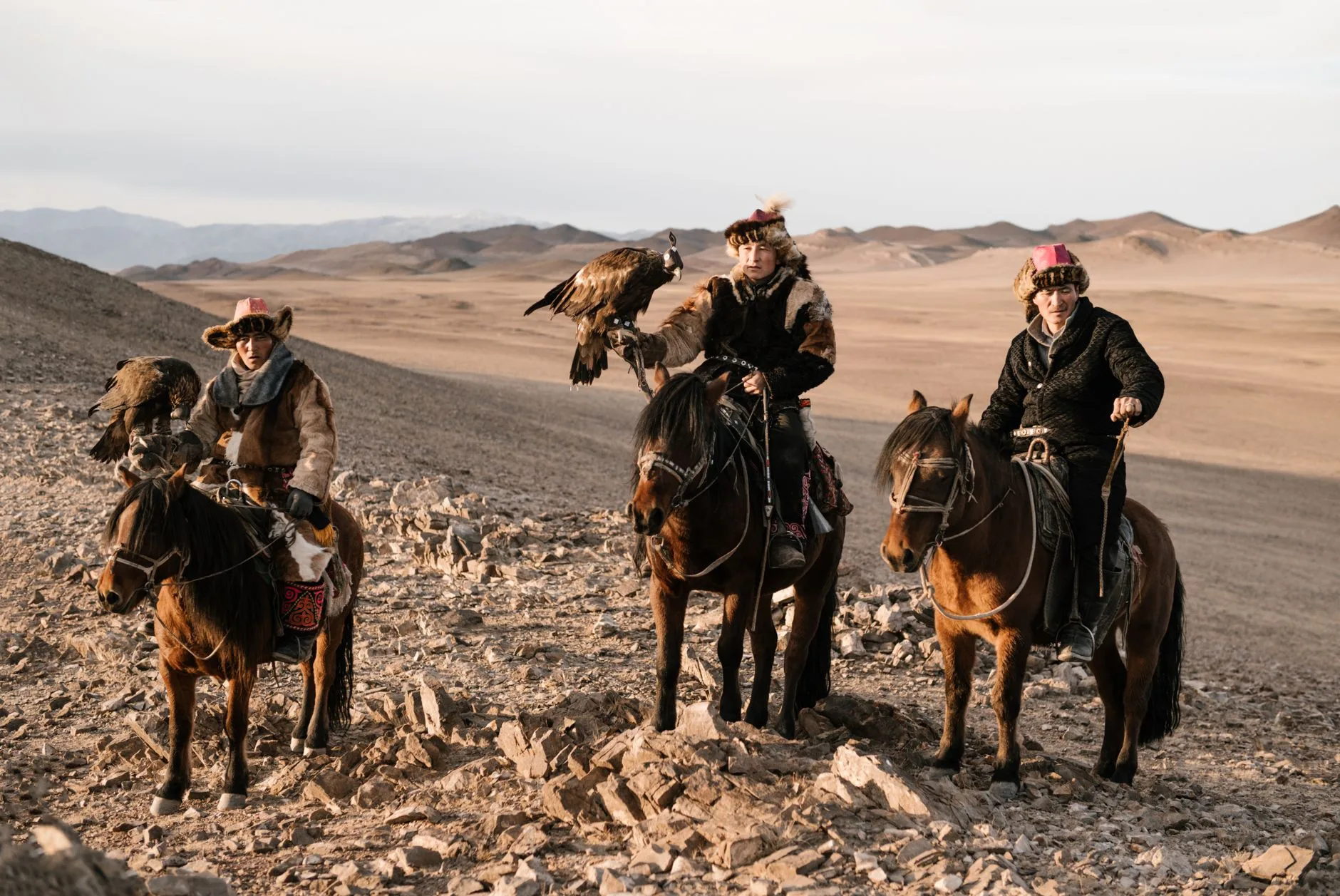
Photo by ArtHouse Studio on Pexels
Central Asia — the five former Soviet republics of Kazakhstan, Kyrgyzstan, Tajikistan, Uzbekistan, and Turkmenistan — is one of the most rewarding and least-visited travel regions in the world. Ancient Silk Road cities, Soviet relics, nomadic culture, and some of the most dramatic mountain landscapes on earth, with tourist infrastructure ranging from basic to non-existent. This is genuinely off-the-beaten-track travel, not the Instagram-filtered version.
The Countries at a Glance
Uzbekistan: The most visited and most accessible. Samarkand, Bukhara, and Khiva are extraordinary Silk Road cities. Good tourist infrastructure, English spoken in tourist areas, easy to navigate independently. See the dedicated Steeped World Uzbekistan guide for detail.
Kyrgyzstan: The adventure capital of Central Asia. High-altitude trekking in the Tian Shan mountains, yurt stays with nomadic families, horse trekking, and the largest high-altitude lake in the world (Issyk-Kul). The most outdoors-oriented and most independent-traveller-friendly of the five countries.
Kazakhstan: Vast. The Altai mountains in the east (Almaty is the base), the bizarre futuristic capital Astana (formerly Nur-Sultan), and the Steppe. Pricier than the rest of Central Asia. Manageable independently.
Tajikistan: The least-visited and most physically challenging. The Pamir Highway (one of the world’s great road trips, 4WD necessary) and the Wakhan Valley (bordering Afghanistan). Fann Mountains trekking. Requires planning, flexibility, and physical fitness. Very rewarding.
Turkmenistan: The hardest to visit independently. Requires a transit visa (5 days, letters of introduction) or a tourist visa with a guide/approved operator. The Darvaza gas crater (Door to Hell) is the main draw. Not recommended for a first Central Asia trip.
Visas
The visa situation changes and varies by nationality and country. Current situation for UK passport holders:
Uzbekistan: E-visa available online. Straightforward, £20 fee, multiple entry available.
Kyrgyzstan: Visa-free for UK nationals for up to 60 days.
Kazakhstan: Visa-free for UK nationals for up to 30 days.
Tajikistan: E-visa available online. GBAO (Gorno-Badakhshan Autonomous Oblast — Pamir region) permit required in addition, obtained with e-visa or on arrival at Dushanbe airport.
Turkmenistan: Requires advance visa application with letter of invitation. Transit visa (5 days) is more accessible.
Always check current visa requirements before travel — the situation evolves.
Getting Around
Shared taxis: The primary mode of intercity transport across most of Central Asia. Cars wait at transport hubs and depart when full (usually 4 passengers). Faster and more flexible than buses; negotiate price before getting in or pay the standard rate (ask locals or your guesthouse what the going rate is).
Trains: Uzbekistan has a good modern train system (including high-speed Afrosiyob trains between Tashkent, Samarkand, and Bukhara). Kazakhstan has long-distance trains. Other countries have limited rail.
Marshrutky (minibuses): Common for regional routes. Cheaper than shared taxis.
4WD hire with driver: Essential for the Pamir Highway in Tajikistan and remote areas. Find drivers through guesthouses in Dushanbe or Osh.
Domestic flights: Cheap and practical for covering large distances in Kazakhstan.
Costs
Central Asia (except Kazakhstan) is affordable:
Budget: £15–25/day in Kyrgyzstan, Tajikistan, Uzbekistan
Kazakhstan: £25–45/day budget
Homestays and guesthouses dominate outside major cities. Local food (laghman noodles, plov, samsa pastries, shashlik) is cheap and excellent.
The Pamir Highway
One of the world’s great road trips — 2,000km from Dushanbe (Tajikistan) to Osh (Kyrgyzstan), along the Afghan border, at altitudes up to 4,655m. Takes 7–14 days depending on stops.
The road itself is mostly unpaved. Fuel stations are sparse (carry reserves). Altitude sickness is a real risk. Guesthouses run by local families are the accommodation at most stops.
The Wakhan Valley section (deeper into the Afghan border region) adds 3–5 days and passes through some of the most remote and beautiful landscapes imaginable.
Most travellers hire a shared 4WD from Dushanbe — drivers know the route, the stops, and can negotiate fuel. Cost per person sharing a vehicle: approximately £150–250 for the full route.
Kyrgyzstan Highlights
Issyk-Kul lake: The world’s second-largest alpine lake (1,607m altitude). Blue water against snow-capped peaks. Resort towns (Cholpon-Ata) on the north shore; quieter guesthouses on the south shore.
Karakol: Eastern end of Issyk-Kul. Gateway to the Ak-Suu valley trekking, the At-Bashy range, and Jety-Oguz canyon (“Seven Bulls” red sandstone formations).
Song-Kol: High-altitude lake (3,016m) accessible only in summer. Stay in yurts with nomadic families. Horses outnumber people. One of the most memorable experiences available anywhere.
Osh: The country’s second city and a genuinely Central Asian market town. The bazaar and Sulayman Mountain (Ferghana Valley views) are the highlights.
Culture and Practicalities
Russian is still widely spoken across Central Asia as a second language. English is limited outside tourist areas in Uzbekistan and Kyrgyzstan. Learning a few Uzbek, Kyrgyz, or Russian phrases is appreciated.
Cash economy: ATMs exist in cities but fail regularly and have low limits. Carry significant cash (US dollars convert everywhere; exchange at hotels, exchange offices, or the bazaar).
Homestays: The norm in rural Kyrgyzstan and Tajikistan. Families provide a bed, dinner, and breakfast. Price is often suggested rather than fixed — pay fairly.
Photography: Always ask before photographing people, particularly at border areas and military installations. Some rural communities have strong views on photography.
Summary
Independent travel in Central Asia:
- Start with Kyrgyzstan or Uzbekistan — the most accessible for independent travel; both offer extraordinary experiences with manageable infrastructure
- The Pamir Highway requires a 4WD and driver — share with other travellers from Dushanbe to reduce cost; allow 10–14 days
- Carry US dollars — the most universally convertible currency in the region; ATMs are unreliable outside major cities
- Song-Kol in Kyrgyzstan is worth the effort — a summer yurt stay at a high-altitude lake with nomadic families is unlike anything else available in the world
- Visa situations change — check requirements within 3 months of travel; conditions for Uzbekistan and Tajikistan have improved significantly in recent years
Keep reading: Independent travel in Uzbekistan: Silk Road guide