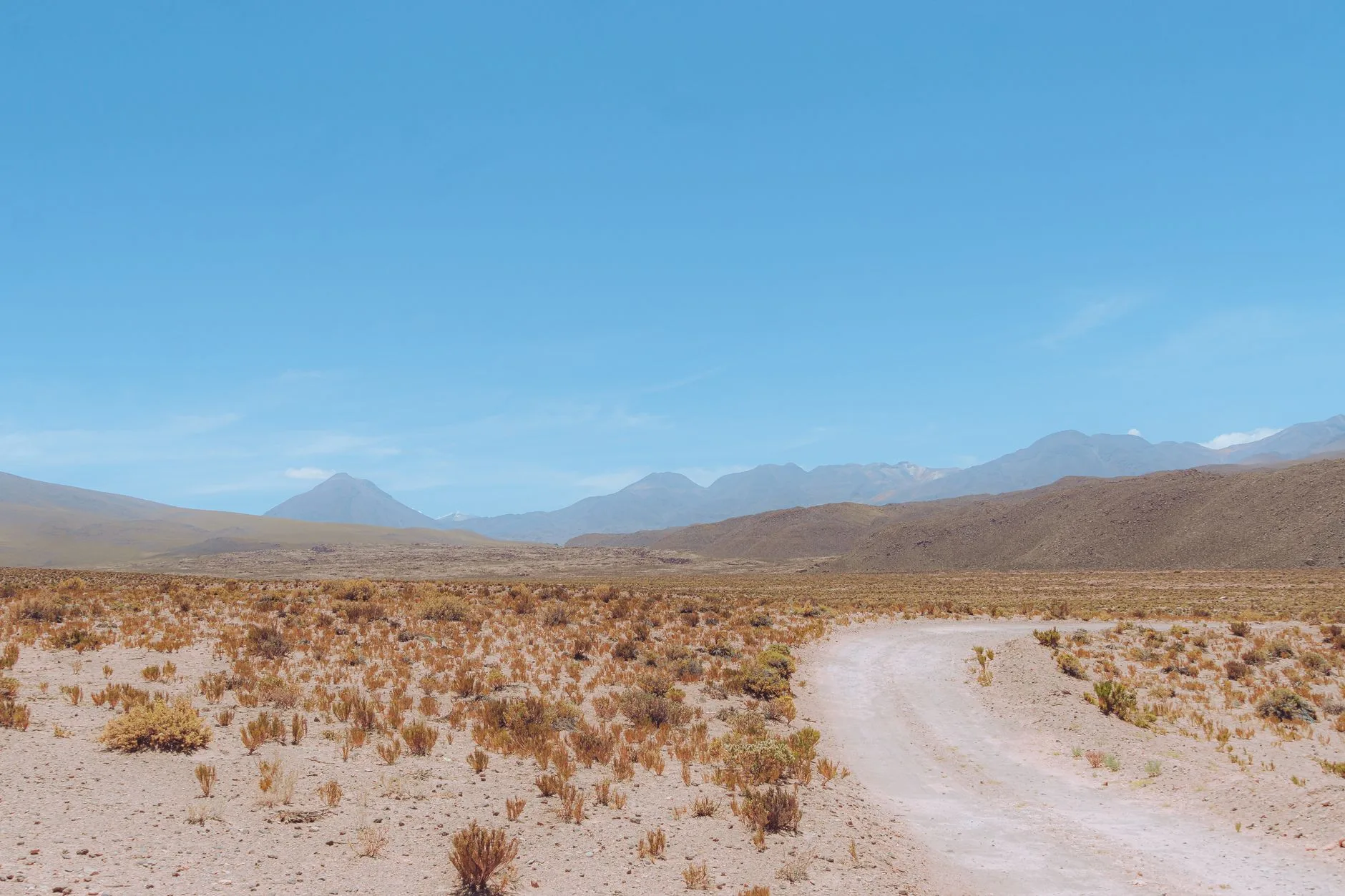
Photo by Csaba Marosi on Pexels
At 4 a.m., the road out of San Pedro de Atacama is black and the sky above it is absurd — a smear of stars so dense it looks like static. The minivan rattles toward El Tatio, climbing past 4,300 metres, and by the time the geysers come into view, columns of steam rising off the altiplano in the pre-dawn cold, your fingers are numb and your breath is short and none of it matters because the desert has gone the colour of a bruise healing — purple, then rust, then gold.
Three thousand kilometres south, the wind at Torres del Paine does something similar to your face, except it never stops, and the silence of the Atacama is replaced by the constant roar of gusts tearing down off the Paine massif. These are the two bookends of Chile, a country so long and thin it contains a rainless desert in the north and glacial wilderness in the south — and seeing both without spending a fortune requires a plan, because Chile is not a cheap country by South American standards, and distance here is the real cost.
This guide covers how to do both regions properly on a budget, where the money actually goes, and where it’s worth spending a little more.
Getting There and Getting Between: The Logistics of a Very Long Country
Chile’s defining problem for budget travellers is geography. Santiago sits roughly in the middle, but San Pedro de Atacama is 1,600 kilometres north and Puerto Natales — the gateway to Torres del Paine — is over 3,000 kilometres south. There is no road or rail link that makes sense to drive the whole way, and the Pan-American Highway, while complete, would eat a week each direction.
The honest budget answer is flights for the long legs, buses for everything local. Domestic carriers JetSMART and Sky Airline run frequent routes from Santiago to Calama (the airport for San Pedro, an hour’s bus ride away) and to Punta Arenas (the gateway, with another bus, to Puerto Natales). Booked a few weeks out, these flights often cost less than the 24-hour bus alternative once you factor in a night’s accommodation saved. This is one of the few places in South America where flying is the budget move, not the splurge.
For the bus-only travellers, Turbus and Pullman Bus connect Santiago to Calama (around 23 hours) and Santiago to Punta Arenas isn’t served directly by road without crossing into Argentina — most southbound overland travellers go through Bariloche or El Calafate instead. If long-distance buses are part of your plan more broadly in the region, it’s worth reading up on bus travel in South America before committing to a multi-day overland route, since comfort levels and reliability vary enormously by country and company.
San Pedro de Atacama on a Budget: Where to Sleep, What to Do
San Pedro itself is a low adobe town of dusty streets radiating from a small plaza, and it has fully absorbed its role as desert basecamp — meaning prices have risen accordingly. Hostels cluster along Calle Tocopilla and Calle Caracoles; a dorm bed runs roughly $15–22 USD a night, and private rooms start around $45. Camping is the real budget move — several sites on the edge of town rent space for $8–12, and the night sky more than compensates for the cold.
Food follows the same pattern: restaurants on the main drag charge tourist prices, but a block or two off it, places like the market stalls near the Feria Costumbrista serve a filling lomo a lo pobre (steak, fries, a fried egg, caramelised onions) for a fraction of the restaurant rate. Self-catering is viable too — there’s a Unimarc supermarket on Calle Tumisa, useful for stocking up before multi-day excursions where food options thin out.
Most of what makes the Atacama worth visiting isn’t in the town but around it — Valle de la Luna, the Tatio geysers, the Piedras Rojas and the high-altitude lagoons toward the Bolivian border. These require transport, which is where the budget conversation gets real.
Crossing the Desert: Essential Atacama Excursions and Their Real Costs
Every excursion here is sold as a tour because the sites are remote, the roads are rough, and in several cases — El Tatio, the altiplanic lagoons — the altitude (over 4,000 metres) makes self-driving genuinely risky without local knowledge. Budget tours run $30–45 per person for Valle de la Luna at sunset, and $45–60 for El Tatio including breakfast cooked streamside once the geysers are done smoking.
A few sites don’t require a tour at all. Valle de la Luna can be reached by rented bicycle from town (about 13 km each way, mostly sand and washboard road — doable but tiring, and brutally hot by midday). The entrance fee into the Reserva Nacional Los Flamencos, which covers Valle de la Luna and several other sites, runs around $10–15 and is separate from any tour cost — guides often forget to mention this, and it catches people out at the gate.
Piedras Rojas and the Salar de Tara require a full-day tour given the distances and border-zone permits involved; expect to pay $70–90. If budget is tight, prioritise El Tatio and Valle de la Luna over the farther salt flats — they deliver most of the visual impact for a fraction of the cost and time.
The Long Haul South: Reaching Patagonia Without Breaking the Budget
Getting from the Atacama to Patagonia means effectively restarting the trip — there’s no sensible overland route connecting the two without backtracking through Santiago. Budget travellers typically fly Calama to Santiago, then Santiago to Punta Arenas, breaking the journey with a night or two in the capital, where hostels in Barrio Bellavista or Barrio Brasil run $12–18 for a dorm bed.
From Punta Arenas, buses (Bus Sur, Buses Fernández) run the three-hour route to Puerto Natales several times daily for around $10–15. Puerto Natales itself, a working port town on the Última Esperanza Sound, has become the default base for Torres del Paine — meaning its hostel scene is well developed and genuinely good value compared to anything inside the park itself. Dorm beds along Calle Eberhard and Calle Bulnes run $14–20, and most hostels rent or lend trekking gear, which matters because buying a down jacket in Chile costs considerably more than renting one for a week.
Patagonia Without the Price Tag: Torres del Paine on a Budget
Torres del Paine National Park charges a foreign-visitor entrance fee (paid online in advance, required — park rangers do check) that runs to around $35–45 depending on season, and this is non-negotiable; it funds the trail and refugio system that makes the park navigable at all. The real budget decision is whether to stay in the park’s refugios and campsites or day-trip from Puerto Natales.
Camping inside the park is dramatically cheaper than the refugio dorm beds, but campsites must be booked in advance through Fantástico Sur or Vértice Patagonia — the two concessionaires that split management of the trail system — and they sell out months ahead in peak season (December to February). This isn’t optional planning; arriving without a booking means being turned away at the ranger checkpoint, full stop.
For those doing the classic multi-day circuits — the W Trek or the full O Circuit — a detailed route breakdown is worth reading before booking anything, since the logistics (which refugios, which direction, how many days) materially affect cost; the best multi-day hikes in Patagonia for beginners guide covers this in more depth than space allows here. Budget hikers can also do strong single-day excursions without committing to the full trek — the hike to the base of the Torres themselves (about 19 km round trip from Hotel Las Torres, no reservation required beyond the park entrance) delivers the park’s single most photographed view for a day’s effort and the cost of a bus from Puerto Natales.
| Region | Best season | Daily budget (USD) | Signature experience | Key logistics |
|---|---|---|---|---|
| San Pedro de Atacama | Year-round; avoid Bolivian winter (Jun–Aug) nights of extreme cold | $35–55 | El Tatio geysers at dawn | Fly into Calama; altitude affects some excursions |
| Puerto Natales / Torres del Paine | Oct–Apr (shoulder: Oct/Apr for fewer crowds) | $45–70 (camping) / $90+ (refugios) | W Trek or day hike to the Torres base | Book campsites and park entry online in advance |
| Santiago (transit hub) | Year-round | $25–40 | Barrio Lastarria for an evening | Necessary stopover for flights between regions |
Eating Cheap and Eating Well Across Both Regions
Chilean food doesn’t get the regional press that Peru’s or Mexico’s does, but it rewards attention. In the north, look for cazuela (a hearty meat and vegetable stew, cheap and filling after a cold morning excursion) and, near San Pedro, llama-based dishes that reflect the Andean influence from nearby Bolivia and Argentina. A completo — a hot dog buried in avocado, tomato, and mayonnaise — is the national fast food and costs almost nothing; found at kiosks everywhere, it’s an honest, unglamorous staple rather than a culinary highlight, and worth having at least once for that reason.
In Patagonia, lamb is the regional specialty, traditionally cooked asado-style, splayed on a cross over an open fire — Puerto Natales has several restaurants along the waterfront doing this well, and portions are generous enough to split between two people without either going hungry. Seafood here, particularly centolla (king crab), is a genuine Patagonian specialty, though it carries a premium price that undercuts the “budget” framing — worth it once, not every night.
Grocery self-catering works well in both regions; Unimarc and Tottus supermarkets exist in most towns of any size, and cooking your own meals in hostel kitchens is where real savings accumulate over a multi-week trip — the same logic that applies to budget hostel travel anywhere: the dorm bed matters less than whether the kitchen is usable.
When to Go: Matching Season to Region
The Atacama’s dry desert climate means it’s visitable year-round, though winter nights (June–August) at altitude drop well below freezing, and the high-altiplano excursions can close with snow. Patagonia is the opposite problem: it has a hard season. Torres del Paine’s trekking infrastructure — refugios, buses, campsite bookings — largely shuts down outside October to April, and even within that window, December and January bring both the best weather and the thickest crowds. Shoulder months (October, April) offer a workable compromise: fewer people, lower prices, and weather that’s unpredictable but survivable with the right layers.
Combining both regions in a single trip means accepting that you cannot optimise for both simultaneously — most travellers do the Atacama first, heading south as the Patagonian season opens up, which also happens to match the general flow of flights and backpacker traffic through Santiago.
Before locking in dates, it’s worth checking your government’s current travel advisory for Chile — conditions around border crossings and park access do shift season to season, and the US State Department’s Chile travel advisory is a reliable baseline regardless of nationality, alongside Chile’s own UNESCO-recognised heritage sites, several of which sit directly on routes between the two regions.
The Bottom Line
- Budget Chile means budgeting for distance, not just daily spend — flights between Atacama and Patagonia are often cheaper and smarter than the overland alternative, which breaks the usual backpacker instinct to default to buses.
- Camping, not hostels, is where the real savings live in Torres del Paine — but campsite bookings fill up months ahead in peak season, so this isn’t a decision you can make on arrival.
- Prioritise El Tatio and Valle de la Luna in the Atacama if money’s tight; they deliver the most for the least, while the farther salt flats are a genuine splurge, not an essential.
- Shoulder season (October or April) in Patagonia buys meaningfully lower costs and crowds for a manageable weather trade-off — worth considering if your dates are flexible.
- Self-catering in hostel kitchens, in both regions, is the single biggest lever on daily spend over a multi-week trip — more than any single accommodation or transport choice.
Keep reading: Planning a Patagonia trek on a budget