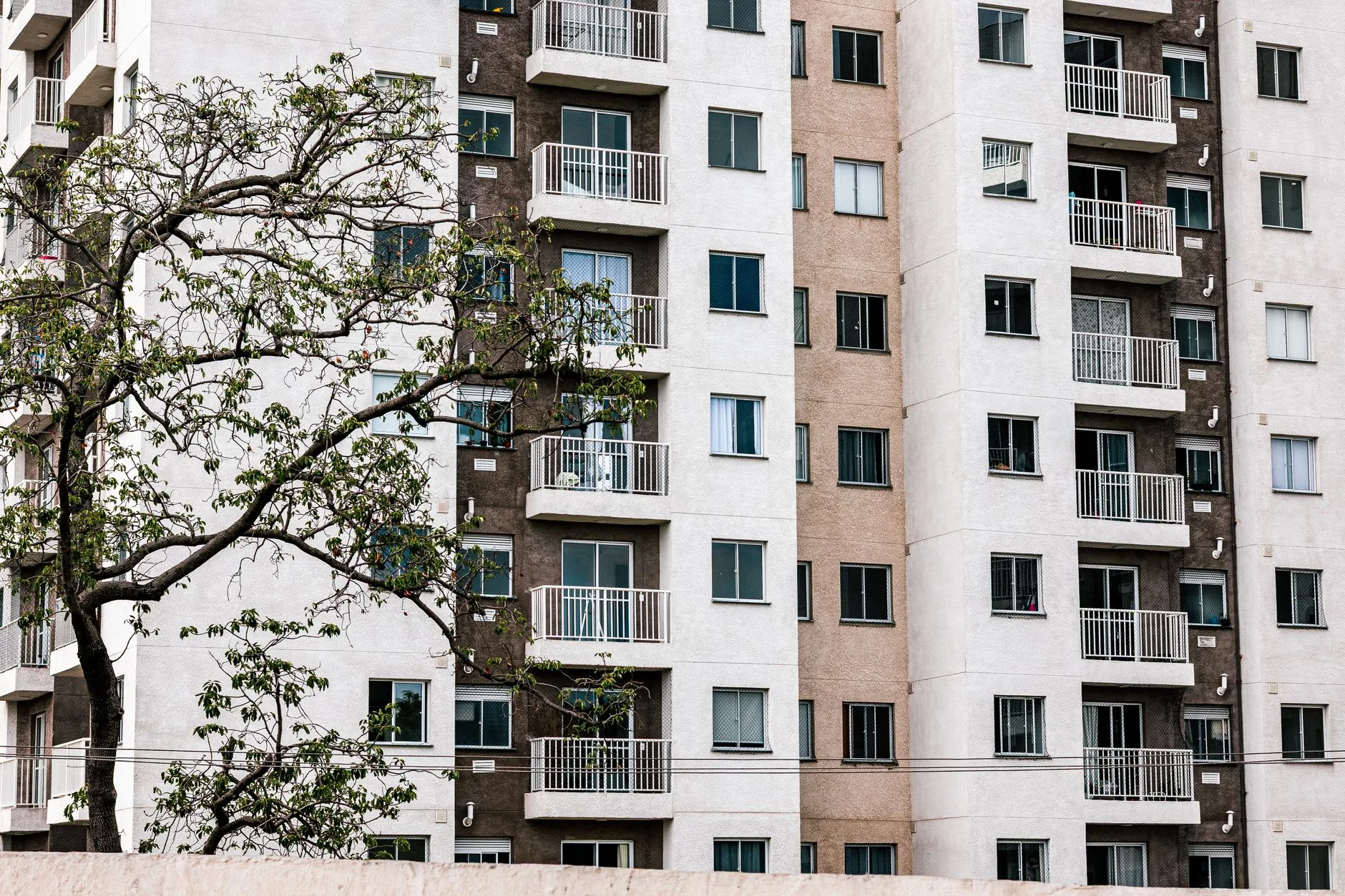
Photo by Juan Pablo Daniel on Pexels
Renting an apartment abroad for a month: practical tips
The keys arrive in a lockbox on a quiet street in Tbilisi’s Vera neighbourhood. The apartment is on the third floor of a Soviet-era building — the lift works about half the time — and the kitchen smells faintly of the previous tenant’s coffee. There’s a balcony with a rusted chair and a view of a chestnut tree. Within 48 hours, you’ve found the corner bakery that does lobiani for 1.50 GEL, worked out which bus gets you to the city centre, and stopped feeling like a visitor.
That shift — from tourist to temporary resident — is exactly what a month-long apartment rental abroad makes possible. You start to notice the rhythms of a place rather than its highlights. But getting there takes more than booking a flat on an app. The practical decisions you make before you arrive — the platform, the neighbourhood, the contract terms — shape everything that follows.
This guide covers those decisions honestly: what works, what costs more than it should, and where people run into trouble.
Choosing the right platform
The three platforms most travellers reach for are Airbnb, Vrbo, and Booking.com. All three work for month-long stays, but they’re not equivalent.
Airbnb remains the most widely used for medium-term rentals. Its monthly discount feature means many hosts will reduce the nightly rate by 20–40% for stays of 28 days or more — but you have to check this manually, because the discounted price doesn’t always display upfront. Message hosts directly and ask what their best rate is for a full month. Many will negotiate further outside peak season, particularly in cities like Medellín, Chiang Mai, and Tbilisi where there’s real competition.
For longer stays in Europe, Spotahome and Uniplaces are worth knowing about. They’re built for medium-term renters rather than short-stay tourists, which means more accurate listings, clearer utility terms, and fewer surprises about house rules. Spotahome operates across Madrid, Lisbon, Barcelona, Milan, Berlin, and several other European cities. Listings include video walkthroughs, which matters more than you’d think.
In Southeast Asia, Facebook Groups remain an underrated source. Search “[city name] apartments for rent” or “[city name] expats” and you’ll find private landlords listing furnished flats directly, often at significantly lower rates than Airbnb. Chiang Mai, Hanoi, Ho Chi Minh City, and Phnom Penh all have active groups. The tradeoff is fewer formal protections — more on that below.
For Latin America, local platforms like Properati (Argentina, Colombia, Chile) and Encuentra24 (Central America, Panama) sometimes list furnished monthly rentals that never appear on international sites.
The neighbourhood question: this is where most people go wrong
Booking based on a map pin and some photos is how you end up in a technically central but practically awkward location — close to the main square but far from a supermarket, in a tourist district where nothing feels real, or in a quiet suburb that’s exhausting to leave.
Before booking, do the following. Open Google Maps and switch to satellite view. Locate the nearest supermarket (not a convenience store — an actual supermarket), the nearest local market or covered food hall, and the nearest public transport connection. Count the minutes on foot. If the flat is a 20-minute walk from the nearest bus stop, that compounds across a month.
Then look at the surrounding streets on Street View and check what’s there at street level. A ground-floor bar directly below your window won’t appear in listing photos but will be audible at 1am on a Friday.
Some neighbourhoods that work well for month-long stays, because they balance affordability, walkability, and local infrastructure:
- Tbilisi, Georgia — Vera or Vake: residential, walkable, close to Rustaveli Ave, quieter than the tourist-heavy Fabrika area
- Medellín, Colombia — Laureles or El Poblado (El Poblado is pricier but has consistent infrastructure); avoid Envigado if you’re not used to navigating suburbs
- Lisbon, Portugal — Mouraria, Intendente, or Campo de Ourique rather than Bairro Alto, which is all bars and hen parties by night
- Chiang Mai, Thailand — Nimmanhaemin or the Santitham area, close to the university and local markets, rather than the Old City which is oriented entirely toward short-stay tourism
- Porto, Portugal — Bonfim or Campanhã, east of the centre: still well-connected, considerably cheaper than Ribeira
- Mexico City — Roma Norte or Condesa for livability; Coyoacán if you prefer a slower pace and more residential feel
If you’re considering slow travel in Portugal more broadly, it’s worth thinking about base location before committing to a single city — different towns suit different travel styles.
What to actually check before paying a deposit
Listings omit things. Some omissions are careless, some are deliberate. Here’s what to ask about explicitly, in writing, before you pay anything.
Utilities: Are electricity, water, and gas included in the rent? In many Eastern European and Balkan countries, you’ll pay a base rent plus utilities billed monthly after the fact. In summer in southern Europe or Southeast Asia, air conditioning can add €80–150 to a monthly bill that wasn’t mentioned upfront.
Wi-Fi speed: Ask for a screenshot from speedtest.net. Listing descriptions that say “high-speed internet” can mean anything from 5 Mbps to 200 Mbps. If you’re working remotely, this is non-negotiable.
Washing machine: Many furnished apartments have one. Many don’t. A month without one means either daily hand-washing or spending real money at laundromats.
The mattress: Nobody mentions this and it quietly ruins a month. Ask how old the mattress is. If a host is evasive or doesn’t know, that’s information.
Check-in and check-out terms: Some platforms require you to vacate by 11am on the last day. For a month-long stay, this is worth negotiating — ask for a midday or late checkout.
Guest limits and visitor policies: Some hosts have strict rules about overnight guests. Know this before a friend comes to stay for a few days mid-trip.
Contracts, deposits, and what happens when things go wrong
On platforms like Airbnb or Spotahome, the booking itself functions as your contract. Keep every communication on-platform — don’t move to WhatsApp for financial arrangements, even if the host suggests it, because you lose dispute resolution rights.
For direct rentals (through Facebook groups or local landlords), insist on a written agreement even if it’s a simple one-page document. It should specify: rental amount, duration, deposit amount, what the deposit covers, how utilities are handled, and who to contact if something breaks. Translate it if necessary — Google Translate handles Spanish, Portuguese, French, Georgian, and Thai well enough for this purpose.
Deposits on month-long rentals typically run between one and two months’ rent. Platforms generally hold this and mediate disputes; direct landlords may not. Document the apartment’s condition thoroughly on arrival — photograph every scuff, broken hinge, and stain before you unpack. Send those photos to the landlord on day one so there’s a timestamped record. This takes twenty minutes and can save a significant argument later.
In the case of serious issues — no hot water, broken appliances, pest problems — most countries have tenant protection frameworks that apply even to short-term rentals, though enforcing them as a foreigner is difficult. The more practical approach is to communicate clearly and promptly with the landlord and escalate through the platform if unresolved within 48 hours.
The real cost of a month-long apartment rental
The monthly rental price is the starting point, not the full number. Here’s a more realistic breakdown:
| Cost Category | Typical Range | Notes |
|---|---|---|
| Rent (varies by city) | €300–€2,000/month | Tbilisi low end; Lisbon/Porto mid; Barcelona/Amsterdam high |
| Deposit | 1–2 months’ rent | Refunded on departure if all is well |
| Platform service fee | 10–18% of booking total | Airbnb charges both host and guest fees |
| Utilities (if not included) | €40–€150/month | Higher with AC use in hot climates |
| Local SIM card | €5–€30 one-time | Essential — don’t rely on roaming |
| Groceries (cooking at home) | €150–€400/month | Depends heavily on city and habits |
| Cleaning (mid-stay) | €20–€60 per clean | Optional but worth it for a month |
The most consistent money-saver: cooking at home at least half the time. This is only possible if the kitchen is genuinely equipped — a single electric ring and one blunt knife is not a kitchen. Check the listing photos carefully and, if in doubt, ask the host to confirm what’s in the kitchen.
If you’re managing finances across a long trip, the groundwork starts earlier — building a runway that makes month-long rentals financially viable rather than stressful.
Visas, entry requirements, and legal stay limits
This is the practical detail most “renting abroad” articles skip over. The length of your legal stay determines which destinations are realistic.
In 2026, UK passport holders can stay in most EU Schengen countries for up to 90 days within any 180-day period — without a visa. This covers a month with room to spare, but you cannot simply chain multiple monthly rentals across Schengen countries indefinitely. Once you’ve used 90 days, you need to leave Schengen for 90 days before re-entering.
US passport holders have similar 90-day arrangements with most of Europe, Southeast Asia, and Latin America, with some country-specific variations.
Georgia is a significant exception: US, UK, and EU citizens can stay for 365 days without a visa — one reason Tbilisi has become a long-term base for slow travellers and remote workers. Similarly, Albania allows 90 days but sits outside Schengen, making it useful as a break in a longer European circuit.
For Southeast Asia: Thailand allows 60 days visa-free (extendable once at an immigration office for a further 30 days), Vietnam requires an e-visa (up to 90 days, obtainable online), and Indonesia allows 30 days visa-free with a 30-day extension available. Always check your government’s current travel advisory before booking — visa rules shift.
Some countries now offer specific digital nomad visas that extend legal stay rights for remote workers: Portugal’s D8 visa, Croatia’s digital nomad visa, and Colombia’s digital nomad visa are the most established. These require proof of income and involve more paperwork but are worth pursuing if you plan to stay longer than the standard tourist window.
Arriving, settling in, and the first 72 hours
The first three days in a new apartment set the tone for the whole month. Spend them practically rather than sightseeing.
Walk the immediate neighbourhood on foot, in all directions, for 15 minutes. Find: a supermarket, a pharmacy, a café you actually want to return to, and the nearest public transport stop. Buy a local SIM card on day one — it makes everything else easier, from navigation to food delivery to calling the landlord if something breaks. In most cities, a local SIM with a month of data costs under €15.
Figure out the rubbish system early. It sounds mundane but is genuinely confusing in many apartments, especially in cities with separated recycling. Ask the host or check with a neighbour.
If you’re somewhere like Tbilisi, where public transport is cheap and functional (a rechargeable metro card costs 2 GEL, and most journeys are under that), get the card on day one. In Chiang Mai, rent a scooter for the month if you’re comfortable riding — it’s around 2,500–3,500 THB (approximately €65–€90) and transforms your access to the city. In Lisbon, the Viva Viagem card works across metro, tram, and bus.
The apartment starts to feel like a base rather than an unfamiliar room somewhere around day four. That’s when the trip changes register — and it’s worth being patient with the unglamorous early days to get there.
The Bottom Line
- Book directly when possible, but protect yourself: platform bookings offer more dispute resolution; direct rentals offer lower prices. If you go direct, get everything in writing and document the apartment’s condition on arrival.
- Neighbourhood matters more than the flat: a well-located modest apartment beats a well-photographed flat in an awkward location. Check distances to supermarkets, transport, and real daily infrastructure before booking.
- Utilities and fees add 20–35% to the headline rent: factor this in from the start, especially electricity if you’ll be running AC in summer.
- Check your visa allowance before you book: most tourist visas cover a month comfortably, but longer stays require research. Georgia remains one of the best options for a genuinely extended base with zero visa friction.
- The first 72 hours are infrastructure days: SIM card, transport card, supermarket, pharmacy. Get these sorted and the rest of the month runs considerably smoother.
Keep reading: Living in Lisbon for a month: a practical guide