Photo by Elona Agug on Pexels
Albania spent four decades under one of the most isolated communist regimes in the world — and opened to tourism later than almost every other European country. The result is a country with extraordinary natural landscapes, a distinctive culture with roots in ancient Illyria and the Ottoman period, and almost no tourist infrastructure relative to its neighbours. It is also, by some margin, the cheapest country in Europe to travel.
Getting In
Visa: EU, UK, US, Australian, Canadian, and many other nationals can enter Albania visa-free. Check the Albanian e-visa portal (e-albania.al) for your specific nationality — the visa-free list is extensive.
By air: Tirana International Airport (TIA) is the only significant airport. Direct flights from London (approximately 2.5–3 hours), Rome, Vienna, Istanbul, and most major European cities. Ryanair, Wizz Air, and British Airways all serve the route from the UK.
Overland: Albania borders Montenegro, Kosovo, North Macedonia, and Greece — all crossings are straightforward. Ferries run from Corfu (1 hour to Saranda in southern Albania) and Bari (Italy) to Durrës.
Getting Around
Furgon (shared minibuses): The backbone of Albanian overland travel. Furgons run between all towns and cities, departing when full from central points in each town. Fares are very cheap (Tirana–Berat: approximately £3; Tirana–Shkodra: approximately £2.50). They don’t run to a timetable — arrive early and wait.
Buses: For longer intercity routes (Tirana–Korça, Tirana–Gjirokastër), slightly more formal buses operate. Still very cheap.
Taxis: Ridesharing apps (Bolt operates in Tirana) have transformed urban taxi use — use the app to avoid over-pricing. Outside Tirana, negotiate a price before getting in.
Car rental: Necessary for mountain areas (particularly the Valbona and Theth valleys in the Albanian Alps). International car rental companies operate in Tirana, with local companies cheaper. Roads outside major routes can be poor — a high-clearance vehicle is useful.
Where to Go
Tirana
Albania’s capital was reshaped dramatically in the 2000s under Mayor Edi Rama (later Prime Minister) — drab communist blocks were painted in primary colours, new public spaces were created, and the city began developing a café and cultural scene. The Blloku district (formerly reserved exclusively for communist party elite — literally sealed off from ordinary Albanians) is now the centre of bars, restaurants, and nightlife. The National History Museum on Skanderbeg Square and the Bunk’Art museums (a vast nuclear bunker converted into art spaces) are the most interesting cultural sites.
Berat
UNESCO-listed “city of a thousand windows” — a hillside Ottoman city with characteristic whitewashed multi-windowed houses climbing toward a Byzantine castle. The old quarters (Mangalem on one bank of the Osum river, Gorica on the other) are extremely well-preserved. One of the most atmospheric towns in the Balkans.
Gjirokastër
Another UNESCO city in the south — a mountain town with distinctive stone-roofed Ottoman houses and a castle that houses a bizarre museum of captured American military equipment (a US Air Force plane, downed and displayed). Birthplace of the writer Ismail Kadare, Albania’s most internationally known author.
The Albanian Riviera
The coastline south of Vlorë to the Greek border — rocky bays, clear water, and minimal development relative to the Croatian or Greek equivalents. Beaches at Dhermi, Himara, and Borsh are the most popular. The village of Himara has a year-round population and a functioning non-tourist restaurant scene. Saranda in the far south is a resort town and the base for visiting Butrint (a UNESCO archaeological site with Greek, Roman, Byzantine, and Venetian layers).
Valbona and the Albanian Alps (Prokletije)
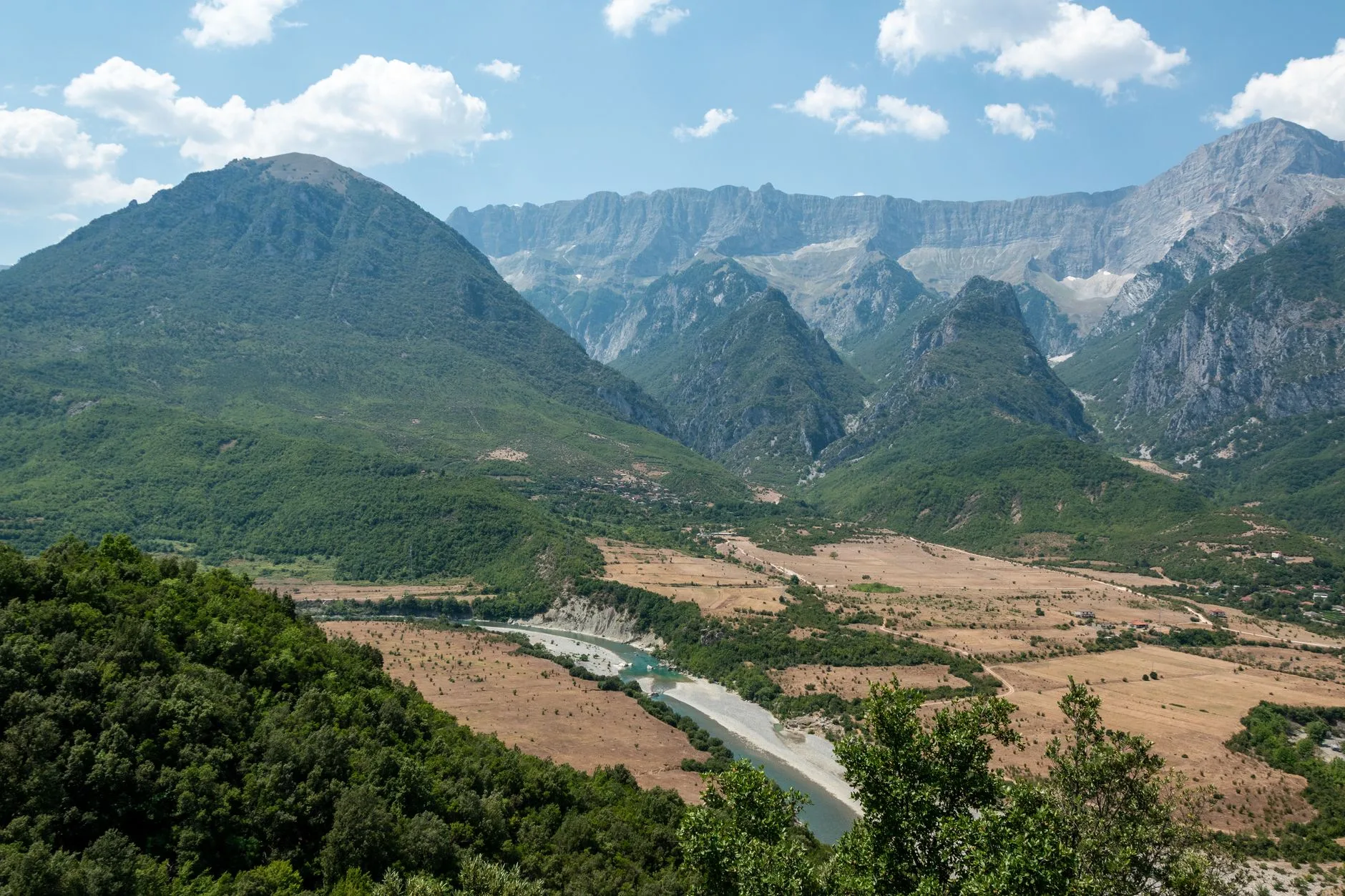
The north Albanian Alps — called the “Accursed Mountains” — contain some of the most dramatic mountain landscape in Europe and are almost entirely undeveloped for tourism. The Valbona valley is the most accessible starting point; a multi-day hike through to Theth and out to Shkodra is one of the best mountain walking routes in the Balkans. Accommodation is basic homestays (inexpensive and very friendly). The route is only fully accessible June–October.
Costs
Albania is the cheapest country in Europe outside Kosovo:
| Item | Approximate cost |
|---|---|
| Hostel dorm bed | €5–10 |
| Budget guesthouse (private room) | €15–30 |
| Byrek (filo pastry snack) from bakery | €0.50–1 |
| Full meal at a local restaurant | €5–10 |
| Beer (local Tirana or Korca beer) | €1–2 |
| Furgon fare (Tirana–Berat) | €3 |
| City taxi (Bolt, within Tirana) | €2–4 |
Daily budget for independent travel: £25–40 including accommodation, food, and transport. Lower if staying in hostels and eating local.
Practical Notes
Language: Albanian is its own language group, unrelated to any other — learning even a few words is appreciated. English is widely spoken by younger Albanians and in tourist areas; less so outside cities.
Cash: Lek (ALL) is the currency. Most places are cash-only, especially outside Tirana and major towns. ATMs are available in cities but less common in rural areas — carry cash when heading to mountain regions.
Hospitality: Albanian culture has a deeply embedded code of hospitality — besa — which means guests are treated with exceptional generosity. Accepting tea, coffee, or food offered is important culturally.
Conclusion
Albania is one of the most compelling destinations in Europe — undervisited, genuinely affordable, and with landscapes and culture that haven’t been filtered through tourist expectations:
- Furgons are the correct way to travel between towns — cheap, frequent, and the most local experience available
- Berat and Gjirokastër are non-negotiable — two of the most beautiful historic towns in the Balkans
- The Albanian Riviera is best in June or September — July and August are crowded by local standards (still nothing compared to Croatia or Greece)
- The northern Alps require planning — the Valbona–Theth trek needs accommodation booked in advance in July and August
- Carry cash in rural areas — ATM coverage outside cities is unreliable
Keep reading: Solo travel in Eastern Europe: practical guide