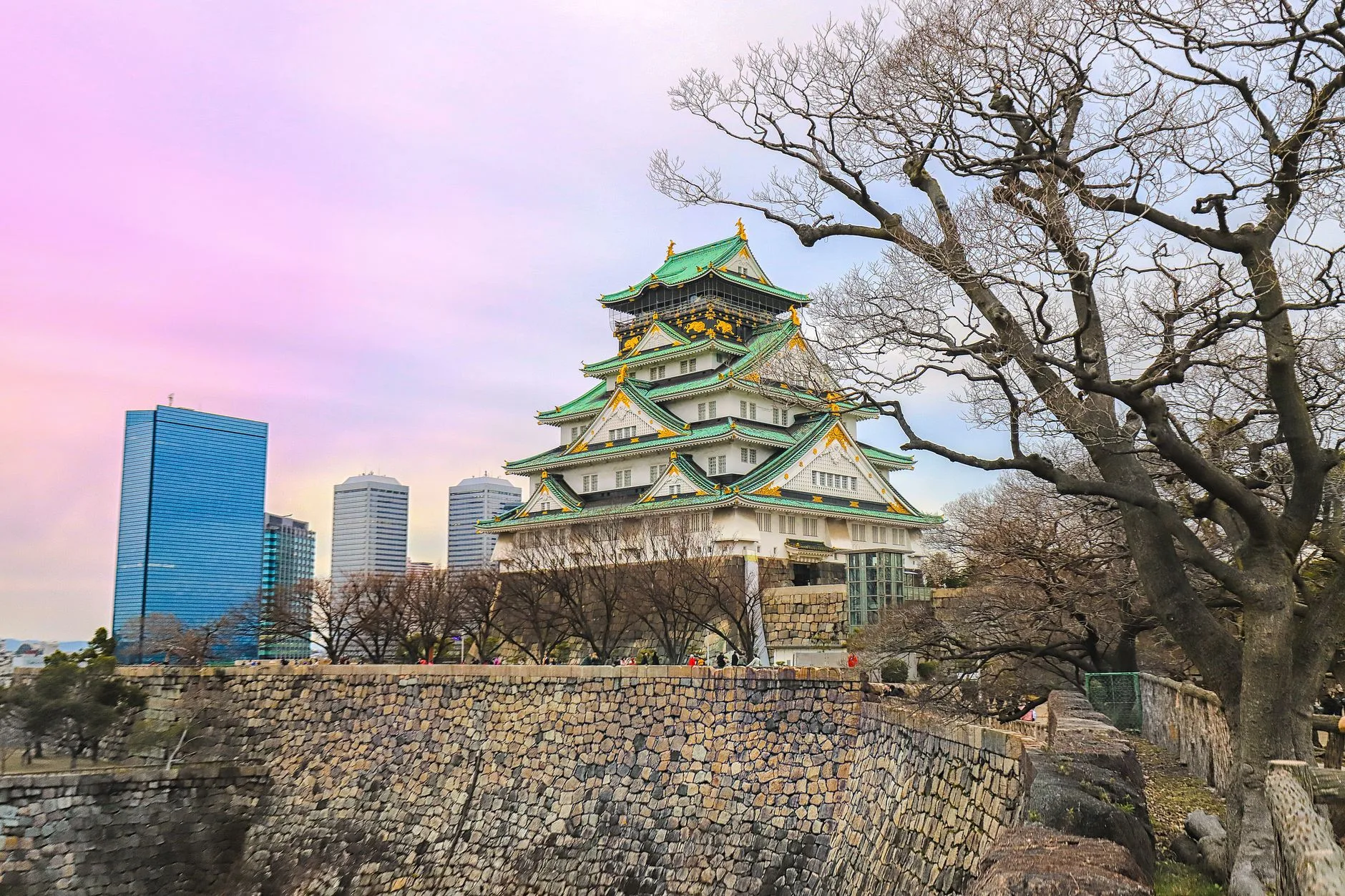
Photo by Nguyen Hung on Pexels
Japan has a reputation in Western Europe for being complicated to navigate independently. It isn’t. The transport infrastructure is the most reliable in the world, English signage covers all major transport hubs and tourist sites, and the culture of service means that asking for help at information desks, hotels, and stations produces useful, courteous assistance even when the other person speaks limited English.
Independent travel in Japan is not only possible — for most travellers, it’s significantly better than a guided tour. You can follow curiosity rather than a schedule, eat where the queue is longest rather than where the guide takes you, and spend extra time in the places that resonate.
Two weeks is enough to see the main Japan and understand why it’s exceptional. Here’s how to use them.
Getting In
Visa: UK, EU, US, Canadian, Australian, and many other nationals can enter Japan visa-free for 90 days. Passport holders of some countries need a visa — check the Japan Ministry of Foreign Affairs website (mofa.go.jp) for your nationality.
Arriving: Tokyo Narita (NRT) and Haneda (HND) airports are the main international gateways. Haneda is closer to central Tokyo (30–40 minutes by monorail or rail). Osaka Kansai (KIX) is a good option for itineraries starting in western Japan.
SIM card or pocket Wi-Fi: Get one at the airport on arrival. A tourist SIM with data (no calling) is available from machines in the airport and costs approximately ¥3,000–5,000 for 14 days — worth it for navigation and translation.
Transport: The JR Pass Question
The Japan Rail Pass allows unlimited travel on most JR (Japan Railways) trains, including most Shinkansen (bullet trains), for a set number of days. In 2023, the price increased significantly. The maths now requires checking carefully:
The pass makes financial sense if: You’re doing multiple Shinkansen journeys between major cities — e.g., Tokyo to Kyoto return, with side trips to Hiroshima and Osaka, is comfortably above the cost of the pass.
It doesn’t make sense if: You’re spending most of your time in one or two cities with a single long-distance journey.
Calculate your expected Shinkansen journeys using Japan-guide.com’s JR Pass calculator before buying. For a two-week Tokyo–Kyoto–Osaka–Hiroshima itinerary, the 14-day pass is typically worth it.
Within cities: IC cards (Suica or Pasmo) are the essential tool for urban transport — tap-in/tap-out on all metro, bus, and local train systems in Tokyo, Kyoto, Osaka, and other cities. Load them with yen at any station machine. Also accepted at many convenience stores and vending machines.
Suggested Two-Week Itinerary
Days 1–4: Tokyo
Tokyo is four cities in one — each neighbourhood has a distinct personality and demographic. Prioritise:
- Shinjuku: The most intensely urban area in Japan. Shinjuku station (the world’s busiest) is both navigation challenge and spectacle. Kabukichō is Tokyo’s entertainment district; the Golden Gai network of tiny 6-seat bars is one of the most extraordinary spaces in the city.
- Shibuya and Harajuku: The famous pedestrian crossing (best viewed from the Starbucks or Mag’s Park above); Harajuku’s Takeshita Street for youth subculture; Meiji Shrine in the forested park above.
- Asakusa: The old Tokyo neighbourhood — Senso-ji temple, the Nakamise shopping street, and the Sumida river waterfronts.
- Akihabara: Electronics and anime culture epicentre.
- Yanaka: A neighbourhood that survived World War II bombing largely intact — a glimpse of old Tokyo, with small temples, traditional craft shops, and a relaxed atmosphere entirely at odds with the neon city surrounding it.
Days 5–6: Hakone or Nikko
A side trip from Tokyo before heading west. Hakone (90 minutes from Tokyo) has Mt Fuji views (weather-dependent), an outdoor sculpture museum, and traditional ryokan accommodation. Nikko (2 hours from Tokyo) has the most ornate shrine complex in Japan — the Tōshō-gū mausoleum of Tokugawa Ieyasu, excessive in the best possible way.
Days 7–9: Kyoto
Japan’s former imperial capital and most culturally significant city. Not a beautiful city in the conventional sense — the modern parts are ordinary — but with an extraordinary concentration of temples, shrines, and traditional culture.
Essential: the Fushimi Inari-taisha (the thousands of orange torii gates climbing the mountain above the city — go early morning), Kinkaku-ji (the golden pavilion), the geisha district of Gion (evening walk along Hanamikoji Street), and the Arashiyama bamboo grove (early morning again, before the crowds). The Nishiki Market (covered street market called “Kyoto’s kitchen”) for food.
Day 10: Nara
45 minutes from Kyoto by train. Nara was Japan’s first permanent capital. The Tōdai-ji temple houses a 15m bronze Buddha — the largest bronze Buddha statue in Japan. The temple grounds are roamed by freely wandering sika deer, considered sacred. Nara’s deer are genuinely charming and worth half a day. Return to Kyoto or head directly to Osaka.
Days 11–12: Osaka
Japan’s most food-obsessed city. Osaka people have a saying about themselves: kuidaore — “eat until you drop.” The Dotonbori canal district is the centre — neon signs, restaurant touts, the famous Glico man illuminated billboard, and a kilometre of restaurants on both canal banks. Takoyaki (grilled octopus balls) and okonomiyaki (savoury pancakes) are Osaka’s street food signatures.
Osaka Castle is worth a visit for the surrounding park (free) even if the modern reconstruction of the tower itself is underwhelming.
Days 13–14: Hiroshima and Miyajima
A 50-minute Shinkansen from Osaka. Hiroshima’s Peace Memorial Park and Museum are among the most important sites in Japan — the museum is both harrowing and thoughtful, and the A-Bomb Dome (the skeletal ruin left standing as a monument) is one of the most sobering monuments in the world. The Hiroshima oysters (the region’s other claim to fame) are excellent compensation.
Miyajima Island (ferry from Hiroshima, 30 minutes) has the famous floating torii gate of Itsukushima Shrine — one of Japan’s most photographed images. The deer here are equally bold as Nara’s. Worth a half day or an overnight.
Costs
Japan is not as expensive as its reputation suggests for mid-range travel. Budget estimates:
| Item | Approximate cost |
|---|---|
| Budget guesthouse/capsule hotel | ¥3,000–6,000 (£15–30) |
| Mid-range hotel | ¥8,000–18,000 (£40–90) |
| Ramen/udon from a restaurant | ¥800–1,500 (£4–7.50) |
| Convenience store meal | ¥400–800 (£2–4) |
| Restaurant dinner | ¥1,500–4,000 (£7.50–20) |
| Tokyo metro single fare | ¥170–320 (£0.85–1.60) |
| 14-day JR Pass | approximately £440–550 |
Excluding the JR Pass, budget travellers can manage Japan for £50–70/day. Mid-range travel (decent hotels, eating out every meal) runs £90–150/day.
Conclusion
Two weeks in Japan is enough to form a genuine picture of a remarkable country — but it requires an itinerary rather than improvisation:
- Calculate the JR Pass cost against your specific journey plan before buying — it’s worth it for a multi-city itinerary, not always for a slow two-city trip
- Load a Suica IC card immediately at the airport — it handles every metro, bus, and local train journey without buying individual tickets
- Kyoto requires early mornings — the major sites (Fushimi Inari, Arashiyama) are a completely different experience at 7am versus 11am
- Hiroshima and the Peace Museum are non-negotiable — one of the most important cultural experiences in Japan
- Eat at convenience stores more than you think you should — 7-Eleven, FamilyMart, and Lawson sell excellent onigiri, sandwiches, and prepared food at remarkable quality and price
Keep reading: How to visit Uzbekistan independently: Silk Road guide