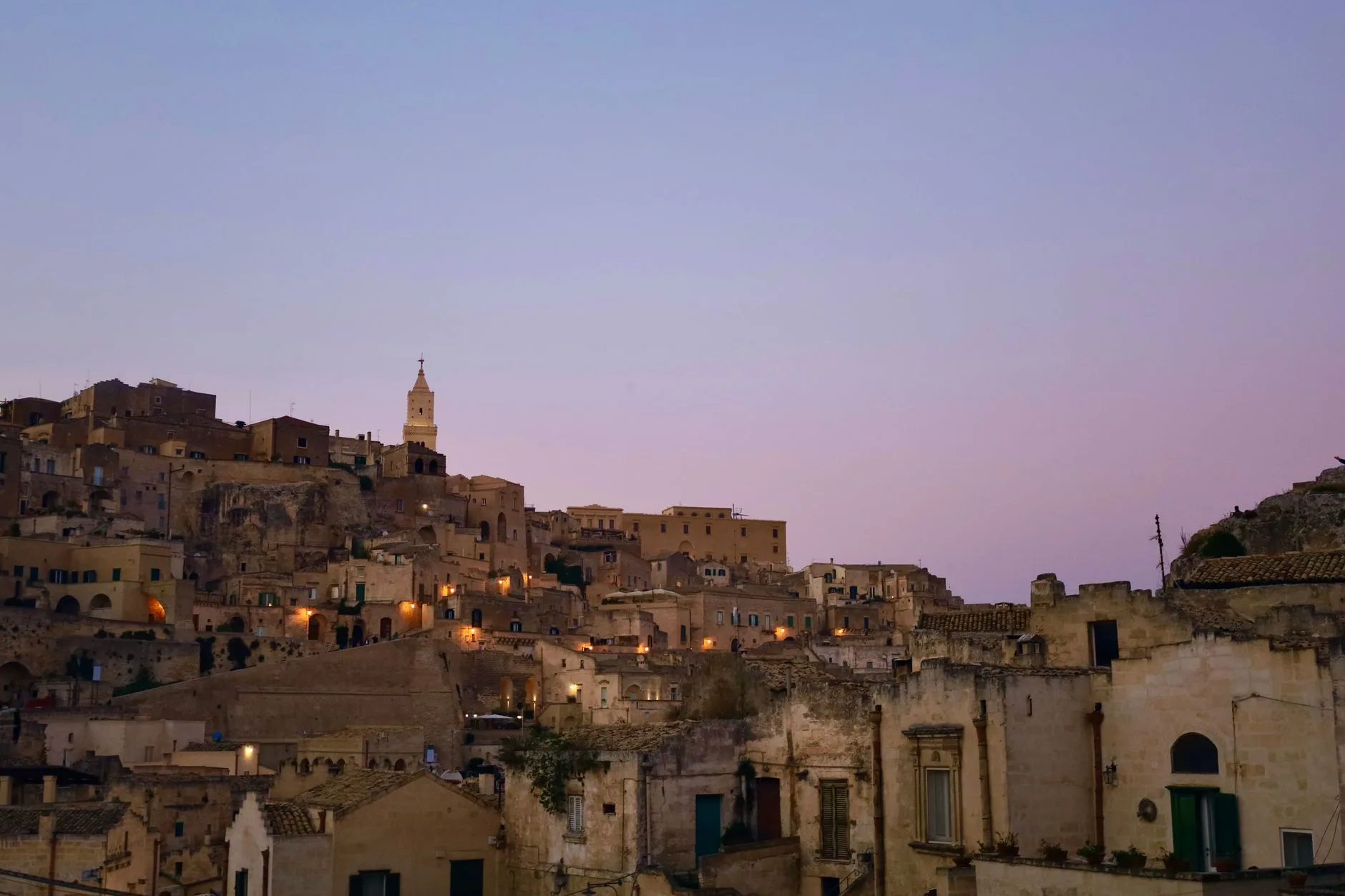
Photo by Erica On The Go on Pexels
The bread seller in Aliano opens her shutters at seven, and by then the calanchi — the grey, folded badlands that surround this Basilicata village — are already catching the first light in a way that makes them look wet, though it hasn’t rained in weeks. Carlo Levi was exiled here in the 1930s and wrote “Christ Stopped at Eboli” about a place so remote it felt outside history. It no longer feels quite that remote — there’s a small museum, a handful of agriturismi, a paved road — but the silence after the bread van leaves is still almost total. A dog barks somewhere below in the ravine. That’s it.
This is the pace Calabria and Basilicata operate at, and it’s not a pose. These two regions, forming the arch and toe of Italy’s boot, have largely sat out the transformation that turned Tuscany and the Amalfi Coast into set pieces. There are reasons for that — poorer transport links, a reputation (outdated, mostly) for being difficult or unsafe, decades of emigration that hollowed out hill towns faster than tourism could repopulate them. The upshot for a traveller willing to adjust expectations and slow down is a stretch of southern Italy where a trattoria menu is still dictated by what’s in season, where hiking trails go unmarked for kilometres, and where a two-hour wait for a connecting train is simply part of how the day unfolds.
Why this corner of Italy rewards patience
Calabria and Basilicata are stitched together by geography more than by convenience. The Pollino massif straddles their shared border, the Ionian and Tyrrhenian coasts bracket Calabria on either side, and Basilicata — Italy’s most sparsely populated mainland region — sits largely landlocked except for two short coastal strips. None of this adds up to an easy loop. Distances that look short on a map take hours on roads that climb and switchback through chestnut forest and limestone gorge.
That friction is the point. Slow travel here isn’t a marketing term; it’s the only mode that works. Trying to tick off Matera, Tropea, and the Aspromonte in a week will mean a lot of driving and very little understanding. Spending ten days moving through three or four base towns, walking between them where possible, eating what’s local because there often isn’t an alternative — that’s where the region opens up.
Getting there and getting around
Two airports matter most: Lamezia Terme (SUF) on Calabria’s west coast, with regular domestic flights and a few European connections, and Bari (BRI) in neighbouring Puglia, which is the more practical gateway into Basilicata — Matera is about an hour’s drive or a direct bus from Bari’s airport. Reggio Calabria’s small airport serves the far south but with fewer routes.
Trains run down both Calabria coasts via Trenitalia, and the coastal line (particularly the Tyrrhenian side through Tropea, Scilla, and Pizzo) is scenic and reliable enough for point-to-point travel. The interior is a different story: Basilicata’s rail network is thin, and towns like Aliano, Craco, or the Pollino villages are reached by regional bus (look up Autoservizi Marino or SITA Sud routes) or not reached by public transport at all. A rented car becomes close to essential once you leave the coast — the roads are narrow and occasionally hair-raising but almost always paved, and Italian motorway tolls on the A2 (the old Autostrada del Mediterraneo) make the north-south spine quick when you need it.
Budget extra time for everything. A 90-kilometre drive through the Pollino can take two and a half hours. That’s not a flaw in the plan; it’s the terrain doing what terrain does.
Matera and the Sassi: worth it, with caveats
Matera’s Sassi — the cave dwellings carved into two ravines, Sasso Caveoso and Sasso Barisano — are genuinely extraordinary and deservedly carry UNESCO World Heritage status, among the first sites in Italy to receive it. Walking at dusk through Via Madonna delle Virtù, with swifts cutting across the gorge and lights coming on in what were, within living memory, desperately poor dwellings without running water, is one of the more affecting evening walks in southern Europe.
It’s also, by the standards of this guide, the least slow place in either region. Day-trippers arrive by the coachload from Bari and Alberobello, and the main Sasso Caveoso viewpoints get crowded by late morning from spring through autumn. The honest move is to stay two nights rather than pass through on a day trip — most visitors clear out by early evening, and the early morning light before 8am belongs almost entirely to residents and the handful of guests staying in cave hotels like those converted from former grain stores. Book a room actually inside the Sassi rather than in the newer town above; the difference in atmosphere is the whole reason to come.
Walking the Pollino
The Pollino National Park, Italy’s largest, straddles the Calabria-Basilicata border and is where the slow-travel case for this region is strongest. Its loschi forests hold some of Europe’s oldest trees — Bosnian pines, including specimens locally called i Giganti del Pollino estimated at well over a thousand years old, in the Serra di Crispo area. The trailhead near Colle dell’Impiso, reached via the village of San Severino Lucano, is the usual access point, and the walk up to the pines and onward toward the Pollino summit itself is a full day’s effort on rough but well-trodden ground — bring real boots, water, and a paper map, since signal disappears fast.
Lower down, the Raganello Gorge near Civita offers a shorter but genuinely demanding half-day canyon walk (parts require wading and a head for narrow ledges; local guides in Civita run it with ropes where needed, and that’s worth paying for rather than improvising). Civita itself is an Arbëreshë village — one of several Albanian-founded settlements scattered through this part of Calabria since the 15th century, where an archaic dialect and Byzantine-rite churches still mark daily life. San Demetrio Corone, further north, has a similar character with less tourist infrastructure, which depending on your appetite is either a drawback or the whole appeal.
The coasts: Tropea and beyond
Tropea, perched on a sandstone cliff above the Tyrrhenian, is Calabria’s best-known seaside town and the one place in this guide that gets genuinely busy — July and August bring heavy domestic tourism, and the beach below the Santa Maria dell’Isola sanctuary can feel more crowded than the region’s reputation suggests. Visit in June or September instead, when the water’s still warm and the old town’s narrow streets aren’t a queue.
The surrounding Costa degli Dei stretches roughly from Pizzo to Nicotera and rewards a car and no fixed itinerary — small coves below the road at Capo Vaticano are reached by unmarked paths, and swimming here in late spring, with nobody else around, is one of the better arguments for visiting Calabria at all. If coastal walking appeals more than driving, stretches of this shoreline connect on foot between headlands, in the same spirit as some of the better-known long-distance coastal routes elsewhere in Europe.
On the Ionian side, Riace’s beach is mostly known for the 1972 discovery of the Riace Bronzes (now in Reggio Calabria’s archaeological museum), and the coast here is quieter, flatter, and far less developed — fewer facilities, but also far fewer people.
What to eat, and where it comes from
Food in Calabria and Basilicata is unapologetically regional, often fiercely spiced, and tied closely to what the land and sea produce. ‘Nduja, the spreadable, chilli-laced pork sausage, comes from Spilinga in Calabria’s Vibo Valentia province — buy it at the village’s small shops rather than a supermarket version, the difference is considerable. Peperoncino shows up everywhere, including at Diamante’s annual chilli festival if your timing allows. In Basilicata, peperoni cruschi — sun-dried, flash-fried sweet peppers, crisp as crackling — turn up as a garnish on everything from pasta to fried eggs, and caciocavallo podolico, made from the milk of a free-ranging native cattle breed, is worth seeking out at small-town markets over anything pre-packaged.
Matera’s bread, Pane di Matera, carries its own DOP protection and is baked in huge, dense loaves meant to last a family most of a week — a habit born of necessity now preserved as craft. For a sense of how food markets across Europe operate and what to expect when buying direct from producers, the same instincts that serve you well at a market in Lisbon or Palermo apply here: go early, bring cash, and ask what’s good that day rather than what you expected to find.
Where to base yourself
A workable ten-day route might run: three nights in or near Matera, two in the Pollino (Civita or San Severino Lucano), two in Aliano or Craco’s surrounding countryside for the Basilicata interior, and three along the Tropea coast to finish slower. Agriturismi — working farms with rooms, often serving dinner from their own produce — are the most characterful and often cheapest option outside the towns, typically running €70–120 a night for two including a substantial dinner.
| Area | Best for | Best season | How to get there | Pace |
|---|---|---|---|---|
| Matera & the Sassi | Architecture, cave-dwelling history | April–June, Sept–Oct | Bari airport, 1hr drive/bus | Moderate — busy by day |
| Pollino National Park | Hiking, gorges, ancient forest | May–Sept | Car from Lamezia Terme or Castrovillari | Demanding on trails |
| Costa degli Dei (Tropea) | Coastal towns, swimming | June, September | Lamezia Terme airport, coastal train | Easy, crowded in Aug |
| Aliano & Basilicata interior | Isolation, literary history | April–June, Sept–Oct | Car essential, regional bus limited | Very slow |
| Arbëreshë villages (Civita) | Cultural heritage, gorge walking | May–Oct | Car from Castrov |
Keep reading: Best long distance walking trails in Europe