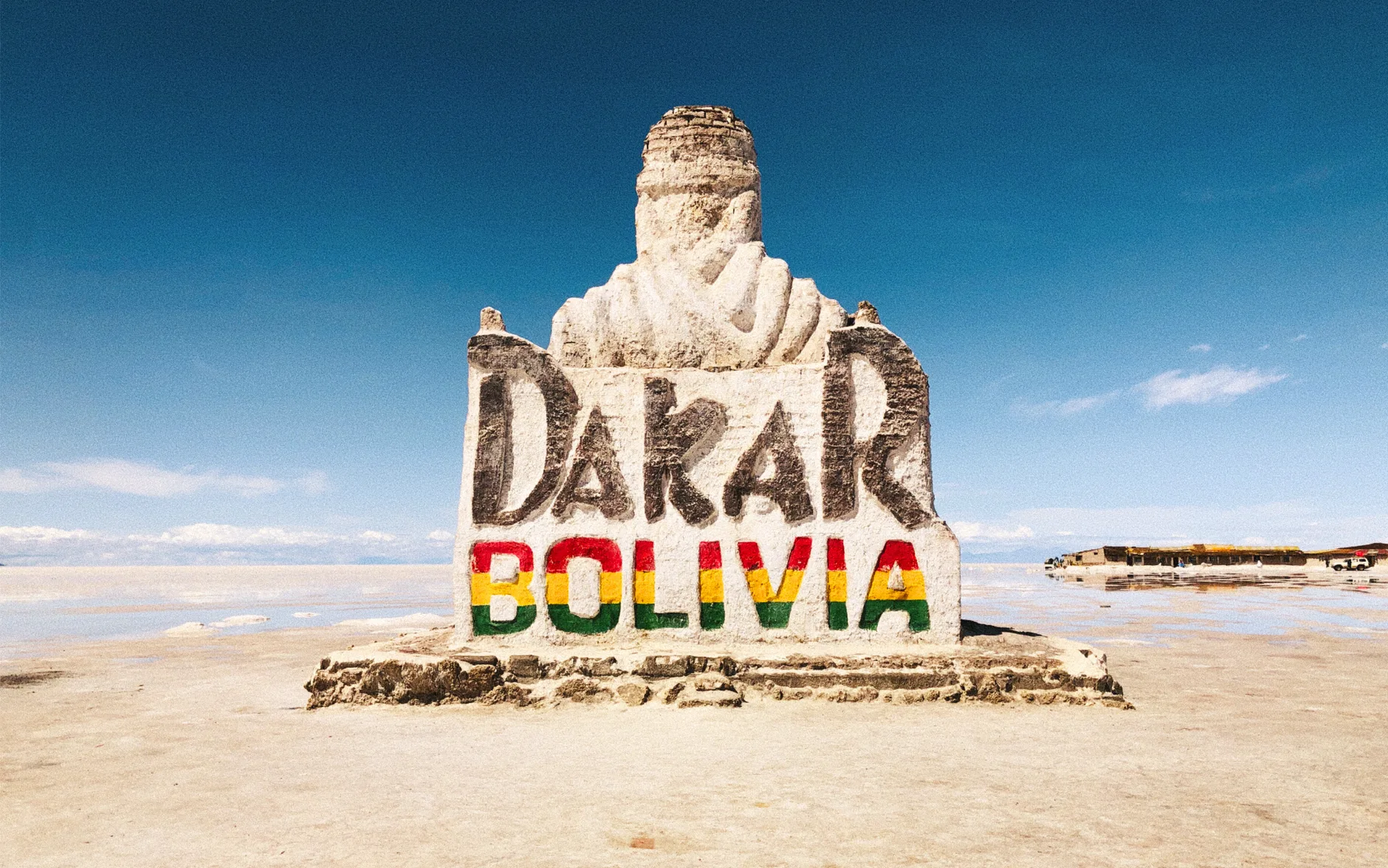
Photo by Nicolas Orellana on Pexels
Dawn in Uyuni smells of diesel and instant coffee. Jeeps line up along Avenida Ferroviaria before sunrise, drivers lashing jerry cans and spare tyres to roof racks while groups in borrowed alpaca jumpers stamp their feet against the cold. The town itself has little to recommend it beyond function — a grid of unpaved streets, a handful of pizza-and-pasta tourist restaurants, and a disused steam-engine graveyard on its outskirts — but it is the gateway to one of the strangest landscapes on the continent, and for travellers working a tight budget, one of the most efficient.
Salar de Uyuni, the world’s largest salt flat at roughly 10,000 square kilometres, sits at 3,650 metres in Bolivia’s southwest, and it rewards low-cost travel almost by design. Public buses are cheap, tour operators compete hard on price, and the region beyond the salt — the mining city of Potosí, the colonial calm of Sucre, the altiplano lagoons toward the Chilean border — forms one of South America’s most rewarding overland routes for anyone willing to trade a little comfort for a lot of landscape.
Getting to Uyuni: the routes that matter
Most independent travellers arrive by bus. From La Paz, several companies — Todo Turismo and Trans Omar among the more reliable — run overnight services (10–12 hours, roughly $15–25) along a route that’s now largely paved, though the final stretch into Uyuni can still rattle. From Sucre, the journey is shorter (around 7–8 hours) and from Potosí shorter still (3–4 hours), making a Sucre–Potosí–Uyuni progression the most logical way to build the trip rather than treating Uyuni as an isolated side quest.
There’s also a train — the Expreso del Sur, running a few times a week between Oruro and Uyuni — slower in practice than the bus but a pleasant alternative if the schedule aligns, and worth checking directly rather than relying on secondhand information, since Bolivian rail timetables shift with the seasons.
Coming from Chile, the crossing works in reverse: tours from San Pedro de Atacama run three-day salt flat circuits ending in Uyuni, or Bolivia-bound, starting there. This is the route most worth knowing about if you’re combining countries, since the Hito Cajón border post sits at over 4,400 metres and crossings happen by jeep, not by scheduled bus — something covered in more detail in our guide to budget travel in Chile’s Atacama and Patagonia, which works well as a companion read if you’re stitching the two countries together.
The salt flat tour: what you’re actually buying
Almost everyone sees the Salar via an organised jeep tour, and almost everyone books it in Uyuni itself rather than in advance — agencies here undercut anything bookable online, and seeing the actual vehicle and meeting the driver before handing over cash is standard practice, not paranoia. A one-day tour (around $25–35) covers the essentials: the Train Cemetery just outside town, the Salar’s dry season mirror-flat expanse, Incahuasi Island with its cactus forest rising absurdly out of white salt, and the obligatory perspective photos that look better in person than they sound on paper.
The three-day tour into the wider Southwest Circuit ($120–180, depending on season and group size) is where the trip earns its reputation. It pushes south into Laguna Colorada, a lake stained rust-red by algae and sediment, thick with James’s flamingos that seem unbothered by the cold; the Sol de Mañana geysers, which you’ll visit at an uncivilised hour because the steam vents are most active before sunrise; and the Dalí Desert, a stretch of altiplano so surreal in its rock formations that the name isn’t hyperbole. Nights are spent in basic salt-brick hostels with patchy electricity and genuinely cold rooms — pack for sub-zero temperatures even in the dry season, since nights at this altitude drop hard regardless of daytime warmth.
The honest caveat: safety records among budget operators vary, and there have been incidents over the years involving driver fatigue and vehicle maintenance on remote tracks. Choosing an agency registered with the local tourism office, checking reviews from the last six months rather than the last six years, and avoiding the absolute cheapest quote in high season are reasonable precautions rather than overcaution.
| Tour type | Duration | Typical cost | Highlights |
|---|---|---|---|
| Sunset/day tour | 1 day | $25–35 | Train Cemetery, Salar, Incahuasi Island |
| Classic circuit | 2 days | $70–100 | Above plus salt hotel stay, sunrise on the flat |
| Southwest Circuit | 3 days | $120–180 | Laguna Colorada, geysers, Dalí Desert, hot springs |
| Uyuni–San Pedro (one-way) | 3 days | $150–200 | Same route, ending/starting in Chile |
Crossing into Chile via the altiplano
For travellers heading onward rather than back to La Paz, ending the three-day circuit in San Pedro de Atacama rather than returning to Uyuni is the more interesting option, and costs roughly the same. The border crossing at Hito Cajón happens mid-tour, at altitude, with minimal infrastructure — just a small immigration post and a lot of wind. Bring your passport stamped from both sides properly; skipping this step causes real problems leaving Chile later. Bus travel in South America generally runs on a looser relationship with published timetables than visitors expect, and this stretch is no exception — our honest guide to bus travel in South America covers the wider pattern of delays, overbooking, and informal departure times that catch first-time travellers off guard.
Potosí: the mountain that eats men
Two to three hours from Uyuni by bus sits Potosí, once among the richest cities on earth thanks to the silver deposits of Cerro Rico, the mountain looming over it. The silver mostly ran out centuries ago, but mining continues — now mostly for zinc and tin — and visiting an active mine with a former miner as a guide is the city’s signature (if ethically complicated) experience. Tours cost around $15–20, involve crawling through narrow tunnels in extreme heat, and end with a stop to buy coca leaves and 96% alcohol as gifts for miners still working inside — a local custom, not a tourist gimmick. It’s not an easy visit, and operators vary wildly in how responsibly they run it; asking pointed questions before booking is worthwhile. Potosí’s historic centre, with its colonial mint (the Casa de la Moneda) and baroque churches, is recognised by UNESCO as a World Heritage Site for the extraordinary scale of its colonial-era silver economy — worth a half-day wander even without the mine tour.
Sucre: the pause the trip needs
Sucre, Bolivia’s constitutional capital, is whitewashed, walkable, and considerably gentler than Potosí or La Paz — a good place to slow the pace for a few days. The Mercado Central is the place for a cheap, substantial lunch (a set menu rarely runs more than $2–3), and the city has a strong tradition of short Spanish-language courses, making it a popular stop for travellers wanting to combine budget travel with study. Parque Cretácico, on the city’s edge, protects a wall of dinosaur footprints discovered in a working cement quarry — an odd, genuinely worthwhile detour that most itineraries skip entirely.
La Paz and Lake Titicaca: the bookends
Most trips begin or end in La Paz, a city that spills down a canyon at an elevation that leaves most visitors short of breath on arrival. The Mercado de las Brujas (Witches’ Market) near Calle Linares sells dried llama fetuses and herbal remedies alongside more conventional souvenirs, and the cable car network — Mi Teleférico — is the cheapest, best city tour in South America, offering views over the sprawl for less than a dollar a ride. From La Paz, Copacabana sits roughly three hours away on the shore of Lake Titicaca, and from there, boats cross to Isla del Sol, where Inca ruins and terraced hillsides make for a slow couple of days with no roads and no cars — a deliberate antidote to the jeep-and-schedule rhythm of the salt flat circuit.
Costs, altitude, and timing
Bolivia remains one of South America’s cheapest countries to travel in, and the salt flat region doesn’t change that math much — a daily budget of $25–35 covers hostel dorms, local meals, and short transport hops comfortably, with the salt flat tour itself as the one significant line-item expense. Altitude is the bigger practical concern than cost: Uyuni, La Paz, and Potosí all sit above 3,600 metres, and the Southwest Circuit climbs higher still. Spending a couple of acclimatisation days in La Paz or Sucre before attempting the tour reduces the risk of altitude sickness considerably, and coca tea, widely available and entirely legal, does genuinely help.
The dry season, May to November, is the standard window — the Salar is a cracked white expanse rather than a mirror, which some travellers prefer for photography anyway, since the mirror effect requires a thin layer of rainwater typically found December to April. Rainy season visits trade the famous reflection shots for muddier roads and occasional tour cancellations.
The Bottom Line
Treat Uyuni as a hub, not a destination in itself — the town has little charm, but it’s the logistics centre for everything worth seeing in the region. Book your jeep tour in person once you arrive rather than online in advance, inspect the vehicle, and resist the cheapest quote if it seems implausibly low. Build in Potosí and Sucre rather than skipping straight to the salt flat, since both offer more texture and far fewer crowds than the Salar itself. If you’re combining countries, ending the Southwest Circuit in San Pedro de Atacama rather than looping back to Uyuni saves a day and opens up Chile’s desert region without extra transit cost. And whatever else you cut from the budget, don’t cut the acclimatisation days — altitude here is the one thing money can’t fix.
Keep reading: Compare routes with budget travel in Chile’s Atacama and Patagonia