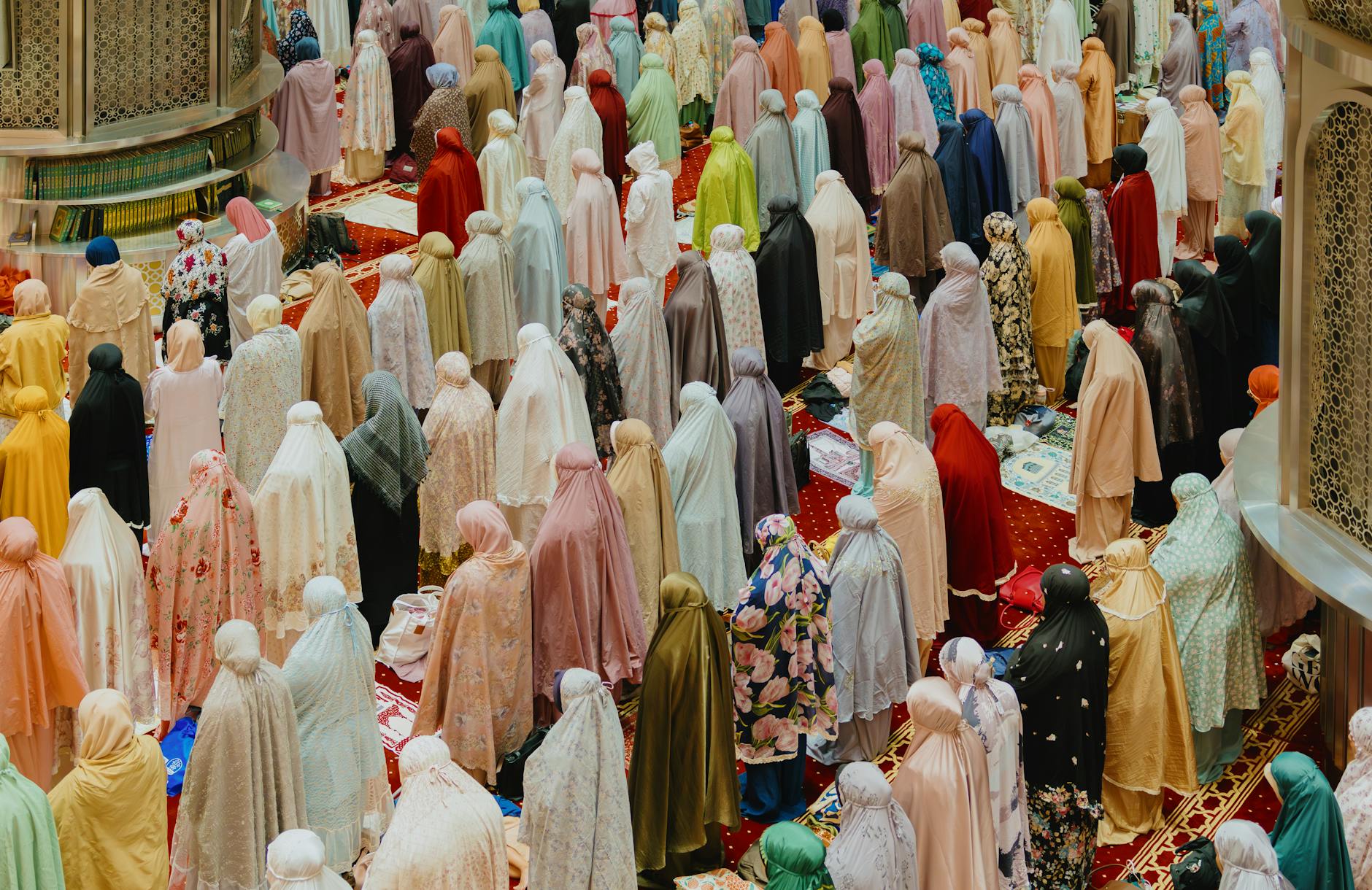
Spending Ramadan in a Muslim Country as a Tourist: An Honest Guide
The call to prayer finishes, and the street goes quiet for about four seconds. Then the clatter of pots, the hiss of oil, the low collective exhale of an entire neighbourhood breaking its fast. In Fès’s medina, on the evening of iftar — the sunset meal ending the daily fast — the light turns amber, vendors materialise from nowhere, and the air smells of harira soup, cumin, and something frying in sugared batter.
Twenty minutes earlier, the same street was almost silent: shutters down, a man asleep on a stool outside his own locked shop, nobody moving faster than they had to. Ramadan does that to a place. It compresses the day into two very different halves and asks visitors to notice the difference, whether they intend to or not.
Ramadan 2026 is expected to begin around 18 February and run until approximately 19 March, with the exact start and end dates confirmed only a day or two in advance by local moon-sighting committees — so if you’re booking flights for late February, build in a day’s flexibility either side. Most travel advice on Ramadan falls into two unhelpful camps: “avoid it, everything’s shut” or “go, it’s magical.” Neither tells you what you actually need to know to plan a trip. Here’s the version with the logistics left in.
What Actually Changes — and What Doesn’t
Observant Muslims fast from suhoor (the pre-dawn meal) until maghrib (sunset), abstaining from food, water, and smoking during daylight hours. In countries where this is widely observed — Morocco, Jordan, Indonesia among them — it reshapes the entire public day.
Expect shorter hours almost everywhere that isn’t tourist-facing. Government offices in Morocco typically run 9am–3pm instead of the usual split day. Banks in Amman often close by 2pm. Many medina restaurants in Fès don’t open until an hour before iftar, then stay open late into the night. Traffic in the final 30 minutes before sunset turns genuinely chaotic — in Amman and Casablanca alike, drivers race to get home, and taxis become hard to flag between 5.30 and 6.30pm.
What doesn’t change: major tourist sites, international hotels, and airports run close to normal hours. Petra’s gates still open at dawn. Marrakech’s Jemaa el-Fna square is busy by day and becomes genuinely electric after dark. The daytime tourist economy in these corridors barely notices Ramadan — which means you can visit during the month and, if you stay inside that bubble, barely notice it either. That would be a shame, because the parts you’d miss — the hush of a 4pm street, the shared plates at iftar, the markets that only exist for these four weeks — are the actual reason to come now rather than in October.
Three Countries, Three Rhythms
Not all Ramadan observance looks the same, and the differences matter for planning.
Morocco observes strictly, especially outside Casablanca and Rabat. Fès and Meknès are where it’s most felt. In Fès’s Bou Jeloud neighbourhood, the half hour before maghrib turns the street into something close to theatre: women carry trays of msemen flatbread home from communal ovens, children run ahead toward the mosque, and stalls selling chebakia (honey-sesame pastries) and dates appear on corners that were empty an hour before.
Jordan is looser in enforcement. In Amman’s Weibdeh and Rainbow Street areas, some cafés quietly serve coffee and food to tourists during the day — ask rather than assume. Aqaba, as a special economic zone, keeps different rules entirely, including alcohol sales. The best Ramadan experience in Jordan isn’t in the capital, though: it’s in Madaba, where family-run restaurants serve iftar at long shared tables and a solo traveller is simply folded into whichever group has a spare seat.
Indonesia — specifically Java and Lombok, not Hindu-majority Bali — observes Ramadan with less rigidity than the Gulf but real warmth. In Yogyakarta’s Kauman neighbourhood, beside the Kraton palace, nightly takjil markets sell iftar snacks explicitly to anyone who wants them: kolak (banana and jackfruit in coconut milk), es buah (iced fruit drink), martabak (stuffed savoury pancake). Street food, not restaurants, is the better daytime bet here.
| Morocco (Fès/Meknès) | Jordan (Amman/Madaba) | Indonesia (Yogyakarta/Lombok) | |
|---|---|---|---|
| Daytime observance | Strict; most local eateries shut | Moderate; some cafés discreetly open | Relaxed; street food widely available |
| Alcohol availability | Reduced even in licensed hotels | Normal in Aqaba; limited in Amman | Normal in tourist areas (not religious obligation locally) |
| Best iftar experience | Bab Bou Jeloud square, Fès | Family restaurants, Madaba | Kauman takjil market, Yogyakarta |
| Typical iftar cost | 25–50 MAD (£2–4) | 4–8 JD (£4–9) | 30,000–60,000 IDR (£1.50–3) |
| Daytime heat factor | Mild, 18–22°C | Can reach 25°C by midday | Humid, 28–32°C |
| Tourist site hours | Mostly unchanged | Petra unchanged; some museums shortened | Mostly unchanged |
Eating and Drinking as a Tourist, Without Causing Offence
The baseline etiquette is simple: eat and drink discreetly during fasting hours, don’t smoke in front of people who are fasting, and dress a notch more conservatively than you otherwise would — shoulders and knees covered, even at the beach towns.
In practice, this is easier than it sounds. In Morocco, food is available in your hotel, in Western-style cafés (more common in Rabat and Casablanca than in Fès), and in tourist restaurants that serve quietly behind curtained windows. Carry a snack bar if you’re walking the medina in the afternoon — not because you’ll starve, but because finding a sandwich at 2pm in Fès’s old city takes real effort. Drink water in a doorway or courtyard rather than visibly on the street.
Eating a shawarma on a busy downtown Amman street at noon during Ramadan will draw stares in a way that eating the same shawarma in your hotel room won’t. It’s not illegal, and nobody will stop you — it’s simply a small, easily avoided discourtesy in a place where almost everyone around you hasn’t eaten since before dawn.
Iftar is different. It’s not a meal to eat discreetly — it’s the meal of the day, and tourists are generally welcome to share in it. The cooking isn’t simplified for the season; if anything, it’s the most purposeful cooking of the year, because an entire household has been thinking about this one meal since breakfast didn’t happen.
Where to Position Yourself for Iftar
Skip the hotel restaurant on iftar evenings unless logistics force it. Go to where families actually eat.
Fès, Morocco — the square in front of Bab Bou Jeloud fills from about 30 minutes before maghrib. Take a plastic chair at one of the no-name soup stalls and order harira (tomato-lentil soup), a small bowl of dates, and chebakia. Total cost: 25–40 MAD (roughly £2–3). The stalls don’t take reservations and don’t need to; there’s always another chair.
Amman, Jordan — Hashimi Street in downtown Amman, near the Roman Theatre, is where older working-class neighbourhoods break their fast on mansaf (lamb and rice in fermented yoghurt sauce) and maqluba (upside-down rice and chicken). Expect to pay 4–6 JD for a full plate. If you’re staying near Rainbow Street, Al-Quds restaurant does a reliable set iftar menu aimed partly at visitors, which is a gentler entry point if the downtown scene feels like too much too fast.
Yogyakarta, Indonesia — the Kauman takjil market, a five-minute walk from the Kraton’s main gate, runs nightly throughout the month. Budget 30,000–60,000 IDR (£1.50–£3) for a full spread of snacks, enough to make a proper meal if you sample widely rather than filling up on one stall.
Getting There and Moving Around
Transport schedules shift during Ramadan in ways worth planning around, not just reacting to.
In Morocco, ONCF trains between Casablanca and Fès (roughly 4 hours, from around 140 MAD second class) run close to normal timetables, but CTM intercity buses sometimes consolidate evening departures around iftar, meaning fewer buses between 6pm and 8pm and a crush immediately after. Book daytime departures where possible, or expect a late-evening wait at the gare routière.
In Jordan, JETT buses from Amman to Petra (about 3.5 hours, roughly 10 JD one way) run on a normal schedule, but the driver and most passengers will stop for a quick break at maghrib if the timing coincides — build an extra 20–30 minutes into any journey that crosses sunset. Taxis in Amman become genuinely scarce in the 45 minutes before iftar; if you need to be somewhere at 6pm, arrange transport well before 5.15pm.
In Indonesia, intercity trains from Jakarta to Yogyakarta (around 7–8 hours, from roughly 300,000 IDR in economy) run unaffected, but stations get busier in the final week of Ramadan as people travel home for Eid — known locally as mudik. Avoid booking the three days either side of Eid al-Fitr itself unless you enjoy fully booked trains and roads at a standstill.
The Alcohol Question, Honestly
Rules vary far more by country, and even by zone within a country, than most guides admit. In Morocco, licensed restaurants and hotel bars in cities like Marrakech and Casablanca generally keep serving alcohol through Ramadan, though some reduce hours or move service out of public view; smaller towns and medina-adjacent bars may simply close for the month. In Jordan, Aqaba’s special economic zone status means alcohol remains freely available in hotels and restaurants there, while Amman is patchier — some Western-style bars in Abdoun and Weibdeh stay open, others shut for the month entirely. In Indonesia, alcohol isn’t governed by Ramadan observance the way it is in the Middle East or North Africa, since it isn’t a Muslim-majority obligation issue in the same legal sense — tourist areas in Yogyakarta and Lombok’s Gili Islands pour normally throughout.
The practical takeaway: if a drink at the end of the day matters to your trip, check your specific hotel and city rather than the country as a whole. A blanket assumption either way will be wrong somewhere.
Laylat al-Qadr, Eid al-Fitr, and Timing Your Visit
The last ten days of Ramadan intensify everything. Laylat al-Qadr (the Night of Power, falling on one of the odd-numbered nights in this final stretch — most commonly marked on the 27th night) brings larger crowds to mosques for night-long prayer, and cities feel busier and more charged after dark. This is a remarkable time to be out in the evening in places like Fès or Amman, but a difficult time to get hotel rooms near major mosques without booking weeks ahead.
Eid al-Fitr, the three-day festival marking the end of the fast, follows immediately and effectively shuts down normal commercial life — shops close, families travel, and transport gets booked solid. If your trip has flexibility, arriving in the first two or three weeks of Ramadan rather than the final week gives you the atmosphere without the Eid-adjacent transport chaos.
The Bottom Line
- Ramadan rewards travellers who adjust their rhythm, not just their itinerary. Plan afternoons for quiet activities — museums, hammams, slow walks — and treat the two hours around sunset as the main event, not an inconvenience.
- The three countries aren’t interchangeable. Morocco demands the most daytime discretion; Jordan sits in the middle depending on neighbourhood; Indonesia is the most relaxed of the three for casual tourists.
- Iftar is the best, cheapest meal you’ll find all year — 25–40 MAD in Fès, 4–8 JD in Jordan, under £3 in Yogyakarta — and it’s one tourists are generally welcomed into, not excluded from.
- Transport doesn’t stop, but it bunches. Build 20–30 minutes of slack around any journey crossing sunset, and avoid travelling in the three days surrounding Eid al-Fitr entirely if you can help it.
- Alcohol access is hyper-local, not national. Check the specific hotel or district, especially in Jordan, rather than assuming a blanket rule across the whole country.