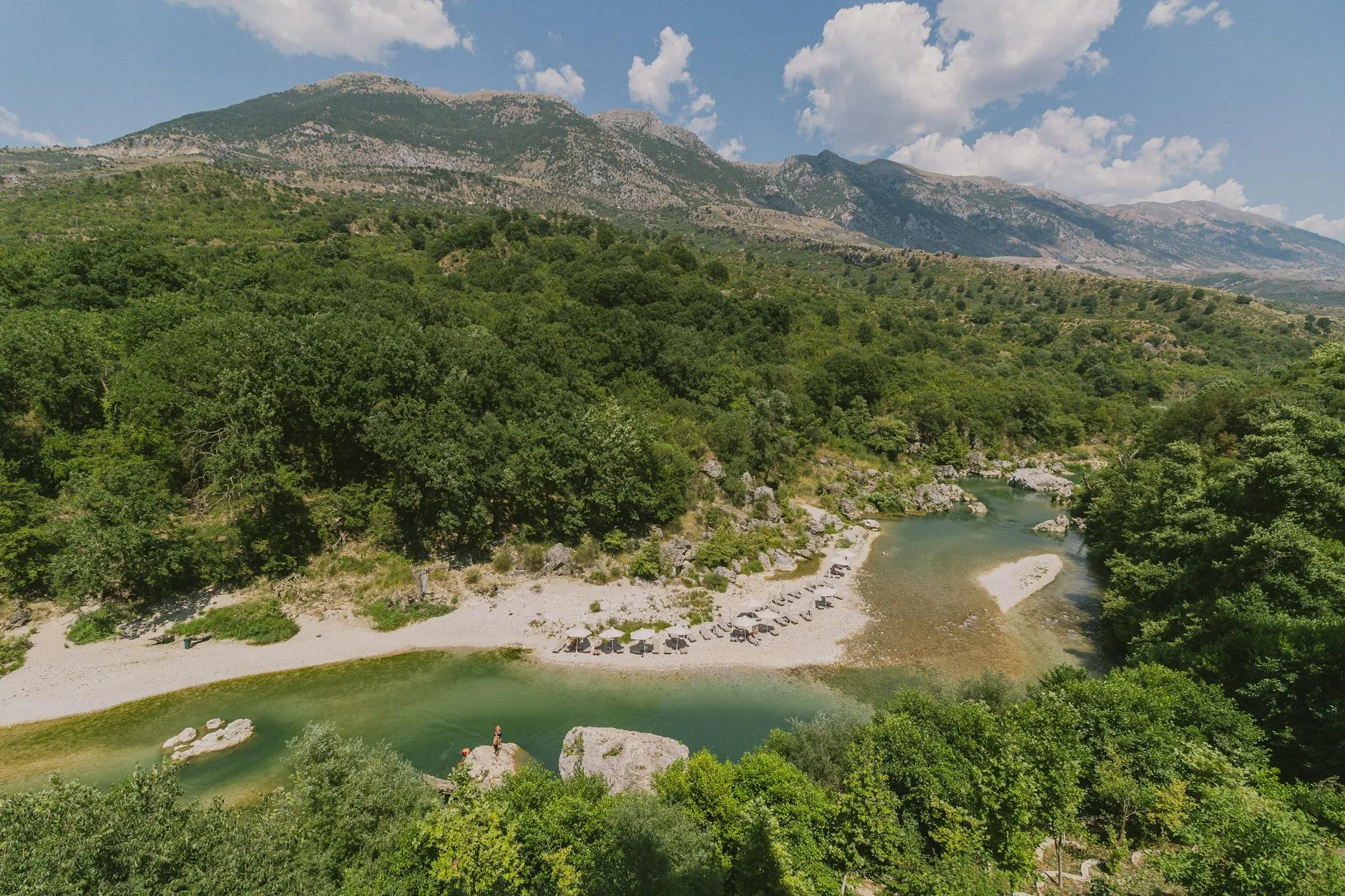
Budget travel in Albania: Europe’s last hidden gem
The furgon to Berat leaves Tirana’s Kombinat neighbourhood at no fixed time — it goes when it’s full. You sit on a plastic seat, a bag of groceries on your lap belonging to someone else, the radio playing Albanian pop at full volume. The fare is 400 lek, roughly €3.50. Outside the window, the Myzeqe plain gives way to the Tomorr massif, and within ninety minutes you’re dropping into a valley of Ottoman-era towers and white-washed houses stacked against a cliff. Nobody is selling you anything. Nobody is taking your photo. This is Albania in 2026: affordable, genuinely welcoming, and still largely uncurated.
Albania sat sealed for decades under one of the most paranoid communist regimes in history, which means it missed the wave of package tourism that shaped its Balkan neighbours. Infrastructure is patchy in places, signage is sometimes nonexistent, and the country is still building the confidence to present itself to the world. That lag is precisely what makes it compelling — and cheap. A full day of eating, travelling, and sleeping can come in well under €35 even in the peak summer season.
What follows is a practical route through the country’s best experiences, with real costs, real transport, and honest accounts of what you’ll find.
Getting there and getting around
Most visitors fly into Tirana Nënë Tereza International Airport (TIA), roughly 17km northwest of the city centre. Budget carriers including Wizz Air, easyJet, and Ryanair serve Tirana from London, Rome, Vienna, and Istanbul, often for under €60 one way if booked six to eight weeks ahead. From the airport, official taxis to the city run around €20–25; the Rinas Express shuttle bus costs 300 lek (under €3) and drops you near the National Museum.
Within Albania, the main options are:
- Furgons: shared minivans that depart when full from informal stands near city bazaars. They cover most intercity routes, cost between 200–600 lek, and are the fastest way to travel short distances. There’s no app, no schedule — ask locally the night before.
- State buses (Albbus and regional operators): slower, slightly more predictable, and also cheap. Tirana to Shkodër costs around 400 lek by bus.
- Car rental: from around €25/day for a small manual. Roads in the highlands — particularly around Valbonë and the Accursed Mountains — can be rough, and an SUV is worth the upgrade (€45–60/day). International driving licences are accepted.
- Ferries: the Finiqi Line operates a ferry from Sarandë to Corfu (35 minutes, around €19 one way), making a Greece–Albania loop straightforward. The Adriatic ferry from Durrës to Bari runs overnight and costs from €45 deck class.
For Balkans travellers combining Albania with Montenegro, North Macedonia, or Kosovo, the night train travel Europe guide is worth reading — rail connections in the region are limited but improving, and understanding the broader network helps with route planning.
Tirana: beyond the Blloku bars
Tirana is louder and more chaotic than most European capitals, and it rewards slow, aimless walking. Start in Blloku, the neighbourhood that was once reserved exclusively for Communist Party elites and only opened to the public in 1991. Today it’s full of cafés, murals, and the concrete villa of Enver Hoxha, preserved almost exactly as it was. The Bunk’Art 2 bunker museum on Rruga Abdi Toptani (600 lek entry) goes deep underground into the Sigurimi secret police’s operational headquarters — claustrophobic, unsettling, and one of the most honest presentations of totalitarian history anywhere in Europe.
The New Bazaar (Pazari i Ri) in the centre has been rebuilt and expanded but still functions as a working market: goat cheese wrapped in cloth, dried figs, fresh raki sold from unlabelled plastic bottles. Come before 9am for the full produce section. For a practical guide to making the most of food markets as a traveller, the best local food markets in Europe article covers what to look for and how to eat well without overpaying.
Budget accommodation in Tirana runs €12–20 for a hostel dorm, €30–50 for a clean private room with breakfast. Milingona Hostel in Blloku and Freddy’s Hostel near Skanderbeg Square are both well-regarded for their information on onward travel.
Berat and the UNESCO south
Berat is often called the City of a Thousand Windows, and the Ottoman-era upper town — Mangalem on one slope, Gorica across the river — justifies the label. The castle district at the top is still inhabited, not a museum set-piece, and the Church of St. Mary of Blachernae inside the walls contains Byzantine icons that survived both Ottoman conversion and Communist-era destruction. Entry to the castle area is free; the Onufri Museum of icons inside costs 200 lek.
Below the castle, in Mangalem, eat at one of the small restaurants on the main cobbled lane — look for tavë kosi (baked lamb with yoghurt and egg, a national dish), byrek (flaky pastry stuffed with spinach or cheese), and grilled offal plates that cost 400–700 lek. The local white wine from the Berat winery is drinkable and cheap; a bottle at a restaurant is rarely more than 800 lek.
From Berat, furgons south reach Gjirokastër in around three hours (500 lek). Gjirokastër’s old town is another UNESCO site — stone towers, steep alleyways, the eerie Cold War Museum in a captured American U-2 spy plane. The bazaar quarter has a handful of guesthouses charging €20–35 for a double room with views across the valley.
The Albanian Riviera: less polished, genuinely beautiful
The Ionian coast between Vlorë and Sarandë is the stretch that travel writers have been breathless about for a decade — and the hype is not entirely wrong, though development is catching up faster than expected. The town of Himarë sits between two beaches (the main town beach and the quieter Spilea cove) and still has a working fishing fleet alongside the beach bars. In July and August, prices spike and the coast gets busy; May, June, and September are significantly better.
Dhermi is the most scenically dramatic village, perched on a cliff above a turquoise bay with an hour-long walk down to the beach. The road south from Dhermi to Palasë and then Borsh (Europe’s longest pebble beach, largely empty outside peak season) is best done by car or on the infrequent furgon that runs the coastal road once or twice a day.
Sarandë, the southernmost resort town, is livelier and more developed — useful as a base or departure point for the Corfu ferry, but not where you’ll find quiet. Budget rooms in Himarë and Borsh run €25–45 per night for a double in peak season; in shoulder season, you’ll negotiate down.
The Albanian Alps: Valbonë and the Peaks of the Balkans
The Accursed Mountains (Bjeshkët e Namuna) in northern Albania are among the least-visited mountain landscapes in Europe, which is both an asset and a logistical reality. The main entry point is Shkodër, reached by furgon from Tirana in about 2.5 hours (400 lek). From Shkodër, a ferry runs up Lake Koman to the village of Fierza — a three-hour crossing through a drowned valley of extraordinary scale, with limestone walls rising 300 metres from the water. The ferry runs once daily (500 lek; book the day before at the Koman jetty). From Fierza, shared vehicles or occasional furgons reach Valbonë in about 45 minutes.
The Valbona–Theth trail is the region’s signature walk: a 6–7 hour crossing of the Valbona Pass (1,800m) into the traditional village of Theth, with its stone tower houses, cold river pools, and the Grunas waterfall. The trail is well-worn and marked, but carries real mountain weather risk; start early, carry layers, and check conditions locally the night before. There are no rescue services to speak of. Guesthouses in both Valbonë and Theth charge €15–25 per person half-board — local food, home-grown vegetables, raki at dinner.
From Theth, a daily furgon departs around 7am for Shkodër (around 1,200 lek; book through your guesthouse). This is one of the most corrugated roads in the Balkans — two hours of switchbacks and river fords that have been partially improved but remain a genuine adventure.
What things actually cost: a realistic breakdown
| Item | Budget option | Mid-range |
|---|---|---|
| Hostel dorm (Tirana) | €12–15 | — |
| Private room (guesthouse) | €20–30 | €45–65 |
| Furgon (intercity) | €2–5 | — |
| Meal at local restaurant | €4–8 | €10–18 |
| Espresso (macchiato) | €0.80–1 | — |
| Local beer (500ml) | €1.50–2.50 | — |
| Raki (shot, restaurant) | €0.50–1 | — |
| Lake Koman ferry | €4.50 | — |
| Daily budget (realistic) | €30–40 | €60–80 |
The Albanian lek (ALL) is the currency; in 2026, €1 ≈ 103–106 lek. Euros are widely accepted in tourist-facing businesses but you’ll pay more — always pay in lek where possible.
Practical considerations before you go
Visas: Citizens of the EU, UK, US, Canada, and Australia can enter visa-free for up to 90 days. No visa on arrival fee. Check the Albanian e-Albania government portal for current entry requirements, especially if arriving overland from Kosovo or North Macedonia where passport stamps differ.
Health: Tap water quality varies; bottled water is cheap and widely available. No mandatory vaccinations, but hepatitis A is recommended for extended trips. EU EHIC cards are accepted at state hospitals, though coverage is inconsistent — travel insurance is worth having.
Language: Albanian (Shqip) is unrelated to any other European language, which makes learning basics slow but appreciated. “Faleminderit” (thank you) and “Mirëdita” (good day) go a long way. English is widely spoken in Tirana and coastal towns; less so in rural highland areas. Italian is often understood in the south due to television and migration history.
Safety: Lonely Planet’s Albania overview notes that petty crime is low by European standards. The main practical hazard is road conditions — drive carefully at night, particularly on mountain roads. The blood feud tradition (Kanun) is a historical footnote rather than a contemporary concern in most areas, though it persists in isolated highland regions.
Best season: May–June and September–October balance warm weather, manageable crowds, and lower prices. July and August are hot (35°C+ on the coast), busy, and 20–40% more expensive.
The bottom line
- Albania is one of the cheapest countries in Europe to travel, but “cheap” doesn’t mean sparse — the food, landscapes, and historical depth are genuinely substantial. A realistic daily budget of €35–45 covers accommodation, meals, transport, and entry fees with room to spare.
- The furgon network is your main tool: irregular, unscheduled, and perfectly functional. Ask at your guesthouse the evening before, show up early, and factor in extra time.
- The coast is real but peaks in July–August: if you want Himarë or Dhermi without the beach-bar atmosphere, come in May or September.
- The Valbonë–Theth trail is worth the logistical effort: the Lake Koman ferry, the mountain crossing, and the guesthouse half-board in Theth is a genuinely memorable three-day sequence for a fraction of what comparable alpine routes cost elsewhere.
- Albania pairs naturally with its neighbours: a two-week loop through Tirana, the Albanian Alps, Kosovo’s Prizren, and then south to the Riviera is achievable overland on a tight budget — Georgia, a similarly priced destination in the former Eastern Bloc, offers comparable budget travel dynamics if you want a second reference point for planning.
Keep reading: How to travel slowly through the Balkans by train