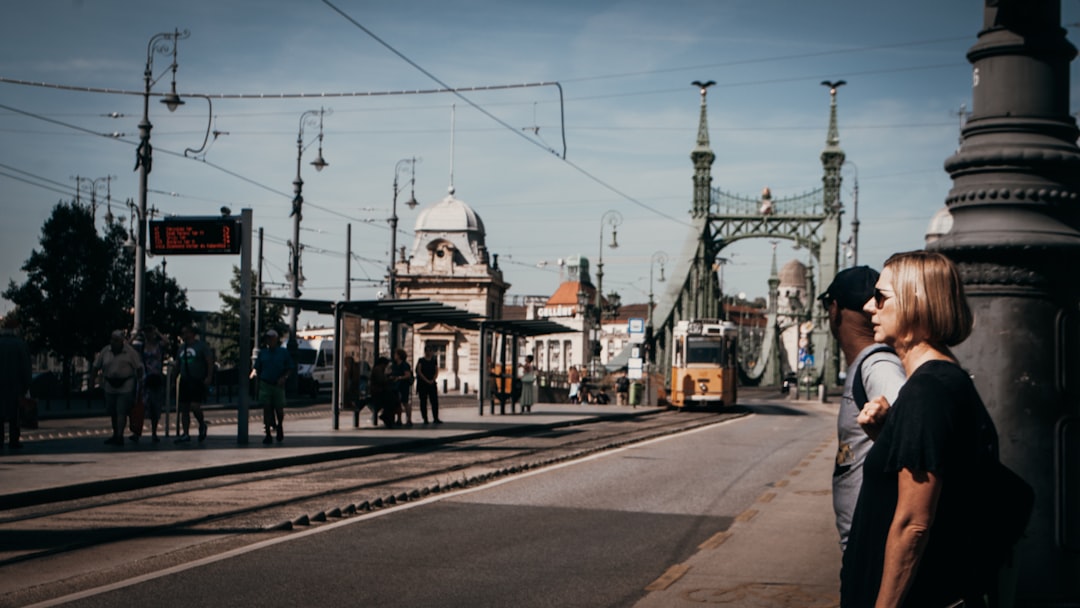
Photo by Nelson Wong on Unsplash
The Balkans by Train: A Route That Reveals What Buses Miss
The train climbs out of Belgrade slowly, pulling away from the industrial outskirts and into rolling countryside. You’re heading south toward Sarajevo, watching the landscape change from the Pannonian plain to the mountains that define the region. This is how you understand the Balkans — not flying between capital cities, not rushing on highways, but moving slowly enough to see the geography, the towns between the main cities, and the way the landscape determines settlement.
The Balkans is shaped by difficult terrain. Mountains run through it. Rivers cut gorges. Roads are slow. Trains are slower still but follow those rivers and mountain passes, meaning you see what determines how people actually live. A train journey through the Balkans takes weeks and covers maybe 1,500 kilometers — a pace that rewards paying attention.
The Route: Belgrade → Sarajevo → Mostar → Kotor → Tirana → Ohrid → Skopje → Sofia
This route works if you have 3–4 weeks. It can be compressed to 2 weeks if you move faster (skip some stops, take buses instead of trains). It can be expanded indefinitely if you slow down further.
Belgrade (Serbia) is the starting point. Spend 2–3 days. The city is on the Danube, chaotic, energetic, much less touristy than Western Europe. The main attraction is the Kalemegdan Fortress (free entry, views of the Danube confluence). Walk the Bohemian neighbourhoods (Bajrakli, Zerajic). Eat cevapcici (grilled meat sausages) everywhere for 150–250 RSD ($1.25–2.10). Stay in a hostel (1,200–2,000 RSD/$10–17) or local hotel.
Train from Belgrade to Sarajevo: Belgrade Train Station to Sarajevo — overnight train or two daytime trains with a connection in Nis. Total: 12+ hours depending on the route. Cost: 3,000–5,000 RSD ($25–42) depending on class. The train is slow but follows the Dinaric Mountains, which is the point. Night trains are comfortable if you pay for a sleeper (more cost, less packing strain).
Sarajevo (Bosnia and Herzegovina): Spend 3 days. The city is built in a valley where the Miljacka River winds. It’s layered — Ottoman architecture, Austro-Hungarian buildings, newer post-1990s war reconstruction. Visit the Baščaršija (old bazaar, with small shops, cafés, mosques), walk across the Sebilj fountain (famous photo spot, also genuinely pleasant). Food is excellent — burek (pastry filled with meat or cheese), ćevapčići (meat sausages), pita (everything-filled pastry). Cost: 50–150 KM ($25–75 per day) for budget accommodation and food.
The train journey itself is worth as much as the city. The approach into Sarajevo, descending through mountains into the valley, is dramatic. Spend time on the train platform watching people. Sarajevo train station is functional, atmospheric, and reveals how people actually move through the region.
Train from Sarajevo to Mostar: No direct train. Bus is better (1.5 hours, 15 KM/$7.50, regular departures from the main bus station). Or split the journey: train Sarajevo to Čapljina (4 hours, 10 KM/$5), then bus or minibus Čapljina to Mostar (30 minutes, 5 KM/$2.50).
Mostar (Bosnia): Spend 2 days. The city is famous for the Stari Most (Old Bridge), a 16th-century Ottoman arch bridge rebuilt after the 1990s war. The bridge is genuinely beautiful and the symbol of Mostar. Beyond the bridge, the city is functional and less touristy than Sarajevo. Walk the old town, eat burek and coffee in the bazaar, swim in the Neretva River (summer months). Cost: 50–100 KM ($25–50) per day.
Mostar to Kotor requires careful routing. No direct train. Options: Bus Mostar → Ploče (2 hours, 15 KM/$7.50) → Bus Ploče → Kotor (2.5 hours, 25 KM/$12.50). Or: train Mostar to somewhere south (Čapljina area) and connect from there. The routing changes seasonally and based on current schedules. Check Balkan Trains for current options (or ask at the Mostar train station).
Kotor (Montenegro): Spend 2–3 days. Kotor is a medieval Venetian town built on the Bay of Kotor, a fjord-like inlet that’s stunning. The old town is walled, compact, walkable. The Serpentine Road climbs steeply behind the town (hiking or driving). Swim in the bay (summer). The town is picturesque and popular, but also genuine — locals live here, it’s not purely a tourist construct. Cost: 50–80 EUR ($55–88) per day (accommodations and food are more expensive here than Bosnia).
Kotor to Tirana: No train. Bus Kotor → Tirana (8–10 hours, $15–25, overnight options available) or fly Tirana Airport from the coast. The bus route is scenic, crossing the coast and then climbing into Albania. It’s slow and atmospheric. Overnight buses save accommodation cost but involve a night of sleep deprivation. The trade-off depends on whether you value speed or budget.
Tirana (Albania): Spend 2 days. Tirana is the capital, less touristy than the Western Balkans, with broader avenues, Soviet and Italian colonial architecture, and a different energy than the cities to the west. The Skanderbeg Square is the main plaza. Walk to Blloku (a younger neighbourhood with bars and restaurants). Food is cheap and good — fërges (pastries), byrek (similar to burek), fresh seafood if you’re near the coast. Cost: 40–70 ALL ($0.35–0.60 USD, Albania’s currency is very weak against the dollar) — actually very cheap, though accommodations are limited and sometimes run by informal operators.
Tirana to Ohrid: Bus (6–8 hours, 400 ALL/$3.50) is the standard route. The journey climbs northeast into the highlands. The bus is slow but interesting — you’re moving through mountains, seeing small villages, crossing the border into North Macedonia.
Ohrid (North Macedonia): Spend 2–3 days. Ohrid is on a large lake, built on hillsides, with old churches and Ottoman architecture. It’s less crowded than Kotor but similarly beautiful. The lake is swimmable. Walk the old town, visit churches, eat by the water. Cost: 50–80 MKD (less than $2 USD per day for accommodation, though availability is limited; closer to 30–50 EUR for reasonable rooms) — very cheap.
Ohrid to Skopje: Bus (3 hours, 100 MKD/$1.75) or train (if operating — check current schedules). The bus is more frequent.
Skopje (North Macedonia): Spend 1–2 days. Skopje is less interesting than other Balkan cities (heavy new construction, political monuments), but functional as a transport hub. The old Bazaar is worth a walk. Food is cheap and good. Cost: 30–50 EUR per day.
Skopje to Sofia: Train (8–10 hours, 50–100 MKD/$0.85–1.70 for domestic portion, plus border fees if needed) or bus (7–8 hours, 300–400 MKD/$5–7). The train is slower but follows the landscape. The route goes north through mountains toward Bulgaria.
Sofia (Bulgaria): Spend 2–3 days as a rest stop or end point. Sofia is more European and less Balkan (it’s Bulgaria’s capital, oriented toward EU standards). Vitosha Mountain overlooks the city. Walk the historic centre. Cost: 50–80 EUR per day (slightly more expensive than Balkans south).
Train Schedules and Booking: What Actually Works
Reality check: Balkan train schedules are not like Western European trains. Schedules change seasonally. Trains are slow. Some trains are comfortable, others are basic. None are modern.
Booking:
– Use Balkan Trains for route planning (though it’s not always accurate for current schedules).
– Use individual country railway websites: Serbian Railways, Bosnian Railways, etc. These are sometimes in local language only.
– Alternatively: buy tickets at the station the day before or day of travel. This is slower but more reliable than online booking, which often fails.
Expect delays. Trains in the Balkans run 30–60 minutes late regularly. This isn’t an inconvenience if you’re moving slowly and not rushing; it’s just the pace of travel.
Specific routes that work well:
– Belgrade to Sarajevo: Works, though slow. 12+ hours. Night train is comfortable if you pay for a sleeper.
– Sarajevo southward: No direct trains further south. Buses are more practical.
– Kotor area: Minimal train infrastructure. Buses necessary.
– Tirana to Ohrid: Bus only (train infrastructure minimal).
– Ohrid to Skopje: Train or bus (both work).
– Skopje to Sofia: Train works, scenic, 8–10 hours.
Border crossings: Balkans countries are mostly not in Schengen (except Bulgaria, but Schengen is not fully implemented there). You need a valid passport. Crossings are straightforward and not heavily controlled for EU/Western passport holders. Expect border agents to board trains and check documents (10–30 minute process at each border).
Costs: Train vs. Bus vs. Flying
| Route | Train | Bus | Flight |
|---|---|---|---|
| Belgrade → Sarajevo | 4,000 RSD ($33) | 3,000 RSD ($25) | 100+ EUR ($110+) |
| Sarajevo → Mostar | N/A (bus) | 15 KM ($7.50) | N/A |
| Mostar → Kotor | 30 KM ($15) combined | 50 KM ($25) | N/A |
| Kotor → Tirana | N/A (bus) | 20 EUR ($22) | N/A |
| Tirana → Ohrid | N/A (bus) | 400 ALL ($3.50) | N/A |
| Ohrid → Skopje | 100 MKD ($1.75) | 100 MKD ($1.75) | N/A |
| Skopje → Sofia | 50 MKD ($0.85) | 300 MKD ($5) | 50+ EUR ($55) |
Total transport cost (Belgrade to Sofia): $130–200 by train/bus, $300+ by flights.
Trains are marginally more expensive than buses but slower. Buses are cheap and more frequent. Fly only if you’re short on time (which defeats the purpose of slow travel). It helps to plan your travel budget without relying on credit before you go, especially when costs shift between countries and currencies along the route.
Accommodation: Where to Stay
Hostels: Every city has hostel options (40–80 EUR per night for a dorm bed). These are social, safe, reliable, and where you meet other slow travellers. Quality varies — check reviews on Hostelling.com or Hostelworld.
Local guesthouses: Cheaper (30–50 EUR) and more intimate. Found through Booking.com, Airbnb, or just asking at train stations. Vary in quality and English-language availability.
Budget hotels: 50–80 EUR for a private room, basic but comfortable.
Cost per night: Budget 40–60 EUR for reasonable accommodation. Some cities (Ohrid, Tirana) are very cheap (20–30 EUR); others (Kotor) are expensive (80+ EUR). Average: 50 EUR across the route.
Food: What Things Actually Cost
Balkans food is excellent and cheap. A meal in a local restaurant: 5–15 EUR. Street food (burek, ćevapčići): 2–5 EUR. Budget 20–30 EUR per day for eating well.
Specialties:
– Ćevapčići (meat sausages): 5–10 EUR per portion
– Burek (pastry): 3–6 EUR per piece
– Pita (anything-filled pastry): 2–4 EUR
– Grilled fish (coast areas): 10–20 EUR
– Coffee and pastries: 2–4 EUR
Eat in local restaurants (ask locals where to eat, not tourists). Prices are consistent and low.
Why Train Travel Matters
Train travel through the Balkans is slow intentionally. A train journey reveals the landscape — you see gorges, mountains, rivers, small towns that buses pass through without stopping. You meet locals on the train. You have time to think. You’re not racing to the next photo opportunity.
The Balkans reward slow travel. The region is genuinely beautiful but the beauty is subtle — it’s not dramatic peaks (though some are) but the relationship between mountains and valleys, settlements and rivers, history and geography. Train travel lets you absorb this.
Additionally: the train journey is often as memorable as the destination. The overnight train from Belgrade to Sarajevo is not a quick way to get somewhere; it’s an experience worth having.
The Bottom Line
A Balkans journey by train takes 3–4 weeks and costs $1,200–1,800 per person (transport + accommodation + food). This is slow travel — you’re not rushing between capitals. You’re moving through a region that’s been shaped by geography and history, seeing the landscape that determines how people live. The route works: Belgrade → Sarajevo → Mostar → Kotor → Tirana → Ohrid → Skopje → Sofia. Each stop is 2–3 days. Some legs are by train, others by bus, some by staying longer and exploring. The pace is the point.