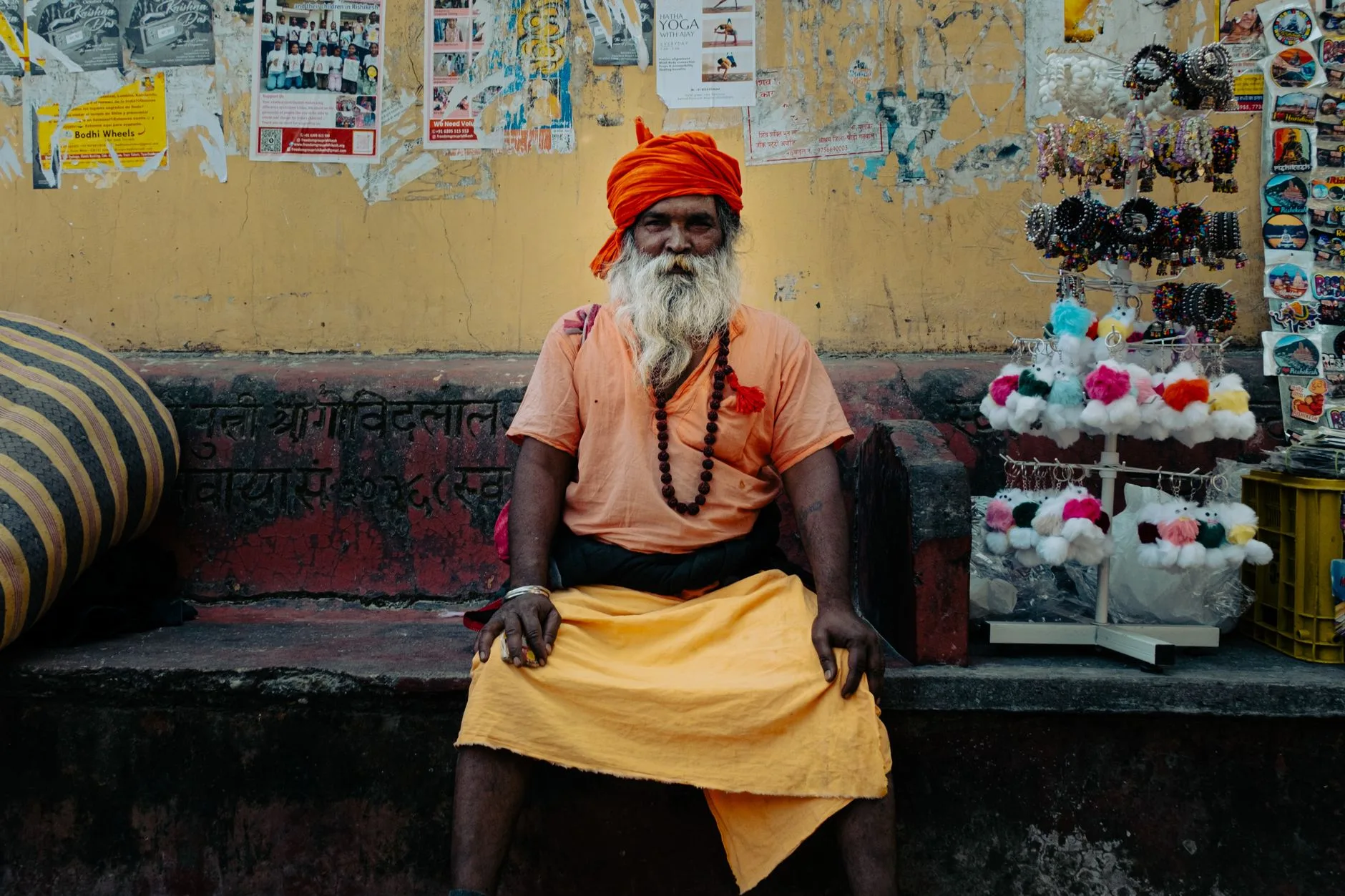
Photo by Ekam Juneja on Pexels
The classic overland route from Europe to India was a well-worn path in the 1960s and 70s — the so-called “Hippie Trail” that ran through Turkey, Iran, Afghanistan, and Pakistan. Afghanistan and much of that corridor closed to independent overland travel and has remained difficult or impossible for decades. A different route, however, remains viable in 2026: east across Russia and Central Asia, then south through Kazakhstan, Uzbekistan, Tajikistan or Turkmenistan, and into Iran, with a final crossing into Pakistan and on to India.
This is a genuinely long journey. London to Mumbai by rail and road, without flying, takes approximately 25–35 days of travel. It requires planning, flexibility, and a willingness to spend significant time on trains and buses. It is also one of the most interesting overland journeys remaining accessible to independent travellers — crossing nine or ten countries, through landscapes and cities that few travellers see, on rail networks ranging from the British intercity to the Soviet-era mainlines of Central Asia.
This guide covers the route, the crossings, the practical logistics, and the costs.
Route Overview
The most viable route in 2026:
London → Istanbul → Caucasus → Central Asia → Iran → Pakistan → India
Or more specifically:
London → Paris → Vienna/Budapest → Istanbul → Tbilisi (Georgia) → Baku (Azerbaijan) → [Caspian ferry] → Aktau (Kazakhstan) → Tashkent (Uzbekistan) → [Tajikistan/Turkmenistan transit] → Mashhad (Iran) → Tehran → Zahedan → Quetta (Pakistan) → Lahore → Delhi/Mumbai
This route is approximately 10,000–11,000km of surface travel.
Segment by Segment
London to Istanbul (4–5 days):
The most comfortable segment. Eurostar to Paris, then connecting trains (via Vienna, Budapest, Belgrade, Sofia) to Istanbul. The Balkan rail network involves a mix of modern and older trains. The Belgrade–Sofia–Istanbul stretch is the slowest section. A rough budget for this segment: £150–250 in second class rail fares, plus accommodation.
Istanbul to Tbilisi (2 days):
No direct train. Options include the overnight bus (12–14 hours) from Istanbul’s Esenler Otogar to Batumi (Georgian Black Sea coast), then onward to Tbilisi by marshrutka (4 hours); or a flight (checking the terms of your overland journey philosophy). The bus + marshrutka option keeps the journey surface.
Tbilisi to Baku (10 hours):
Overnight train from Tbilisi Central to Baku (Azerbaijan), crossing the Georgian–Azerbaijani border. Well-established, relatively comfortable sleeper. Around $20–30 for a second-class sleeper.
Baku to Aktau: Caspian Sea Ferry (variable):
The Caspian Sea has no bridge. The only surface crossing is a cargo-passenger ferry from Alat Port (30km south of Baku) to Aktau, Kazakhstan. This is the most unpredictable section of the entire journey. Ferries are cargo vessels that carry passengers; they depart when full, not on a fixed schedule. Wait times can be 1–3 days in Alat. The crossing itself takes 12–24 hours depending on vessel. Bring food, water, and patience. Approximate cost: $30–50.
Aktau to Tashkent (2–3 days):
Train from Aktau across the Kazakh steppe to Shymkent, then onward to Tashkent (Uzbekistan). The journey across Kazakhstan is vast and flat — the landscape is either hypnotic or monotonous depending on your disposition. The Altai and Tian Shan mountains are distantly visible to the east. Approximate rail fare: $30–50.
Uzbekistan (variable, suggest 1–2 weeks):
The logical place to spend significant time — Samarkand, Bukhara, and Khiva are major destinations in their own right. This is where the route becomes travel rather than transit.
Uzbekistan to Iran (the complicated crossing):
Getting from Central Asia to Iran is the most logistically complex section. Options:
- Turkmenistan transit visa: Turkmenistan is one of the world’s most closed countries but does issue 5-day transit visas that allow you to cross by road or rail from the Uzbekistan border to Iran. This requires applying well in advance, often through an agency, and the rules change. If available, the train from Tashkent through Türkmenabat and Mary to Mashhad is possible.
- Tajikistan–Afghanistan–Pakistan: Not viable for most travellers due to the security situation in Afghanistan.
- Fly or skip: Many overlanders take a short flight from Tashkent or Almaty to Tehran, considering this a reasonable compromise given the Central Asia–Iran crossing complexity.
Iran (1–2 weeks):
Iran rewards overland travel. Mashhad, Tehran, Isfahan, Shiraz, Yazd — the Silk Road architecture and Persian culture are extraordinary. Travel within Iran by rail and bus is inexpensive and works well. Allow 10–14 days minimum.
Iran to Pakistan (Zahedan–Quetta):
The Zahedan–Taftan–Quetta crossing is the established route but requires careful research before travel. The Balochistan region of Pakistan has had security concerns historically; check the current situation with Foreign, Commonwealth & Development Office advice or your country’s equivalent. Convoys are sometimes required between Taftan and Quetta — local buses travel in groups with security escorts on certain days. This is the section requiring the most up-to-date information.
Pakistan to India (2 days):
The Lahore–Wagah–Amritsar crossing is the only functional land border between Pakistan and India for most foreign nationals. A train runs from Lahore to Wagah (the border); cross on foot through the famous ceremony; continue by auto-rickshaw to Amritsar, then onward by Indian Railways.
Visas
You need approximately 8–10 visas for the full route:
| Country | Visa type | Notes |
|---|---|---|
| Georgia | Visa-free (most Western) | 365 days |
| Azerbaijan | Visa-free or e-visa | Check current list |
| Kazakhstan | Visa-free (most Western) | 30 days |
| Uzbekistan | Visa-free (most Western) | 30 days |
| Turkmenistan | Transit visa only | Apply months in advance; through agency recommended |
| Iran | Visa on arrival or e-visa | Not available to US passport holders |
| Pakistan | e-Visa | Apply in advance |
| India | e-Visa | Apply in advance |
The Iran visa is the most politically sensitive — not available to citizens of some countries, and US passport holders cannot currently enter Iran. Check your specific situation.
Budget Estimate
| Segment | Approximate cost |
|---|---|
| London → Istanbul (rail) | £150–250 |
| Istanbul → Tbilisi → Baku | £40–80 |
| Caspian Ferry | £30–50 |
| Kazakhstan rail | £30–50 |
| Uzbekistan trains/buses | £30–60 |
| Iran internal transport | £40–80 |
| Pakistan rail/bus | £20–40 |
| India initial transport | £20–40 |
| Transport total (approx.) | £360–610 |
| Visas (all) | £100–200 |
| Accommodation (35 days, avg £15/night) | £525 |
| Food (35 days, avg £15/day) | £525 |
| Total (excl. London flights) | ~£1,500–1,900 |
Conclusion
The overland route from London to India is a serious commitment — 4–5 weeks of travel, complex visa logistics, and variable infrastructure. It is also one of the most complete ways to understand the geography between Europe and South Asia.
- The Caspian ferry is the wildcard — allow 3–4 days at Alat Port for what might be a 1-day or 3-day wait; this is non-negotiable if you’re staying surface
- Uzbekistan deserves proper time — don’t rush through the Silk Road cities in the name of completing the route
- Research the Iran–Pakistan crossing current situation before you go — it changes and requires up-to-date FCDO advice
- Turkmenistan transit requires months of planning — apply for the visa well in advance or consider the Tehran flight compromise
- The total journey takes 4–5 weeks — rushing this route loses the point of doing it
Keep reading: Trans-Siberian railway trip planning guide