Photo by Vladislav Anchuk on Pexels
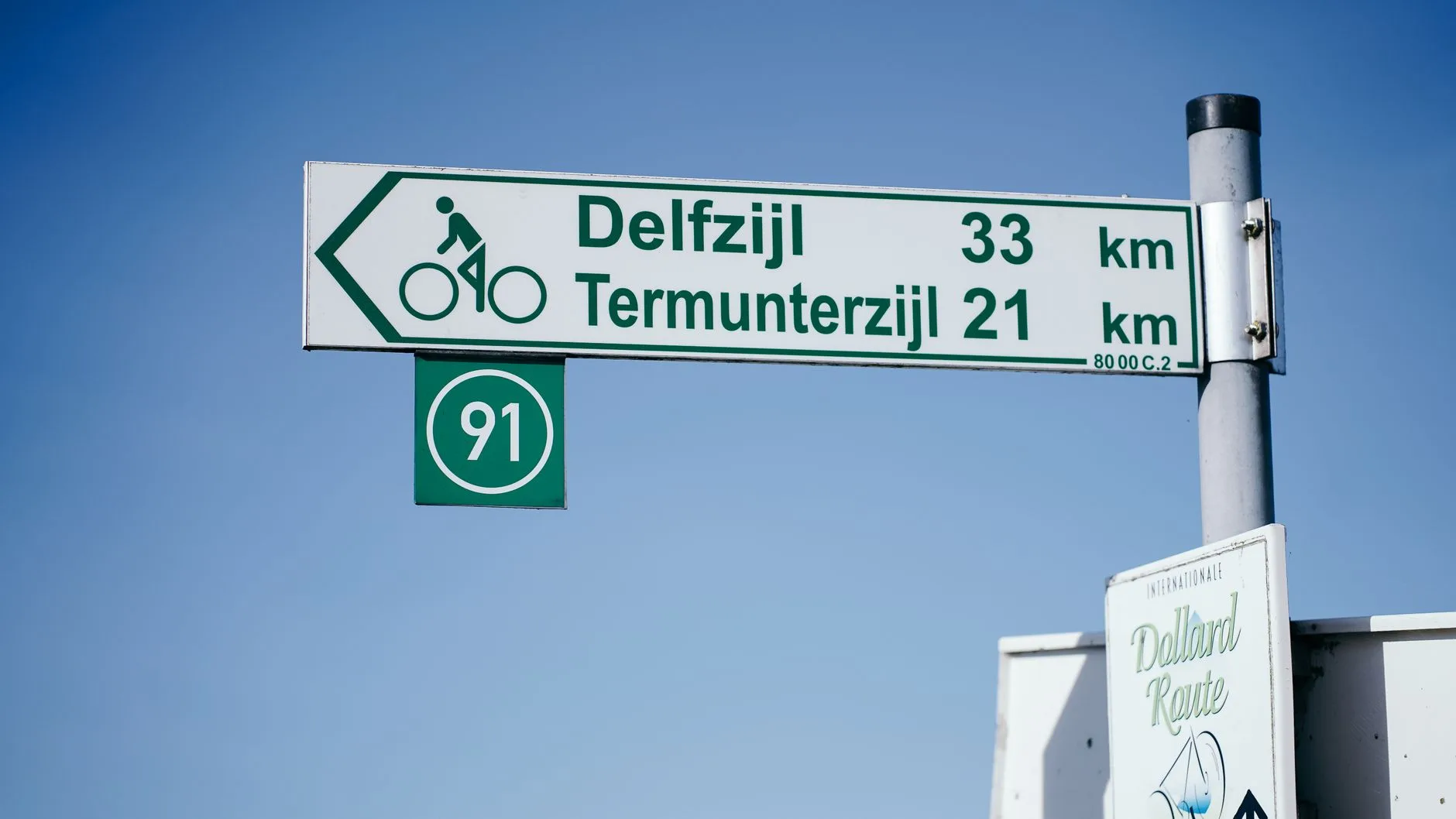
The Netherlands has 35,000 kilometres of dedicated cycling infrastructure — more per capita than any other country. The road network treats cyclists as traffic, not guests. Cycle paths are separated from roads, signposted, lit at night, and continuous between towns. For a visitor planning a cycling trip, this means something that barely exists in most countries: the ability to travel long distances by bicycle, between cities and through the countryside, without stress or significant danger.
This guide covers the practical specifics of planning a cycling trip in the Netherlands.
The Route Network: LF Routes
The Netherlands has a national network of long-distance cycle routes marked with green LF (Landelijke Fietsroutes) signs. These routes are maintained, signposted, and covered by detailed route booklets available from the ANWB (Dutch cycling and motoring association) and bike shops.
Key LF routes for visitors:
LF1 (North Sea Route): Den Helder to the Belgian border along the coast — dunes, beach, small fishing villages, and tulip fields in spring. Total length approximately 420km.
LF2 (The Rivers Route): Anywhere–Belgium through the river delta region — polders, windmills, the Biesbosch wetlands. More varied landscape than the coast route.
LF4 (The Central Netherlands Route): Amsterdam to Cologne — crosses through the Veluwe national park and the IJssel Valley. Excellent for combining Netherlands cycling with a Rhine route into Germany.
LF7 (Veluwe Route): A loop through the Veluwe, the largest nature reserve in the Netherlands — heath, forest, and sand dunes in the middle of the country.
Beyond LF routes, the knooppunt (junction) system is the most flexible way to plan routes. The entire Netherlands is covered with numbered cycling junctions every few kilometres; you plan a route by writing down a sequence of junction numbers and follow the signs between them. Every ANWB bookshop and most bike shops sell regional knooppunt maps. The free “Fietsknoop” app makes this digital.
Practical Route Planning
Start city: Most cycling trips start in Amsterdam, though Utrecht, Rotterdam, and Maastricht are all good alternatives with excellent rail connections and bike rental infrastructure.
Distance: Most visitors cycle 40–70km per day at a relaxed pace on flat terrain. The Netherlands is almost entirely flat (the Limburg hills in the south are the exception — still gentle by international standards), which means no altitude gain to factor in.
How long: A week gives you time to cycle meaningfully from Amsterdam to Maastricht via the rivers (approximately 250km by direct route, more via scenic detours), or to cycle the northern coast and return by train. Two weeks allows a fuller exploration of multiple regions.
Where to Stay: Cycling-Specific Accommodation
Fietsonderkomens (cycle-friendly guesthouses): Accommodation specifically geared toward cyclists — bike storage, drying rooms, early breakfasts, and often route advice from hosts. Listed at slaapvoordewild.nl and the ANWB fietshotel directory. Typically €60–90 for a double room including breakfast.
B&Bs and hotels: Standard accommodation in Dutch towns is good quality and not significantly more expensive than a fietsonderkomen. Look for secure bike storage.
Camping: Excellent in the Netherlands. Sites are numerous, usually have covered bike storage, and many are in beautiful countryside locations. Prices from €8–15 per person per night. The Kampeer & Caravanclub and NCC maintain a network of small, informal campsites (CCC campsites) that are cheaper and more atmospheric than commercial sites.
Renting a Bike
If you’re not bringing your own, bike rental in the Netherlands is straightforward:
- Swapfiets: Monthly subscription rental, common among residents but also available to visitors. City bikes with puncture-resistant tyres.
- OV-Fiets: Affiliated with Dutch rail (NS) — orange bikes available at most train stations for day hire (€4.35/day for NS customers). Good for one-directional trips where you take a train back.
- Rental shops: Available in all cities and many smaller towns. Standard city bike: €10–15/day. Better touring bikes and e-bikes: €20–35/day.
E-bikes: Available at most rental shops and increasingly popular. If you’re planning longer daily distances or have reduced fitness, e-bikes make Dutch cycling accessible to almost anyone — you still get the cycling experience without the fatigue.
What to Bring
The Netherlands has excellent repair shops in every town, so you don’t need to be fully self-sufficient. Essentials:
- Lights (front and rear): Legally required after dark; many roads are used in evening hours
- Lock: Dutch cyclists use two locks as standard; bring a quality D-lock or use one from the rental shop
- Waterproofs: Rain is frequent and unpredictable — the Dutch cycling in rain without appearing to mind is not a myth
- Panniers: Most touring cyclists use rear panniers; bike rental shops sell/rent these
Practical Logistics
Taking bikes on trains: Netherlands (NS) trains allow bikes in non-peak hours for a €7.50 day pass per bike. This is extremely useful for point-to-point trips or if weather or fatigue means you want to cut a day short.
Tulip season: If visiting in April-May, the bulb fields between Haarlem and Leiden (the Bollenstreek) and the fields around the Keukenhof gardens are extraordinary — flat cycling between flower fields that exist nowhere else on Earth. The route is well-marked and this is one of the most popular cycling experiences in the country. Also the busiest period.
Summary
A Netherlands cycling trip is one of the most accessible and rewarding cycling holidays in Europe:
- Use the knooppunt junction system — download the Fietsknoop app and plan your route between numbered junctions; the signage does the rest
- Plan 40–60km/day on flat terrain — very achievable for any fitness level, and leaves time to explore
- The coastal LF1 route and the river LF2 are the most scenic — both accessible from Amsterdam and ending near Belgium
- Book fietsonderkomens or camping in advance for summer travel, particularly in April–May bulb season
- E-bike rentals make the trip accessible for all ages — don’t assume cycling is only for the fit
Keep reading: Road tripping through the Faroe Islands: what to expect