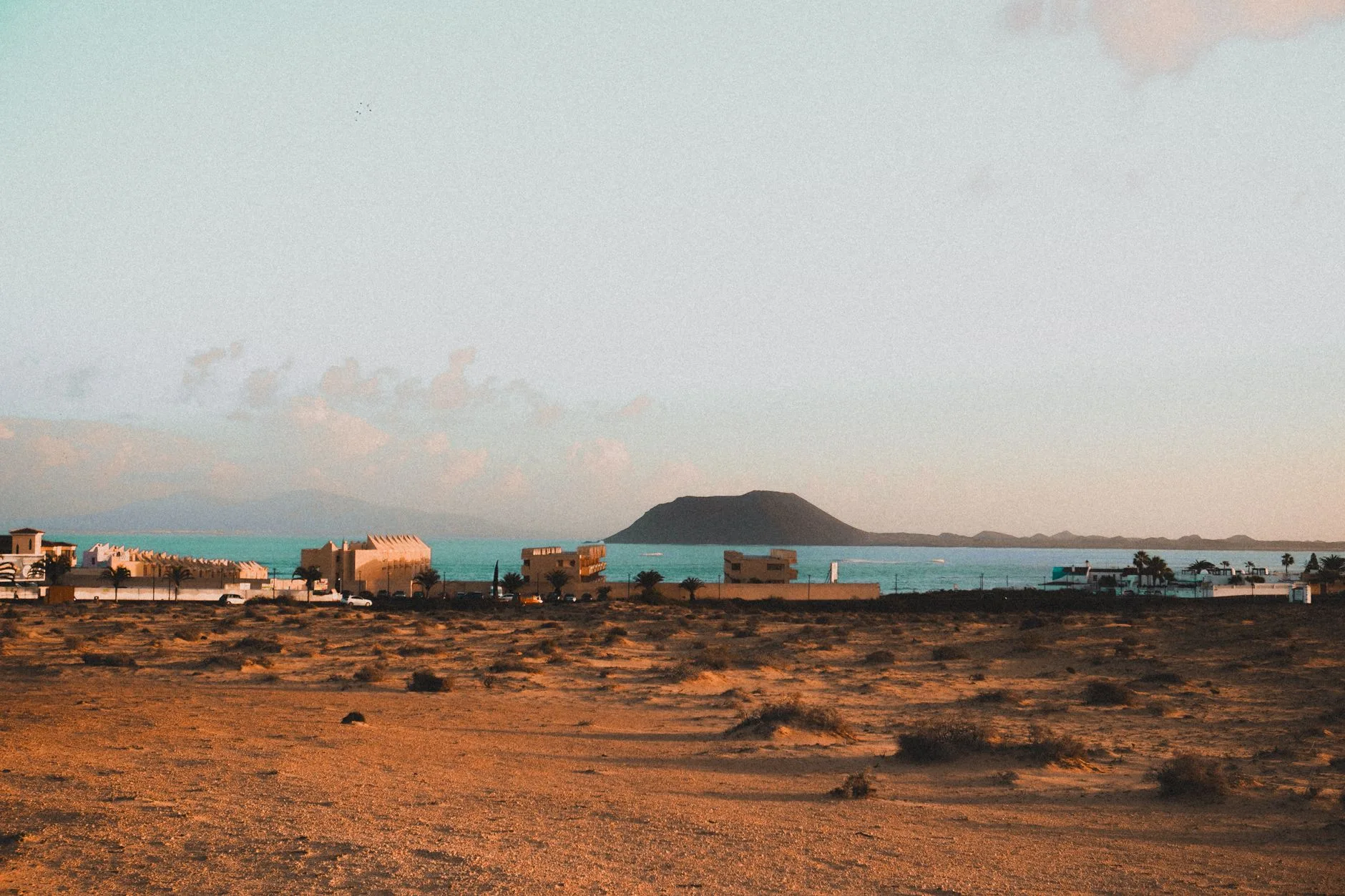
Photo by David Wilkowski on Pexels
Most people who go to Cape Verde end up in Sal or Boa Vista — the flat, sandy eastern islands that host the all-inclusive resorts, the windsurfing schools, and the charter flights from northern Europe. They spend a week on the beach, eat buffet dinners, and leave with a tan and a serviceable impression of what the archipelago is like. They’ve seen a very small part of it.
Cape Verde is ten islands and five uninhabited islets, strung across 600 kilometres of Atlantic Ocean about 570 kilometres west of Senegal. The eastern islands are low-lying and desert-dry; the western ones are volcanic, mountainous, green in places, and almost entirely overlooked by package tourism. The contrast between the two groups is extraordinary — as if the Canary Islands and the Azores had been placed in the same country and the travel industry decided only one half was worth marketing.
This guide is for people who want to see the other half.
The Islands You Probably Haven’t Heard Of
Santo Antão
The most dramatically beautiful island in the archipelago. Santo Antão is a volcanic ridge rising 1,979 metres above the sea, its northern valleys carved by erosion into deep ribeiras (ravines) lined with sugarcane, papaya, banana, and coffee. The northern coast gets enough moisture from the trade winds to sustain proper agriculture — unusual for a Cape Verdean island. The walking here is some of the best in the Atlantic islands: paths that descend stone steps through villages of a hundred people, cross hanging valleys, and reach the coast at fishing communities accessible only on foot or by boat.
The main town is Ribeira Grande on the north coast. Porto Novo, the ferry port, is on the south coast (drier, bleaker, more functional). The ferry from São Vicente takes about 1–1.5 hours. No airport, no resort hotels, no all-inclusive. Accommodation is in small guesthouses (pensões) at £25–50 per room per night.
São Vicente
The cultural capital of the northern islands, home to Mindelo — a small city that punches well above its weight for music, architecture, and café culture. Mindelo is the birthplace of morna, the melancholic folk music most associated with the late Cesária Évora, and live music venues (particularly Casa da Morna and Café Lusofonia) put on regular performances. The colonial-era harbour front has Portuguese and Art Deco architecture in better repair than most of what you’ll see elsewhere in the country.
São Vicente is easily reachable by TACV (the national airline) from Sal or Santiago, or by ferry from Santo Antão (frequent departures from Porto Novo). There’s an international airport (VXE) with direct flights from Lisbon, and in summer some UK charter routes.
Fogo
A single volcanic cone rising 2,829 metres — Pico do Fogo is the highest peak in Cape Verde and one of the most active volcanoes in the Atlantic. The caldera, called Chã das Caldeiras, contains a permanently inhabited village inside it (or it did until the 2014–2015 eruption destroyed most of it; it’s been partially rebuilt). Wine is made from grapes grown in the mineral-rich volcanic soil. Coffee and mangoes come from the higher slopes. Climbing Pico do Fogo from the caldera village takes 3–5 hours depending on fitness, no technical equipment required, and a local guide is strongly advisable (available for hire in Chã das Caldeiras for around 2,000–3,000 CVE).
TACV flies from Santiago (Praia) and from Sal to São Filipe (the island capital) in about 30–40 minutes.
Santiago
The largest and most populated island, home to the capital Praia and to Cidade Velha — the first permanent European settlement in the tropics and a UNESCO World Heritage site. The ruins of the old city, a fortress, and the pillory where enslaved people were punished stand on a flat coastal plain a short taxi ride from Praia. The history here is stark and important.
Praia itself is a working capital city — markets, traffic, street food, a functional waterfront — rather than a tourist destination, but the interior of Santiago has green valleys and villages worth exploring by rental car or local transport.
How to Get Between Islands
Interisland flights (TACV):
TACV operates a hub-and-spoke network, with Santiago (Praia, SAL) and Sal (SID) as the main hubs. Most connections route through one of these. Flight times are 30–50 minutes on most routes. Book via the TACV website or Binter CV, which also operates some routes.
Costs have increased over the past few years; a single inter-island fare typically runs €60–130 depending on route and timing. Luggage allowances are strict on small aircraft — check before you book.
Inter-island ferries:
Operated primarily by Barca CV and Agência Nacional de Viagens. The ferry network is less comprehensive than flights but significantly cheaper. The most useful routes:
| Route | Duration | Approximate cost |
|---|---|---|
| São Vicente → Santo Antão | 1–1.5 hours | 800–1,000 CVE (€7–9) |
| Santiago → Fogo | 3–4 hours | 1,800–2,500 CVE (£16–22) |
| Santiago → Brava | 3–3.5 hours | 1,800–2,000 CVE (£16–18) |
Ferries run less frequently than flights and are occasionally cancelled in rough seas. Don’t schedule a ferry crossing the day before a flight home.
Getting Around on Each Island
- Santo Antão: aluguer (shared pickup trucks) run between Ribeira Grande, Paul, and Porto Novo. Agree the price before you get in. Walking is the primary way to see the northern valleys; trail maps are available at guesthouses in Ribeira Grande.
- São Vicente: taxis in Mindelo are cheap (100–200 CVE for most journeys in town). Rental cars available from local agencies around the market.
- Fogo: taxi-aluguer from São Filipe to Chã das Caldeiras costs around 2,500–3,500 CVE one way; the road is steep and unpaved for the upper section.
- Santiago: hiaces (minibuses) connect Praia to most inland towns; rental cars widely available for day trips to the interior.
What Things Cost
Cape Verde is cheaper than Portugal or the Canaries but more expensive than mainland West Africa.
| Item | Approximate cost |
|---|---|
| Guesthouse (double room) | £25–55/night |
| Café meal (fish + rice) | £4–8 |
| Restaurant dinner in Mindelo | £12–20/person |
| Inter-island flight (one way) | £55–120 |
| Local beer (Strela) | £1–2 |
| Day trip by shared transport | £3–8 |
| Private taxi for a day (island tour) | £40–70 |
A week travelling independently across three islands — flights, guesthouses, food, local transport — typically runs £700–1,100 per person, excluding the flight from home.
When to Go
Cape Verde has a dry season (November–June) and a rainy season (July–October). The rainy season is worth knowing about but not fearing — rain falls mostly in August and September, primarily in the mountains, and the western volcanic islands (Santo Antão, Fogo) are significantly more lush and green immediately after.
The dry season is consistently sunny across all islands. Temperatures range from 22°C in January–March to 28–30°C in August–September. The trade winds (alísios) blow consistently from the northeast, making the eastern islands popular for windsurfing and keeping temperatures comfortable.
| Month | Weather | Crowds |
|---|---|---|
| December–February | Dry, warm, slight wind | High season; book ahead |
| March–May | Dry, warm, calmer | Good; less crowded |
| June–July | Hot and dry | Shoulder season |
| August–October | Rainy in mountains; cloudy | Low season; quiet |
| November | Transition; good weather | Building up to peak |
Practical Notes
Currency: Cape Verdean Escudo (CVE), pegged to the Euro at 110 CVE = €1. Euros accepted at most tourist-facing businesses; escudos needed for local transport and markets. ATMs in all main towns.
Language: Portuguese is the official language; Kriolu (Cape Verdean creole) is what most people speak among themselves. French is not widely understood despite proximity to Francophone West Africa.
Accommodation: Book ahead in Mindelo (São Vicente) and during December–February peak season. Elsewhere, walking in without a reservation is generally fine outside July–August.
Safety: Cape Verde is one of the safest countries in West Africa for independent travellers. Petty theft is the main concern in Praia; take normal precautions with valuables.
Conclusion
Cape Verde’s resort islands are easy to reach and easy to enjoy; the rest of the archipelago is equally accessible and entirely different.
- Fly into Sal, spend a night, then connect on — don’t stay if the beach resort model isn’t what you’re after
- Santo Antão is non-negotiable for anyone who likes walking — the northern ribeiras are genuinely spectacular
- Mindelo is one of the best small cities in the Atlantic — for music, food, and a sense of place that no resort hotel can replicate
- Inter-island flights are expensive relative to ferry prices but save time on longer crossings; use ferries for Santo Antão and Fogo
- Budget £700–1,100 for a week of independent travel across three or four islands, excluding your international flight
Keep reading: Budget travel in Albania — Europe’s last hidden gem