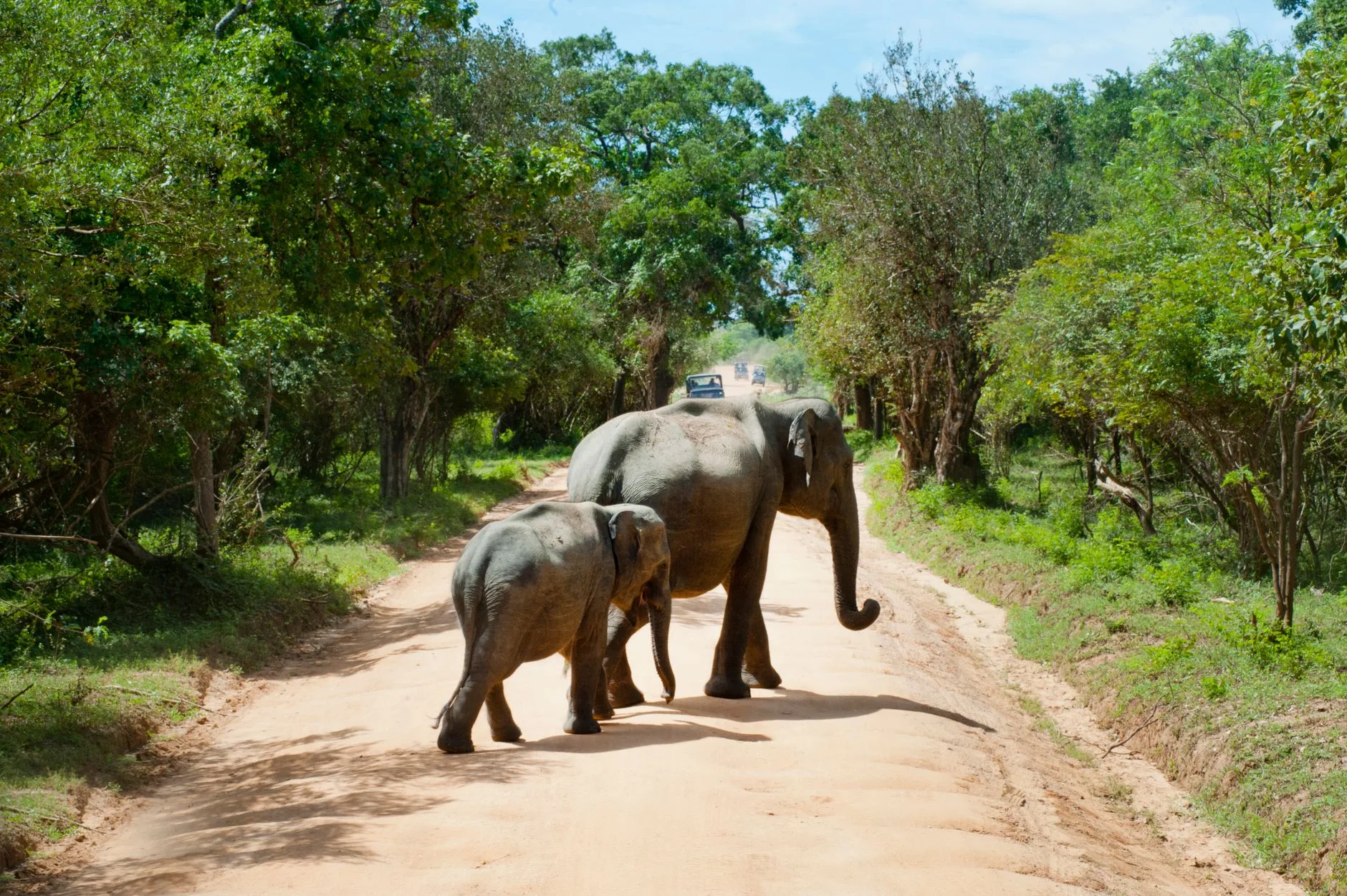
Photo by Atlantic Ambience on Pexels
Sri Lanka is one of Asia’s most compact and varied travel destinations. In a country smaller than Scotland, you can be in a dense jungle temple complex in the morning, a colonial hill-country city by afternoon, and on a palm-fringed beach by evening. The island packs ancient civilisation, extraordinary cuisine, whale watching, surfing, and mountain trekking into a space that can be crossed by train in a single day.
Budget travel in Sri Lanka is genuinely achievable — the country is not Southeast Asia cheap, but it’s inexpensive by South Asian standards, and the train journeys that connect its regions are among the most scenic in the world.
Entry and Basics
Visa: Most nationalities require an ETA (Electronic Travel Authorisation) before arriving — apply at eta.gov.lk for approximately $50. Processing is usually instant to 24 hours. A 30-day single-entry visa is standard; extensions are possible.
Currency: Sri Lankan Rupee (LKR). Following the economic crisis of 2022, ATMs and card acceptance have improved in tourist areas. Always carry some cash for rural areas, local restaurants, and transport.
Mobile: A local SIM (Mobitel or Dialog) with data costs approximately LKR 500–1,000 ($1.50–3) and covers the whole island. Buy at the airport on arrival.
Getting Around: The Famous Trains
Sri Lanka’s railway network is the highlight of travel logistics rather than an inconvenience. The Kandy–Ella train (a 7-hour journey through tea plantations, misty mountains, and waterfall valleys) is consistently rated one of the world’s most beautiful train rides. The Colombo–Kandy service (2.5 hours) winds through the hill country. The coastal train from Colombo south to Matara runs along the beach.
Booking: Second-class reserved seats on the Kandy–Ella train sell out days to weeks in advance during peak season. Book at wanderu.com or seat61.com for the online booking system, or book at Colombo Fort or Kandy station in person. Unreserved first and second class is available on a first-come, first-served basis — arrive 15–20 minutes before departure.
Tickets: Colombo–Kandy: approximately LKR 250–1,500 ($0.75–4.50) depending on class. Kandy–Ella: LKR 1,000–1,500 ($3–4.50) for reserved 2nd class.
Buses: Cheaper and faster than trains on some routes; less comfortable and less scenic. Private air-conditioned buses are available on most tourist routes.
The Main Regions
Colombo
The capital is often skipped by travellers who fly in and immediately head for Kandy or the beach. This is a mistake — Colombo’s Pettah Market (an intense covered bazaar), the Dutch colonial buildings of the Fort area, and the Galle Face Green promenade along the Indian Ocean reward a day.
The best eating in Sri Lanka is in Colombo — kottu rotti (shredded flatbread stir-fried with vegetables, egg, and meat), hoppers (bowl-shaped pancakes with an egg set in the centre), and the city’s excellent rice and curry spreads are concentrated in the local restaurants of Pettah, Maradana, and the residential suburbs.
Kandy and the Hill Country
Kandy (500m altitude, 2.5 hours from Colombo by train) is the cultural capital of Sri Lanka — the last independent kingdom, the site of the Temple of the Tooth Relic (Sri Lanka’s most sacred Buddhist temple), and the gateway to the hill country.
The Kandy Perahera (annual festival in July/August) is one of the greatest processions in Asia — dozens of decorated elephants, Kandyan dancers, and thousands of performers in a nightly procession for two weeks. Worth timing a visit around.
From Kandy, the slow train through Nuwara Eliya’s tea estates to Ella is the island’s best journey. Ella itself (a village at the end of the line, 1,000m altitude) has walking trails to Little Adam’s Peak (a 2-hour return hike with panoramic views), the Nine Arch Bridge (a colonial-era viaduct in the tea fields), and some of the island’s best budget guesthouses.
Sigiriya and the Cultural Triangle
The “Cultural Triangle” in central Sri Lanka contains the island’s most important ancient sites:
- Sigiriya (Lion Rock): A 200m volcanic rock with a 5th-century palace complex on top. The frescoes of the heavenly maidens on the rock face and the mirror wall below are extraordinary. Entry: $30 (foreign price). Steep stair-and-ladder ascent; most people find it manageable in 1–2 hours.
- Polonnaruwa: The well-preserved ruins of the 12th-century capital — temples, statues, and city streets visible in the landscape.
- Anuradhapura: An ancient capital stretching back to the 3rd century BCE, with sacred Bodhi tree (allegedly grown from a cutting of the tree under which the Buddha achieved enlightenment).
The South Coast Beaches
Mirissa (whale watching, January–April), Unawatuna (small cove beach, good snorkelling), Tangalle (wide beach, fewer tourists), and Arugam Bay on the east coast (best surf in Sri Lanka, May–September) cover the main beach options.
Costs
Sri Lanka is moderately priced by South Asian standards:
| Item | Approximate cost (LKR / £ equivalent) |
|---|---|
| Dorm bed, Ella or Mirissa | 1,500–3,000 LKR (£4.50–9) |
| Budget guesthouse private room | 3,000–7,000 LKR (£9–21) |
| Rice and curry at a local restaurant | 350–700 LKR (£1–2.10) |
| Restaurant meal (tourist area) | 1,000–2,500 LKR (£3–7.50) |
| Colombo–Kandy train (2nd class reserved) | 500–1,000 LKR (£1.50–3) |
| Sigiriya entry (foreigners) | $30 (~£24) |
| Whale watching trip, Mirissa | 3,000–6,000 LKR (£9–18) |
Note: Heritage site entry fees in Sri Lanka apply a “foreign price” that is 10–30x the local price and adds up on a cultural triangle itinerary. Budget for approximately $100–150 in entry fees if doing all the main sites.
Budget daily spend: £25–45 including accommodation, food, and local transport. The heritage site days cost more.
When to Go
Sri Lanka has two monsoon patterns affecting different coasts:
- December–March: Best for the south coast, the hill country, and Colombo
- May–September: Best for the east coast (Arugam Bay surf), while the south coast is wet
The hill country is pleasant year-round; heavier rainfall in May–June. The cultural triangle has a dry season aligned with the southwest monsoon — best October–April.
Conclusion
Sri Lanka rewards a slow approach — don’t try to tick off everything in 10 days:
- The Kandy–Ella train is the highlight — book reserved seats in advance; the journey repays sitting by the window for 7 hours
- Spend a day in Colombo — the food and the markets are the best introduction to Sri Lankan culture
- Budget $150–200 for heritage site entries on a cultural triangle itinerary — the costs add up and are not avoidable
- Ella is better than Nuwara Eliya as a hill country base — smaller, less developed, better walking
- Time your visit for Kandy Perahera (July/August) if it’s possible — one of Asia’s great festivals and rarely visited by international tourists
Keep reading: Budget travel in Nepal: beyond the tourist trail