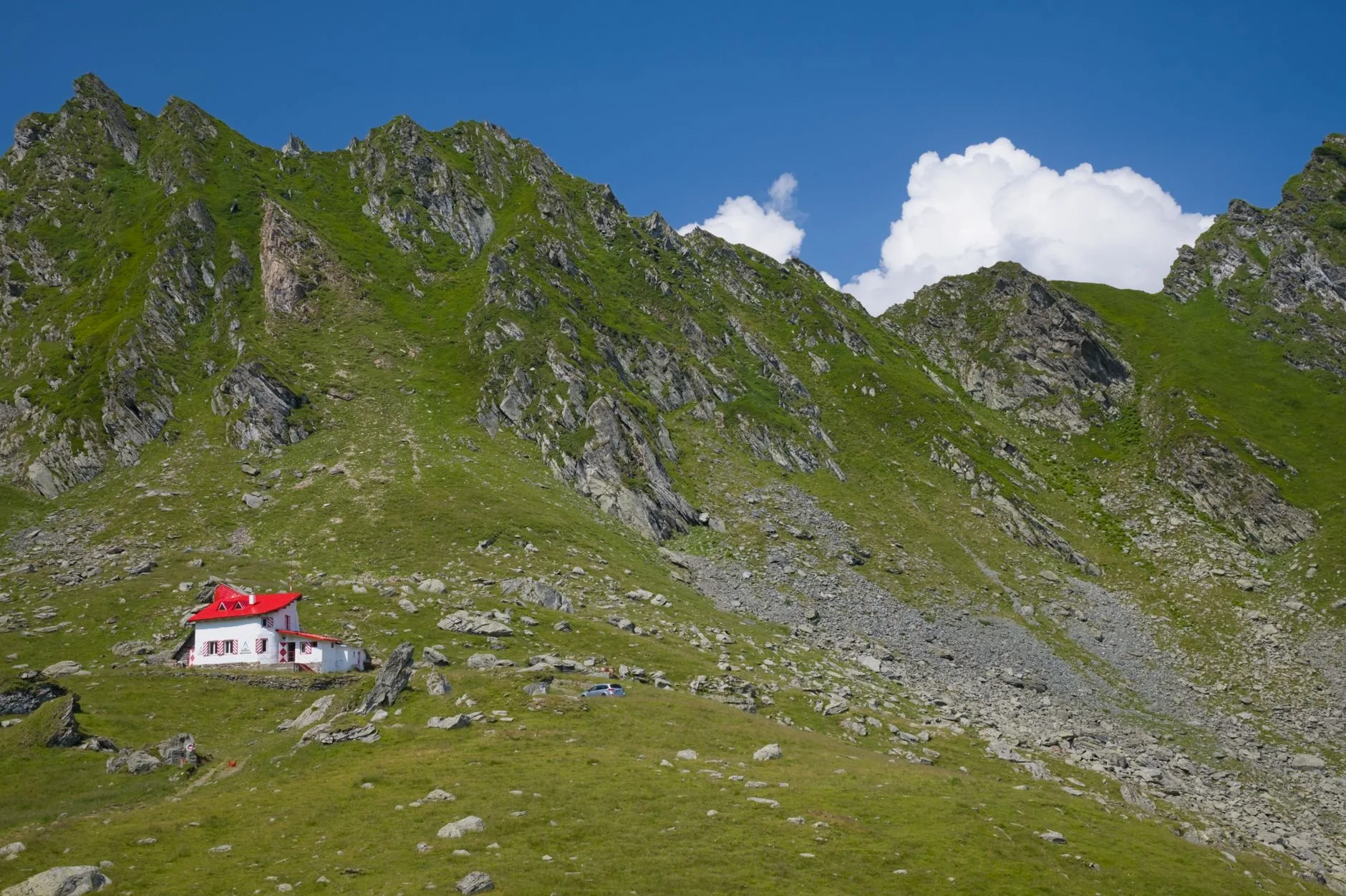
Photo by ArWeltAtty Attila on Pexels
The Carpathians arc for 1,500km across central and eastern Europe, and Romania contains the majority of this mountain range — including its highest peaks, most extensive forests, and richest wildlife. Brown bears, wolves, lynx, and chamois all exist in significant numbers in the Romanian Carpathians, and the landscape they inhabit — old-growth beech and spruce forests giving way to alpine meadows and limestone plateaus — is as dramatic as anything in the western Alps.
The difference is that almost no one is there. The Carpathians attract a fraction of the visitor numbers of the Alps or Tatras, trail infrastructure is more basic, and the experience is correspondingly wilder and more self-reliant.
The Main Hiking Areas
Bucegi Mountains
The closest serious alpine terrain to Bucharest — 130km south of the capital. The Bucegi plateau (1,800–2,500m) is a high limestone shelf with dramatic vertical walls on its southern face and extensive trail networks above. The cable car from Buşteni (a ski resort in winter) accesses the plateau directly; most trails run across the plateau to peaks including Omu (2,505m, the highest in Bucegi).
The plateau has a series of mountain huts (cabane) that offer basic accommodation and meals, allowing multi-day hiking without tents. Hike from hut to hut is the classic Bucegi experience — 2–4 days depending on the route.
Buceg is also where Bran Castle is (the castle associated with the Dracula myth, though the connection is largely tourist marketing). Worth a half day if you’re in the area.
Fagaras Mountains
The highest range in Romania — the Fagaraş ridge runs for 70km east-west, with 12 peaks above 2,500m. Moldoveanu (2,544m) is the highest point in Romania. The traverse of the full Fagaraş ridge takes 5–7 days and is one of the classic multi-day hikes in eastern Europe.
The trail runs along the ridge crest above 2,000m for most of its length, with dramatic drops to glacial lakes on both sides. Accommodation is in mountain huts (basic, reservation essential in summer) and camping.
The Fagaraş is the most demanding of the main ranges — navigation can be difficult in poor visibility, some sections require hands-on scrambling, and emergency help is far away in remote sections. Experienced mountain hikers who are comfortable with navigation and self-sufficiency will find this exceptional.
Apuseni Mountains
A lower, more rounded range in western Romania, characterised by a karst landscape of caves, sinkholes, and underground rivers rather than high peaks. The Apuseni are more accessible for non-technical hikers — gentle trails through forest and meadow, with the spectacular Scărișoara glacier cave (one of the largest underground glaciers in Europe) as a centrepiece. The Padis plateau is the most popular hiking area, with marked loops accessible from the small village of Padis.
Piatra Craiului
A narrow limestone ridge 24km long between the Bucegi and Fagaraş, rising to 2,238m. The crest traverse is a ridge walk with significant exposure — the eastern wall drops 800m near-vertically — and is one of the most dramatic day walks in Romania. A full crest traverse takes 2 days with an overnight hut stay. Accessible from the village of Zărnești (45 minutes from Brașov by car or bus).
Where to Base Yourself
Brașov is the best base for the Romanian Carpathians. The city sits in a valley surrounded by mountains, is well-connected by rail (2.5 hours from Bucharest), has a charming medieval old town, and is within 30 minutes’ drive of Piatra Craiului, Bucegi, and the Fagaraş approaches.
Cluj-Napoca is a university city in Transylvania and good base for the Apuseni Mountains (2 hours west).
Accommodation in the Mountains
Cabane (mountain huts): Operated by the Romanian Alpine Club or private owners. Basic bunk accommodation and meals (typically bean stew, sarmale/stuffed cabbage, grilled meat). Book in advance for July–August; walk-in is usually possible in June and September. Cost: approximately 50–100 RON/person (£9–18) per night.
Camping: Permitted in most areas. No fire-lighting in forested areas. The Fagaraş has designated camping areas near the huts.
Wilderness camping: Possible in most areas above the treeline; below, camping on private or forestry land requires landowner permission.
Wildlife: The Bear Situation
Romania has approximately 6,000–7,000 brown bears — the highest concentration in Europe outside Russia. Bears are present in all the major ranges, and encounters on trails are possible.
Practical advice:
– Make noise while hiking (bear bells, talking) to avoid surprise encounters
– Don’t hike at dawn or dusk alone
– Store food in sealed bags away from sleeping areas if camping
– Don’t run if you encounter a bear at close range — back away slowly
Bears are generally avoiding humans, not seeking them. Incidents involving hikers are rare. But being aware and making noise in dense forest is good practice.
Practical Logistics
Getting there: Bucharest Henri Coandă Airport is the main entry point, with direct flights from most European cities. Brașov is 2.5 hours by train from Bucharest (Gara de Nord). Trains are inexpensive (approximately £5–10 for the Bucharest–Brașov journey).
Trail marking: Romanian trails are marked with coloured stripes, dots, or triangles on trees and rocks — standard central European trail marking. Download offline maps before entering mountain areas (Maps.me, Wikiloc, or AllTrails have reasonable Romanian coverage).
Best season: June–September. July–August is peak season; June and September offer the best combination of good weather, fewer people, and fully open huts.
Costs
Romania is inexpensive by western European standards:
| Item | Approximate cost (RON / £) |
|---|---|
| Mountain hut accommodation | 50–100 RON (£9–18/night) |
| Budget hostel, Brașov | 60–100 RON (£11–18 dorm) |
| Restaurant meal, Brașov | 40–80 RON (£7–15) |
| Bucharest–Brașov train | 30–60 RON (£5–11) |
| Cable car, Buşteni to Bucegi plateau | 45 RON (£8) |
Budget hikers can manage in Romania for £35–55/day including hut accommodation, meals, and local transport.
Conclusion
Romania’s Carpathians offer serious mountain hiking in a near-wilderness setting at a fraction of the cost and crowds of comparable western European ranges:
- Brașov is the best base — good connections, nice city, access to three ranges within an hour
- The Fagaraş ridge traverse is the signature multi-day hike — 5–7 days, serious, outstanding
- Piatra Craiului is the best day hike in Romania — 2,200m limestone ridge with dramatic vertical walls
- Book mountain huts in advance for July–August — they fill during peak season
- Make noise in forested areas — bears are present throughout and surprise encounters are best avoided
Keep reading: Hiking the Drakensberg Mountains South Africa: practical guide