Photo by Eric Prouzet on Pexels
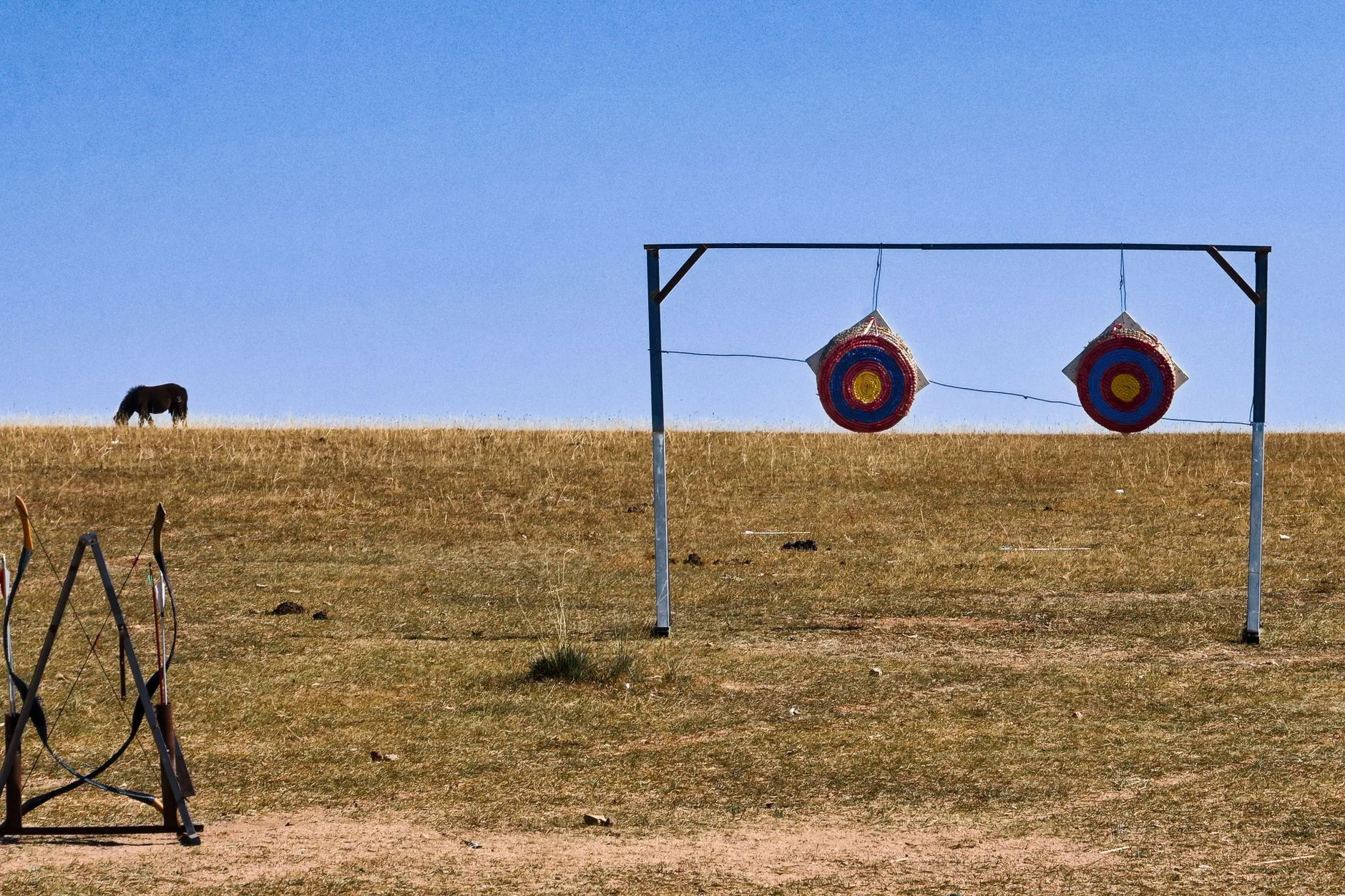
Mongolia is one of the most sparsely populated countries on Earth — 3.3 million people in a territory the size of Western Europe, with no road network beyond the capital and a nomadic pastoral culture that has existed largely unchanged for millennia. The appeal is precisely this emptiness: vast grassland steppe, mountain ranges visible for hundreds of kilometres, and a way of life centred on horses, livestock, and the circular felt tent (ger) that has defined Mongolian existence for thousands of years.
Independent travel in Mongolia is more challenging than most destinations covered in mainstream travel guides. But it is entirely possible, and the traveller who makes the effort is rewarded with an experience almost nowhere else in the world can match.
Getting In
Visa: Most Western nationalities can enter Mongolia visa-free for 30 days. Check the Mongolian immigration portal (immigration.gov.mn) for your specific nationality — the list has expanded in recent years.
How to get there: Ulaanbaatar’s Chinggis Khaan International Airport (ULN) is served by MIAT Mongolian Airlines, Air China, Korean Air, and others. Direct connections from Beijing, Seoul, Tokyo, Istanbul, and Moscow. The Trans-Mongolian Railway connects Beijing (30 hours) and Moscow (6 days) to Ulaanbaatar — an iconic overland route.
Ulaanbaatar
Mongolia’s capital is home to nearly half the country’s population and is not particularly beautiful — a Soviet-era planned city with ger districts sprawling up the surrounding hills. But it’s the essential base for independent travel, has the country’s best museums, and rewards 2–3 days before heading into the countryside.
Sukhbaatar Square (now renamed Chinggis Square): The central plaza with a giant Genghis Khan statue and government buildings. Quieter and more dignified than most capital city central squares.
National Museum of Mongolia: Essential overview of Mongolian history from nomadic Bronze Age cultures through the Mongol Empire to the communist period. The displays on traditional dress, instruments, and ger construction are particularly good.
Gandan Monastery: The main active Buddhist monastery in Ulaanbaatar. Prayers happen in the morning — respectful observation is welcome. The monastery was destroyed during the Stalinist purge of Buddhism in the 1930s and rebuilt; the culture it represents is genuine.
Naran Tuul Market (Black Market): The main outdoor market, selling traditional items, horse tack, del (traditional Mongolian coat), and general merchandise. Interesting to walk through regardless of whether you’re buying.
The Countryside: What to Know Before You Go
Outside Ulaanbaatar, Mongolia has no paved road network in most areas. Movement is across open steppe, following tracks left by previous vehicles. Getting anywhere requires either renting a vehicle with a driver or joining a tour.
Renting a Russian UAZ van with driver: The standard approach for independent travellers. UAZ vans (Soviet-era 4WD vehicles, extremely robust) are available for rent with a driver from Ulaanbaatar for approximately $80–120/day including driver and fuel. The driver speaks Mongolian only in most cases — communication happens through a phrase book, a translator app, or a guide. Staying in ger camps along the route.
Ger camps: Two types: tourist ger camps (with beds, meals, showers — around $30–60/person/night) and nomadic families who will host travellers for a small payment or nothing. Nomadic hospitality is genuine — the cultural norm is to welcome anyone who arrives at a ger with airag (fermented mare’s milk) or tea. A small gift (tea, sugar, or sweets) is appropriate. Don’t bring alcohol as a gift to families you don’t know.
Communication in the countryside: Almost no English outside tourist ger camps. Google Translate’s offline Mongolian pack is essential. The Cyrillic-based Mongolian script is on all signage; learning the basic alphabet helps.
Main Regions
The Mongolian Steppe (Övörkhangai, Arkhangai provinces)
The central Mongolian steppe is the archetypal landscape — rolling grasslands, ger camps on open plains, horses grazing as far as you can see. The Orkhon Valley is a UNESCO World Heritage Site: a 121km long valley with ancient Turkic monuments, the Orkhon waterfall, volcanic craters, and hot springs. 380km southwest of Ulaanbaatar (7–9 hours by UAZ).
The Gobi Desert
The iconic landscape of sandy dunes (Khongoryn Els), the Flaming Cliffs (Bayanzag) where Roy Chapman Andrews discovered dinosaur eggs in the 1920s, and camel herding families. The southern Gobi is approximately 600km from Ulaanbaatar — a long drive or a short domestic flight to Dalanzadgad, the provincial capital. The Khongoryn Els dunes are the most dramatic in Mongolia and can be explored by camel or on foot.
Khuvsgul Lake
A vast alpine lake (270m deep, 2,760km² surface area) in the north, 13km from the Russian border. Crystal clear water, taiga forest landscape, reindeer-herding Tsaatan people in the surrounding mountains. The lake freezes in winter, and ice festivals are held in March. About 700km from Ulaanbaatar.
The Altai Mountains (Bayan-Ölgii)
The far west — a largely Kazakh Muslim province in the Altai mountains, home to the eagle hunting culture that has become internationally known. Golden eagle festival is held in October near Ölgii town; eagle hunters can be visited throughout the year with a guide. The western Altai has serious trekking; the border with China and Russia makes access logistics more complex.
Practical Essentials
Accommodation outside camps: Rarely available. Plan your route around ger camps or accept that some nights may be camping or staying with nomadic families (with their agreement).
Electricity: Tourist ger camps have generators; remote areas don’t. Bring a portable power bank.
Water: Treated water is available at tourist ger camps. In remote areas, water must be boiled or treated. Don’t drink untreated river or stream water.
Food: Tourist camps provide meals. Outside camps, food is what your driver brings or what nomadic families prepare (usually mutton, dairy products, and bread). Bring supplemental food for remote days.
Summary
Independent travel in Mongolia is genuinely different from most destinations — it requires planning, flexibility, and acceptance of a certain level of uncertainty:
- The standard approach is a UAZ van with driver — negotiate for 5–10 days and plan your core route
- The Orkhon Valley and Gobi are the most accessible major destinations without flying domestically
- Stay in a mix of tourist ger camps and, if the opportunity arises, with nomadic families — the latter is the more authentic experience
- The Khuvsgul and western Altai require longer trips or domestic flights; plan time accordingly
- Come between June and September — outside this window, the countryside is either frozen or muddy, and conditions are difficult
Keep reading: Trekking in the Simien Mountains Ethiopia guide