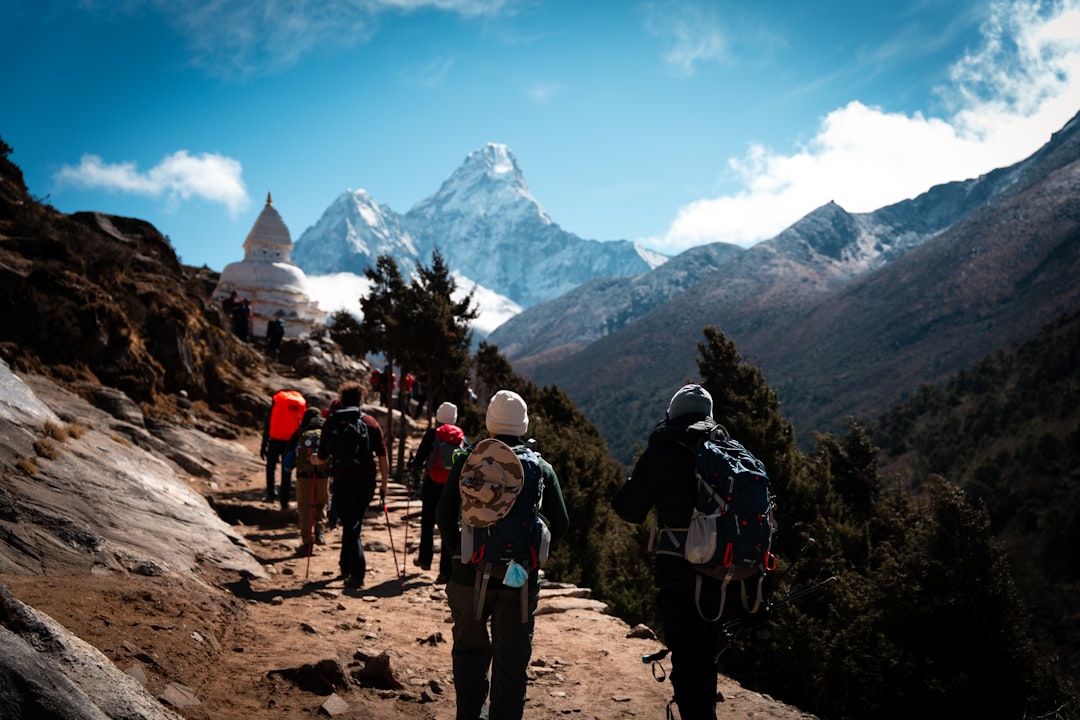
Photo by Geetangey on Unsplash
The teahouse is a long wooden structure with a tin roof, painted blue. A woman sweeps the porch as dawn breaks over the Annapurna Sanctuary—you’ve walked here alone, with a paper map and decent knees. This is possible. It’s not reckless. It requires specific knowledge about permits, trail conditions, and when to turn back.
Self-guided trekking in Nepal works because of the teahouse system. Thousands of lodges dot the major trails; you’ll sleep warm, eat rice and lentils, and meet other trekkers. But “works” has limits. Some routes are genuinely solo-friendly; others demand a guide. Knowing which is the difference between a good story and a genuine risk.
The Teahouse Network and How It Actually Functions
The teahouse system is Nepal’s hidden infrastructure. Along established trails—Annapurna Circuit, Everest Base Camp, Langtang—you’ll find a guesthouse every 3-8 km. Expect: a simple room with a foam mattress, a shared squat toilet, and water you boil yourself. Breakfast is dal bhat (rice and lentils), tea, and bread. Dinner is the same, or occasionally momos.
Proprietors depend on trekker flow. They’ll offer you a room before you ask. A basic room costs 300–800 NPR ($2–5 USD). You eat in the same lodge—dinner around 400 NPR, breakfast 200 NPR. Pay daily; they’re not banks. Food is simple but reliable. Bring your own electrolyte powder if you’re sensitive to stomach issues; many trekkers suffer from variant bacteria they’re unaccustomed to, and prevention beats treatment at 3,500 metres.
Teahouses keep basic records. If you’re worried about safety, register your passport details and planned route with your accommodation—staff know the terrain intimately and will notice if you don’t appear by an expected time.
The system breaks down on less-walked routes (anything off the circuit trails) and at extreme altitude. On the Everest Base Camp trek above 5,000m, there are teahouses, but they’re sparse and can fill up. On the Annapurna Circuit, this is not a problem: the trail is busy and lodging is ubiquitous.
Permits: TIMS and ACAP or MCAP (Non-Negotiable)
Nepal requires permits for trekking. This is not optional.
For the Annapurna region, you need an ACAP permit (Annapurna Conservation Area Project). Cost: 3,000 NPR ($20 USD) for foreign nationals. This covers entry to the conservation zone and funds local communities. You obtain it from an ACAP office in Kathmandu or from authorized trekking agencies in Pokhara.
For the Everest region, you need a MCAP permit (Makalu-Barun National Park) or the park permit from the National Park office. Cost: around 3,000 NPR. If you trek to EBC, you also need a permit to enter Sagarmatha National Park: 3,000 NPR.
For Langtang, you need a Langtang National Park permit: 3,000 NPR.
All regions require TIMS (Trekking Information Management System) registration. This isn’t a separate fee in most cases; lodges register you for free when you arrive. TIMS is a safety system: local authorities log where you are, so if you go missing, rescuers know where to look.
Obtain permits in Kathmandu before you start, or in the regional town nearest your trailhead (Pokhara for Annapurna, Jiri for Everest). Expect to spend 30 minutes at an office. Bring your passport. The system is not digital; you’ll receive a paper certificate.
Which Routes Work Solo (And Which Don’t)
Everest Base Camp Trek: 12 days, widely walked, heavily lodged. Navigation is obvious: follow the trail and the crowds. Altitude sickness is real (people summit Everest from here), but the trek itself doesn’t require mountaineering. You can do this alone. Permit required: Sagarmatha NP + TIMS.
Annapurna Circuit: 14–21 days depending on pace. The full circuit includes Thorong La (5,416m), a high pass. Below the pass, the route is unmissable—hundreds of trekkers daily. The pass itself has a teahouse village (Thorong Phedi) for acclimatization. This is solo-friendly, though Thorong La itself requires an early start (most parties leave 3–4am) and solid fitness. Permit required: ACAP + TIMS.
Annapurna Sanctuary (Poon Hill): 5–7 days, heavily trodden, short. This is the warm-up trek—perfect for solo navigation practice. Permit required: ACAP + TIMS.
Langtang Valley: 7–10 days, quieter than Everest or Annapurna, but well-lodged and unmissable on the main trail. Good solo option. Permit required: Langtang NP + TIMS.
Manali-Leh Highway: Not recommended solo without experience. This is a high-altitude road trek with sparse lodging, extreme weather, and limited escape routes. Should you miscalculate water or weather, you’re far from help.
Kali Gandaki Gorge: Remote, minimally marked. A guide is useful. Route-finding can be ambiguous, and lodging is scattered.
Rule of thumb: If the route has a name known to 1,000+ annual trekkers and appears on Google Maps with reviews, you can probably walk it solo. If you’re the only person on the trail for an hour, you may have made a navigation error.
Navigation: Maps, GPS, and When to Hire Help
A paper map and a sense of direction will get you far. Many trekkers use the Lonely Planet Trekking in the Nepal Himalaya guidebook (available in Kathmandu bookshops; 2,000 NPR), which has detailed route descriptions and elevation profiles. This is genuinely useful—follow the written descriptions closely.
Smartphone GPS works without cell coverage. Download offline maps via Google Maps, AllTrails, or Maps.me before you leave. Check your phone at teahouses; many now have WiFi. Battery life is your constraint: bring a portable charger and charge daily.
The actual trail is often marked with cairns (stacked stones) and, occasionally, paint splashes on rocks. At junctions, the more-trodden path is usually correct. When in doubt, ask other trekkers or lodge staff. Local knowledge is free and reliable—guides have no monopoly on information.
If you feel unsafe (bad weather, injury, disorientation), turn back or hire a porter from the next teahouse. Porters cost 1,500–2,500 NPR per day and can navigate in poor visibility and help carry weight if you’re injured. This is not failure; it’s judgment.
Altitude, Seasons, and Honest Risk
Altitude sickness is real. The Everest trek summits at 5,364m; the Annapurna Circuit crosses 5,416m. Most people experience some headache and fatigue above 3,500m. Severe acute mountain sickness (HAPE or HACE) occurs in roughly 1–3% of trekkers; it’s treatable if you descend immediately.
Manage altitude by: ascending slowly (max 500m elevation gain per day above 3,000m), sleeping at lower altitude than you trek to, staying hydrated, and avoiding alcohol. If you develop severe headache + nausea + dizziness, descend 500m the same day. Lodges keep oxygen bottles; cost is 2,000–3,000 NPR per bottle. This is cheaper than evacuation.
Best trekking seasons: September–October (autumn) and March–May (spring). Weather is stable, temperatures reasonable. November–February is cold at altitude; trails above 4,000m accumulate snow. June–August is monsoon; trails are muddy, leeches are present, and views are obscured.
Solo trekking in off-season is riskier. Teahouses may close; lodging becomes sparse. Don’t trek the high passes in winter without mountaineering experience.
Cost and What to Budget
Daily costs as of 2026:
| Item | Cost (NPR) | Cost (USD) |
|---|---|---|
| Teahouse room | 300–800 | 2–5 |
| Meals (breakfast + dinner) | 600 | 4 |
| Snacks/water | 300–500 | 2–3 |
| Permits | ~12,000 total | ~80 |
| Daily total | ~1,400–2,300 | ~9–15 |
A 14-day trek costs roughly $130–210 in direct trekking expenses. Flights, hotels in Kathmandu, and initial acclimatization cost extra.
Bring cash: most teahouses don’t accept cards. Change money in Kathmandu or the regional hub (Pokhara, Jiri). Rates are reasonable; no black market required.
The Bottom Line
You can trek Nepal alone if you’re fit, patient with basic teahouses, and willing to follow established routes. The Annapurna Circuit and Everest Base Camp are genuinely manageable without a guide—thousands do it annually. You need permits, a decent map, and honest self-knowledge about your fitness and tolerance for altitude.
The teahouse system is your safety net. Use it. Register with lodges, talk to other trekkers about conditions ahead, and turn back if weather or your body tells you to. Hiring a porter or guide for a section is not defeat; it’s adaptation.
Come in autumn (September–October) for the best odds of clear weather and stable conditions. Start with the shorter Annapurna Sanctuary trek if you’ve never done altitude trekking before. And don’t ignore headaches at height—they’re your body’s way of saying descend.