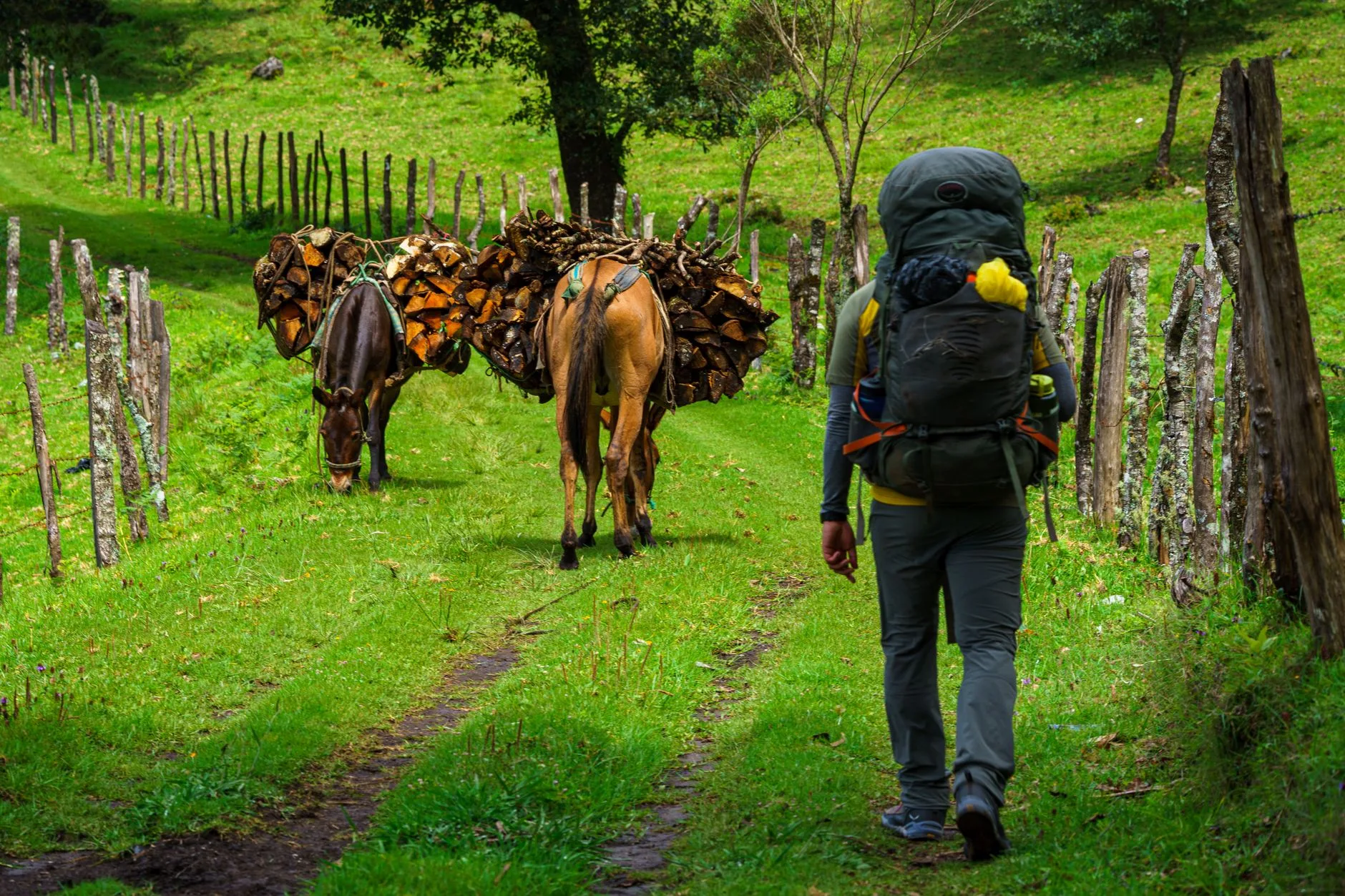
Photo by Diego Girón on Pexels
Central America — the seven countries between Mexico and Colombia — is one of the most rewarding and diverse backpacking routes in the world. Within a few weeks of overland travel, you can move from Mayan ruins in Guatemala’s highlands, through the colonial cities of Nicaragua, to the national parks and beaches of Costa Rica, to the untouched archipelagos of Panama.
The distances are short, the infrastructure for budget travellers is well-established, and the variety of landscape, culture, and experience per kilometre travelled is remarkable.
The Classic Route
The standard overland route runs south to north or north to south. Most travellers start in Mexico and work south, or fly into Panama City and work north. Flying into Guatemala City or San José (Costa Rica) is also common.
Typical order (south to north): Panama → Costa Rica → Nicaragua → El Salvador or Honduras → Guatemala → Mexico (Belize can be added as a detour from Guatemala).
Allow at least 6–8 weeks to cover the main countries without rushing. Two months is better for a pace that allows real exploration.
Country by Country
Guatemala
The cultural and archaeological high point of Central America. Antigua — a perfectly preserved Spanish colonial city surrounded by active volcanoes — is the most popular traveller base: good infrastructure, language schools, and great cafés. Lake Atitlán is one of the most beautiful lakes in the world, surrounded by indigenous villages with strong Maya traditions. Tikal (the major Mayan ruin site in the jungle near Flores) is a full-day bus or flight from Antigua but one of the most impressive archaeological sites in the Americas.
Belize
English-speaking, Caribbean-feeling, and more expensive than its neighbours. The Blue Hole (a marine sinkhole, famous from the Cousteau documentary) and the Belize Barrier Reef are the major draws. Inland, the Mayan ruins at Xunantunich and Caracol are well-maintained. Belize is often a side detour rather than a full stop on the Central American circuit.
El Salvador
The most overlooked country in Central America — small, compact, and with a genuine surf culture on its Pacific coast. The Ruta de las Flores (a string of small towns with craft markets, flowers, and pupuserias — the national dish) is one of the most enjoyable short itineraries in the region. Santa Ana, with its extraordinary Gothic cathedral and proximity to Lago Coatepeque, is an underrated base.
Honduras
Bay Islands (Roatán, Utila) for some of the cheapest scuba diving in the world. Utila is famous for whale shark sightings. Copán Ruinas is a genuine rival to Tikal for Mayan sculptural quality — the stelae at Copán are the most detailed in the Maya world.
Nicaragua
The most politically complicated of the Central American countries — ongoing social and political tensions have reduced traveller numbers significantly. Those who go find an extraordinary destination: León (the liberal university city with stunning cathedral frescos), Granada (a colonial city on Lake Nicaragua), the Ometepe Island (twin volcanoes rising from the lake), and the remote Corn Islands in the Caribbean.
Costa Rica
The easiest Central American country to travel — excellent tourist infrastructure, stable politics, and the most biodiversity per square mile of any country in the world. More expensive than its neighbours (by a significant margin). Monteverde cloud forest, the Osa Peninsula, Tortuguero (sea turtle nesting), and Arenal volcano (with hot springs) are the major draws.
Panama
Panama City is the regional hub — a genuine global city with a striking skyline, the Panama Canal, and a large Casco Viejo (colonial quarter). The San Blas Islands (accessible by speedboat from the city) are Caribbean archipelago paradise, administered by the indigenous Guna people. Bocas del Toro in the north is a backpacker beach destination.
Overland Crossings
Border crossings in Central America are generally straightforward but vary in organisation:
- Guatemala–Mexico: Several crossings; the most used is El Carmen–Talismán
- Guatemala–Belize: Benque Viejo/Melchor de Mencos
- Guatemala–El Salvador, Honduras: Various options; shuttle buses used by most travellers
- Nicaragua–Honduras: El Guasaule or Las Manos (most popular)
- Nicaragua–Costa Rica: Peñas Blancas (busy, allow 1–2 hours)
- Costa Rica–Panama: Paso Canoas (most common)
Shuttle buses (pre-organised tourist vehicles) handle most popular routes and often cross the border with you, which reduces the administrative burden significantly. More expensive than local buses but much faster and less confusing.
Costs
Central America varies significantly in cost:
| Country | Budget daily spend (accommodation + food + transport) |
|---|---|
| Guatemala | £20–30 |
| El Salvador | £20–30 |
| Honduras | £20–35 |
| Nicaragua | £20–35 |
| Belize | £45–65 |
| Costa Rica | £50–80 |
| Panama | £40–60 |
Practical Notes
Safety: Most of Central America is safer for travellers than headlines suggest — but pick-pocketing and theft from bags are the most common problems. Guatemala City and San Salvador should be navigated with care. Nicaragua’s political situation warrants checking current FCO advice.
Health: Malaria prophylaxis is recommended for some areas (rural Panama, Honduras coast); dengue fever is present throughout; yellow fever vaccination recommended for jungle areas. Check with your GP before travel.
Language: Spanish throughout (except Belize). Basic Spanish makes Central America significantly more accessible and enjoyable.
Conclusion
Central America rewards an itinerary that prioritises depth over coverage:
- Guatemala is the cultural heart — budget at least 2 weeks between Antigua, Atitlán, and Tikal
- Costa Rica is worth the extra cost — the national parks justify the price premium over neighbouring countries
- Use shuttle buses for border crossings — they cost more than local transport but save hours of confusion
- Check FCO advice on Nicaragua before going — the situation has been volatile
- Panama City is an underrated stop — the Casco Viejo, the Canal, and the ease of onward connections make it a worthwhile final city
Keep reading: First time visiting Colombia: what to expect