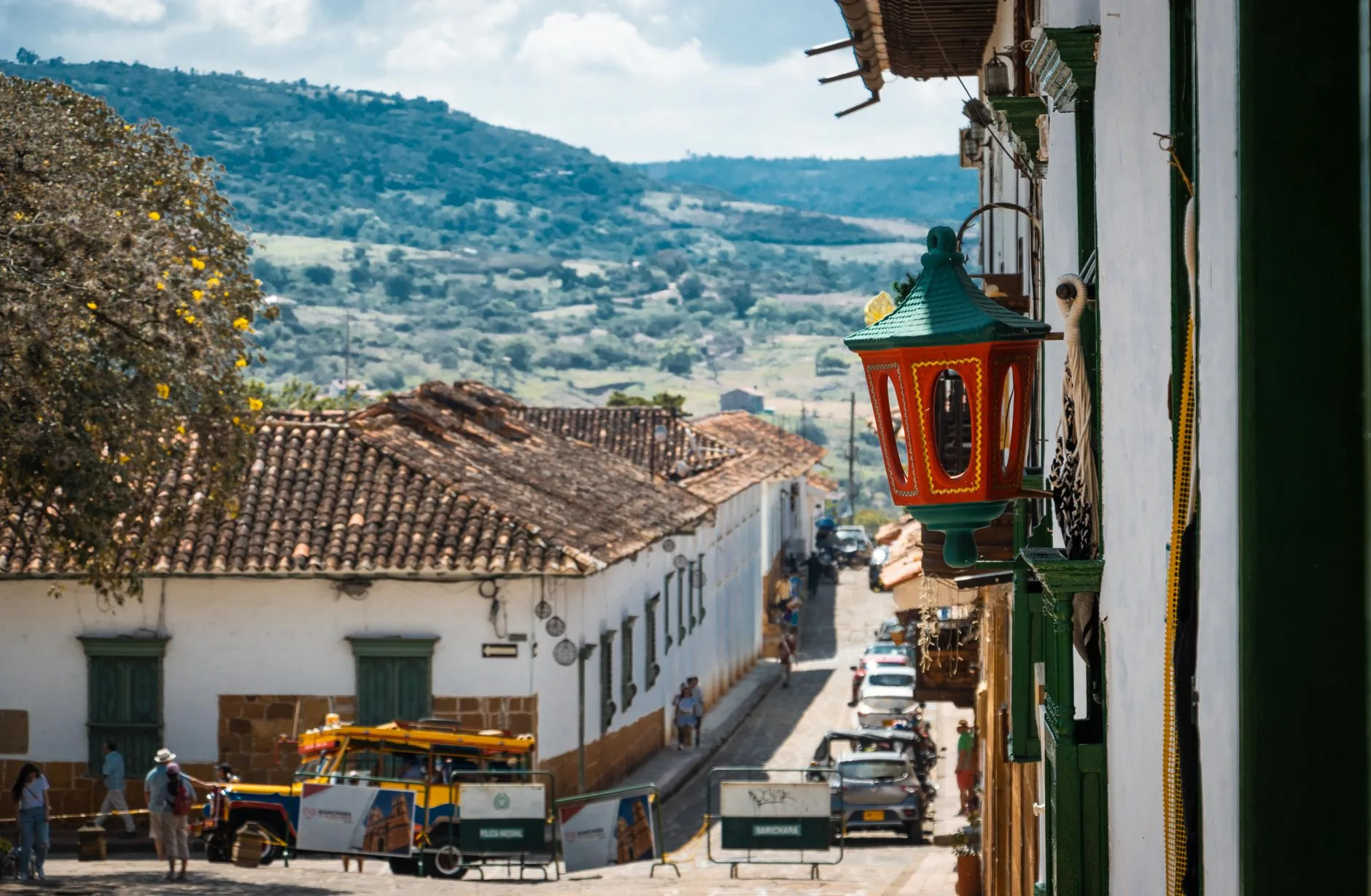
Photo by Robert Acevedo on Pexels
Colombia’s reputation changed more dramatically than almost any country in recent decades. The country that international visitors avoided through the 1980s and 1990s is now one of South America’s most visited destinations, with a thriving arts scene in Medellín, a Caribbean coast that rivals anywhere in the region, and a coffee cultural landscape that is legitimately extraordinary.
The change is real, not just a tourism board talking point. But Colombia still requires more awareness than a European or East Asian destination — specific neighbourhoods and regions require judgment that a first-time visitor should have in advance.
Getting In
Visa: Citizens of most Western countries receive 90-day visa-free entry. The 90 days can be used continuously or across multiple entries within 365 days. Check the Colombian Cancillería website (cancilleria.gov.co) for your nationality.
Airport: Bogotá El Dorado (BOG) is the main international hub. Medellín José María Córdova (MDE) and Cartagena Rafael Núñez (CTG) have direct international connections from the US and limited European options. Most European visitors connect via Bogotá.
Bogotá
Colombia’s capital is large, complex, and underestimated. The historic La Candelaria neighbourhood has some of the country’s best colonial architecture, the Gold Museum (Museo del Oro — the most significant pre-Columbian gold collection in the world), and the Botero Museum (featuring the Colombian artist’s distinctive figurative sculptures). These are free or near-free.
The Zona Rosa and Chapinero Alto neighbourhoods to the north have Bogotá’s best restaurants, bars, and nightlife — concentrated enough to walk between, safer than the historic centre at night, and genuinely excellent food.
The TransMilenio bus system covers most of the city; Uber and Cabify are widely used and generally safer than flagging taxis.
Safety in Bogotá: La Candelaria during the day is busy with tourists and reasonably safe; don’t take it out at night. Avoid the southern districts (Kennedy, Bosa, Soacha) as a tourist. The northern districts (Chapinero, Usaquén, Zona Rosa) are equivalent to any Latin American capital in terms of normal tourist safety.
Allow 2–3 days for Bogotá.
Medellín
Medellín’s transformation from the world’s most dangerous city in the early 1990s (when Pablo Escobar’s Medellín Cartel was operating) to a byword for urban renewal has been extensively written about. The city built cable cars to connect hilltop comunas that were previously gang-controlled and too dangerous for city services; the same cable cars now bring tourists to the Parque Biblioteca España and views across the city.
El Poblado is the traveller district — safe, well-serviced, full of hostels, bars, and restaurants. The neighbourhood is so concentrated that it can feel slightly artificial after a while — venture into Laureles (more residential, excellent food scene) and the botanical garden area for a fuller sense of the city.
The Pablo Escobar tourism is a genuine phenomenon and ethically complex. Tours visit his grave, his properties, and tell the story through the lens of his former hitman/”tour guide” Popeye. Many Colombians find this tourism uncomfortable — context and judgment matter here.
Medellín is the most popular destination in Colombia for extended stays, partly due to its climate (1,500m altitude means “spring weather” year-round — warm days, cool evenings) and partly due to the quality of the city’s arts and food scene.
Cartagena and the Caribbean Coast
Cartagena’s walled colonial city is one of the most beautiful in the Americas — a 16th-century Spanish fortress city with pastel-coloured houses, bougainvillea cascading from balconies, and a Caribbean heat that makes movement slow and purposeful. The walled city (Ciudad Amurallada) is a UNESCO World Heritage Site; walking the old walls at sunset is one of the best things you can do in Colombia.
Beyond the city, the Islas del Rosario (a coral archipelago 45 minutes by boat) offer snorkelling and diving. The beaches directly outside Cartagena are often dirty; the islands or the quieter Playa Blanca (on the Barú peninsula) are better.
The Caribbean coast beyond Cartagena extends to Santa Marta (a more relaxed coastal city, gateway to the Lost City trekking and Tayrona National Park), and Mompox (an inland colonial city on the Magdalena River, almost entirely unvisited and extraordinary).
The Coffee Region (Eje Cafetero)
The coffee triangle between Manizales, Armenia, and Pereira is one of Colombia’s most distinctive regions — a landscape of steep volcanic hillsides planted with coffee, banana trees, and wax palms (Colombia’s national tree, the tallest palm in the world). The town of Salento is the main visitor base: brightly painted colonial architecture, surrounded by coffee fincas, with the Valle de Cocora (a valley of giant wax palms rising from cloud forest) a 45-minute walk away.
A coffee tour at one of the surrounding fincas gives the full process from cherry-picking to roasting. Most fincas offer tours for approximately COP 30,000–60,000 ($7–15) including a tasting.
Getting Around Colombia
Domestic flights: The fastest option for long distances. Colombia is larger than it appears — Bogotá to Cartagena is 1,000km. Avianca and LATAM run frequent domestic routes; book through their websites for the best prices.
Intercity buses: Excellent for medium distances (Medellín to Bogotá is 8–9 hours, Bogotá to Salento 5–6 hours). Comfortable reclining bus seats on the main routes. Book at the terminal or through Redbus.
Safety on the road: Specific roads between cities have historically had risk from criminal groups, though conditions improve regularly. Check current advice for any long-distance bus journey — the Cartagena–Santa Marta coastal road and Bogotá–Medellín highway are generally fine; some mountain roads require more caution. Flying is always an option if in doubt.
Costs
Colombia sits in the middle of South American travel costs:
| Item | Approximate cost (COP / £ equivalent) |
|---|---|
| Hostel dorm | 30,000–60,000 COP (£6–12) |
| Budget private room | 70,000–150,000 COP (£14–30) |
| Set lunch (bandeja paisa or almuerzo) | 12,000–25,000 COP (£2.40–5) |
| Restaurant dinner | 30,000–80,000 COP (£6–16) |
| Domestic flight Bogotá–Medellín | 80,000–200,000 COP (£16–40) |
| Bogotá–Medellín bus | 40,000–70,000 COP (£8–14) |
| Coffee finca tour | 30,000–60,000 COP (£6–12) |
Budget travellers: £30–50/day. Mid-range: £60–100/day.
Conclusion
Colombia is one of South America’s most rewarding first-time destinations — genuinely diverse, culturally rich, and significantly safer than its recent history suggested:
- Medellín + the Coffee Region + Cartagena forms the best practical triangle for a first visit of 10–14 days
- Use domestic flights between Bogotá and Cartagena — it’s a 1-hour flight versus 20-hour bus
- Stick to well-established tourist areas at night — El Poblado, Zona Rosa, Cartagena old city — and exercise normal urban awareness
- The Coffee Region needs 3–4 days — Salento is the base and the Valle de Cocora is unmissable
- The bandeja paisa (full plate of rice, red beans, chicharrón, arepa, fried egg, chorizo) is the national dish — order it at least once
Keep reading: Budget travel in Nepal: beyond the tourist trail