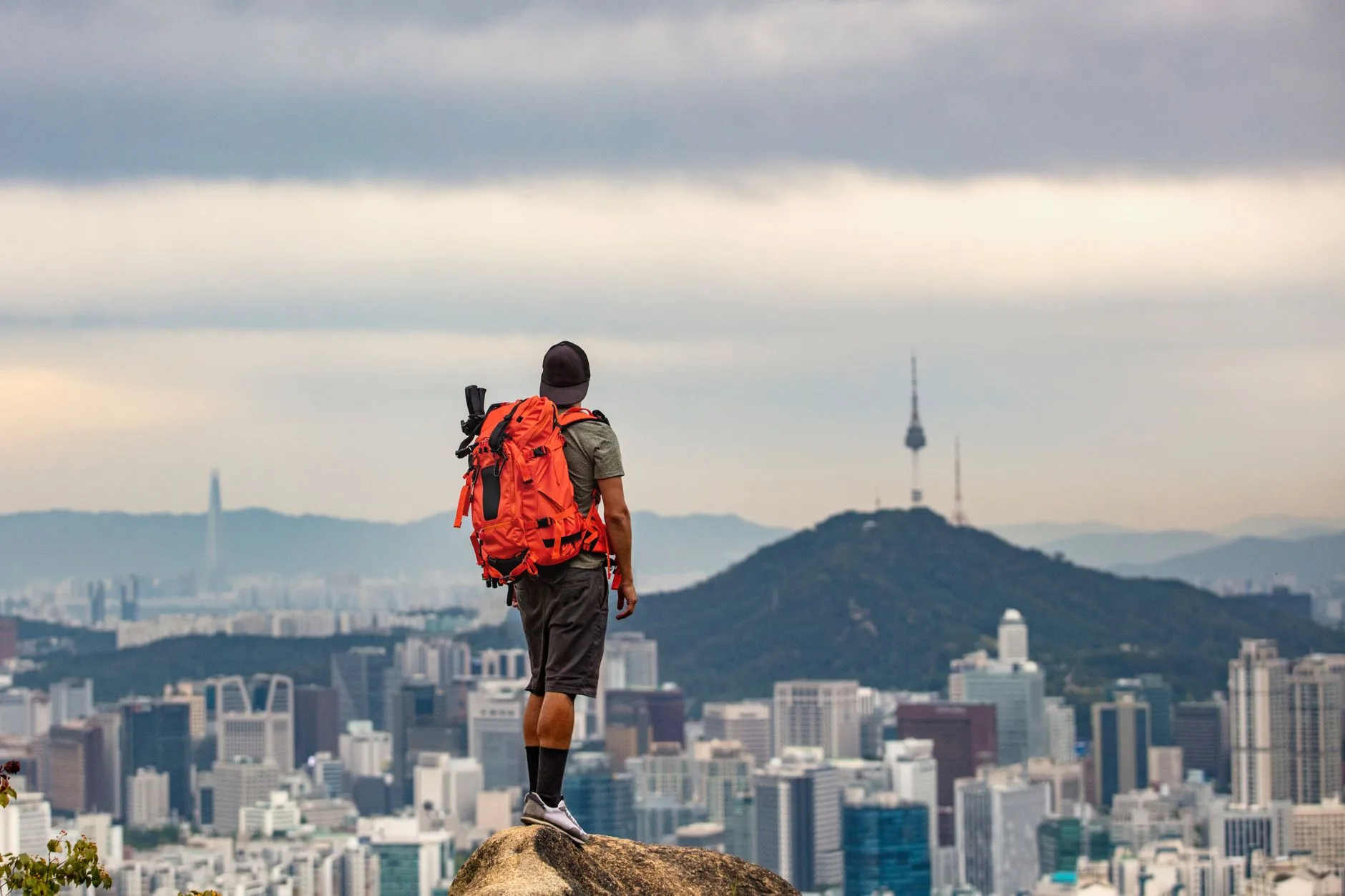
Photo by Stephen Leonardi on Pexels
South Korea is one of the most underrated travel destinations in East Asia — and one of the easiest for independent travellers. Seoul is a world-class city, the public transport network is outstanding, the food is genuinely excellent, and the country is compact enough to cover significant ground in 2–3 weeks. Despite being less well-trodden than Japan or Thailand, it has all the infrastructure to make independent travel comfortable.
Getting In
Visa: UK, EU, US, Canadian, and Australian citizens can enter South Korea visa-free for 90 days under the Korea Electronic Travel Authorization (K-ETA) system. As of March 2024, K-ETA was temporarily suspended for most Western nationalities (check current requirements before travel — this status changes). Even without K-ETA, many Western nationalities enter visa-free on arrival.
Flights: Direct flights from London to Seoul Incheon (ICN) take approximately 11 hours. Korean Air, Asiana, and British Airways operate direct routes. Incheon is consistently rated the world’s best airport — the transit is excellent if you have a layover.
Getting Around
Seoul Metro: One of the best metro systems in the world — extensive, clean, affordable, and entirely navigable in English. A T-money card (contactless transport card, available at the airport or any convenience store) works on metro, buses, and even taxis. Top up at metro station machines or 7-Eleven.
KTX (Korea Train Express): High-speed rail connects Seoul with Busan in 2.5 hours, with Gyeongju, Gwangju, and Jeonju on branching lines. Inexpensive compared to European high-speed rail (Seoul–Busan approximately £25–40). Book on the Korail website (letskorail.com).
Intercity buses: Faster than trains for some routes. The Kobus and Central City bus terminals in Seoul connect to all major destinations.
Taxis and Kakao T: Taxis in South Korea are inexpensive and reliable. The Kakao T app (Korea’s equivalent of Uber) works well and avoids language barriers.
Seoul
Seoul has 10 million people in the city proper and 25 million in the greater metropolitan area — the third largest city in the OECD and completely unlike any other East Asian megacity in character.
Neighbourhoods to know:
-
Jongno (Insadong, Bukchon): The historic heart of the city. Gyeongbokgung Palace (the main Joseon dynasty palace), Bukchon Hanok Village (traditional Korean houses — best early morning), and Insadong street (craft shops, galleries, and tea houses). Cheong Wa Dae (the former presidential Blue House) has been open to visitors since 2022.
-
Hongdae: The university neighbourhood — independent music venues, street art, young people, cheap food, and the best nightlife in the city. The areas around Yonsei and Hongik universities are where the underground music and arts scene operates.
-
Itaewon: The international district — diverse restaurants, bars, and clubs. The area has gentrified significantly; the Haebangchon and Hannam sub-neighbourhoods are more interesting for independent restaurants.
-
Dongdaemun: The fashion and market district — Dongdaemun Design Plaza (an extraordinary futuristic building by Zaha Hadid) and the traditional markets surrounding it.
-
Gwangjang Market: The best food market in Seoul. The raw beef (yukhoe), bindaetteok (mung bean pancakes), and mayak kimbap (small kimbap rolls) from the market stalls are essential eating.
Beyond Seoul
Busan
Korea’s second city — a coastal city with a seafront fish market (Jagalchi Market), beach neighbourhoods (Haeundae, Gwangalli), and the most remarkable street art district in Korea (Gamcheon Cultural Village, a neighbourhood of brightly painted houses climbing a hillside). 2.5 hours from Seoul by KTX.
Gyeongju
The ancient capital of the Silla dynasty — a city surrounded by burial mounds (royal tumuli), Buddhist temple complexes (Bulguksa, a UNESCO World Heritage Site), and stone carvings (Seokguram Grotto). The best day trip or overnight stop on the Seoul–Busan corridor.
Jeonju
Famous for two things: hanok (traditional architecture) and bibimbap. The Hanok Village in Jeonju is the best-preserved traditional urban neighbourhood in Korea outside of Bukchon — but at a scale where you can stay overnight in a hanok guesthouse and experience it without tourist crowds. 2.5 hours from Seoul by KTX or bus.
Jeju Island
Korea’s largest island, off the southern coast — volcanic landscape (Hallasan mountain, lava tube caves), excellent beaches, and unique Jeju culture (the haenyeo — female free divers — are a UNESCO cultural heritage). Accessible by flight (1 hour from Seoul) or ferry.
Food
Korean food culture is outstanding and among the best street food and restaurant experiences in East Asia:
- Korean BBQ (gogi-gui): The definitive Korean restaurant experience — grill meat (samgyeopsal/pork belly or galbi/short rib) at your table over charcoal. Side dishes (banchan) come automatically.
- Bibimbap: Literally “mixed rice” — rice topped with vegetables, meat, and gochujang (chilli paste), mixed at the table.
- Tteokbokki: Spicy rice cakes in gochujang sauce — the definitive Korean street food snack.
- Chimaek: Fried chicken with beer — an enormous cultural institution. Korean fried chicken is double-fried, extraordinarily crispy, and comes in numerous sauce variations.
- Convenience stores (GS25, CU, 7-Eleven): Korean convenience stores are genuinely good — ramen cooked on-site, fresh kimbap, dumplings, and ready meals are all high quality.
Costs
South Korea is moderately priced — cheaper than Japan but more expensive than Southeast Asia:
| Item | Approximate cost |
|---|---|
| Budget guesthouse/hostel (dorm) | £15–25/night |
| Budget hotel/guesthouse (private room) | £40–70/night |
| Seoul Metro single fare | £1–1.50 |
| Convenience store meal | £2–4 |
| Restaurant meal (local) | £5–10 |
| Korean BBQ per person | £15–25 (including drinks) |
| KTX Seoul–Busan | £25–40 |
Daily budget: £40–60 including hostel accommodation, local food, and public transport.
Conclusion
South Korea rewards an itinerary that mixes Seoul with the rest of the country:
- Get a T-money card immediately at the airport — it works everywhere
- Stay in Hongdae for nightlife, Jongno for history — they’re different experiences
- Take the KTX to Busan — the journey and the city are both worth it
- Jeonju for hanok and bibimbap — the best traditional architecture experience outside Seoul
- Eat at a Korean BBQ restaurant at least once — preferably in a local neighbourhood rather than a tourist area
Keep reading: Two weeks in Japan without a guided tour