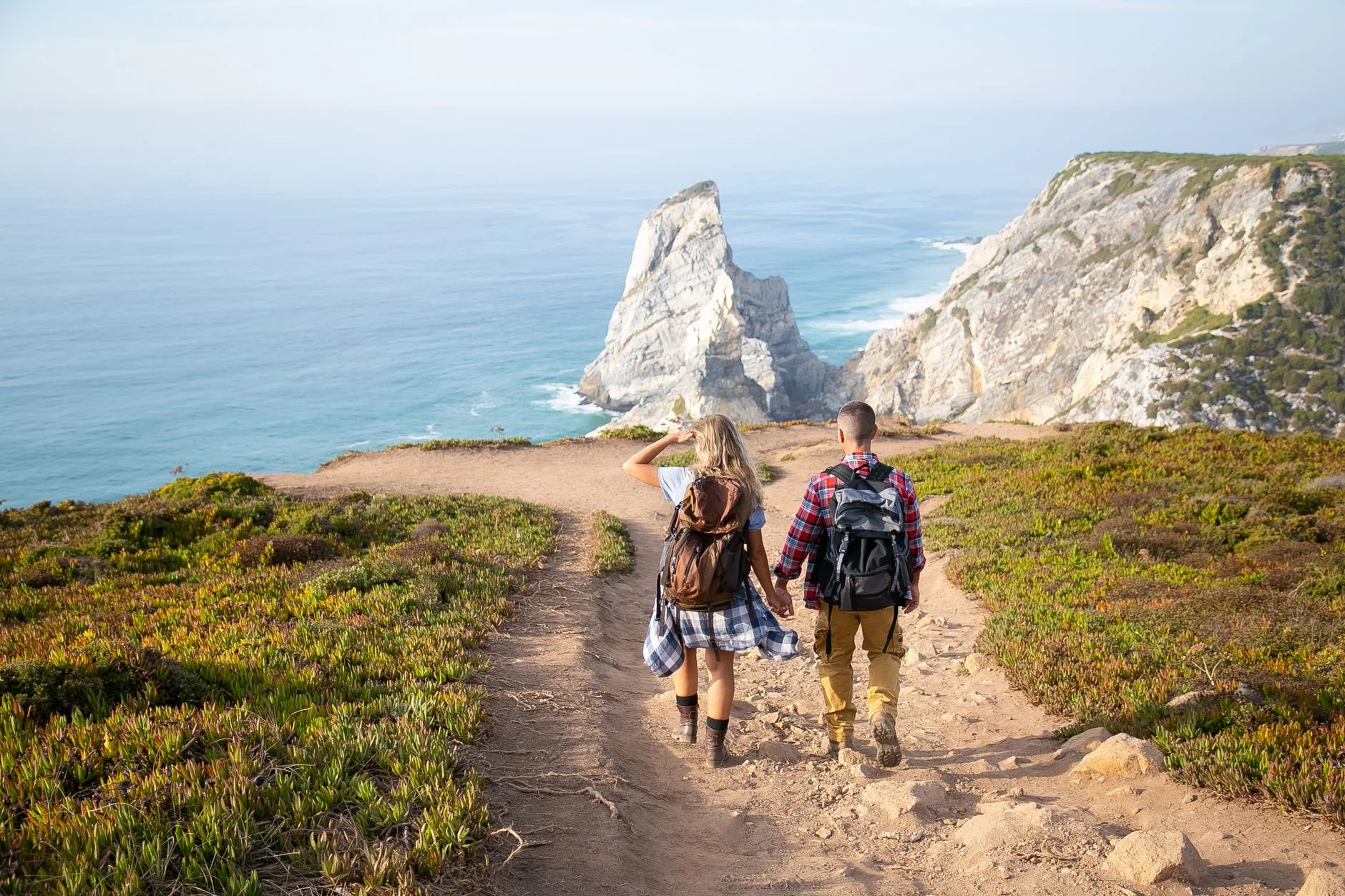
Photo by Kampus Production on Pexels
Lisbon is excellent but it’s also crowded, increasingly expensive, and only a small part of what Portugal offers. The country’s other cities — Porto, Coimbra, Évora — are significantly less visited and more affordable. The Alentejo interior, the Douro Valley, and the far north are largely unknown to mass tourism. And the Algarve outside July–August is genuinely beautiful rather than overcrowded.
Costs
Portugal is one of the cheaper Western European countries, though prices have risen noticeably in Lisbon and Porto since 2020.
Budget: £35–55/day
Mid-range: £60–100/day
Daily breakdown (budget):
– Hostel dorm: £12–22
– Menu do dia (set lunch): £7–12
– Pastel de nata: £1.20–1.80
– Beer (imperial): £1.50–2.50
– Local wine (carafe): £4–7
– Urban bus/metro single: £1.50–2
Porto
Porto is widely considered the better city for slow travel — smaller, easier to navigate, better value, and with a distinct character that Lisbon’s rapid gentrification has partially eroded.
What to do: The ribeira (riverside), the old wine cellars of Vila Nova de Gaia across the river (port wine tastings), Livraria Lello (the bookshop, genuinely worth queuing for — buy the entrance ticket online), the São Bento station azulejo tiles, Foz do Douro (where the river meets the Atlantic).
Food: Francesinha (sandwich in spiced tomato and beer sauce, heavy but excellent), bacalhau (salt cod — the Portuguese eat it in 365 different ways, or so they claim), bifanas (pork sandwiches in wine sauce), fresh Atlantic fish at the mercado.
Day trip: Braga (baroque churches, Bom Jesus sanctuary on the hill) 1 hour by train; Viana do Castelo (riverside town, bridge designed by Eiffel’s firm); Douro Valley by the most scenic railway line in Portugal.
The Douro Valley
The Douro river cuts through terraced vine-covered schist hillsides from Porto to the Spanish border. The scenery is spectacular — one of the best train journeys in Europe (Porto Campanhã to Pocinho), or a boat trip from Porto.
Pinhão is the village hub of the wine country. Family quintas (wine estates) offer tastings. The village itself is notable for its azulejo-tiled train station depicting scenes of the harvest.
Staying overnight in the valley — there are affordable guesthouses and a handful of agritourism properties — gives the full harvest (September–October) or off-season (May–June) experience.
Coimbra
University city with one of Europe’s oldest and most beautiful libraries (Biblioteca Joanina — book tickets). Fado de Coimbra is a more melancholic, male-vocal tradition than Lisbon’s Fado — performances in university quarter cafés are atmospheric and frequently free.
Much cheaper than Lisbon or Porto. Good base for Conimbriga (remarkably well-preserved Roman ruins, 15km south by bus).
The Alentejo
Portugal’s interior — cork forests, Roman ruins, whitewashed hilltop towns, olive oil, and the country’s best red wines. Far less visited than the coast.
Évora: UNESCO-listed walled city with a Roman temple, medieval cathedral, and the unsettling (genuinely compelling) Chapel of Bones. Explore in a day from Lisbon (1h20 by train) or stay overnight.
Mértola: Remote walled town on the Guadiana river, with one of the few surviving Moorish mosques converted to a church in Portugal. Almost no tourists.
Wine: Alentejo produces Portugal’s most internationally recognised wines — try at source in Évora or at any local restaurant.
The Algarve Off-Season
The Algarve in July–August is overcrowded and overpriced. In May, June, September, and October it’s an entirely different proposition: the beaches are genuinely excellent, the water is swimmable, accommodation is 40–60% cheaper, and you can actually get a table at a restaurant.
Beyond the main resorts: The western Algarve coast (Sagres, Carrapateira, Arrifana) is much wilder and less developed than the central/eastern coast. Sagres at the southwestern tip of Europe has a dramatic clifftop fort and consistent surf.
Getting Around
Trains (CP – Comboios de Portugal): Good connections between Lisbon, Porto, Coimbra, and Faro (Algarve). Book at cp.pt. Regional trains are significantly cheaper than intercity (Alfa Pendular) trains.
Rede Expressos buses: Cover the whole country including smaller towns not served by train. Often the only option for Alentejo. Buy at rede-expressos.pt.
Flixbus: Serves major intercity routes; sometimes cheaper than Portuguese operators for advance booking.
Renting a car: Essential for proper Alentejo exploration and the western Algarve. Roads are good; costs are reasonable (from £25–40/day).
Practical Notes
Language: Portuguese is not Spanish — Brazilians and Spanish speakers sometimes assume they understand it and don’t. English is widely spoken in tourist areas; basic Portuguese or Spanish is useful in rural areas.
Tipping: Not mandatory. Round up or leave 5–10% in restaurants if service was good. Not expected.
Siesta culture: Some smaller shops and restaurants close 1–3pm, particularly in smaller towns and Alentejo.
Summary
Portugal beyond Lisbon:
- Porto deserves at least 3 nights — smaller, cheaper, and arguably better than Lisbon for slow travel
- The Douro Valley train from Porto is one of Europe’s most scenic railway journeys — buy a window seat and go in the morning light
- Alentejo is the real rural Portugal — Évora is the entry point; Mértola is the reward for going further
- The Algarve is excellent in May/June and September — same beaches as August at 40–60% of the cost
- Menu do dia (set lunch) — three courses including wine for £7–12 — is the budget traveller’s best tool anywhere in Portugal
Keep reading: Best cities in Europe for slow travel: top 10