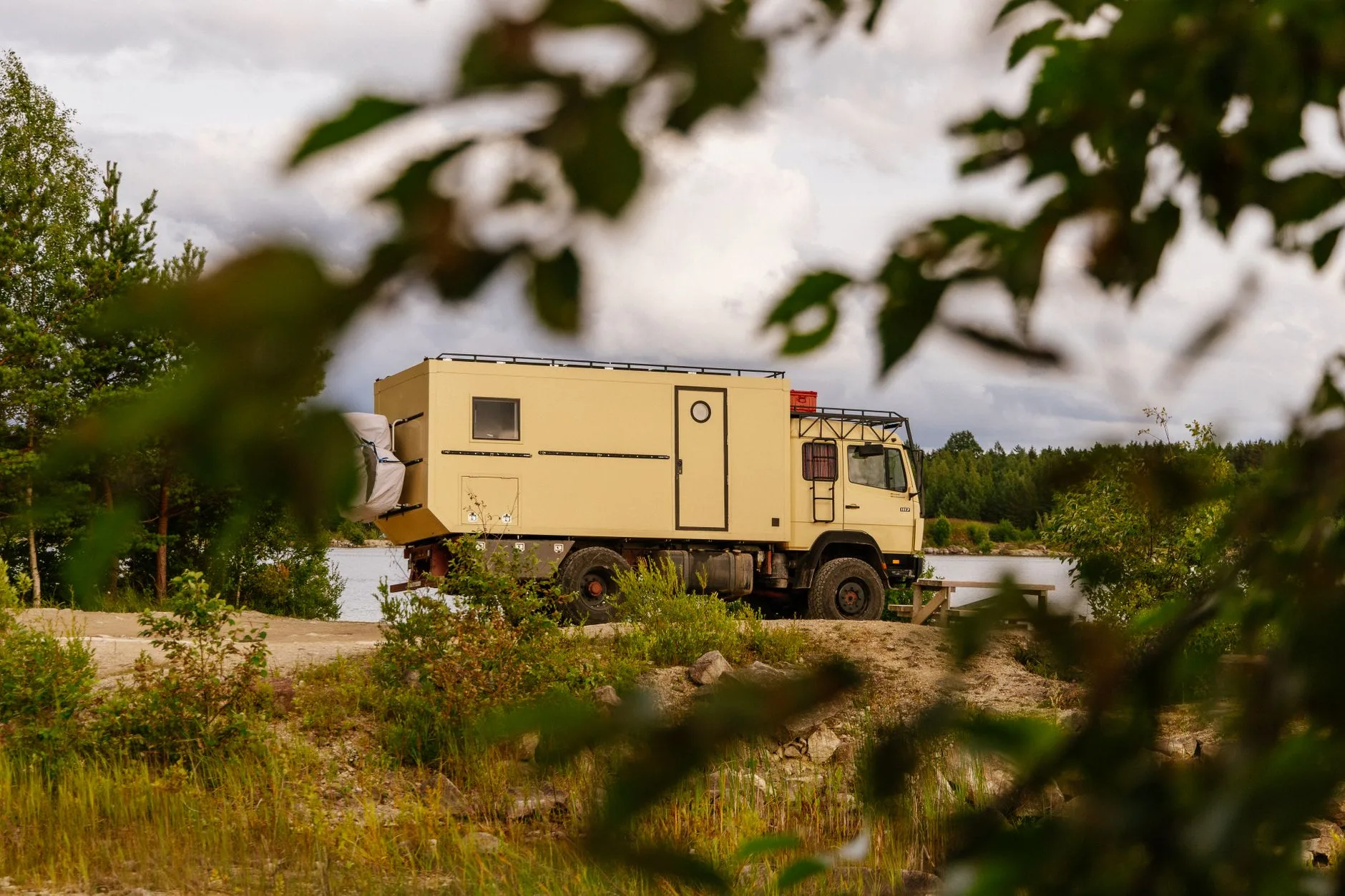
Photo by Anton Massalov on Pexels
The overland route from Europe to Asia covers some of the world’s most historically significant territory — the Silk Road, the Caucasus mountains, the Central Asian steppe — and does so without a single flight. It’s also far more feasible for independent travellers than it appears from the outside: established transport networks, well-worn traveller routes, and decades of independent travel experience documented online make this one of the world’s great overland journeys.
The main question isn’t whether it’s possible — it is. The question is which route to take.
The Main Routes
There are four broad overland routes from Europe to Asia:
Route 1: The Classic Silk Road (via Turkey, Caucasus, Central Asia)
London → Istanbul → Ankara → Eastern Turkey → Georgia or Iran → Azerbaijan or Central Asia → Uzbekistan → Kyrgyzstan or Kazakhstan → China
Route 2: The Trans-Siberian / Trans-Mongolian
London → Moscow → Trans-Siberian Railway → Beijing or Ulaanbaatar
Route 3: Via Turkey and Iran to India
London → Istanbul → Ankara → Eastern Turkey → Iran → Pakistan → India
Route 4: Via Russia and Central Asia (avoiding Iran)
London → Moscow → Kazakhstan → Uzbekistan → Kyrgyzstan → China or India
Route 1 and Route 2 are the most commonly done by independent travellers.
Route 1: The Silk Road Route
Europe to Istanbul:
The most common starting point is either flying to Istanbul (if you want to go quickly) or travelling by train — the journey from London to Istanbul can be done by rail via Paris, Munich, Budapest, Bucharest, and Sofia, though it takes 4–5 days and requires several changes.
Istanbul to Eastern Turkey:
Overnight buses and train from Istanbul to the east — Erzurum (10 hours) is the main staging post for crossing into Georgia or Armenia.
Georgia:
The Caucasus crossing (entering Georgia at Sarp on the Black Sea coast or at Batumi by ferry) gives access to Tbilisi and the mountains before continuing east. From Tbilisi, the crossing into Azerbaijan (by bus or shared taxi via the Krasny Most/Red Bridge border) takes approximately 4–5 hours to Baku.
Azerbaijan:
Baku is a modern oil-wealth city with a UNESCO-listed old town and a functioning ferry connection across the Caspian Sea to Turkmenistan or Kazakhstan. The Caspian ferry is famously irregular — it runs when cargo is available, not on a schedule, and waits of 24–72 hours in the port are normal.
Central Asia:
From Turkmenbashi (Turkmenistan) or Aktau (Kazakhstan) across the Caspian, the route continues through Central Asia — Uzbekistan (Tashkent, Samarkand, Bukhara), then either Kyrgyzstan (via the Fergana Valley) or Kazakhstan, and eventually into China via one of several road or rail crossings.
Route 2: The Trans-Siberian
The Trans-Siberian Railway is one of the world’s great journeys — approximately 9,289km from Moscow to Vladivostok (the full route), or branching south at Ulan-Ude through Mongolia to Ulaanbaatar and Beijing (the Trans-Mongolian), or through northeastern China to Beijing (the Trans-Manchurian).
Getting to Moscow: By train from London — via the Channel Tunnel, Brussels, Cologne, Warsaw (2 days). No longer possible via the pre-war direct Eurostar–Berlin route in the traditional form.
The train itself: 3rd class (platzkart) is an open dormitory with 54 berths — the authentic way. 2nd class (kupe) is a 4-berth compartment. Tickets booked on the Russian Railways website (rzd.ru) or through specialist agencies (Real Russia, Monkey Shrine, etc.).
Duration: Moscow to Vladivostok takes approximately 6.5 days of continuous travel; the Trans-Mongolian branch to Beijing takes approximately 6 days.
Visas: Requires Russian visa (now extremely difficult for UK and most Western citizens following geopolitical changes — verify current requirements), Mongolian visa (required for some nationalities), Chinese visa.
Note: The Russian sanctions situation and the war in Ukraine have made this route significantly more complicated for Western travellers as of 2024. Verify current entry requirements before planning.
Route 3: Via Iran to South Asia
The route from Turkey through Iran to Pakistan and India is the historical “hippie trail” of the 1960s–70s. The Pakistan–Afghanistan section is currently effectively impassable for most Western travellers. The Turkey–Iran section is feasible for most European nationalities (check current travel advice).
This route requires Iranian and Pakistani visas (difficult for some nationalities) and is not recommended without very thorough current research.
Visas and Practicalities
The key nationalities with the most complex visa situations for overland travel:
– Russian visa: Currently nearly impossible for UK/EU/US citizens without extraordinary circumstances
– Chinese visa: Relatively straightforward; apply at least 4 weeks in advance
– Iranian visa: Available for most EU citizens; difficult for US, UK, Canadian nationals — check current requirements
– Turkmenistan transit visa: Required for Caspian crossing; historically difficult to obtain
For the Silk Road route that avoids Russia and Iran (via Caucasus, Azerbaijan, Caspian), most of the Central Asian countries now offer visa-free entry for UK, EU, and US citizens — making the route more accessible than it has ever been.
What to Budget
The overland route from Europe to Central Asia takes 4–8 weeks for the Silk Road section. A realistic budget:
- Transport: £500–1,000 for trains, buses, and ferries across the route
- Accommodation: £15–30/night average (budget guesthouses)
- Food and activities: £15–30/day
- Total per month: £1,500–2,500 depending on pace and accommodation standard
Conclusion
The overland journey from Europe to Asia is one of the most rewarding ways to travel — every hour of the journey is the journey:
- The Silk Road route (Caucasus → Central Asia) is the most feasible for Western travellers currently — most countries now offer visa-free entry
- The Trans-Siberian is complicated by the current situation with Russian visas for Western nationals
- Allow more time than you think — ferry waits across the Caspian, border crossing delays, and the irresistibility of places you didn’t plan to stop all consume time
- Central Asia visa-free entry has transformed the Silk Road route — Uzbekistan, Kyrgyzstan, and Kazakhstan are now accessible without advance visa planning for most nationalities
- Start in Istanbul or Tbilisi if you want to join the overland route mid-way rather than starting from London
Keep reading: Independent travel in Uzbekistan: Silk Road guide