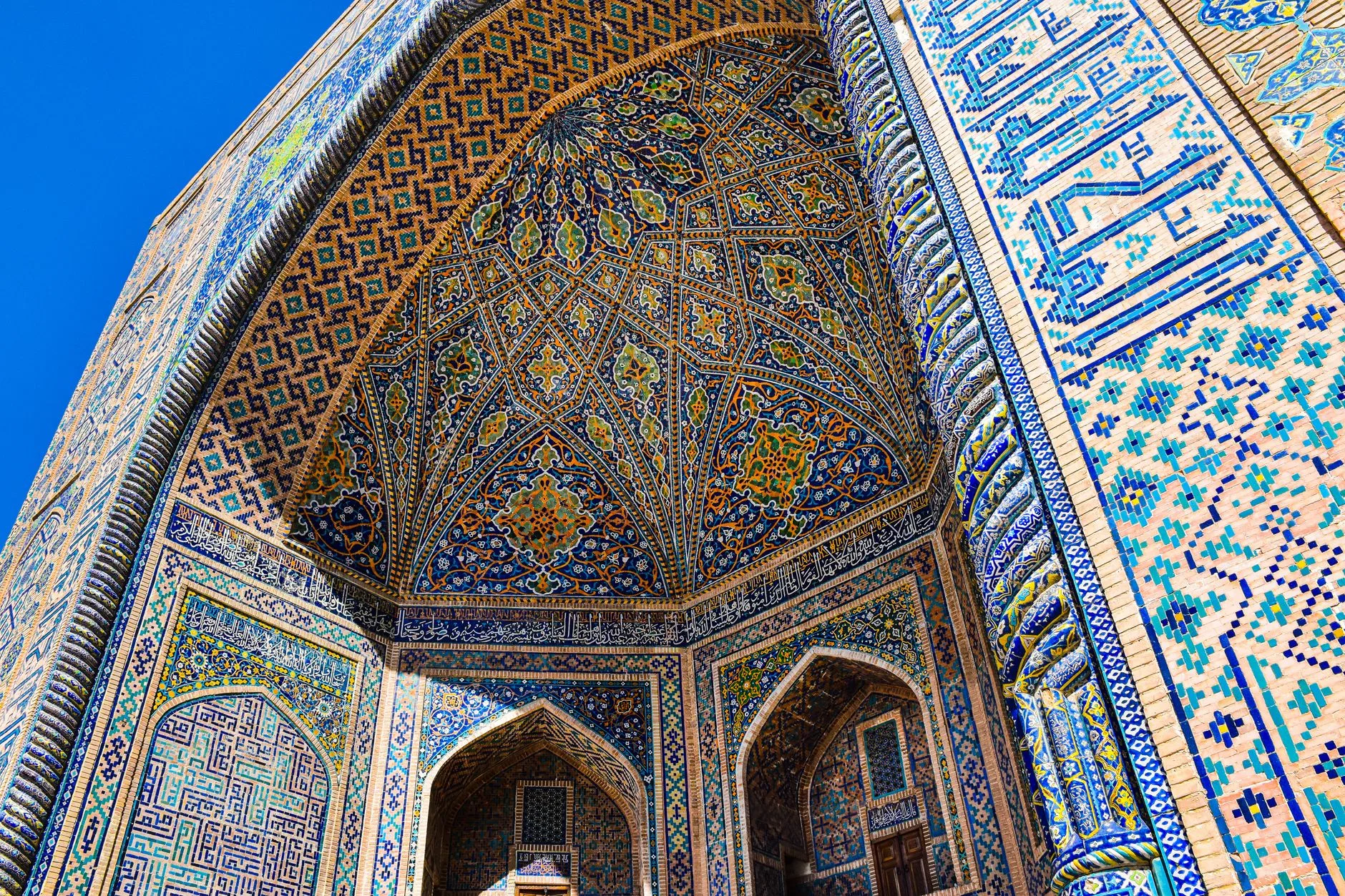
Photo by AXP Photography on Pexels
Uzbekistan contains three of the most extraordinary historic cities in Central Asia — Samarkand, Bukhara, and Khiva — each a UNESCO World Heritage site and each, when seen in person, surpassing expectations built from photographs. The tilework alone — the intense blues and golds of the madrasas, mosques, and mausoleums that dominate the old city centres — is unlike anything in Europe or the Middle East.
The country opened significantly to independent travellers in recent years following the end of the Karimov era and the removal of the visa regime for most nationalities. What was once a complicated, tour-dependent destination is now entirely accessible independently.
Getting In
Visa: Citizens of the UK, EU, US, Canada, Australia, and many other nationalities can enter Uzbekistan visa-free for up to 30 days. Check the e-visa portal (e-visa.uz) for your nationality — the list has expanded considerably.
Flights: Uzbekistan Airways (Uzbekistan’s national carrier) operates direct flights from London Heathrow to Tashkent (approximately 7 hours). Turkish Airlines via Istanbul and Air Astana via Almaty are common alternatives. Tashkent (TAS) is the main international hub.
Getting Around
High-speed trains: Uzbekistan’s Afrosiyob high-speed train connects Tashkent, Samarkand, and Bukhara — a genuine pleasure to use and the correct way to travel between these cities. Tashkent–Samarkand: 2 hours. Samarkand–Bukhara: 1.5 hours.
Tickets can be bought online through the Uzbek Railways website (eticket.uzrailways.uz) — best purchased in advance. Prices are very reasonable (approximately £10–20 for high-speed train seats).
Trains to Khiva: No high-speed train serves Khiva directly — take the train to Urgench and a short taxi or bus to Khiva (30 minutes).
Shared taxis: For routes not served by train, shared taxis (leaving when full from taxi ranks at bus stations) are faster than buses and very cheap.
Within cities: Taxis, Yandex Go (the dominant rideshare app in the former Soviet space), and walking.
The Cities
Samarkand
Timur (Tamerlane) made Samarkand the capital of his empire in the 14th century and filled it with the finest architects and craftsmen from across his conquests. The Registan — three massive madrasas arranged around a central square — is the centrepiece and one of the most visually stunning public spaces in the world. The Gur-e-Amir mausoleum (where Timur himself is buried) and the Shah-i-Zinda necropolis (a street of mausoleums with extraordinary tilework) are the other essential sites.
Allow at least 2 full days. Evening at the Registan, when it’s illuminated, is particularly striking.
Bukhara
More intact as a living historic city than Samarkand — the old centre has retained its urban fabric without the wholesale reconstruction that characterises parts of Samarkand. The Kalon Minaret (12th century; so impressive that Genghis Khan reportedly ordered it spared when he sacked the city), Kalon Mosque, and the Ark fortress are the main monuments. The old trading domes (tim) in the bazaar area are still partly functioning as shops.
Bukhara is a better base for slower exploration — the old city is more walkable and has a functioning neighbourhood café culture.
Khiva
The smallest and most intact of the three — Khiva’s walled inner city (Ichan Kala) is a living UNESCO site, with functioning workshops, residences, and small guesthouses alongside the monuments. The scale is comprehensible: you can walk the circumference of the inner city in 30 minutes. Mohammed Amin Khan Madrasah, the Kalta Minor minaret (left unfinished — only 29m of a planned 70m), and the Juma Mosque (with its forest of 212 carved wooden columns) are the highlights.
Tashkent
The capital is less architecturally significant than the Silk Road cities but worth a day or two: the Khast Imam religious complex, the State Museum of the History of Uzbekistan, and the Chorsu Bazaar (the largest bazaar in Central Asia) are interesting. The city has good restaurants and a lively café culture built around the large ex-Soviet middle class.
Food
Uzbek cuisine is one of the most satisfying in Central Asia:
- Plov (pilaf): The national dish — rice cooked in lamb fat with carrots, onions, and various additions. In Samarkand and Tashkent, specific plov centres open for lunch only and serve thousands of portions daily.
- Samsa: Baked or fried pastries filled with lamb or beef and onion — street food staple
- Lagman: Thick noodles with a meat and vegetable sauce
- Shashlik: Grilled meat skewers, ubiquitous and excellent
- Non: Uzbek flatbread, baked in a tandoor, used as the base of every meal
Costs
| Item | Approximate cost |
|---|---|
| Budget guesthouse (private room) | £10–25/night |
| Plov at a plov centre | £2–4 |
| Restaurant meal | £5–12 |
| Afrosiyob high-speed train (Tashkent–Samarkand) | £15–25 |
| Entry to Registan | approximately £10–15 (foreigners) |
Daily budget: £30–50, depending on accommodation standard and how many sites you pay to enter.
Conclusion
Uzbekistan’s Silk Road cities are a genuine revelation — among the most impressive historic environments in the world, and now accessible without a guide or tour:
- Use the Afrosiyob train between Tashkent, Samarkand, and Bukhara — it’s fast, comfortable, and affordable
- Spend 2 days in Samarkand minimum — the Registan at different times of day is different experiences
- Bukhara rewards slower travel — the urban fabric around the old monuments is the best of the three cities
- Yandex Go for urban taxis — avoids the inflated tourist taxi rates entirely
- Plov is a lunch dish — plov centres close early afternoon; don’t miss it by arriving at 2pm
Keep reading: Independent travel in Mongolia: practical guide