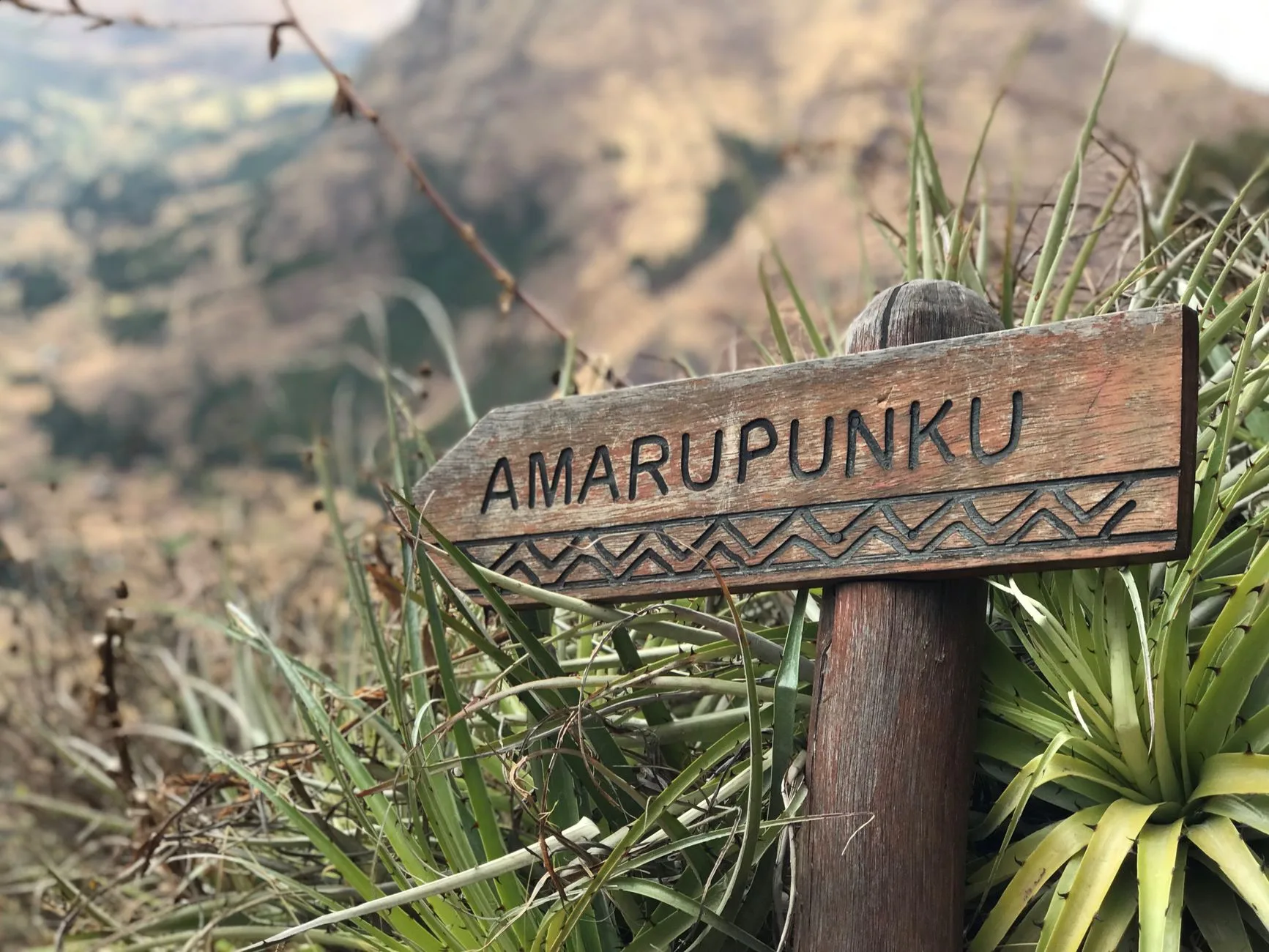
Photo by Gilmar Santos on Pexels
Peru is one of the great South American destinations — the Andean landscapes, the Inca history, and the Amazon basin make it one of the most varied countries on the continent. The Inca Trail to Machu Picchu is the most famous hiking route in South America, but it’s also limited to 500 people per day (including guides and porters), requires booking 4–6 months in advance, and must be done with a licensed tour company.
The alternatives are often better — and available to independent travellers without advance booking or a guide.
Getting In
Visa: UK, EU, US, Canadian, and Australian citizens can enter Peru visa-free for up to 90 days as tourists. No e-visa or advance application required.
Flights: Lima’s Jorge Chávez International Airport (LIM) is the hub. Direct flights from London take approximately 12.5 hours (British Airways). Miami, Bogotá, and Panama City are common layover points.
Lima
Peru’s capital is underrated as a destination in itself. The Barranco neighbourhood (bohemian, walkable, with the Puente de los Suspiros and good restaurants) and Miraflores (the clifftop district overlooking the Pacific) are the main traveller bases. The Larco Museum (pre-Columbian artefacts, including the extraordinary erotic pottery collection), Huaca Pucllana (an ancient pyramid in the middle of the modern city), and the catacombs beneath the San Francisco Church are the main historical sites.
Lima’s food scene is the best in South America — several of the world’s top-rated restaurants are here, and the street food and market food is extraordinary. Ceviche (raw fish cured in lime juice — Peru’s national dish) and tiradito (similar but sliced rather than cubed) from the Mercado Surquillo are among the best in the world.
Machu Picchu Without the Inca Trail
The Inca Trail problem:
Only 500 people per day (including guides and porters), bookings open exactly 6 months in advance and sell out within hours for peak season. Costs approximately $600–1,000+ per person with a licensed operator.
Alternative 1: Salkantay Trek
The most popular Inca Trail alternative — a 5-day high-altitude route crossing the Salkantay Pass (4,600m) through diverse landscapes before descending to Aguas Calientes and Machu Picchu. Available without a licensed guide requirement (unlike the Inca Trail), though most people book through an operator for logistics. Cost: approximately £200–400 depending on level of service.
Alternative 2: Lares Trek
A 3–4 day trek through Quechua communities in the Andes — less dramatic scenically than Salkantay but with more cultural interaction with indigenous communities. Finishes with a train to Aguas Calientes and access to Machu Picchu.
Alternative 3: Train to Aguas Calientes
The train from Cusco (or Ollantaytambo) to Aguas Calientes (the town below Machu Picchu) takes 1.5–2 hours and is available to anyone without advance trekking booking. Peru Rail and Inca Rail operate the route. You then take the bus up to the citadel (or hike up in 1–1.5 hours). Entry to Machu Picchu must be booked in advance at the Ministerio de Cultura website — time slots fill weeks in advance in high season.
Alternative 4: Choquequirao
The least visited major Inca site in Peru — a citadel comparable in size to Machu Picchu but requiring a 4-day round-trip trek from Cachora village. Currently accessible only on foot (a cable car is planned but repeatedly delayed). Almost entirely visitor-free. The most extraordinary alternative for travellers willing to do the walking.
Cusco
The former Inca capital — now a colonial city built directly on Inca foundations, with Spanish churches and mansions erected on top of Inca stonework. The Qorikancha (Temple of the Sun, now the Convent of Santo Domingo) shows the two civilisations layered: the smooth polygonal Inca stonework at the base, the Spanish baroque on top.
Altitude sickness (soroche) is a real concern — Cusco is at 3,400m. Allow 1–2 days to acclimatise before strenuous activity. Coca tea (available everywhere) is mildly helpful; staying hydrated and avoiding alcohol on the first day are more important.
Around Cusco: The Sacred Valley between Cusco and Ollantaytambo — Pisac ruins and market, Ollantaytambo fortress (one of the most extraordinary Inca sites, largely intact), and the salt flats of Maras and circular terrace farming at Moray.
Lake Titicaca and Puno
At 3,812m, Lake Titicaca is the highest navigable lake in the world — shared between Peru and Bolivia. Puno is the Peruvian base. The floating reed islands of the Uros people (man-made islands built on layers of totora reeds) are genuinely extraordinary. The island of Taquile (3 hours by boat from Puno) maintains a Quechua-speaking weaving culture recognised by UNESCO.
Continuing to Bolivia: The border crossing from Puno to Copacabana (Bolivia) is straightforward — regular buses cross the border and continue to La Paz.
Amazon: Iquitos and the Jungle
Iquitos is Peru’s largest city with no road connection to the outside world — accessible only by air or by river. The Peruvian Amazon around Iquitos is one of the most biodiverse areas on Earth. Amazon lodges ranging from basic to luxury operate from Iquitos; stays of 3–5 days are the standard format.
Costs
Peru has a wide range of costs:
| Item | Approximate cost |
|---|---|
| Budget hostel (Cusco) | £8–20/night |
| Ceviche at a local cevichería | £5–10 |
| Set lunch menu (menú del día) | £2–4 |
| Machu Picchu entry | approximately £30–40 |
| Train Ollantaytambo–Aguas Calientes | £35–80 depending on class |
| Bus Aguas Calientes–Machu Picchu (return) | £15–20 |
Daily budget: £30–55 for independent travel.
Conclusion
Peru rewards an itinerary that goes beyond Machu Picchu:
- Book Machu Picchu entry in advance at cultura.pe — time slots sell out weeks ahead in high season
- Salkantay Trek instead of the Inca Trail — comparable scenery, no months-in-advance booking required
- Allow 2 days in Cusco before strenuous activity — altitude sickness ruins trips that don’t account for acclimatisation
- Lake Titicaca is essential — the Uros islands and Taquile island together justify 2 days in Puno
- Lima deserves 2 days minimum — the Larco Museum and the ceviche are both reason enough
Keep reading: Budget travel in Nepal: beyond the tourist trail