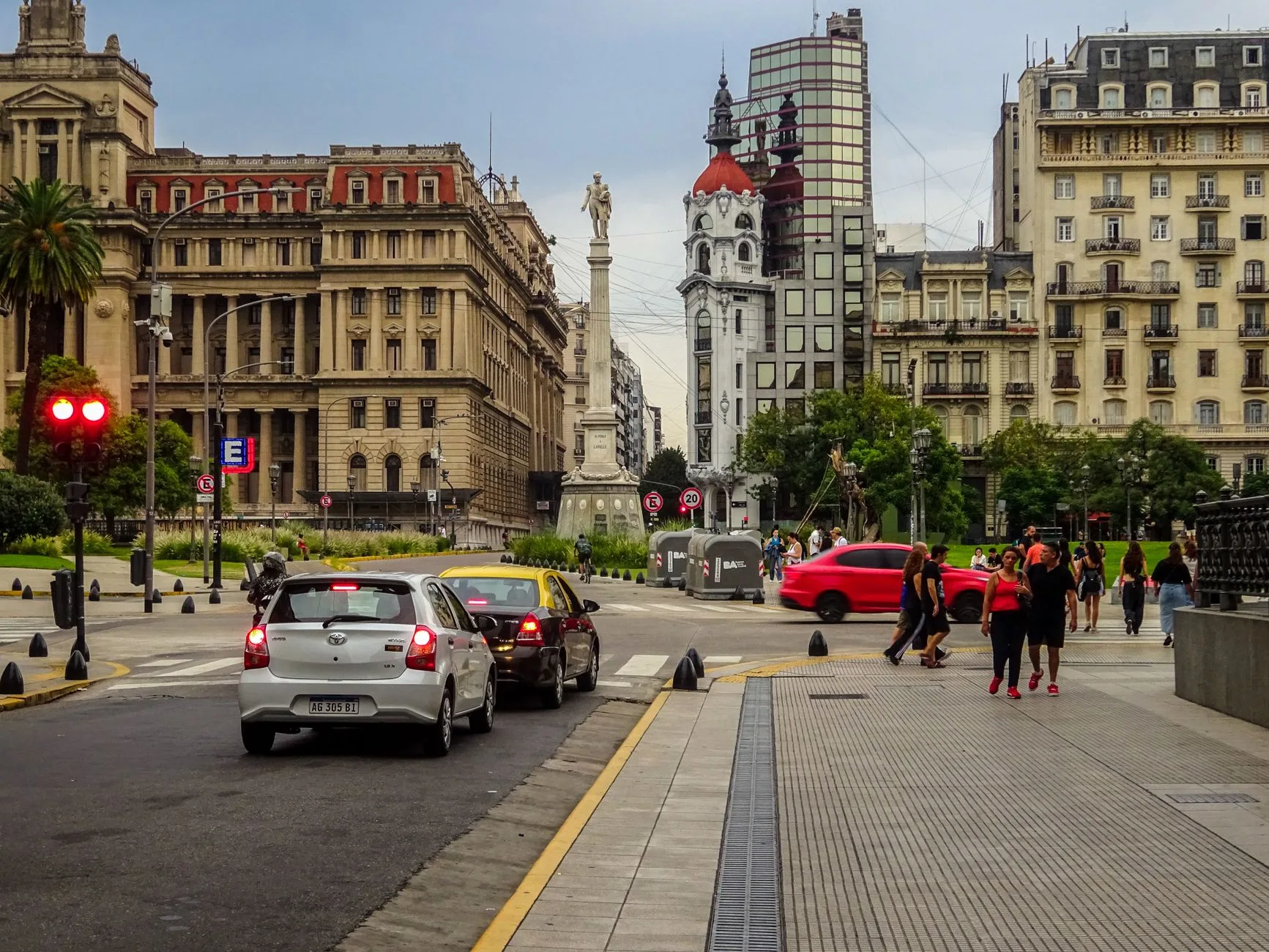
Photo by Nikolai Kolosov on Pexels
Argentina is South America’s most European-feeling country in some ways — the café culture, the beef obsession, the tango — and utterly its own in others. The landscapes range from Patagonian desert to subtropical jungle to Andean peaks to Atlantic coast. It’s a big, complex country that rewards travellers who go beyond Buenos Aires.
It’s also one of the most economically unusual destinations in the world, with a gap between the official exchange rate and the parallel “blue dollar” rate that can mean paying 30–50% more or less for everything depending on which rate you use. Understanding this before you go saves real money.
The Exchange Rate Situation
Argentina has experienced significant inflation and a multi-tiered currency system. The official exchange rate differs substantially from the “blue dollar” (dólar blue) parallel market rate, which travellers typically access through legal financial services or informal exchanges (cuevas).
For current travellers: The rate situation changes frequently. Before departure, check recent posts on travel forums (r/argentina on Reddit, Lonely Planet Thorn Tree) and expat sites for the current practical situation. The difference between using an ATM at the official rate and using the blue dollar rate has historically been 30–100%+ in favour of the blue rate.
Practical impact: bring US dollars or euros in cash (small denomination bills in good condition) to exchange at casas de cambio or exchange services like Cadeca. Western Union transfers from abroad have also been used by travellers to access better rates. ATM withdrawals typically give poor exchange rates and have low limits.
Costs (At Favourable Rate)
At a good exchange rate, Argentina is moderate to affordable:
Budget: USD 30–50/day
Mid-range: USD 50–100/day
Daily breakdown (budget, good rate):
– Hostel dorm: USD 8–15
– Parrilla steak dinner with wine: USD 10–20
– Coffee and medialunas (croissants): USD 2–4
– Intercity bus: USD 15–50 depending on distance
– Local beer (Quilmes): USD 1–2
Where to Go
Buenos Aires: The capital and the inevitable starting point. Neighbourhoods: San Telmo (antiques, tango), Palermo (restaurants, bars, parks), La Boca (colourful port neighbourhood — tourist-heavy but worth 2 hours), Recoleta (the cemetery where Evita is buried). The food markets (Mercado de San Telmo, Mercado de Belgrano) are excellent. Plan 3–4 nights minimum.
Mendoza: Wine country at the foot of the Andes. The Malbec here is extraordinary — book a day trip or cycling tour of the bodegas (wineries) around Luján de Cuyo and Maipú. Mount Aconcagua (6,961m, the Americas’ highest peak) is the base for multi-day Andes treks with permits.
Patagonia — Bariloche and the Lake District: Argentine lake district with German-influenced architecture, chocolate shops, and extraordinary hiking in the surrounding mountains. Nahuel Huapi National Park. Circuit treks ranging from half-day to 7 days (Circuito Chico, Circuito Grande).
Patagonia — El Calafate and El Chaltén: El Calafate is the base for the Perito Moreno Glacier — one of the only advancing glaciers in the world, where you can hear and watch icebergs calving into the lake. El Chaltén is the trekking village below Cerro Torre and Fitz Roy — two of the most dramatic peaks on earth. Free hiking trails in Parque Nacional Los Glaciares with no entrance fee for trekkers.
Iguazú Falls: The Argentina side (Parque Nacional Iguazú) gives better views than the Brazilian side of the falls. Devil’s Throat walkway is the centrepiece. Budget a full day minimum.
Northwest — Jujuy and Salta: The Quebrada de Humahuaca (UNESCO World Heritage listed) — multicoloured rock formations in a narrow canyon — and the Salinas Grandes salt flats. Salta has colonial architecture and the best regional cuisine in Argentina (locro stew, empanadas, humita).
Getting Around
Intercity buses: Argentina has an excellent long-distance bus network. Andesmar, Cata, El Rápido, and many others operate comfortable cama (flat-bed) and semi-cama (reclining) coaches. Book at central bus terminals or online at plataforma10.com.ar.
Flights: Long distances make domestic flights practical (Buenos Aires to Bariloche is 2 hours vs 24 hours by bus). Aerolíneas Argentinas and FlyBondi — compare prices, check luggage allowances, and book ahead.
Urban transport: Buenos Aires Subte (metro) and bus networks are very cheap with the SUBE card (rechargeable, buy at kiosks).
Food
Argentine food is centred on beef, empanadas, and asado (the barbecue tradition).
Parrilla: Traditional steakhouse. Order a bife de chorizo (sirloin) or ojo de bife (ribeye) — typically excellent and dramatically cheaper than equivalent quality beef elsewhere. Chimichurri (parsley, garlic, vinegar sauce) is the essential condiment.
Empanadas: Baked or fried pastries with beef, cheese, corn, or ham filling. A dozen from a bakery is a cheap, excellent lunch.
Medialunas: Argentine-style croissants, sweeter and softer than French ones. Eaten with coffee for breakfast everywhere.
Dulce de leche: Caramel made from slowly reducing milk — on everything in Argentina. Croissants, ice cream, pancakes, cakes.
Visas
UK passport holders get 90 days visa-free on arrival. Reciprocity fee previously charged to some nationalities — check current requirements before travel.
Summary
First-time Argentina:
- Sort out the exchange rate situation before you go — check current rates and how to access them; the difference between official and blue rate can be 50%+ in your favour
- El Chaltén trekking is free — no park entrance fee for trekkers, extraordinary scenery; this is one of the world’s great free hiking destinations
- Book intercity buses online — plataforma10.com.ar covers most operators; cama seats (flat beds) on overnight buses are worth the small extra cost
- Buenos Aires needs 4 nights — it’s a big, complex city; 1–2 nights misses almost everything interesting
- Go to the northwest (Jujuy/Salta) if you have time — the Quebrada de Humahuaca and Salinas Grandes are spectacular and almost entirely unvisited by non-Spanish speakers
Keep reading: Budget travel in Colombia: what to know