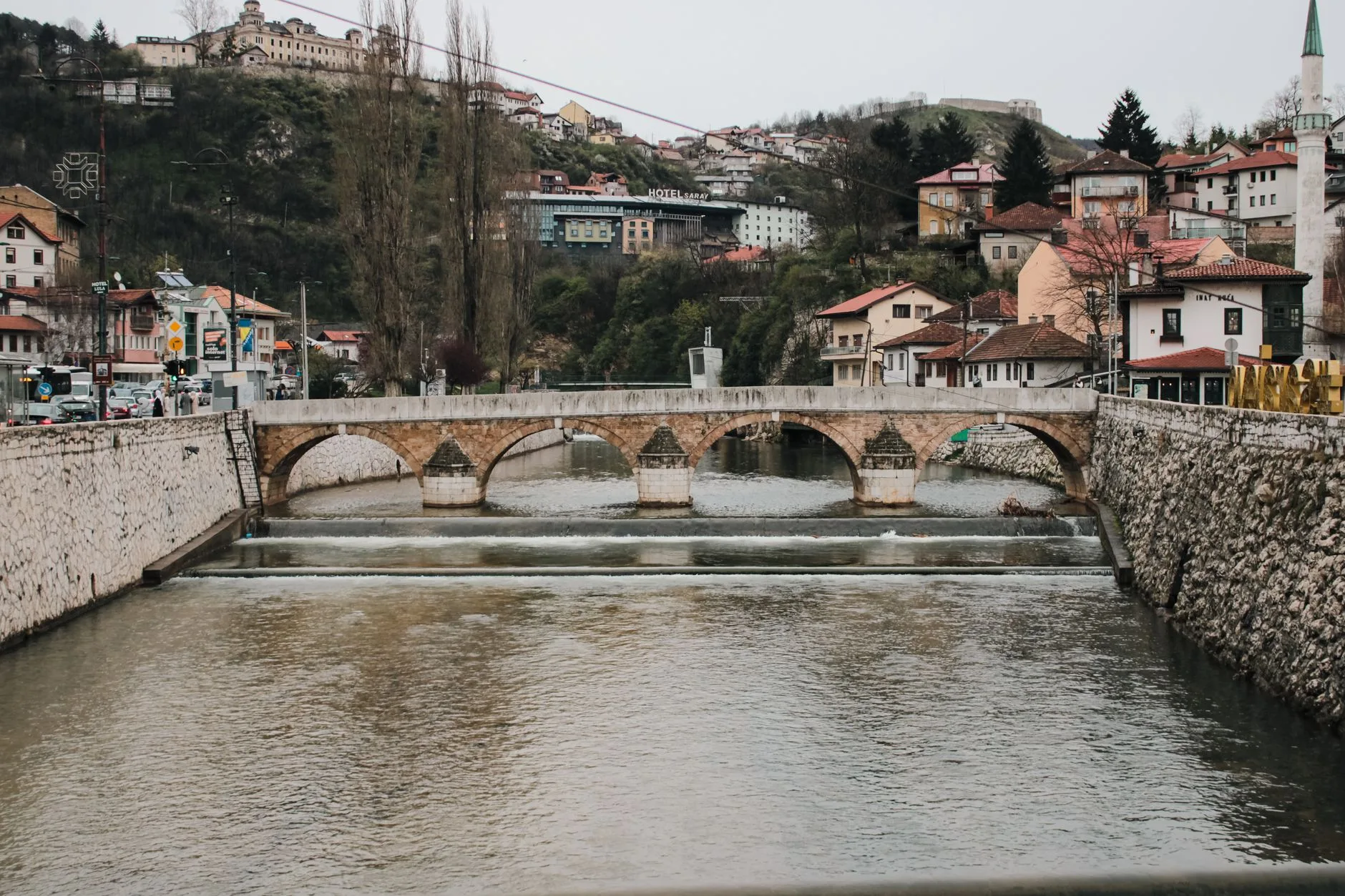
Photo by Necip Duman on Pexels
The Balkans — broadly covering Slovenia, Croatia, Bosnia and Herzegovina, Serbia, Montenegro, North Macedonia, Albania, Kosovo, and Bulgaria — is among the most affordable and scenically varied parts of Europe. Prices run at roughly 30–60% of Western European equivalents, the food is excellent, and the region is still genuinely off the mass tourism radar in most of its extent.
Costs: What to Expect
Cheapest countries (under £25/day budget travel): Albania, Kosovo, North Macedonia, Serbia, Bosnia and Herzegovina.
Mid-range (£25–50/day): Bulgaria, Montenegro (outside Kotor and Budva), Slovenia (budget end).
More expensive (€50+/day if not careful): Croatian coast in summer (Dubrovnik, Split, Hvar), Ljubljana.
Budget breakdown for affordable countries:
– Hostel bed: £8–15/night
– Local restaurant meal: £3–7
– Beer (local): £1–2
– Intercity bus: £4–12
– Coffee (local café): £0.80–1.50
Getting Around
Buses are the primary intercity transport across most of the Balkans. Quality varies from excellent (modern coaches on main routes) to basic (older vehicles on rural routes). Schedules are not always reliably online — small local bus stations have physical timetables that don’t appear on any website.
Trains are limited and slow in most of the region. The exceptions are Serbia (Belgrade has reasonable rail connections) and Slovenia. In most Balkan countries, buses are faster than trains.
FlixBus covers some major routes (Belgrade–Sarajevo, Skopje–Sofia, etc.) and is easy to book online. Local operators are typically cheaper but require booking at the station or via local websites.
Share taxis (furgons/kombis): Common in Albania and Kosovo. Minivans run fixed routes between towns, departing when full. Very cheap, not predictably timed, but ubiquitous.
Car hire: Makes sense for rural Albania, Montenegro’s Bay of Kotor, and North Macedonia — public transport to the most interesting places is limited. Roads vary from excellent to challenging mountain tracks. Check insurance carefully.
Accommodation
Hostels are widely available in capital cities and tourist areas. Quality varies significantly — check recent reviews. Social hostels in cities like Belgrade, Sarajevo, and Sofia are excellent.
Guesthouses and family-run accommodation are the best value in smaller towns. Not always bookable online — asking around locally or looking for handwritten signs works. Price negotiation is normal.
Apartments (Airbnb / Booking.com): Often the best value for stays of 3+ nights, particularly outside peak season.
Money
Currency situation varies by country:
– Slovenia, Kosovo, Montenegro: Euro (despite not being EU members in some cases)
– Croatia: Euro (joined Eurozone 2023)
– Serbia: Serbian Dinar (RSD)
– Bosnia and Herzegovina: Convertible Mark (BAM), pegged to the Euro
– North Macedonia: Macedonian Denar (MKD)
– Albania: Albanian Lek (ALL)
– Bulgaria: Bulgarian Lev (BGN), pegged to the Euro; Bulgaria joining Eurozone in 2025/2026
Use local ATMs and notify your bank: Cash is still preferred or required in many smaller towns and rural areas. ATMs at local banks typically give better exchange rates than those in airports or tourist areas.
Visas
UK passport holders can visit all Balkan countries without a visa for typical tourist stays (90 days or less in most). Kosovo requires a passport valid for 6+ months. Serbia’s relationship with Kosovo means entering Serbia after Kosovo can occasionally involve questions (some travellers enter Kosovo overland from North Macedonia or Albania and exit differently to avoid this).
Best Routes
Classic western Balkans loop (3–4 weeks):
Ljubljana (Slovenia) → Plitvice → Split → Dubrovnik → Kotor (Montenegro) → Sarajevo (Bosnia) → Mostar → Belgrade (Serbia)
Off-beaten-track circuit (3–4 weeks):
Sofia (Bulgaria) → Plovdiv → Skopje (North Macedonia) → Ohrid → Tirana (Albania) → Shkodra → Prizren (Kosovo) → Pristina
Fast 10-day highlights:
Sarajevo → Mostar → Kotor → Tirana → Ohrid → Skopje
What to Know Before You Go
Cash is essential in rural areas and smaller towns across the region — don’t rely on cards everywhere.
Service culture varies — in some countries, staff in restaurants and cafés are notably less attentive than Western European visitors expect. This isn’t rudeness; it’s a different service style.
Night buses save money and time: Overnight buses between major cities (Belgrade–Sarajevo, Sarajevo–Dubrovnik) save a night’s accommodation and travel time simultaneously.
Summer is expensive on the Croatian coast: Dubrovnik and the Dalmatian coast in July–August have prices matching Western Europe. Visiting in May, June, or September cuts costs and crowds significantly.
Summary
The Balkans rewards independent travel with low costs and high reward:
- Cheapest countries are Albania, Kosovo, Serbia, and North Macedonia — budget £15–25/day in these countries
- Buses are the primary transport — local operators beat FlixBus on price; buy tickets at the station
- Carry cash — rural and smaller-town Balkans still runs primarily on cash transactions
- Avoid the Croatian coast in July–August if budget is a priority — May/June or September offers the same scenery at 40–60% of peak prices
- Mix known and unknown cities — the real Balkans travel experience is in places like Prizren, Ohrid, Plovdiv, and Mostar, not only Dubrovnik
Keep reading: Travelling in Albania on a budget: practical guide