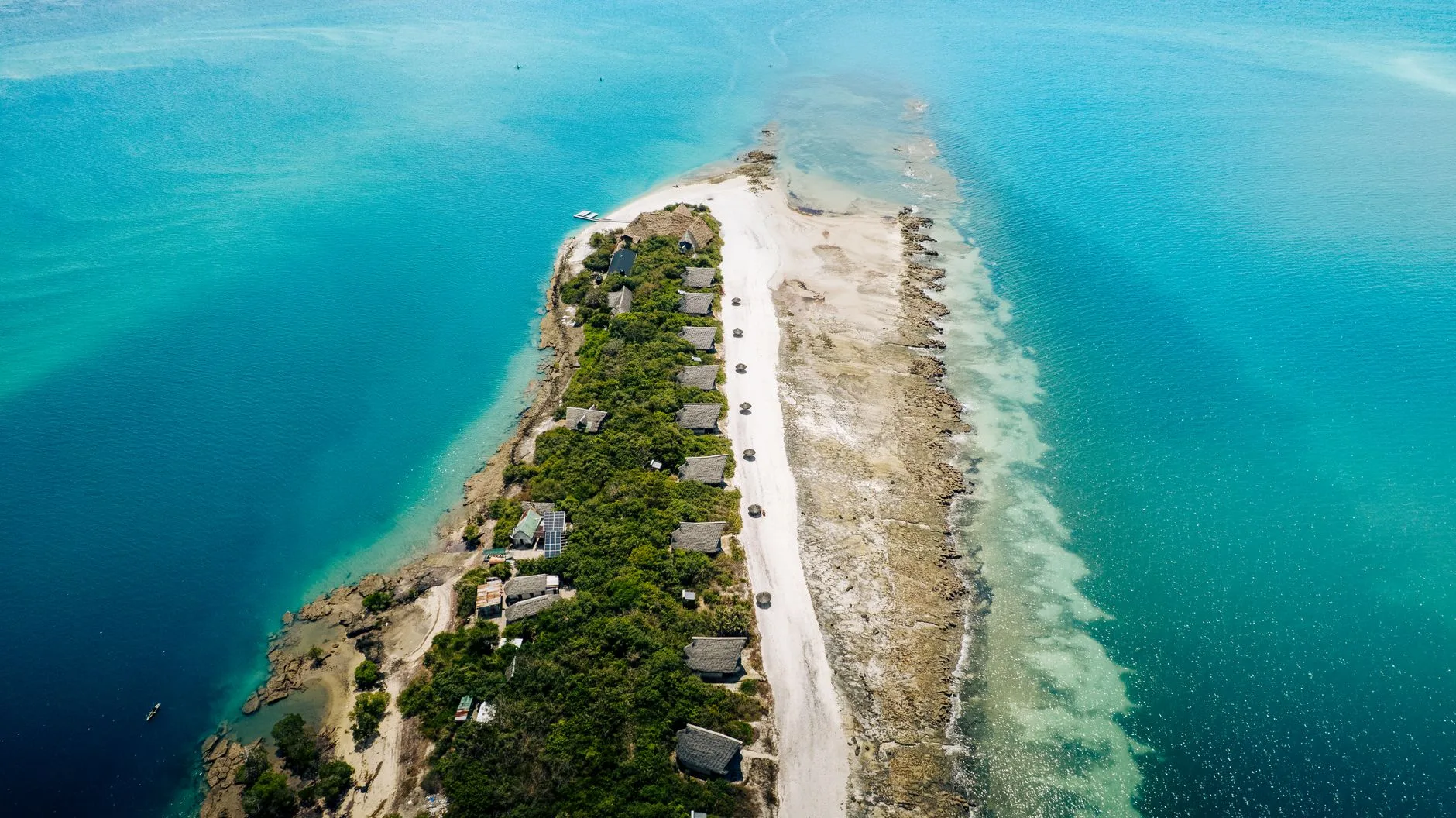
Photo by Alex Levis on Pexels
The dala-dala from the airport into Dar es Salaam costs about 400 Tanzanian shillings — roughly 15 US cents — and it will not wait for you. It leaves when it’s full, not when it’s scheduled, and “full” in a Tanzanian minibus is a flexible concept that includes the driver’s cousin, three sacks of rice, and a chicken tucked under someone’s seat. Music blares from a speaker held together with tape. The conductor hangs half out the door, slapping the roof and shouting the route name — “Kariakoo, Kariakoo, Kariakoo” — until the last seat is claimed.
This is the texture of budget travel in Tanzania: cheap, loud, occasionally chaotic, and almost always worth it. Between the spice-scented alleys of Stone Town, the white coral sand of the southeast coast, and the dust and acacia of the northern safari circuit, Tanzania rewards travellers who are willing to move slowly and pay attention to how things actually work here — not how a resort brochure says they should.
Getting from the mainland to Zanzibar (and back)
The cheapest and most common route is the ferry from Dar es Salaam to Zanzibar’s Stone Town, run by a handful of companies including Azam Marine and Kilimanjaro Fast Ferries. The crossing takes about two hours and costs somewhere between $35 and $50 for non-residents — foreigners pay a fixed dollar rate regardless of which counter you buy from, so don’t waste time hunting for a bargain. Buy tickets at the Dar es Salaan ferry terminal a day ahead if you can; the queues on departure morning move slowly and the earlier boats sell out first, particularly in July and August.
Flying is faster and only modestly more expensive if booked in advance — Precision Air and Air Tanzania both run short hops from Dar es Salaam’s domestic terminal to Zanzibar’s Abeid Amani Karume International Airport in about 20 minutes. If you’re coming straight from Kilimanjaro or Arusha after a safari, flying is usually the more sensible option than backtracking overland to catch the ferry.
Whichever way you arrive, keep your passport handy. Zanzibar operates its own immigration checkpoint even for domestic arrivals from mainland Tanzania — a quirk left over from the semi-autonomous status the archipelago has held since the 1964 union.
Stone Town on a modest budget
Stone Town, the old quarter of Zanzibar City, is where most budget travellers base themselves for the first few nights. The narrow lanes near Shangani and Kiponda are stacked with guesthouses charging $15–30 a night for a fan-cooled room with a shared bathroom, or a bit more for air conditioning, which you will want between November and March. Look at Jambo Guest House or Zanzibar Coffee House Hotel as starting points, though prices shift with the season and it pays to compare a few in person rather than book the first thing you see online.
Eat where the smoke is. Forodhani Gardens, the seafront park facing the old fort, turns into an open-air night market every evening around 6pm — grills lined up serving Zanzibari pizza (a stuffed, folded flatbread, not the Italian kind), skewers of octopus and king fish, cassava chips, and sugarcane juice pressed on the spot. A full meal there runs $3–6. During the day, Darajani Market a few streets back is the working heart of the old town — spice traders, fish sellers shouting over ice-packed tuna, and stalls of tamarind, cloves and cardamom that explain why this was once the world’s dominant clove-exporting port. UNESCO inscribed Stone Town as a World Heritage Site largely for this layered Swahili, Arab, Persian and colonial architecture, still lived in rather than preserved behind glass.
Beyond Stone Town: the budget coastline
Zanzibar’s east coast has three villages that budget travellers gravitate toward, and they are not interchangeable.
Jambiani is the quietest and cheapest, a strip of guesthouses and small family-run lodges facing a lagoon so shallow the tide retreats for hundreds of metres at low water, leaving seaweed farmers wading out to tend their rows. Paje, a 20-minute dala-dala ride north, has become the kite-surfing hub, with a livelier backpacker scene and more restaurants, but also higher prices and more hustle on the beach path. Nungwi, at the island’s northern tip, has the best swimming beach but is now dominated by mid-range resorts, so the genuinely budget options have thinned out considerably compared to a decade ago — worth knowing before you commit three nights there expecting Jambiani prices.
Dala-dalas run between Stone Town and all three villages for $2–4, though they’re infrequent after dark, so plan the last leg of any beach day with that in mind.
The mainland circuit: Dar, Arusha, and the safari question
Most overland budget itineraries treat Dar es Salaam as a transit point rather than a destination, and that’s a fair assessment — it’s a working port city, hot and traffic-choked, with little reason to linger beyond a night near the ferry terminal. The real draw on the mainland is the northern safari circuit, reached via Kilimanjaro International Airport or the town of Arusha, which functions as the logistics hub for almost every safari company in the country.
Safaris are the one place where “budget” in Tanzania is relative. Park entrance fees for Serengeti National Park and Ngorongoro Conservation Area run $60–70 per person per day, on top of vehicle fees and, for Ngorongoro, a separate crater descent fee — costs set by the Tanzania National Parks Authority and non-negotiable regardless of which operator you book through. A genuinely budget safari means camping rather than lodges, joining a group departure rather than a private vehicle, and choosing Tarangire National Park or Lake Manyara over the pricier Serengeti-Ngorongoro combination. A three-day camping safari to Tarangire and Manyara through an Arusha-based operator typically runs $500–800 per person all-in; the same length trip into the Serengeti with a crater descent can double that.
Compare that to Tanzania’s other national parks and the picture is more forgiving. Ruaha and Mikumi, further south, see a fraction of the northern circuit’s traffic and charge similar entrance fees for a genuinely different, quieter experience — worth considering if the goal is wildlife over famous names. If you’re weighing Tanzania against other African safari destinations before committing, our guide to the best national parks in Africa lays out how the major circuits stack up on cost and crowding.
What a modest safari actually looks like
Expect early starts — game drives leave camp before 6am to catch animals before the heat sends them into shade — and long, dusty hours in a Land Cruiser with the roof popped up, dust coating everything including your teeth by midday. Camping safaris put you in public or “special” campsites within the parks, which means falling asleep to actual lion calls rather than a recording piped through a lodge speaker, and queuing for a single long-drop toilet with the rest of your group. It’s not glamorous. It’s also considerably more honest about what being in the Serengeti actually feels like than a fenced lodge compound with a pool.
Food, markets, and the daily cost of eating well
Away from tourist restaurants, a meal of ugali (a stiff maize porridge) with mchicha (stewed greens) and a piece of grilled fish or beef costs $2–4 at a local hoteli — the Swahili word for a simple eatery, not a place to sleep. In Arusha, the Central Market and the stalls around Sokoine Road serve mishkaki (grilled meat skewers) and chapati for a similar price. Pilau, a spiced rice dish showing Zanzibar’s Omani and Indian trading history, appears everywhere from street stalls to family kitchens and is worth seeking out on Fridays, when many households cook it as a weekly ritual.
Bottled water and imported snacks cost noticeably more than food eaten where locals eat, which is the general rule for budget travel anywhere: proximity to where things are made keeps the price down.
Money, SIM cards, and moving around
Tanzanian shillings are the only currency accepted for daily transactions on the mainland; Zanzibar’s tourist-facing businesses often quote in US dollars but will take shillings at the going rate. ATMs are reliable in Dar es Salaam, Arusha, and Stone Town, less so elsewhere, so withdraw enough cash before heading to smaller towns or the coast.
A local SIM from Vodacom or Airtel, bought at the airport or any town shop with your passport, costs a few dollars and gives cheap data — useful for booking ferries, checking dala-dala routes, or simply staying in touch, since Wi-Fi outside guesthouses is patchy at best.
| Route/Region | Typical daily budget (accommodation + food) | Best season | How to get there |
|---|---|---|---|
| Stone Town | $20–35 | June–Oct, Dec–Feb (dry) | Ferry from Dar ($35–50) or short flight |
| Jambiani / east coast | $15–25 | June–Oct, Dec–Feb | Dala-dala from Stone Town ($2–4) |
| Nungwi | $25–45 | June–Oct, Dec–Feb | Dala-dala from Stone Town ($3–5) |
| Arusha (safari base) | $15–25 (excl. safari) | June–Oct (dry, best wildlife viewing) | Flight to Kilimanjaro Airport or bus from Dar |
| Camping safari (Tarangire/Manyara) | $170–260/day all-in | June–Oct | Booked in Arusha |
| Camping safari (Serengeti/Ngorongoro) | $250–400+/day all-in | June–Oct (migration), Jan–Feb (calving) | Booked in Arusha |
The Bottom Line
Budget travel in Tanzania works best when you treat Zanzibar and the mainland as two different rhythms rather than one continuous trip — the coast rewards slowing down and staying put, the mainland safari circuit rewards a tighter, better-planned window because park fees punish dithering. Camping safaris, not lodge stays, are where the real savings live, and Tarangire or Manyara will stretch a modest budget far further than a Serengeti itinerary without meaningfully sacrificing the experience. Eat at hotelis and the Forodhani night market rather than tourist-facing restaurants, and the daily food budget nearly disappears. And build slack into your ferry and flight timings — nothing here runs on a schedule that bends to yours, and that’s precisely the point of coming.
Keep reading: Compare safari planning basics in our first-time Kenya guide