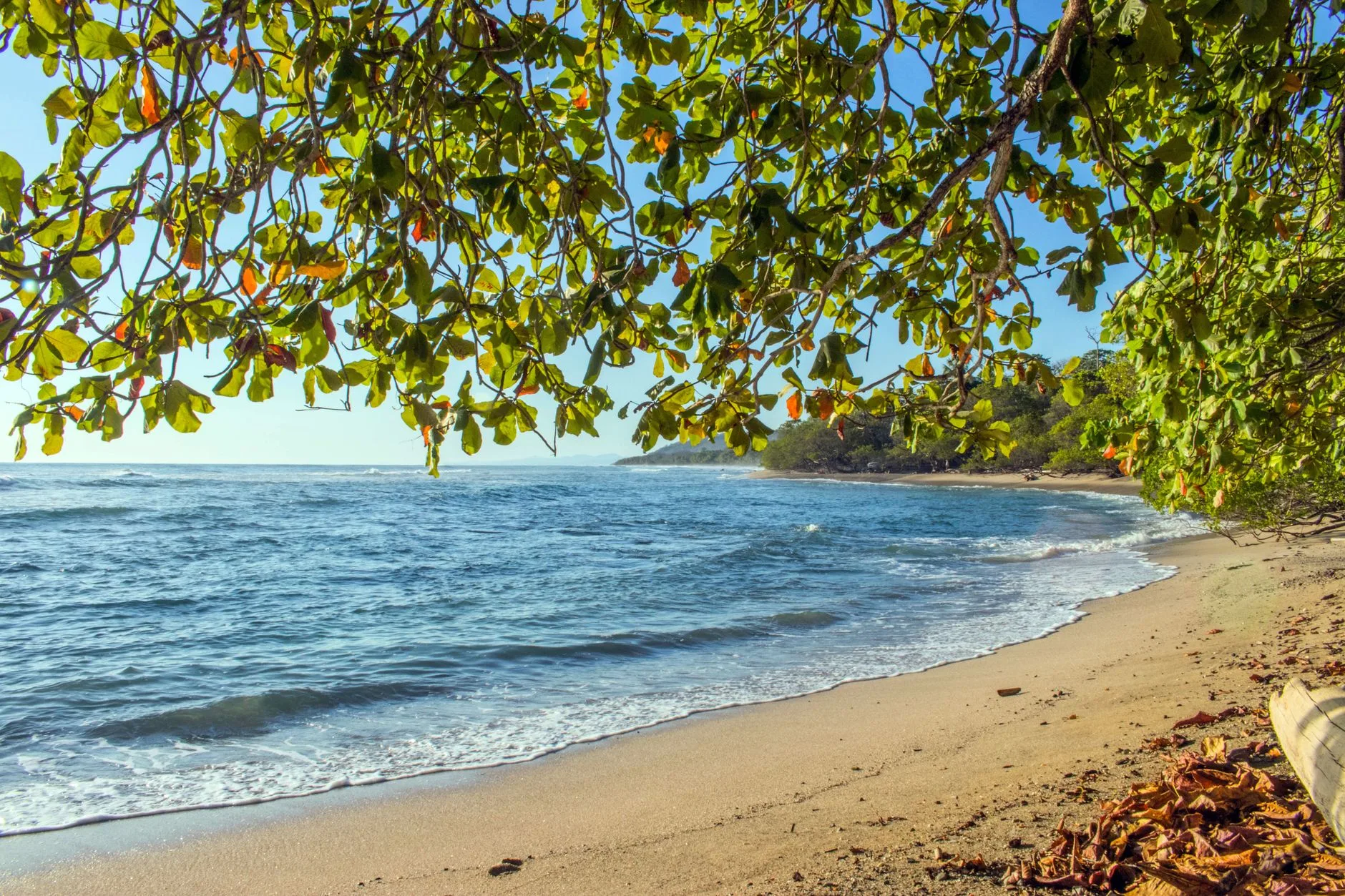
Photo by Diego Madrigal on Pexels
The 7:40am bus from San José’s Terminal 7-10 to La Fortuna leaves when it leaves, not when the schedule says it will, and by the time it pulls out of the diesel haze of Calle 10, every seat is full and half the aisle is stacked with backpacks. The route climbs out of the Central Valley through Zarcero, past a topiary garden shaped into elephants and dinosaurs, then drops into cloud and coffee plantations before the road flattens out near the shadow of Arenal volcano. It costs about 2,900 colones — under six US dollars — for a four-hour journey that a private shuttle would charge forty for. Nobody on this bus is missing much.
That gap between the shuttle price and the bus price is, in miniature, the whole story of budget travel in Costa Rica. This is not a cheap country by Central American standards — it’s pricier than Nicaragua, Guatemala, or Honduras, and prices in tourist towns have crept up hard since the pandemic — but it rewards anyone willing to travel the way Costa Ricans actually travel: by public bus, at sodas instead of gringo cafés, and with a flexible itinerary that doesn’t try to cram five ecosystems into eight days.
Getting Around: Buses, Not Rental Cars
Costa Rica’s public bus network is extensive, cheap, and almost entirely undocumented online in any centralised way — which is the first honest thing to know. There’s no single national timetable app. Routes are run by dozens of independent companies, each with its own terminal, and San José alone has bus stops scattered across a dozen streets rather than one central station. Tracopa runs the southern routes toward San Isidro and the Osa Peninsula; MEPE covers the Caribbean coast down to Puerto Viejo de Talamanca and the Panama border at Sixaola; Transportes La Cascada and Auto Transportes Tilarán serve Arenal and Guanacaste.
The trade-off for the low fares is time and a little chaos. A direct bus from San José to Puerto Viejo de Talamanca takes about four hours and costs around $10. A trip to Santa Teresa on the Nicoya Peninsula usually means a bus to Puntarenas or Jacó, a ferry crossing at Paquera, and a second bus or shared taxi on rough dirt roads for the final stretch — a full-day journey that shuttle services compress into four hours for triple the price. Shared shuttles (Interbus, Grayline) exist for a reason: they save time, and if you’re short on days, they’re worth the splurge on one or two legs of the trip rather than all of them.
Renting a car opens up places buses don’t reach — Rincón de la Vieja, back roads in Guanacaste, the wilder stretches of the Osa Peninsula — but between mandatory insurance, fuel, and the fact that most rental cars here are 4x4s because the roads demand it, budget travellers usually do better stitching together buses, ferries, and the odd colectivo (shared van) than renting solo.
Where to Sleep: Hostels, Cabinas, and Honest Price Ranges
A dorm bed in San José’s Barrio Amón or Barrio Otoya runs $12–18 a night, and the city’s hostels — clustered around these two neighbourhoods, both walkable to the Museo Nacional and the Mercado Central — tend to be well run, with kitchens and decent wifi. Prices climb fast once you head to beach towns with international reputations: a dorm bed in Santa Teresa or Tamarindo can hit $20–28, more in high season, because these towns have leaned hard into surf tourism and priced accordingly.
The better value, often, is the cabina — a small, family-run guesthouse, usually just a handful of rooms, common in smaller towns like Cahuita, Bahía Drake, or Puerto Viejo. These rarely show up prominently on booking platforms and are often better found by asking around on arrival or checking for a hand-painted sign. A private room in a cabina with a fan and cold-water shower runs $20–35 for two people — often cheaper than a hostel dorm bed per person once split.
Camping is legal and inexpensive in several national parks, including Manuel Antonio’s overflow campground and sites near Rincón de la Vieja, and it’s the single cheapest way to sleep near Costa Rica’s protected areas if you’re carrying gear.
Eating Like a Tico: Sodas, Casados, and Market Stalls
The casado — rice, beans, salad, plantain, and a protein, usually chicken, fish, or pork — is the backbone of budget eating here, and it’s sold at sodas: small, often family-run diners with plastic chairs and a chalkboard menu. A casado at a soda costs $5–7; the same meal at a restaurant catering to tourists in a beach town can run $12–15. San José’s Mercado Central, a warren of stalls under one roof downtown, is the best place to eat this way in the capital — look for Soda Tapia-style counters serving gallo pinto (rice and beans, usually breakfast) alongside fresh fruit juices for under $2.
Along the Caribbean coast, particularly around Puerto Viejo and Cahuita, the food shifts toward Afro-Caribbean cooking with coconut milk, ginger, and Panamanian influence — rice and beans cooked in coconut milk, rondón (a seafood and root vegetable stew), and patí, a spiced meat pastry sold from small windows for under a dollar. It’s some of the most distinct food in the country and rarely gets the attention Guanacaste’s beach resorts do.
Feria del agricultor — weekend farmers’ markets — happen in most towns and are worth building a Saturday morning around: cheap fruit (mamón chino, mango, guanábana), tamales wrapped in banana leaf, and produce at a fraction of supermarket prices.
The National Park Problem: Entrance Fees Add Up Fast
Costa Rica protects roughly a quarter of its land, and that conservation model is funded largely through park entrance fees managed by SINAC, the national park service — which means budget travellers need to plan for this as a real line item, not an afterthought. Manuel Antonio charges around $18 for foreign visitors. Corcovado, the wildest and most rewarding of the lot, requires a licensed guide by law, which pushes the real cost of a day inside toward $70–90 once transport and guide fees are included.
Not every park costs this much, and some of the best experiences are free or nearly so: walking the black-sand beach at Cahuita National Park costs a small donation-based entry fee at the Kelly Creek entrance, and Volcán Poás or Irazú, both accessible by public bus from San José, run closer to $15. A useful strategy is choosing two or three parks that matter most rather than trying to see all of them — Monteverde’s cloud forest reserve and Corcovado’s rainforest deliver very different things, and paying full price for both, plus transport into remote Osa, is where budgets quietly blow out. SINAC’s own site has current fee schedules by park, and it’s worth checking before finalising a route.
Where to Go on a Budget: Comparing Regions
| Region | Daily budget (bed + food) | Getting there | Best for |
|---|---|---|---|
| San José (Barrio Amón) | $30–40 | Hub for all buses | City base, museums, cheap food |
| La Fortuna / Arenal | $35–50 | Direct bus from San José, ~4hrs | Volcano views, hot springs (free rivers exist alongside paid resorts) |
| Monteverde | $40–55 | Bus + transfer, ~5hrs, rough roads | Cloud forest, ziplining, quieter than Arenal |
| Puerto Viejo / Cahuita | $30–45 | MEPE bus, ~4hrs from San José | Caribbean food, beaches, cycling |
| Santa Teresa / Nosara | $45–65 | Bus + ferry + bus, full day | Surf towns, pricier due to expat presence |
| Osa Peninsula / Corcovado | $60–90 (park fees included) | Bus to Puerto Jiménez, then boat/hike | Serious wildlife, least developed |
Money, SIM Cards, and the Everyday Costs Nobody Mentions
The colón floats against the dollar, and US dollars are widely accepted, but exchange rates at hotels and tourist shops are consistently worse than at ATMs, which dispense colones directly at close to the bank rate. Withdrawing larger amounts less often avoids repeated withdrawal fees, which typically run $3–5 per transaction on top of whatever your home bank charges.
A prepaid SIM from Kolbi (the state telecom) costs around $10 for a data package good for a couple of weeks and is sold at the airport and at pharmacies in most towns — worth getting on arrival, since bus schedules and shuttle pickups are far easier to confirm with a working phone than to guess at.
Tipping isn’t obligatory — a 10% service charge is already added to most restaurant bills — but it’s common to round up for tour guides, especially in Corcovado or on any activity where the guide’s knowledge is doing real work.
When to Go: Dry Season Costs More, Green Season Delivers More
December through April is Costa Rica’s dry season, and also its most expensive and crowded — prices at beach hostels and cabinas can rise 30–40% in the peak weeks around Christmas and Easter. May through November is the green season: afternoon rain, most mornings still clear, noticeably fewer visitors, and prices that drop back toward reasonable. September and October bring the heaviest rain on the Pacific side and are worth avoiding unless you’re headed to the Caribbean coast, which runs on its own weather pattern and can be drier exactly when the Pacific side is drenched.
For travellers comparing this trip against other budget-friendly regions in the hemisphere, it’s worth reading up on backpacking Central America on a shoestring budget before committing to a route, since Costa Rica pairs naturally with cheaper neighbouring stops in Nicaragua or Panama if the goal is stretching a longer trip further. The logistics of crossing borders and stitching bus routes together across the region are covered in more detail in the site’s broader Central America backpacking guide, which is useful context if Costa Rica is one stop among several rather than the whole trip.
The Bottom Line
Costa Rica can be done on a genuine budget, but it requires deliberate choices rather than hope: buses over shuttles, sodas over restaurants with English menus, cabinas over beach-town hostels chasing surf-tourism prices. Pick two or three regions rather than a lap of the whole country — the bus and ferry logistics alone will eat days you don’t get back. Budget separately and honestly for national park fees, since they’re non-negotiable and add up faster than food or lodging ever will, particularly if Corcovado’s mandatory guide requirement is on the itinerary. Travel in green season if flexibility allows it — the rain is real, but so is the drop in both prices and crowds. And keep at least one splurge in reserve, whether that’s a shuttle to save a travel day or a night in a proper cabina with hot water, because a budget trip that never allows for comfort tends to collapse into exhaustion by week two.
Keep reading: Backpacking Through Central America: Practical Guide