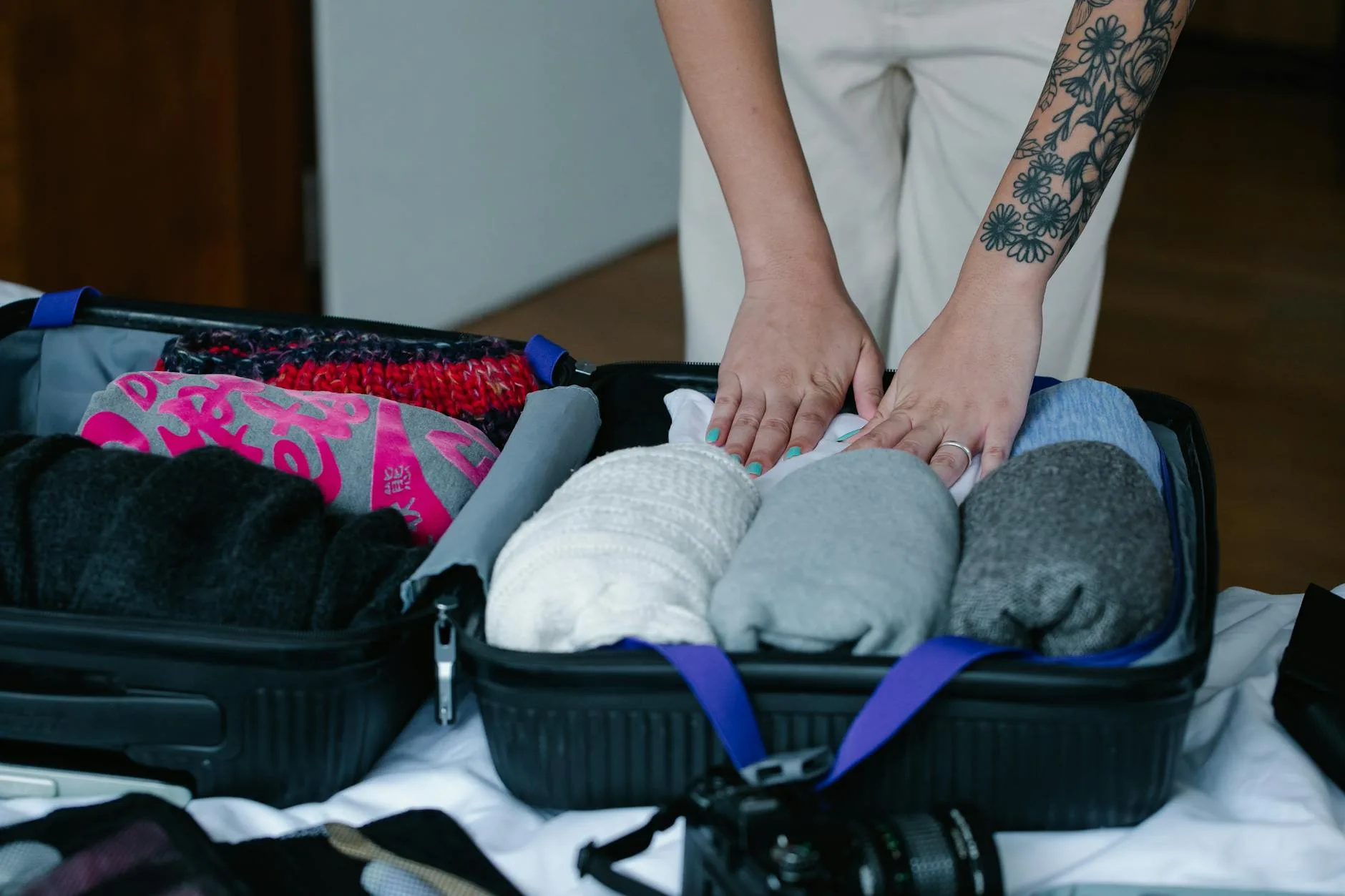
Photo by Timur Weber on Pexels
How to travel carry-on only: practical packing tips
You’re standing at a train station in Hanoi’s Old Quarter, bag on your back, and the overnight sleeper to Hội An leaves in eight minutes from a platform that requires crossing three sets of tracks and a market stall selling bánh mì. The person next to you has a 28kg checked suitcase and is making a calculation that is not going to end well. You have a 7kg carry-on and a small daypack. You move.
That moment — repeated across ferry terminals, overnight buses, cobbled Medina alleys, and airport security queues — is the practical argument for carry-on only travel. Not minimalism as identity, not a point to prove, but genuine freedom of movement. The fewer bags you carry, the more fluidly you move through a place.
This is a guide to actually doing it: what fits, what doesn’t, which systems work, and where the compromises genuinely lie.
Why carry-on only changes how you travel
Before getting to kit lists, it’s worth being specific about what you gain and what you give up.
On the gain side: no checked baggage fees (which on budget carriers like Ryanair, Wizz Air, or AirAsia can add €40–70 each way), no baggage carousels, no lost luggage, and genuine flexibility to book a last-minute flight or switch routes without re-checking logistics. On overland routes — say, a night bus from Tbilisi to Yerevan, or a slow boat on the Mekong — you keep your bag with you, which matters.
On the loss side: you will rewear clothes. You cannot pack for every weather contingency. If you’re doing a trek that requires specific gear (crampons, a sleeping bag rated to -15°C), carry-on only may require renting or buying at the trailhead. Be honest with yourself before committing.
Choosing the right bag
The single most important decision. Get this wrong and the whole system falls apart.
The carry-on dimension sweet spot for most airlines is 55 x 40 x 20cm, which covers most European and Asian carriers. Some budget airlines (Ryanair, as of 2026, with its “small personal bag” policy) are stricter — 40 x 20 x 25cm for the free tier. Check the airline’s current policy before buying.
Backpack or wheeled carry-on? For urban trips and flat terrain, a wheeled carry-on (the Rimowa Essential Cabin and the Away Carry-On are the premium picks; the Samsonite Orfeo is a solid mid-range option) rolls smoothly and is easy to manage. For trips involving rough ground, markets, ferries, and anything that requires two free hands, a backpacking-style carry-on — the Osprey Farpoint 40 and the Tom Bihn Synik 30 are well-regarded — wins. Many experienced travellers add a small daypack (12–15L) that compresses into the main bag when not in use, worn on the front through airports.
The core packing system: what actually fits
Seven kilograms sounds alarming until you’ve done it once. Here is a tested framework for a 2–6 week trip across a mixed climate.
Clothing (the hardest category to get right)
The principle is fabrics that dry fast, resist odour, and layer. Merino wool is the benchmark — it doesn’t smell after two wears the way synthetic or cotton does, and a single Merino t-shirt (Icebreaker, Smartwool, or Uniqlo’s budget version) can be worn three days running without embarrassment. Pack:
- 3 t-shirts / tops (2 Merino or similar, 1 backup)
- 2 pairs of trousers or bottoms (one smart enough for a restaurant or a temple visit)
- 5 pairs of underwear (Merino or ExOfficio)
- 3 pairs of socks (Merino again — worth it)
- 1 mid-layer (a down or synthetic puffy that compresses small)
- 1 packable rain jacket
- 1 pair of shoes worn on the plane
- 1 pair of sandals or lightweight shoes in the bag
If you’re visiting religious sites — mosques, temples, shrines — pack a lightweight scarf or sarong. It weighs 80 grams and solves the “covered shoulders / covered knees” requirement across cultures without carrying separate outfits. (For more on navigating those spaces thoughtfully, the Steeped World guide on how to respectfully visit religious sites abroad is worth a read before you go.)
Toiletries
TSA/EU liquid rules apply to carry-on: 100ml containers, all fitting in one 1-litre clear bag. In practice: shampoo bar (no liquid), solid conditioner bar, 100ml each of sunscreen and moisturiser, and a compact first-aid kit. Toothpaste in a small tube. Leave the full-size products at home — you can buy them almost everywhere you’ll land, and often for less money than at home.
Electronics
Laptop or tablet, phone, one universal adapter (the Anker 65W GaN charger with multiple USB-C ports handles most devices in one unit), a small powerbank, and headphones. Cables: USB-C to USB-C, one lightning or micro-USB if your devices need it. Keep electronics in a dedicated pouch rather than loose in the bag — security queues go faster.
Weight breakdown: what a real 7kg carry-on looks like
| Category | Items | Approx. weight |
|---|---|---|
| Clothing | 3 tops, 2 bottoms, underwear, socks, mid-layer, rain jacket | 2.0–2.5 kg |
| Footwear in bag | 1 pair sandals or light shoes | 0.4–0.6 kg |
| Toiletries | Solid bars, sunscreen, first aid, liquids bag | 0.5–0.7 kg |
| Electronics | Laptop/tablet, phone, charger, powerbank, cables | 1.2–1.8 kg |
| Documents & wallet | Passport, cards, travel insurance docs | 0.2 kg |
| Bag itself | Depending on model | 0.8–1.5 kg |
| Total | ~5.5–7.3 kg |
The numbers above are honest averages. A heavier laptop (MacBook Pro 16″) or a DSLR camera will push you over. A Chromebook or iPad with keyboard weighs significantly less. If you’re a photographer who can’t leave the gear behind, either accept one checked bag for that trip or invest in a mirrorless system with compact lenses.
Climate and destination adjustments
Carry-on only is easiest for warm-weather destinations — Southeast Asia, the Mediterranean in summer, the Canary Islands, Central America. Packing for cold climates in a carry-on is harder but not impossible.
For cold-weather trips: wear your bulkiest items on the plane (boots, puffy jacket, heaviest trousers). A merino base layer, a mid-layer fleece, and a packable down jacket occupy surprisingly little space when compressed. What doesn’t pack well: ski gear, heavy waterproof hiking boots, down sleeping bags. For serious trekking — the Annapurna Circuit, Patagonia’s W Trek — renting gear at the trailhead is often cheaper than buying it at home and more practical than carrying it.
For long-term travel across multiple climates — say, six months in Southeast Asia followed by a month in Japan in autumn — the principle is: pack for the warmest destination, buy or rent what you need for cold sections on arrival. Chiang Mai’s Night Bazaar and Bangkok’s Chatuchak Weekend Market sell packable layers at reasonable prices. Hanoi’s Old Quarter (specifically Hàng Gai and Hàng Trống streets) has sportswear shops where a functional down jacket costs $20–30.
Doing laundry on the road
This is the practical engine that makes carry-on only work. Without a laundry system, packing light is just packing dirty.
Most guesthouses, hostels, and mid-range hotels across Asia, Eastern Europe, and Latin America offer laundry service charged by the kilogram — typically $1–3/kg, returned the same day or next morning. In Vietnam, Thailand, and Indonesia, self-service laundromats (with attendants who wash and fold for you) are on almost every tourist street. In Japan, coin laundromats are everywhere and usually well-maintained. In Europe, laundromats tend to be self-service; a wash-and-dry cycle runs about €5–8.
For a 3-night turnaround — when you can’t get to a laundromat — a few items (socks, underwear, a t-shirt) wash easily in a hotel basin with a small bar of soap and dry overnight on a towel rail or hanger. Merino dries in 4–6 hours; cotton takes longer. Polyester dries fastest but smells fastest, which is why the fabric choice matters.
Airlines to watch and bag policies that change
This is where carry-on only travel has friction points that nobody warns you about adequately.
Budget European carriers (Ryanair, Wizz Air, easyJet) have tiered bag policies where only the smallest “personal item” is included in the base fare. A standard carry-on costs extra unless you book a higher fare tier. Factor this into cost comparisons — sometimes a full-service carrier with a free cabin bag is cheaper in practice.
In Southeast Asia, AirAsia and Scoot allow a 7kg cabin bag on most routes; VietJet is stricter and more aggressive about weighing at the gate. In the Americas, Spirit and Frontier have similarly tiered policies. IATA’s baggage allowance overview gives the current framework, though individual airline policies vary and change — always check at booking.
For context on how carry-on travel interacts with long, multi-country routes, National Geographic has a useful primer on packing strategies for extended travel that covers some of the same ground from a different angle.
If you’re planning a longer route — several months through Southeast Asia, across the Balkans, or an overland Africa trip — the logic of carry-on only compounds. Every overnight bus, every last-minute reroute, every guesthouse without an elevator becomes easier. The Steeped World guide on avoiding overtourism in Southeast Asia covers several routes where mobility matters — smaller towns, less-served destinations, transport that doesn’t include a baggage carousel.
What not to cut: the things people regret leaving behind
After all the minimising, here are the items experienced carry-on travellers consistently wish they’d kept:
A physical lock. A small TSA-approved padlock for hostel lockers and bag zips. Costs €4, weighs 40g, prevents most opportunistic theft.
A dry bag or packing cube for electronics. One wet taxi ride or a monsoon ferry crossing will clarify why this matters.
Printed copies of key documents. Visa approvals, travel insurance policy numbers, emergency contacts. Your phone battery will die at the worst moment.
A lightweight reusable bag. For markets, beach days, carrying food. Collapses to nothing. A tote weighs 50g.
Enough medication for the full trip plus a buffer. Prescription medication is the one category where “buy it there” is bad advice. Carry enough, keep it in original packaging, and carry a letter from your GP for anything controlled.
The Bottom Line
- Seven kilograms is enough for weeks of travel if you choose fast-drying fabrics, plan for laundry every 3–5 days, and wear your heaviest items on transit days.
- The bag decision matters more than any single item inside it. A good carry-on backpack (Osprey Farpoint 40, Tom Bihn Synik 30) or wheeled cabin bag (Away, Rimowa) will last years; a cheap one will fail at a hinge in month two.
- Budget airline bag policies are a moving target. Always check the specific carrier’s current rules at booking — not the general rule, not what it was last year. The extra bag fee on Ryanair can exceed the cost of the ticket on short routes.
- Laundry is the infrastructure of light travel. Across Southeast Asia, Eastern Europe, and Latin America it costs $1–3/kg and comes back folded. Build it into your planning rather than packing around it.
- Be honest about your trip type before committing. Carry-on only works brilliantly for most urban, overland, and warm-weather travel. For technical trekking or extended cold-weather trips, renting gear at the destination is often the smarter call than trying to compress it all into 55 x 40 x 20cm.
Keep reading: Packing light for six months of travel: carry-on only