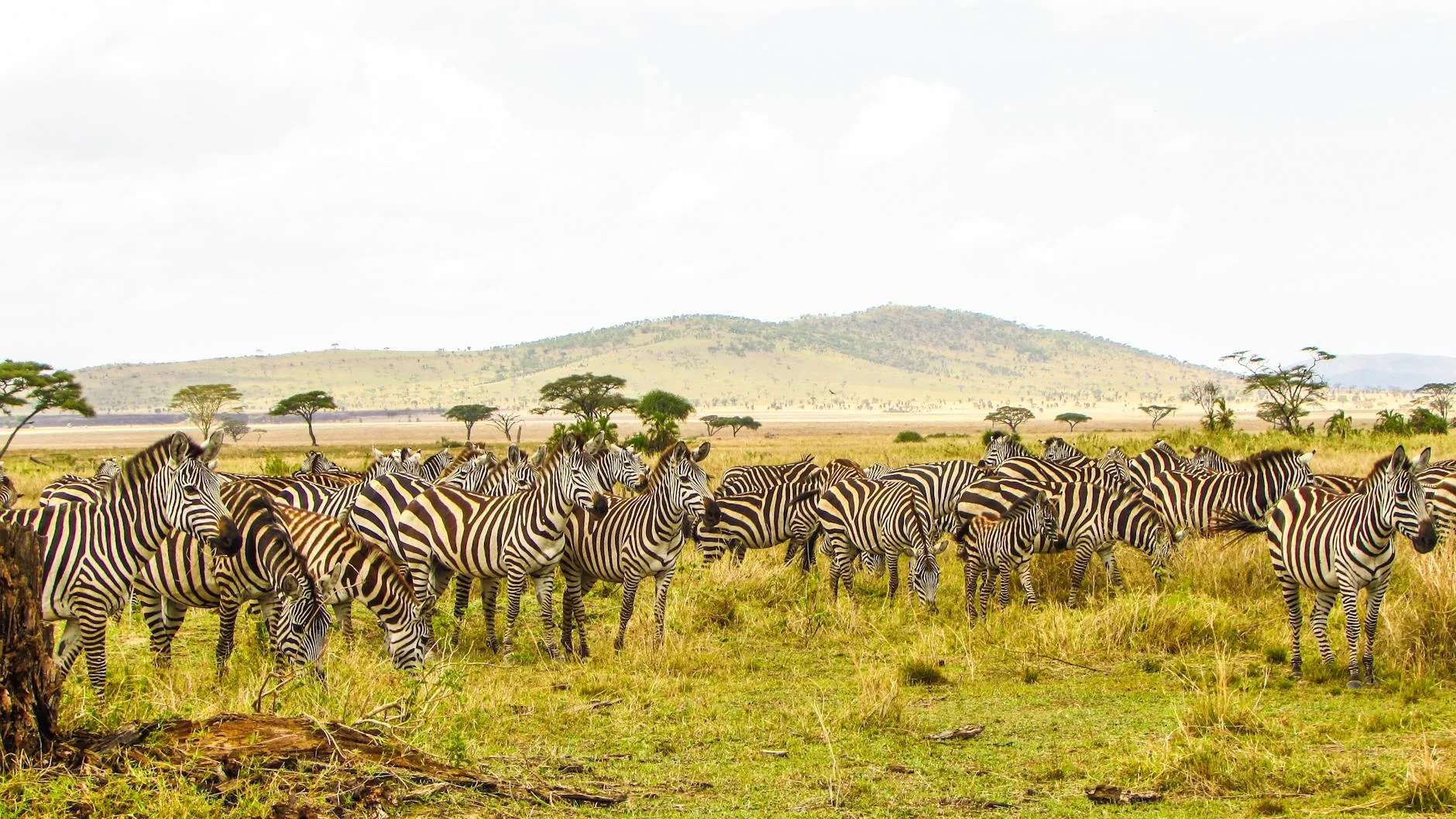
Photo by Maasai Magic on Pexels
Best national parks in Africa: top 10 guide
The dust rises in a red curtain behind the Land Cruiser, and then it clears, and the plain unfolds: yellow grass to the horizon, a line of acacia trees, three giraffes moving in slow motion against a lilac sky. It takes a moment to understand the scale — not just of the landscape, but of how much life is moving through it. Africa’s national parks have a way of doing that. They don’t ease you in.
This list covers ten of the continent’s finest protected areas — from East Africa’s great savannahs to southern Africa’s river deltas to the dense montane forests of the Great Rift Valley. The selection is based on ecological diversity, wildlife quality, accessibility for independent or semi-independent travellers, and the depth of experience on offer beyond a standard game drive. This isn’t a ranking of Instagram scenery. It’s a guide to places where the effort — and there is always some effort — pays off.
Costs and logistics are honest throughout. Africa’s parks range from surprisingly affordable to genuinely expensive, and it matters to know which is which before you book.
1. Serengeti National Park, Tanzania
Where it is: Northern Tanzania, bordering Kenya’s Maasai Mara to the north. The main gate at Naabi Hill is roughly 350km from Arusha by road — around 6–8 hours depending on condition and season.
The Serengeti needs little introduction, but the reality of being inside it still surprises. It is enormous — nearly 15,000 sq km — and the central Seronera area, where most budget and mid-range camps cluster, gives only a partial picture. If you can push into the Loliondo concession to the east or the Western Corridor toward Grumeti, the density of wildlife changes completely and the other vehicles largely disappear.
The wildebeest migration — over 1.5 million animals moving in a broad, chaotic loop through Tanzania and Kenya — is the main draw, but the park is exceptional year-round. The Seronera River valley holds resident leopard, lion prides and large crocodile populations regardless of season. Entry fees as of 2026 sit at around USD 70 per adult per day. Accommodation ranges from tented bush camps at USD 80–150 per night to luxury lodges exceeding USD 800. The Serengeti migration timing and where to position yourself is covered in full detail in a separate guide — worth reading before you book.
Getting there: Most visitors fly into Kilimanjaro International Airport (JRO), then transfer to Arusha for safari departure. Scheduled bush flights from Arusha to airstrips inside the park (Seronera, Grumeti, Kogatende) take 45–90 minutes and cost USD 200–400 one way. Self-drive is possible but not recommended without prior experience on African tracks.
2. Bwindi Impenetrable National Park, Uganda
Where it is: Southwestern Uganda, straddling the Albertine Rift. The nearest town is Buhoma (for the northern sector) or Rushaga/Nkuringo (southern sector), each around 8–9 hours by road from Kampala.
Bwindi is where you go for mountain gorillas — specifically, to spend one permitted hour with a habituated family group in one of the densest rainforests on the continent. The word “impenetrable” is not metaphorical. The vegetation is so layered and dark that guides use machetes to cut the path, and you will crawl through mud on hands and knees before you find the family. Then you look up, and a silverback is sitting three metres away, pulling apart a branch with the slow concentration of someone reading a newspaper.
Permits cost USD 700 per person per trek in Uganda, which is cheaper than Rwanda’s USD 1,500. The difference in terrain and atmosphere is real — Bwindi is rawer, wetter, harder work. The comparison between both destinations is worth thinking through carefully, particularly if budget or physical fitness is a factor. A full breakdown of gorilla trekking in Uganda versus Rwanda covers permit logistics, sector choices and trek difficulty in detail.
Getting there: Fly into Entebbe (EBB). The road journey is long but passes through the tea hills of Kabale district, which is worth treating as a stop rather than a through-route. Domestic flights to Kihihi airstrip (near Buhoma) take about 1 hour from Entebbe and cost USD 150–250 one way with Aerolink Uganda.
3. Okavango Delta (Moremi Game Reserve), Botswana
Where it is: Northern Botswana. Maun is the gateway town, with daily flights from Johannesburg (OR Tambo). The Okavango Delta itself is accessed primarily by small charter flight or mokoro (dugout canoe) from camps around Chief’s Island and the Xakanaxa Lagoon.
The Okavango is an inland delta — one of the largest on earth — formed by the Okavango River flooding into the Kalahari sands of Botswana every year. The result is a shifting maze of papyrus channels, lily-covered lagoons, and palm-studded islands that host extraordinary concentrations of wildlife. Moremi Game Reserve covers the eastern portion of the delta and is the only formally protected section, though private concessions surround it.
This is not a budget destination. Botswana’s high-cost, low-volume conservation model means park fees and accommodation are among the steepest in Africa — expect USD 150–200 per person per day in park fees alone, and USD 400–1,500 per night for lodges. But the wildlife density and the experience of gliding through channels in a mokoro at dawn, with hippos surfacing 20 metres away, is genuinely unlike anything else on the continent.
Getting there: Fly Johannesburg to Maun (daily flights with Airlink or Air Botswana, around 1.5 hours). From Maun, charter flights to camps inside the delta take 15–30 minutes. There is no self-drive access to the inner delta.
4. Kruger National Park, South Africa
Where it is: Limpopo and Mpumalanga provinces, northeastern South Africa. The southern gates (Malelane, Crocodile Bridge) are around 5 hours by car from Johannesburg.
Kruger is Africa’s most accessible major park for independent travellers, and that is a genuine advantage rather than a compromise. South African National Parks (SANParks) runs a network of rest camps — Skukuza, Lower Sabie, Satara, Olifants — with self-catering chalets, bungalows and campsites that allow self-drive safari at a fraction of guided lodge prices. Daily conservation fees run to around ZAR 480 (roughly USD 26) per adult in 2026. A self-catering chalet at Satara camp costs approximately ZAR 2,500–3,500 (USD 130–190) per night.
The southern Kruger, particularly the triangle between Skukuza, Lower Sabie and the Sabie River, holds some of the highest lion and leopard densities in the park. The far north — near Pafuri — is wilder, less visited and home to Pel’s fishing owl and nyala along the Luvuvhu River. For its combination of wildlife quality, logistical ease and value for money, Kruger belongs near the top of any list.
Getting there: Fly into Skukuza Airport (direct from Johannesburg with Airlink, 1 hour) or rent a car from Johannesburg and drive. All main roads inside the park are tar. Note: the park gates close at sunset and vehicles must be at camp by then — this is enforced.
5. Virunga National Park, Democratic Republic of Congo
Where it is: Eastern DRC, bordering Rwanda and Uganda. The main entry point for gorilla tourism is through Rumangabo, accessible from Goma city.
A note on access: the security situation in eastern DRC has been variable for years, and Virunga’s status as a tourist destination has fluctuated accordingly. As of 2026, check the latest guidance from your government’s foreign ministry before booking. When the park is open and operating, however, it offers a mountain gorilla experience that is among the most raw and least commodified in the region — and at lower permit costs than either Uganda or Rwanda.
Beyond gorillas, Virunga is Africa’s oldest national park (established 1925) and contains extraordinary biodiversity: Nyiragongo volcano’s active lava lake, chimpanzee habitats in the central sector, and hippo concentrations in Lake Edward. The infrastructure is minimal, the roads are difficult, and the experience requires flexibility. If you have followed coverage of the park’s conservation work through the years, you will know this is also one of the most complex and contested natural areas on earth.
6. Etosha National Park, Namibia
Where it is: Northwestern Namibia. Andersson Gate (southern) is 100km north of Otjiwarongo, around 5 hours from Windhoek by car. Fischer’s Pan Gate to the east is the entry for Namutoni camp.
Etosha is built around a vast salt pan — 4,800 sq km of blinding white — which defines its ecology. Wildlife congregates at waterholes on the pan’s southern edge, and the density of viewing at those waterholes, particularly at dusk and after dark (several camps have floodlit waterholes), can rival anywhere in Africa. Elephant herds 50-strong. Black rhino emerging at midnight. Lion taking gemsbok in the torch-light.
Self-drive is easy and well-suited to the park’s flat, clearly marked gravel roads. NamibRand reserves surround Etosha and add a luxury tier for those who want it, but the NamParks camps — Okaukuejo, Halali, Namutoni — are affordable and excellent. Nightly fees run around NAD 350 (USD 19) per adult, with chalets from NAD 2,000 (USD 110). This is one of the most cost-effective major parks in sub-Saharan Africa.
Getting there: Fly into Windhoek Hosea Kutako International (WDH), hire a 2WD or 4WD car (2WD is sufficient for Etosha), and drive north. The roads are good tar until the park boundary. Namibia is very well set up for independent driving; fuel is available in Otjiwarongo and at the camps inside the park.
7. Amboseli National Park, Kenya
Where it is: Southern Kenya, on the Tanzanian border directly below Kilimanjaro. Namanga border crossing connects it to Tanzania. The park is around 4.5 hours by road from Nairobi.
Amboseli is small — 392 sq km — but punches far above its weight. The combination of open marshland, acacia woodland and the perpetual backdrop of Kilimanjaro (when the cloud clears, usually early morning) creates landscapes that feel staged for effect but aren’t. The elephant population here is among the most studied in Africa; the Amboseli Elephant Research Project has tracked individual animals and family groups for over 50 years, and the elephants have an unhurried, unafraid quality that reflects it.
Entrance fees sit at USD 90 per adult per day. Accommodation ranges from the mid-range Amboseli Serena Safari Lodge (around USD 200–300 per night all-inclusive) to budget guesthouses in the nearby town of Loitokitok, where you can stay for USD 30–50 and hire a local guide for day drives. The Kenya Wildlife Service website manages bookings and current fee schedules. For those building a broader East African itinerary, the budget considerations across Kenya, Uganda and Tanzania are covered in a useful overland guide on travelling East Africa affordably.
8. South Luangwa National Park, Zambia
Where it is: Eastern Zambia, Luangwa Valley. The nearest town is Mfuwe, 7 hours from Lusaka by road. Mfuwe Airport has daily connections to Lusaka with Proflight Zambia (1 hour, around USD 150–200 one way).
South Luangwa is the kind of park that serious safari travellers speak about in a different register. The walking safari was effectively invented here — Norman Carr pioneered it in the 1950s — and walking remains the experience that distinguishes Luangwa from most other African parks. Armed guides from camps like Flatdogs, Nkwali or Bushcamp Company take small groups on foot through the bush at dawn, and the proximity to wildlife — elephant at 15 metres, hippo trails in the riverine grass — produces a completely different calibre of attention than a vehicle does.
The Luangwa River itself draws enormous concentrations of game, particularly hippo and crocodile. Leopard sightings are exceptional. Costs are mid-range by African safari standards: well-run camps like Flatdogs charge USD 150–250 per person per night for full board and activities. The rainy season (November–April) makes some areas inaccessible but brings lush vegetation, baby animals and very few other visitors.
9. Hwange National Park, Zimbabwe
Where it is: Northwestern Zimbabwe, near the town of Victoria Falls. The main camp, Main Camp, is around 180km from Victoria Falls by road.
Hwange is Zimbabwe’s largest park and one of Africa’s great elephant sanctuaries — the population is estimated at over 45,000, and the pressure on water and vegetation is visible and real, which itself makes for an ecologically complex visit. The park is pumping artificial water into waterholes year-round, a management intervention that concentrates game but also highlights the tension between wildlife needs and an overstretched conservation budget.
That context doesn’t diminish the experience. In the dry season (June–October), waterholes like Nyamandhlovu Platform and Dom Pan produce scenes of extraordinary density: hundreds of elephants drinking in waves, painted wolves (African wild dog) on the move, sable antelope in the mopane woodland. Zimbabwe’s tourism infrastructure has recovered considerably since the early 2000s, and accommodation here — from the excellent Imvelo Safari Lodges to National Parks camps at very affordable ZWL prices for residents (foreigners pay around USD 40–60 per night at Main Camp) — represents good value.
Getting there: Fly into Victoria Falls Airport (VFA), which has direct connections to Johannesburg, Nairobi and Addis Ababa. Hire a car or arrange a transfer; the road to Main Camp is manageable in a 2WD in dry season.
10. Volcanoes National Park, Rwanda
Where it is: Northwestern Rwanda, Virunga massif. The park headquarters at Kinigi is around 2.5 hours by road from Kigali.
Volcanoes National Park is Rwanda’s signature conservation achievement and the most polished gorilla trekking experience in Africa. The permit system is tightly managed — only 96 trekkers per day across eight habituated groups — and the infrastructure around Ruhengeri town (the local name for Musanze) is well organised. Gorilla permits cost USD 1,500 per person as of 2026, which makes this the most expensive single wildlife experience on the continent, but the fee funds conservation directly and the park management is among Africa’s most effective.
The actual trek varies enormously by family group: some involve 20-minute walks through farmland and bamboo forest; others require 4–5 hours of steep, muddy climbing to 3,000+ metres. Request physical difficulty information when booking through the Rwanda Development Board. Beyond gorillas, the park also offers golden monkey tracking (USD 100 per person) and guided hikes on Bisoke volcano to a crater lake at 3,711 metres — a full day’s effort with outstanding views into DRC on a clear day. The hike up Karisimbi, at 4,507 metres Rwanda’s highest peak, is a two-day overnight expedition and requires reasonable fitness and cold-weather gear.
Comparison: Africa’s top 10 national parks at a glance
| Park | Country | Best season | Daily park fee (approx.) | Self-drive? | Standout feature |
|---|---|---|---|---|---|
| Serengeti | Tanzania | Jun–Oct (migration north) | USD 70 | No (guided) | Great wildebeest migration |
| Bwindi | Uganda | Jun–Aug, Dec–Feb | USD 700 (permit) | No | Mountain gorilla trekking |
| Okavango/Moremi | Botswana | Jul–Oct (dry) | USD 150–200 | No inner delta | Mokoro, predators, birds |
| Kruger | South Africa | May–Sep | ~USD 26 | Yes | Self-drive Big Five |
| Virunga | DRC | Varies (check FCO) | Lower than neighbours | No | Gorillas, Nyiragongo lava |
| Etosha | Namibia | Jun–Oct | ~USD 19 | Yes | Waterhole game-watching |
| Amboseli | Kenya | Jun–Oct, Jan–Feb | USD 90 | Yes (guided recommended) | Elephants + Kilimanjaro |
| South Luangwa | Zambia | Jun–Oct (walking peak) | USD 30–50 | No (walking safaris) | Walking safaris, leopard |
| Hwange | Zimbabwe | Jun–Oct | ~USD 40–60 | Yes (dry season) | Elephant herds, wild dog |
| Volcanoes | Rwanda | Jun–Sep, Dec–Jan | USD 1,500 (permit) | No (guided only) | Gorillas, Bisoke hike |
According to the IUCN’s Protected Planet database, Africa has over 1,300 protected areas covering roughly 15% of the continent’s land surface — the ten parks above represent some of the most ecologically significant and visitor-accessible among them, but the breadth of what exists beyond this list is worth remembering when planning a longer trip.
For those combining several of these parks into an overland route — Nairobi to Cape Town, say, or a loop through East and southern Africa — the logistics of moving between countries independently are more manageable than they might appear. A practical framework for travelling Africa without a tour group is a useful starting point for planning that kind of journey.
The Bottom Line
East Africa offers the deepest concentration of parks, and a Nairobi–Amboseli–Serengeti–Bwindi circuit is one of the world’s great wildlife journeys — but budget at least USD 3,000–5,000 per person for two weeks, more if you add gorilla permits.
Kruger and Etosha are the strongest options for self-drive, independent travel. Both offer Big Five wildlife and affordable public accommodation without requiring a guide or a private vehicle transfer.
South Luangwa is worth the extra effort. It is less famous than its peers and harder to reach, but the walking safari tradition here is genuinely distinctive — you will not get the same thing anywhere else.
Rwanda’s Volcanoes is the most expensive single-experience park on this list, but the USD 1,500 gorilla permit is all-inclusive and the park infrastructure is the most reliable in the region. If budget is tight, Uganda’s Bwindi offers a comparable — and in some ways harder, more atmospheric — experience at less than half the price.
Check current entry requirements and security advisories before finalising any itinerary, particularly for DRC and any parks in regions with variable travel advisories. Conditions change, and a government travel advisory is always the most current source.
Keep reading: Gorilla trekking Uganda vs Rwanda: permits, costs and terrain