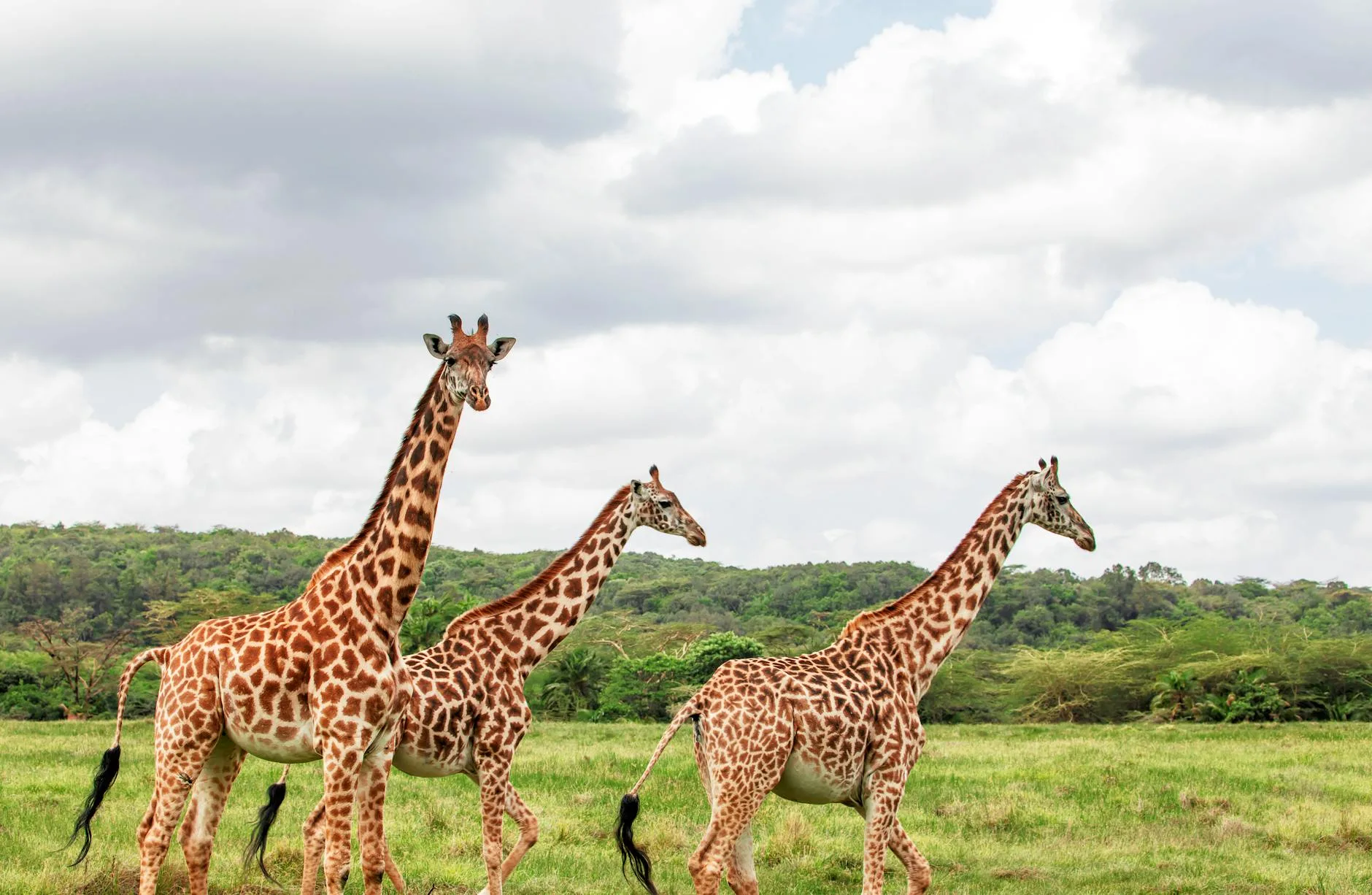
Photo by sylvia mtenga on Pexels
How to travel East Africa on a budget: Uganda, Kenya, Tanzania
The matatu pulls out of Kampala’s Kisenyi district before dawn, packed with traders, students, and one or two backpackers wedged between sacks of dried beans. By the time the city’s red dust thins into the green corridor of the Rift Valley escarpment, the sun has cracked the horizon and a woman two seats ahead is already eating a mandazi from a paper bag. This is not a romantic scene — the road is pot-holed, the music is loud, and the seat barely reclines — but this is also exactly how you move through East Africa cheaply, and honestly, it works.
Uganda, Kenya and Tanzania together form one of the most rewarding overland circuits on the continent. You get savanna wildlife, mountain gorillas, volcanic craters, the Swahili coast, and a depth of human culture that no itinerary can fully contain. The challenge is that the region’s marquee experiences — gorilla permits, Serengeti safaris, Kilimanjaro climbs — carry price tags that can make “budget travel” feel like a contradiction. It isn’t one. You just need to know which splurges are worth it, which costs can be shaved dramatically, and which routes make the whole thing logistically sane.
Where to start and how to sequence the route
The most logical entry point for a combined Uganda–Kenya–Tanzania circuit is Entebbe, Uganda (via Entebbe International Airport), which handles direct flights from Amsterdam, Dubai, London Heathrow, and several African hubs. Alternatively, Nairobi’s Jomo Kenyatta International Airport gets more low-cost connections from the Middle East and within Africa, making it a cheaper option if you’re coming from Asia or the Gulf.
The classic budget direction is Entebbe → Kampala → Jinja → Bwindi → Kigali border → back through Kampala → Nairobi → Naivasha/Nakuru → Maasai Mara → Nairobi → Arusha → Zanzibar → Dar es Salaam. You can also run it in reverse. What you should avoid is zigzagging — doubling back between countries on land burns days and money fast.
Rough time budget: Allow at least five weeks for all three countries done properly. Three weeks is manageable for two countries. Two weeks is enough for one with real depth.
Uganda: Kampala, Jinja, and the gorilla calculation
Kampala is a functional base rather than a destination in itself, but the Owino Market in the city centre is worth a morning — a labyrinthine secondhand clothing market where you can see how East Africa’s textile economy actually operates. The neighbourhood of Kabalagala in the south has cheap guesthouses (from around $12–18/night for a private room with fan) and the kind of busy local restaurant strips where a plate of matoke, groundnut stew, and rice costs under $2.
Jinja, two hours east by shared minibus, sits at the source of the Nile and has grown into a solid backpacker hub with hostel dorms from $8–10. White-water rafting on the Nile here (Grade 4–5 rapids) runs around $90–110 with operators like Nile River Explorers — not cheap, but it’s one of the continent’s best single-day adventures and costs significantly less than comparable rafting in comparable rivers elsewhere.
The big financial decision in Uganda is gorilla trekking in Bwindi Impenetrable Forest. A permit costs $800 USD per person — non-negotiable, set by the Uganda Wildlife Authority. This is not a budget line item; it is a deliberate splurge or it is skipped. If you want to compare it against permits in Rwanda (which run $1,500), our detailed breakdown of gorilla trekking in Uganda vs Rwanda covers the permit cost difference, trek difficulty, and what each experience actually delivers. Uganda is the better value of the two. The trek itself can take anywhere from 45 minutes to eight hours of dense forest hiking depending on where the gorilla family has moved — physically, it is no walk in the park.
Getting to Bwindi from Kampala involves either a long direct bus via Kabale (roughly 9–10 hours, around $8–12 on Gaaga Bus) or breaking the journey overnight in Kabale town, which is pleasant and cheap.
Kenya: Nairobi, the Rift Valley lakes, and doing the Mara without the price tag
Nairobi is denser, faster, and more expensive than Kampala. The neighbourhood to base yourself in is Westlands or the upper end of Kilimani if you want security and amenities; Ngara or around River Road if you’re watching costs tightly, though the latter area requires more alertness with your belongings. Budget guesthouses in Westlands run $20–35/night. Street food in the River Road area — nyama choma (grilled meat), ugali with sukuma wiki (maize porridge with collard greens), chapati — costs $1–3 a plate.
The Rift Valley lakes are one of Kenya’s most underrated stretches. Lake Naivasha (90 minutes from Nairobi by matatu, about $2) has hippos, thousands of birds, and cheap campsites at Fisherman’s Camp ($7–10 to pitch a tent). Lake Nakuru national park has white rhinos and enormous flamingo flocks, though park entry is $60/day for non-residents — worth it for a half-day, skip it if you’re strapped.
The Maasai Mara is Kenya’s most expensive park to enter: $200/day for non-residents as of 2025–26. A standard safari out of Nairobi (three days, two nights, shared group jeep, budget camp) runs $350–500 all-in from operators around Tom Mboya Street, which is genuinely budget by safari standards. The Mara is worth doing once. If you’re prioritising the Serengeti on the Tanzanian side, you can arguably skip the Mara — the ecosystem is continuous — but the Kenyan side has slightly easier logistics from Nairobi.
Getting Kenya-Tanzania: The standard overland crossing is Namanga border, about four hours south of Nairobi to Arusha. Easy Coach runs direct Nairobi-Arusha buses for around $15–20, leaving from downtown Nairobi near the archives roundabout. The border crossing itself is generally smooth, takes 30–90 minutes depending on queues, and both an EAC single tourist visa or separate country visas work here. More on visas below.
Tanzania: Arusha, the Northern Circuit, and Zanzibar by ferry
Arusha is the gateway to most of northern Tanzania’s big wildlife areas and handles arriving overland travellers well. The Kijenge and Kaloleni neighbourhoods have solid budget guesthouses ($15–25/night). The central market in Arusha is good for stocking up on dried fruit, roasted groundnuts, and chapati before heading out.
Tanzania’s Northern Circuit — Serengeti, Ngorongoro, Tarangire, Lake Manyara — requires either a rented 4WD (expensive alone, feasible split four ways) or a packaged safari. Budget camping safaris of four days/three nights on the Northern Circuit run $400–600 per person from Arusha-based operators like Wayo Africa or smaller companies along the Sokoine Road strip. Book in Arusha in person, compare three quotes, and check reviews via independent forums rather than booking platforms.
The Serengeti wildebeest migration runs roughly December–July (with the river crossings peaking June–September in the northern Mara region). If budget is the primary constraint, visiting in the green season (November–April) cuts camp costs by 20–40% and reduces crowds, though the long grass can make wildlife harder to spot.
Zanzibar is reached by ferry from Dar es Salaam (the Kilimanjaro Fast Ferry or Azam Marine, $35–40 one-way, 2 hours) or from Tanga in northern Tanzania (slower, cheaper, less frequent). Stone Town on the west of the island is the cultural anchor — UNESCO-listed, genuinely interesting for its Omani Arab-Swahili architecture, the Darajani Market (fish stalls open by 7am, fruits and spices all day), and the narrow streets of the Hurumzi and Shangani neighbourhoods. A good budget guesthouse in Stone Town costs $25–40/night. Eating at the Forodhani Night Market on the waterfront — urojo soup, Zanzibar pizza (a folded street-food crepe-omelette hybrid), grilled lobster — is one of the region’s genuine pleasures and costs $4–10 for a full meal.
Visas and the EAC single tourist visa
The East Africa Tourist Visa covers Uganda, Kenya, and Rwanda for $100 and allows multiple entries between those three countries. It does not cover Tanzania. Tanzania requires its own e-visa, currently $50 for most nationalities, applied for at Tanzania’s official immigration portal. Kenya and Uganda also offer e-visas online. Apply for all of these at least two weeks before travel.
If you’re only doing Kenya and Tanzania, buy separate visas. If you’re combining all three (plus Rwanda), the EAC visa saves money and eliminates border complications between Uganda and Kenya.
Getting around: buses, matatus, and what to expect
| Route | Mode | Approx. Cost | Duration | Notes |
|---|---|---|---|---|
| Kampala → Jinja | Shared minibus (matatu) | $1.50–2 | 2 hrs | Departs from Kisenyi/Old Taxi Park |
| Kampala → Kabale | Coach (Gaaga, Link) | $8–12 | 9–10 hrs | Book day before |
| Nairobi → Arusha | Easy Coach / Riverside | $15–20 | 4–5 hrs | Includes Namanga border stop |
| Arusha → Dar es Salaam | Dar Express / Shabiby | $15–20 | 8–10 hrs | Overnight option saves a night’s accommodation |
| Dar es Salaam → Zanzibar | Fast ferry (Azam / Kilimanjaro) | $35–40 | 2 hrs | Book ahead in high season |
| Nairobi → Naivasha | Matatu from Nyamakima stage | $2 | 1.5–2 hrs | Frequent throughout the day |
Buses in all three countries are generally reliable on major routes. Night buses save on accommodation costs but carry higher accident risk on poorly lit roads — a genuine trade-off, not a scare tactic. Dar Express and Shabiby are the better-regarded operators on Tanzania’s inter-city routes.
Food, money, and day-to-day costs
Eating where working people eat — at market stalls, roadside mama mboga (vegetable-seller) counters, and local canteens — keeps food costs between $3–7 per day across all three countries. Specific dishes worth knowing: pilau rice in Kenya and Tanzania (spiced with cardamom, cloves, cinnamon); matoke (steamed green banana) with groundnut sauce in Uganda; mishkaki (skewered grilled meat) at Zanzibar street stalls; samaki wa kupaka (grilled fish with coconut sauce) on the Tanzanian coast.
Accommodation: camping or dorm beds run $6–12 throughout the region; private budget rooms $15–35 depending on city. Nairobi is the most expensive city; Kampala and Arusha are cheaper.
ATMs work well in all capital cities and tourist hubs. Carry USD cash in small bills ($1, $5, $10, $20) as backup — widely accepted for park fees, visas, and border crossings. Avoid exchanging at airports. Mobile money (M-Pesa in Kenya and Tanzania) is useful if you have a local SIM.
A realistic daily budget, excluding gorilla permits and safaris: $40–60/day covers transport, accommodation, food, and incidental costs comfortably. Safaris and permits sit on top as discrete splurges.
If the funding side of a longer trip is still being worked out, the practical advice in our guide to saving money for long-term travel applies directly to a trip like this.
Best season and how long to plan for
The main dry season across East Africa runs June–October, with a second shorter dry window in January–February. These are the best wildlife-viewing months and the easiest for overland travel. The long rains fall April–May; the short rains October–November. Travelling in the green season has real advantages (lower prices, fewer visitors, extraordinary landscapes) but some parks and rural roads become difficult in April-May.
The Foreign, Commonwealth & Development Office travel advisories for Uganda, Kenya, and Tanzania are worth checking before finalising travel dates — not because the region is uniformly dangerous, but because border area situations can shift, and specific coastal or northern Kenya zones carry higher risk ratings that are worth being aware of.
The Bottom Line
- The EAC tourist visa ($100) covers Uganda, Kenya, and Rwanda — buy it if you’re hitting all three. Tanzania’s separate e-visa ($50) is straightforward to add. Sort both online before you arrive.
- Gorilla permits ($800 in Uganda) are the single largest budget decision on any East Africa circuit. They’re worth it for many travellers; they’re also genuinely skippable if wildlife safaris are the primary draw. Don’t let anyone tell you the trip is incomplete without them.
- Overland transport by scheduled coach is safe, cheap, and functional on all major routes. The Nairobi–Arusha run on Easy Coach is one of the smoothest cross-border journeys in the region. Budget $15–20 and half a day.
- Eat in markets, not tourist restaurants, and your daily food spend will stay well under $10 across all three countries. The Forodhani Night Market in Stone Town and the Owino Market in Kampala are not just budget options — they’re genuinely the best eating in those cities.
- Five weeks is the sweet spot for all three countries with real depth. Anything shorter means you’re passing through; anything longer lets you slow down in a way that changes the trip entirely.
Keep reading: Gorilla trekking in Uganda vs Rwanda: permits, costs and terrain