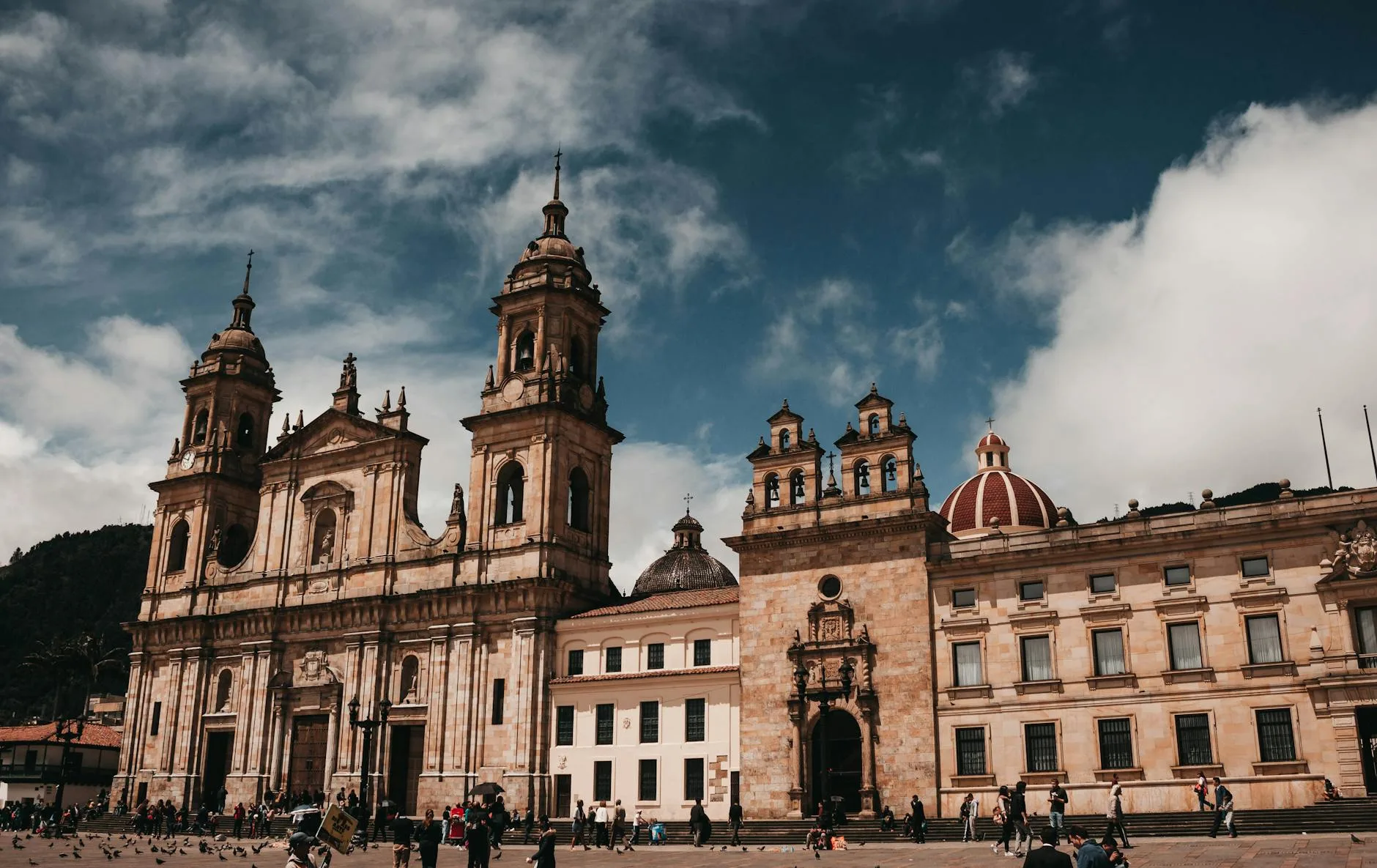
Photo by Jose Vasquez on Pexels
Colombia does not ease you in gently. Step off a bus in Medellín’s El Poblado neighbourhood at dusk and the city hits you at once — the diesel warmth of the streets, the jacaranda trees dropping purple blossoms onto the pavement, vendors selling obleas from carts parked at every corner. It’s a country that exists at several registers simultaneously: colonial and modern, Andean and Caribbean, unhurried and completely alive.
For years, Colombia’s reputation kept many travellers away. That reputation has shifted substantially. Infrastructure has improved, domestic tourism has boomed, and international arrivals have grown steadily through the mid-2020s. What you get now is a country that has learned how to host visitors without yet losing what makes it worth visiting — though in some places, that balance is getting harder to hold.
This guide covers ten destinations that each offer something genuinely distinct. Not every entry is easy to reach, and not every one will suit every traveller — but each one rewards the effort in its own way.
1. Cartagena de Indias
Cartagena is one of the best-preserved colonial cities in the Americas, and it knows it. The Ciudad Amurallada — the walled city — is a UNESCO World Heritage Site, and walking its narrow streets in the early morning, before the heat rises and the tour groups appear, still feels like something out of another century: bougainvillea spilling over ochre walls, horseshoe archways leading into shaded courtyards, the distant sound of cumbia from a transistor radio somewhere above.
The crowds are real and they are heavy, particularly between December and March. The tourist infrastructure is well-developed — boutique hotels in converted colonial mansions, rooftop restaurants, cocktail bars — and prices in Getsemaní, the neighbourhood just outside the walls that was once the city’s working-class heart, have risen sharply as it has gentrified. That said, Getsemaní still has more texture and better-value eating than the walled city itself: try La Mulata on Calle 26 for cazuela de mariscos, a rich coastal seafood stew.
Getting there: Fly into Rafael Núñez International Airport (CTG), which receives direct flights from Bogotá (1 hour, around COP 150,000–300,000 one-way) and direct international routes from several US cities. Taxis from the airport to the old city take 15–20 minutes and cost around COP 20,000–30,000.
2. Medellín
Colombia’s second city has become a reference point in conversations about urban transformation, and while that narrative is sometimes overstated, Medellín genuinely rewards time and attention. The city sits in a valley — the Valle de Aburrá — at around 1,500 metres, which gives it its famous clima de eterna primavera: warm enough to be comfortable, cool enough to walk.
El Poblado is where most visitors land, with its concentration of hostels, restaurants, and nightlife around Parque Lleras. It’s convenient but not representative. For a more grounded picture of the city, take the Metrocable up to Comuna 13 — the neighbourhood that was once one of the city’s most dangerous and is now known for its outdoor escalators (the Escaleras Eléctricas), street art, and hip-hop culture. The murals here are genuinely impressive, and local guides from the neighbourhood offer tours that go beyond the standard walking route.
The Mercado del Río, near the Cisneros metro station, is a good place to eat through an afternoon: around 50 stalls selling everything from arepas to Japanese-Colombian fusion. For something with more history, the Galería Minorista in the city centre is a working market that has served the city since the 1940s — loud, pungent, and completely unhomogenised.
Getting there: José María Córdova International Airport (MDE), in Rionegro about 40 km from the city centre, handles most international and domestic traffic. A taxi or app-based service (Cabify or InDriver are widely used) to El Poblado costs around COP 80,000–100,000 and takes 45–60 minutes depending on traffic.
3. The Coffee Region (Eje Cafetero)
The Eje Cafetero — centred on the departments of Quindío, Risaralda, and Caldas — is one of Colombia’s most visited inland regions, and deservedly so. The landscape here is extraordinary: steep ridges covered in banana palms and coffee plants, valleys dropping sharply into rivers, the occasional wax palm (Colombia’s national tree) standing absurdly tall on a hillside.
Salento is the most visited town and is genuinely lovely — colourful wooden architecture, good coffee shops, the Valle de Cocora a few kilometres away — but it fills up completely on weekends and Colombian public holidays. If you visit midweek, it breathes. The Valle de Cocora is a 4–6 hour loop hike through cloud forest and open grassland populated by wax palms that reach 60 metres. The trailhead is a 20-minute jeep ride from Salento’s central plaza (COP 5,000 per person).
For a less visited base with similar access to the landscape, consider Filandia — a smaller pueblo about 30 minutes from Salento by bus — or Buenavista, which has a handful of excellent coffee farms offering tastings and overnight stays. The farms around Filandia tend to be smaller and family-run, and visiting one gives a clearer sense of what coffee cultivation actually involves than the larger, more polished operations near Salento.
Getting there: Fly to Armenia (AXM) or Pereira (PEI) — both have regular connections from Bogotá, taking about 40 minutes and costing COP 100,000–250,000 one-way. From either city, buses and jeeps run frequently to Salento (1–1.5 hours).
4. Bogotá
Colombia’s capital is vast, chaotic, and often misunderstood by visitors who spend only a day or two there before heading elsewhere. Bogotá sits at 2,600 metres — cold by Colombian standards — and spreads across the Bogotá Savanna in a way that makes distances feel deceptive. Give it at least three or four days.
The Candelaria is the historic centre and worth a morning: the Gold Museum (Museo del Oro) on Calle 16 with Carrera 5 houses the most significant collection of pre-Columbian goldwork in the world, and it is genuinely staggering in scale and quality. From there, walk up into the hills toward La Macarena neighbourhood for lunch — the streets around Carrera 4 between Calles 26 and 30 have some of the city’s best independent restaurants, including Criterion and Leo, the latter run by chef Leonor Espinosa, whose work with Colombian biodiversity and indigenous ingredients has attracted international attention.
On Sundays, the Ciclovía closes major roads to traffic from 7am to 2pm — 120 km of streets given over to cyclists, joggers, and families. It’s one of the city’s great public rituals, and a genuinely useful way to cover ground between neighbourhoods like Chapinero, Usaquén, and the Zona Rosa.
Getting there: El Dorado International Airport (BOG) is Colombia’s main hub and receives direct flights from most of Latin America, North America, and several European cities. The TransMilenio bus rapid transit system runs from the airport to the city centre, though taxis and app-based rides (COP 30,000–50,000) are more practical with luggage.
5. Tayrona National Park
Tayrona sits on Colombia’s Caribbean coast in the Sierra Nevada de Santa Marta, where the jungle runs directly into the sea. The park covers around 15,000 hectares of forest, mangrove, and coastline, and access is deliberately limited — there are no roads into the park beyond the entrance points, so reaching the beaches requires hiking between 45 minutes and 2.5 hours depending on where you enter.
The most visited beaches — Cabo San Juan, Arrecifes, La Piscina — are reached via the Calabazo or El Zaíno entrances. Cabo San Juan is the most dramatic, with a rocky headland between two bays, hammock camping available for around COP 50,000 per night, and a constant soundtrack of howler monkeys. The water at Arrecifes is too rough for swimming; La Piscina and Castilletes to the west are calmer. The park closes periodically for environmental recovery — usually in February and June — so check the Parques Nacionales Naturales website before booking travel.
Getting there: The nearest city is Santa Marta, reachable by bus from Cartagena (4–5 hours, around COP 45,000) or Bogotá by air (1 hour, COP 150,000–300,000). From Santa Marta’s Mercado Público, buses and minivans run to the El Zaíno entrance (45 minutes, COP 7,000–10,000).
6. Mompox
Mompox — officially Santa Cruz de Mompox — sits on an island in a side branch of the Magdalena River in the Bolívar department, and reaching it is a commitment. That commitment is largely what has preserved it. A UNESCO World Heritage Site, the town was once a major colonial trading post; when the river changed its course in the 19th century, trade bypassed Mompox entirely, and the town was left intact in a state of beautiful, humid suspension.
The architecture along the river — the malecón — is extraordinary: three centuries of Spanish colonial buildings, churches, and mansions in various states of preservation, none of it reconstructed or restored into glossiness. The town is best experienced slowly: early morning walks before the heat arrives (temperatures regularly exceed 38°C), meals of viudo de bocachico (a freshwater fish stew) at the market, evenings watching the sun drop behind the river. The Semana Santa celebrations here are among the most atmospheric in Colombia — candlelit processions, centuries-old traditions — if you can tolerate the heat and the crowds.
Getting there: The most common route from Cartagena involves a bus to Magangué (4–5 hours, COP 50,000–70,000), followed by a boat across the river (COP 10,000–15,000), then a short taxi or mototaxi to Mompox. Total journey time is around 6–7 hours. Small aircraft also fly from Cartagena and Bogotá on irregular schedules.
7. San Gil and the Chicamocha Canyon
San Gil, in the Santander department, is Colombia’s adventure sports centre — white-water rafting, paragliding, caving, abseiling — and the Chicamocha Canyon provides the backdrop: a 2,000-metre-deep gorge carved by the Río Chicamocha, one of the deepest canyons in South America.
The rafting on the Río Fonce, which runs just outside town, ranges from Grade 2 (relaxed, suitable for all) to Grade 5 (serious). Several operators in town — among them Colombia Rafting Expeditions and Macondo Hostel’s in-house setup — offer half-day and full-day trips. The canyon viewpoints at the Parque Nacional del Chicamocha, around 50 km north of San Gil on the road toward Bucaramanga, offer views that are difficult to process in one look.
The village of Barichara, 22 km from San Gil, is often cited as Colombia’s most beautiful pueblo, and it is genuinely very good: immaculate whitewashed streets, colonial architecture, and a 3-hour hiking trail (the Camino Real) to the smaller village of Guane, which takes you through dry forest and past century-old stone fences. The Camino Real is well-maintained and passable without a guide, though the heat (Barichara sits lower and warmer than San Gil) means an early start is sensible.
Getting there: San Gil is about 6 hours by bus from Bogotá (COP 50,000–80,000) or 3 hours from Bucaramanga. Buses run frequently from Bogotá’s Terminal de Transportes del Norte.
8. Leticia and the Amazon
Leticia sits at the southernmost tip of Colombia, where Colombia, Peru, and Brazil share a triple border on the Amazon River. It is a genuine frontier town: connected to the rest of Colombia only by air, sandwiched between jungle and river, humid and loud in a way that no other Colombian city quite matches.
From Leticia, you can cross by boat to the Peruvian town of Santa Rosa (15 minutes, COP 5,000–10,000) or to the Brazilian town of Tabatinga (which is, effectively, an extension of Leticia itself). Multi-day jungle expeditions into the Colombian Amazon can be arranged through operators in town — Amazon Jungle Trips and Selva Amazónica are well-established — and the communities of the Ticuna people are accessible via the river.
The Isla de los Micos, about an hour upstream, is a monkey sanctuary of sorts — several species live freely on the island — though the experience has become more managed and touristy in recent years. The early morning river, before the tour boats go out, is something else: mist on the water, the sound of macaws, and the sheer scale of everything pressing in from the treeline.
Getting there: Fly from Bogotá to Alfredo Vásquez Cobo International Airport in Leticia (2 hours, COP 300,000–600,000 one-way). There are no road connections to the rest of Colombia.
9. Nuquí and the Pacific Coast
Colombia’s Pacific coast is the country’s least-visited coastline, and the contrast with the Caribbean is stark. The water here is rougher and greener, the forest denser, the villages smaller and harder to reach. Nuquí, in the Chocó department, is the main entry point for a stretch of coast that includes jungle, hot springs, surf breaks, and, between July and November, some of the best humpback whale watching in the Western Hemisphere.
There are no roads into Nuquí. You fly in from Medellín or Quibdó (30–45 minutes, COP 200,000–400,000), or arrive by boat from Buenaventura (8–12 hours, not recommended without local knowledge of conditions). Accommodation runs from basic community posadas in villages like El Valle and Panguí to a handful of lodge-style ecolodges. The Endangered Wildlife Trust and similar organisations have documented the whale migration corridors off this coast — the sightings here are not incidental.
The hot springs at Termales de Chocó, accessible by boat from Nuquí, are a genuinely unexpected thing: geothermal pools at the edge of the jungle, metres from the Pacific. The surf at Joví and Termales is consistent and relatively uncrowded, best from April through October.
Getting there: Satena airline operates flights from Medellín (José María Córdova) to Nuquí. Book well in advance — these routes run infrequently and fill up. Budget COP 300,000–500,000 each way.
10. Villa de Leyva
Villa de Leyva is a colonial town in the Boyacá highlands, three hours north of Bogotá by bus, and its central Plaza Mayor is one of the largest cobblestoned squares in South America. The town itself is small — around 15,000 residents — quiet on weekdays, busy on weekends when Bogotanos arrive in numbers. At 2,100 metres, it is cooler than the lowlands and surrounded by an arid, high-altitude landscape that is unusual for Colombia.
The interest here is layered. The Paleontological Museum on Carrera 9 holds the skeleton of a Kronosaurus found in the surrounding hills — this region was an ancient seabed, and fossil hunting in the nearby fields is a genuine activity, not a staged one. The Convento del Santo Ecce Homo, 15 km north of town, is a 17th-century monastery still occupied by Dominican monks; the drive through the desert-like altiplano to get there is as interesting as the destination.
For food, Restaurante El Mesón de los Virreyes on the Plaza Mayor serves reliable Boyacense dishes: cocido boyacense (a thick stew of root vegetables, corn, and various meats) and arepas boyacenses, which are thicker and doughier than their Andean counterparts. Lunch is the main meal here, as it is across most of rural Colombia.
Getting there: Buses run from Bogotá’s Terminal de Transportes del Norte to Villa de Leyva via Tunja (3–3.5 hours total, COP 25,000–35,000). Several daily departures from 6am onward.
Practical overview: comparing the 10 destinations
| Destination | Best season | Difficulty to reach | Approx. daily budget (USD) | Crowds |
|---|---|---|---|---|
| Cartagena | Dec–Apr | Easy (fly) | $60–120 | High |
| Medellín | Dec–Feb, Jun–Jul | Easy (fly) | $40–80 | Moderate–High |
| Eje Cafetero | Dec–Mar, Jun–Aug | Easy (fly + bus) | $35–70 | Moderate |
| Bogotá | Year-round | Easy (fly) | $40–80 | Moderate |
| Tayrona NP | Jan–Mar, Jul–Aug | Moderate (hike in) | $30–60 | High |
| Mompox | Nov–Mar | Hard (bus + boat) | $30–50 | Low |
| San Gil / Barichara | Dec–Feb, Jun–Aug | Moderate (long bus) | $30–60 | Moderate |
| Leticia | Jun–Nov | Hard (fly only) | $50–100 | Low |
| Nuquí | Jul–Nov | Hard (fly only) | $60–120 | Very low |
| Villa de Leyva | Dec–Mar | Easy (bus) | $30–60 | Low–Moderate |
Practical logistics for Colombia in 2026
Visa: Citizens of most Western European, North American, and Australasian countries enter visa-free for up to 90 days, extendable once to 180 days. The extension is applied for at Migración Colombia offices in major cities.
Currency: The Colombian peso (COP). As of 2026, roughly COP 4,200–4,500 to USD 1. ATMs are widespread in cities; carry cash in smaller towns and rural areas. Daviplata and Nequi are widely used mobile payment systems.
Getting around: Domestic flights are affordable and essential for reaching Leticia, Nuquí, and the Pacific coast. For overland travel, buses are the backbone — generally reliable, comfortable on major routes, and cheap. App-based taxis (Cabify, InDriver) are significantly safer than hailing taxis on the street in cities.
Safety: Colombia’s safety situation has improved substantially in major cities and tourist corridors, but is not uniform. Consult the most current advice from your government travel advisory before travelling to border regions, parts of Chocó, and the departments of Catatumbo or Arauca. The UK Foreign Office Colombia advisory is regularly updated and reasonably calibrated.
Spanish: English is spoken in hotels and tourist businesses in Cartagena, Medellín, and Bogotá. Outside those contexts, Spanish is essential. Even a working knowledge of Spanish opens up substantially more of the country — if you want to build yours before arriving, the language school scene in Antigua, Guatemala (covered in our piece on learning Spanish in Antigua) is among the best in Latin America.
Budget travel: Colombia is affordable by South American standards, though costs in Cartagena and Medellín have risen alongside tourism growth. For a detailed breakdown of how to make the most of a month-long visit without overspending, the piece on how to spend a month in Colombia on a budget covers daily costs, transport choices, and accommodation options in depth.
The Bottom Line
-
Cartagena is worth it — but time your visit carefully. Arrive in the low season (May–June, September–October) or commit to early mornings if you’re there in peak months. One week in the city is at least two days too many for most travellers; pair it with Mompox or the coast.
-
Medellín rewards more than a weekend. Two days in El Poblado barely scratches the surface. Allocate four or five days and move between neighbourhoods — Laureles, La América, El Centro — to understand the city beyond its tourism corridor.
-
The Pacific coast (Nuquí, Bahía Solano) is genuinely difficult to reach and genuinely unlike anywhere else in Colombia. If whale watching, empty surf, and jungle are priorities, plan this section carefully and book flights well in advance.
-
A single Colombia trip cannot cover everything. The country is the size of France and Spain combined, with radically different climates, altitudes, and cultures across its regions. A focused two-week trip — say, Bogotá, the Eje Cafetero, and Cartagena — will be more satisfying than a rushed sweep of all ten destinations.
-
Spanish will unlock more of the country than any guidebook. Even a basic level of proficiency changes the quality of interactions in markets, on buses, and in smaller towns where no one speaks English and the best things are not on any sign.
Keep reading: How to spend a month in Colombia on a budget