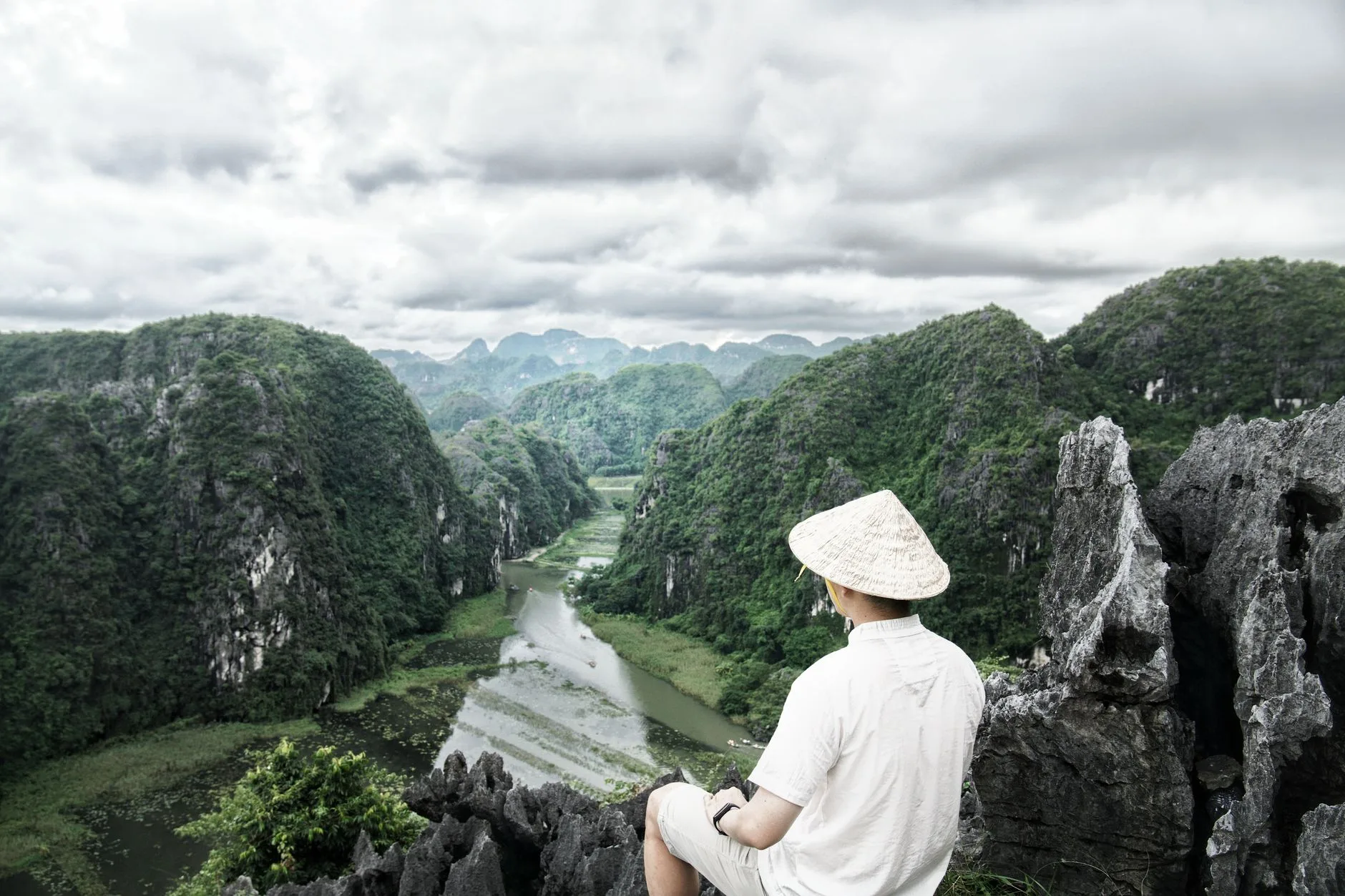
Photo by Braven Nguyen on Pexels
Vietnam runs 1,650 kilometres from north to south — from the mountains of Sapa near the Chinese border to the river delta of the Mekong in the far south. It is one of the most accessible countries in Southeast Asia for independent travel, with a well-developed tourist infrastructure along the main north–south corridor, reasonable English in most visitor-facing contexts, and a domestic transport network that works efficiently once you understand how it operates.
Solo travel here is also genuinely pleasant. The Vietnamese are curious and friendly toward foreign visitors without being overbearing; cities are safe to walk at night in most areas; and the density of other solo travellers on the main routes means you’re never far from company if you want it.
This guide covers the practical specifics for solo independent travel.
Entry and Getting In
Citizens of the UK, EU, US, Canada, Australia, and many other countries can obtain a 90-day e-visa for Vietnam online at the official Vietnamese immigration portal. The fee is approximately $25. Processing takes 3 working days. Print the approval letter before arrival.
The main international airports are Hanoi (HAN), Da Nang (DAD), and Ho Chi Minh City/Saigon (SGN). Most budget routes land in Hanoi or Ho Chi Minh City. Da Nang makes a good starting point for a central-focus trip.
Getting from North to South (or Vice Versa)
The fundamental decision for solo Vietnam travel is direction and mode:
Sleeper train: The Reunification Express runs the full Hanoi–Ho Chi Minh City route (1,726km) in approximately 30–34 hours. Most travellers break the journey at Da Nang or Hue. Soft sleeper berths (4-bed cabins) cost approximately $30–50 for major segments. Book in advance at Vietnam Railways or via Baolau for foreign visitors. The overnight Hanoi–Hue or Da Nang–Ho Chi Minh City segments are particularly practical for solo travellers — you sleep through the transit.
Open bus / sleeper bus: Private bus companies (The Sinh Tourist, Futa Bus, Phuong Trang) run air-conditioned sleeper buses between all major cities. Cheaper than trains ($10–20 per segment), slightly less comfortable, considerably faster on shorter routes. The Ho Chi Minh City–Da Lat bus ($8–12, 7 hours) is one of the best value legs in the country.
Budget flights: VietJet, Bamboo Airways, and Vietnam Airlines operate frequent domestic routes. Hanoi–Ho Chi Minh City takes 2 hours and can be found for $30–60 if booked in advance. Flying is efficient but removes the journey experience entirely — for a solo trip focused on the country rather than just its endpoints, trains and buses are better value for what they show you.
Where to Stay
Hostels: Vietnam has one of the better hostel cultures in Southeast Asia. Budget hostels in Hanoi’s Old Quarter, Hoi An’s old town, and Ho Chi Minh City’s Bui Vien area run $5–12 for a dorm bed. Most have common areas conducive to meeting other travellers. The best hostels have rooftop bars, organised day trips, and social evenings — Solo travel loneliness is rarely a problem.
Budget guesthouses (nhà nghỉ): Clean private rooms in local guesthouses run $15–30. In smaller towns off the main tourist circuit, $12–15 gets a decent private room with air conditioning.
Mid-range hotels: $30–60 gets a very good hotel room in most Vietnamese cities — more than adequate for solo travel.
Booking: Booking.com and Agoda both work well for Vietnam. Walk-ins work in most cities outside peak season (December–February for the south; April–June for the north).
The Main Stops
Hanoi: Vietnam’s capital requires at least 3 days. The Old Quarter (36 Streets) is dense with street food, street life, and small hotels. Must-sees: Hoan Kiem Lake and Ngoc Son Temple (morning walk, before the crowds), the Ho Chi Minh Mausoleum complex (closed Monday and Friday), the Temple of Literature, and the Vietnamese Women’s Museum. Street food in Hanoi is the best in the country by most accounts — bun cha (grilled pork with noodles), pho (breakfast), banh mi from the Huynh Hoa chain in Ho Chi Minh City or any decent vendor in Hanoi.
Halong Bay and surrounding area: The most-photographed landscape in Vietnam — 3,000 limestone karsts rising from the sea. The mainstream approach (day trip from Hanoi) gives you 3 hours on the bay in a crowd of tour boats. Better alternatives: Bai Tu Long Bay (less-visited section, same landscape), or Cat Ba Island (accessible from Haiphong by ferry, base for independent kayaking and hiking in Cat Ba National Park).
Hoi An: The most charming town on the central coast — a preserved trading port with Chinese, Japanese, and European merchant houses, excellent tailors, and better food than anywhere else in Vietnam. Allow 3–4 days; rent a bicycle (20,000 VND/day) and cycle to the beaches and rice paddies outside town. Can feel touristy in peak season; much more pleasant at dawn and dusk when the day-trippers have gone.
Hue: The former imperial capital, 3 hours north of Da Nang by train. The Imperial Citadel, royal tombs in the hills south of the city, and the unique Hue cuisine (banh khoai, bun bo Hue, com hen) reward 2 full days. Less crowded than Hoi An.
Ho Chi Minh City (Saigon): The economic engine of Vietnam — faster, louder, and more commercially intense than Hanoi. The War Remnants Museum is confronting and important. The Reunification Palace gives a remarkable snapshot of the end of the Vietnam War. Ben Thanh Market is tourist-oriented; Binh Tay Market in Cholon (the Chinese quarter) is more interesting. Best food: the pho bo at Pho Hoa on Pasteur Street, banh mi from Banh Mi Huynh Hoa.
Day trips and off-route: The Mekong Delta (accessible from Ho Chi Minh City — 2 hours to Can Tho, the main city), the Central Highlands (Dalat is a mountain city 7 hours from HCMC with French colonial architecture and surrounding coffee plantations), and the northern mountains (Sapa, Ha Giang for the Dong Van Karst Plateau — the most dramatic scenery in Vietnam).
Costs
Vietnam is inexpensive, particularly in the north.
| Item | Approximate cost (VND / USD equivalent) |
|---|---|
| Hostel dorm bed | 120,000–250,000 VND (£4–8) |
| Budget guesthouse (private room) | 300,000–600,000 VND (£10–20) |
| Pho from a street stall | 30,000–50,000 VND (£1–1.50) |
| Banh mi | 20,000–40,000 VND (£0.60–1.20) |
| Restaurant meal, main + drink | 80,000–200,000 VND (£2.50–6) |
| Local beer (bia hoi) | 10,000–20,000 VND (£0.30–0.60) |
| Hanoi–Ho Chi Minh City flight | $35–80 |
| Hanoi–Hue sleeper train | $30–45 |
| Grab motorbike taxi (city trip) | 30,000–60,000 VND (£1–2) |
A solo budget traveller can live well in Vietnam for £25–45/day including accommodation, food, transport, and activities.
Solo Safety
Vietnam is one of the safer countries in Southeast Asia for solo travel. The main specific issues:
Motorbike taxis: Use Grab (the Southeast Asian ride-hailing app) rather than flagging unlicensed xe om — the fare is metered, the driver is rated, and you’re tracked.
Bag snatching on motorbikes: Occasional in Ho Chi Minh City’s tourist areas and on Da Nang’s beach road. Don’t carry your bag on the street side when walking near traffic; use a crossbody bag worn to the front.
Overcharging in unlicensed taxis: Use Grab, Vinasun (green, metered taxis), or Mai Linh (also metered). Avoid unlicensed taxis at airports and bus stations.
Conclusion
Solo travel in Vietnam is practical, affordable, and genuinely rewarding — a country where the train north to south is a journey worth taking for its own sake, the food is worth following from city to city, and the solo infrastructure is good enough that you’re never without options.
- Get the 90-day e-visa before you go — it covers multiple entries and removes any time pressure
- Overnight sleeper trains are the best value and most interesting way to cover the north–south distances
- Use Grab for all city transport — no metering disputes, no overcharging, easy to use
- Hoi An, Hue, and Hanoi are the non-negotiable stops — allocate at least 3 days each
- Budget £25–40/day for a comfortable solo trip — Vietnam is genuinely inexpensive without sacrificing comfort
Keep reading: How to spend two weeks in Vietnam itinerary