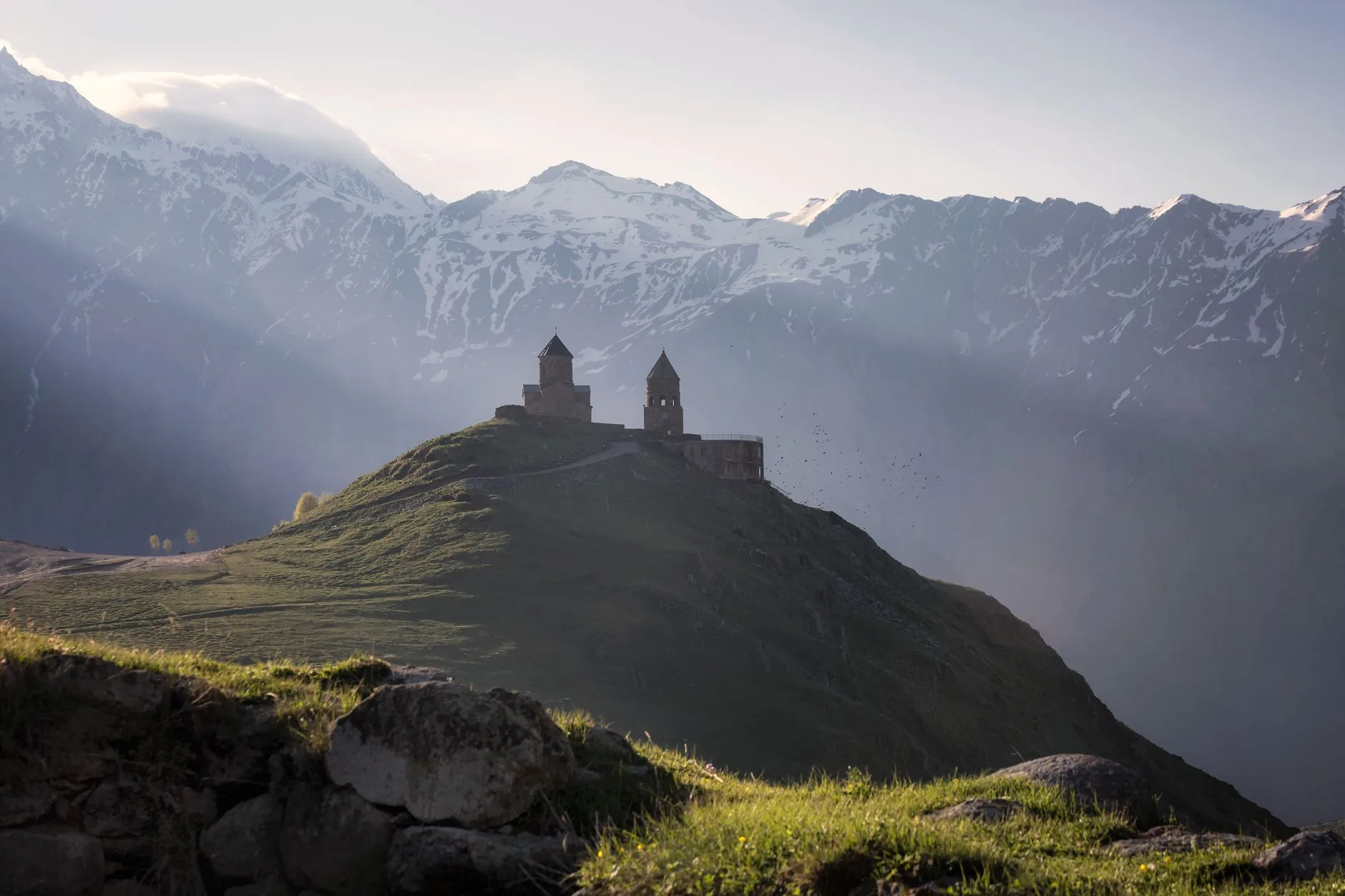
Photo by Руслан Кальницкий on Pexels
Georgia — the Caucasus country, not the US state — is one of those places that consistently astonishes travellers who make it there. The wine is extraordinary (Georgia invented wine, or very nearly — qvevri clay-pot winemaking is 8,000 years old), the food is exceptional, the mountains are some of the most dramatic in Europe, and the cost of living makes it one of the best-value destinations available to UK travellers.
It remains genuinely off the main tourist trail for most people, despite growing in popularity significantly since 2019.
Getting There
Flights: Direct flights from London to Tbilisi with Georgian Airways and Wizz Air; connecting flights with Turkish Airlines (via Istanbul), FlyDubai (via Dubai), and others. From £80–150 return in low season, £150–250+ in high season.
Overland from Turkey: Regular bus and minibus connections from Istanbul and Trabzon to Batumi (Georgian Black Sea coast). A popular option for those combining Turkey and Georgia.
Overland from Armenia: Shared taxis and marshrutky (minibuses) connect Yerevan to Tbilisi (approximately 5 hours). Georgia–Armenia–Georgia is a natural combination.
Costs
One of the most affordable countries accessible from Europe:
Budget: GEL 60–100/day (£17–28)
Mid-range: GEL 100–200/day (£28–55)
Daily breakdown (budget):
– Hostel dorm: GEL 20–40 (£5.50–11)
– Khachapuri or khinkali meal: GEL 10–20 (£2.80–5.50)
– Beer (local Natakhtari, Kazbegi): GEL 3–5 (£0.85–1.40)
– Marshrutka intercity: GEL 5–15 depending on route (£1.40–4)
– Wine (glass in restaurant): GEL 5–12 (£1.40–3.30)
Where to Go
Tbilisi: The capital and the natural base. Old Town (Abanotubani sulphur baths, Narikala fortress, winding cobbled streets), the Rustaveli Avenue cultural district, Fabrika (converted Soviet factory now housing cafés, studios, and hostel), natural wine bars throughout. Two to three nights minimum.
Kazbegi (Stepantsminda): Three hours north of Tbilisi by marshrutka. The Gergeti Trinity Church perched above the village with Mount Kazbek (5,047m) behind it is one of the most photographed sights in the country — it looks better in person. Stay 2–3 nights and do the hike up to the church and beyond into the mountains.
Kakheti wine region: Georgia’s wine heartland, 2 hours east of Tbilisi. Signagi (restored walled town with views over the Alazani Valley), Bodbe Monastery, the village wineries of Kvareli and Gurjaani. Wine tasting at family cellars is the main draw — qvevri amber wine is unlike anything made elsewhere.
Mtskheta: UNESCO-listed ancient capital, 20km from Tbilisi. Svetitskhoveli Cathedral and Jvari Monastery (built in the 6th century, visible from the highway junction where the Mtkvari and Aragvi rivers meet). Half-day from Tbilisi.
Svaneti: Remote mountain region in the northwest — medieval tower villages (Ushguli is the highest continuously inhabited settlement in Europe), serious trekking, and an untouched quality that the rest of Georgia is slowly losing. Reach by flight (Mestia has a small airport) or the epic marshrutka journey from Zugdidi (6–8 hours on mountain roads).
Batumi: Black Sea resort city — slightly tacky beachfront, but good for a night, and the gateway for crossing into Turkey.
Getting Around
Marshrutky (minibuses): The primary intercity transport. Cheap, informal, depart when full. Ask at Didube and Station Square bus stations in Tbilisi for services to most destinations. Schedules exist but are approximate.
Shared taxis: Faster than marshrutky for some routes. Typically slightly more expensive. Drivers wait for full cars at bus stations.
Tbilisi metro: Clean, cheap, and easy for getting around the capital.
Bolt: Rideshare app that works reliably in Tbilisi.
Car hire: Makes sense for Kakheti and anywhere off the main intercity routes. Roads are improving but some mountain routes require high clearance.
Food
Georgian cuisine is outstanding and utterly distinctive:
Khachapuri: Cheese-filled bread in various regional styles. Adjarian khachapuri (boat-shaped, topped with raw egg and butter) is the most theatrical and delicious.
Khinkali: Juicy soup dumplings — hold upright, bite a small hole, sip the broth inside, eat everything except the twisted top knot. Do not use cutlery.
Mtsvadi: Grilled pork or lamb skewers, typically eaten outdoors.
Badrijani nigvzit: Cold aubergine rolls filled with walnut paste. One of the best starters in the country.
Churchkhela: Walnut strings dipped in thickened grape juice — looks like a candle, tastes extraordinary.
Visas
UK passport holders get 365 days visa-free in Georgia. One of the most generous visa policies in the world for UK travellers — no advance application, no fees.
Best Time to Visit
May–June and September–October: Best weather for Tbilisi and the lowlands; good trekking conditions.
July–August: Hot in Tbilisi (35°C+); best time for high-altitude trekking in Kazbegi and Svaneti.
Winter (December–March): Cold in Tbilisi; ski season in Gudauri (good slopes, low costs compared to Alpine resorts).
Summary
Independent travel in Georgia:
- Tbilisi old town and Kazbegi are the two essential stops — everything else builds from these
- Drink the natural wine — qvevri amber wine is unique to Georgia and widely available; don’t leave without trying it
- Eat khinkali properly — no cutlery, sip the broth, leave the knot
- UK passport holders get 365 days visa-free — no advance application needed
- Marshrutky are cheap but leave when full — arrive at the bus station early for morning departures to guarantee a seat
Keep reading: Independent travel in Uzbekistan: Silk Road guide