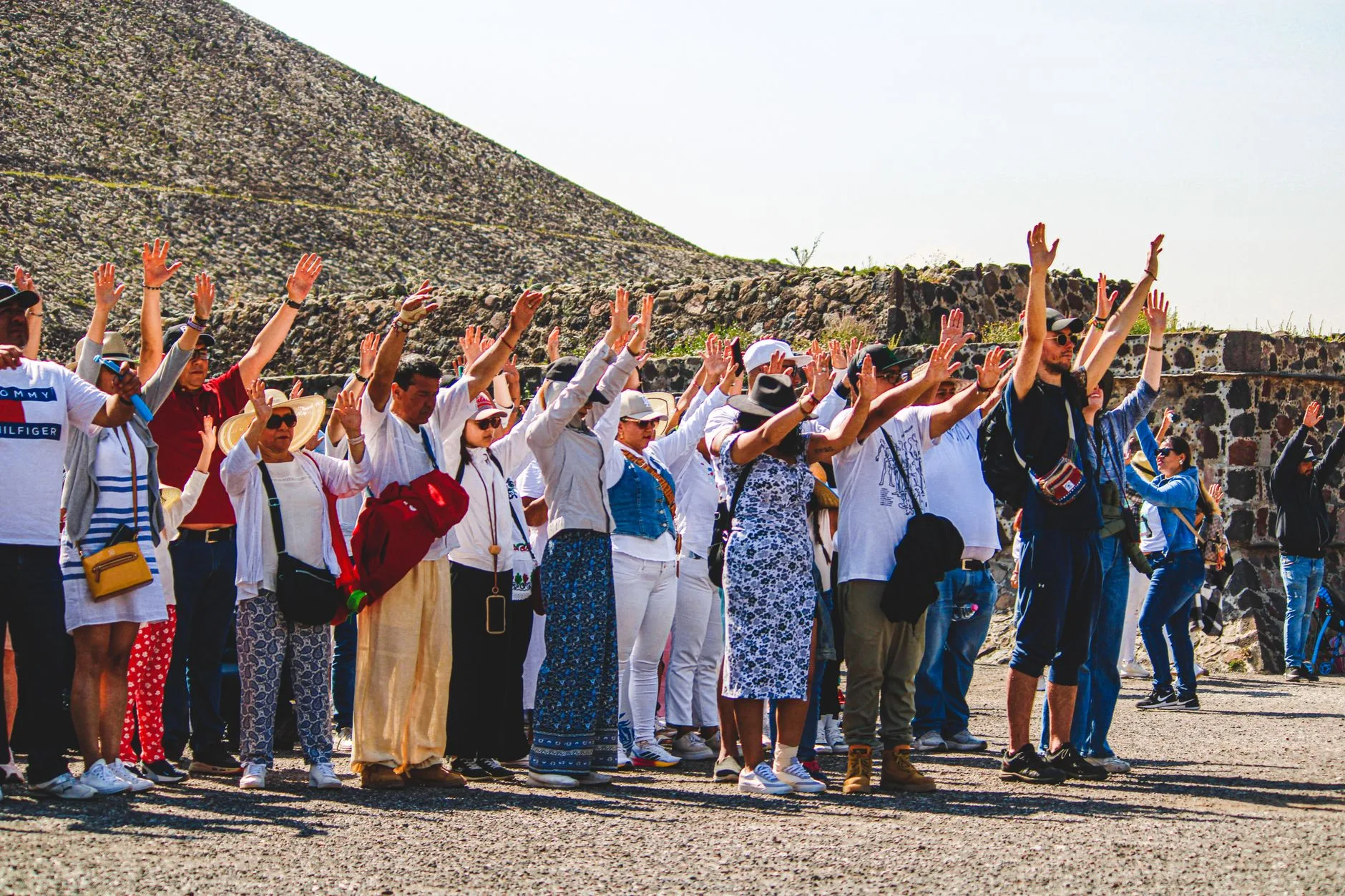
Photo by Moisés Fonseca on Pexels
Mexico City — CDMX — is one of the most culturally rich cities in the Americas. At 21 million people in the metropolitan area, it’s the largest city in North America, and it functions with a public transport system, museum culture, and food scene that makes it genuinely navigable on a budget. The reputation for danger has historically overshadowed the city’s qualities — the reality for visitors who stick to the central neighbourhoods is a sophisticated, interesting, and very affordable city.
Getting In
Visa: UK, EU, US, Canadian, and Australian citizens can enter Mexico visa-free for up to 180 days. A tourist card (Forma Migratoria Múltiple) is issued on arrival, increasingly digitally — keep this safe.
Flights: Direct flights from London to Mexico City (Benito Juárez International Airport, MEX) take approximately 11 hours. British Airways, Aeromexico, and Virgin Atlantic operate direct routes. The new Felipe Ángeles International Airport (NLU) is further from the city centre — Benito Juárez remains the preferred arrival point.
Getting from the airport: The Mexico City metro (Metro Line 5 from Terminal 2, or Line 1 shuttle) is the cheapest option (approximately £0.25). The Metrobús urban bus Line 4 from Terminal 1 is slightly easier with luggage. Authorised airport taxis run at fixed rates — buy a voucher inside the terminal.
Neighbourhoods
Mexico City’s colonias (neighbourhoods) each have a distinct character. The most visited by independent travellers:
Roma and Condesa: The two most popular traveller neighbourhoods — Art Deco architecture, tree-lined streets, independent restaurants and cafés, good nightlife. Condesa is slightly more polished; Roma has a denser independent dining and arts scene. Both are extremely walkable.
Polanco: The upscale zone — expensive restaurants, luxury hotels, and the Museo Soumaya (free entry, extraordinary pre-Columbian and European art collection). Worth visiting for the Bosque de Chapultepec (one of the largest urban parks in the Americas) and the Anthropology Museum.
Centro Histórico: The colonial city centre — the Zócalo (one of the world’s largest public squares), the Templo Mayor (Aztec temple ruins in the heart of the colonial city), the Metropolitan Cathedral, and the Diego Rivera murals in the Palacio Nacional. Historic and busy; less comfortable for accommodation than Roma/Condesa but extremely important culturally.
Coyoacán: The southern neighbourhood where Frida Kahlo was born and Diego Rivera worked. The Museo Frida Kahlo (La Casa Azul) is the most visited museum in the city — book in advance. The central market and the main plaza have a village-within-the-city feeling.
Xochimilco: The ancient floating gardens — a network of canals and chinampas (artificial agricultural islands) in the south of the city. Rent a trajinera (flat boat) and float through the canals on a Sunday afternoon. A UNESCO site and a completely different Mexico City from the central neighbourhoods.
Museums
Mexico City’s museums are exceptional and many are free or very cheap:
- Museo Nacional de Antropología: One of the best museums in the world — covers all the major pre-Columbian civilisations of Mexico with an extraordinary collection including the Aztec Sun Stone and the treasures of Palenque. Free on Sundays for Mexican citizens; small entry fee for foreign visitors.
- Museo Frida Kahlo: Book well in advance. Frida Kahlo’s house is intimate and remarkable.
- Museo Soumaya: Free entry. Contains Rodin’s largest private collection outside France plus a huge range of pre-Columbian pieces and European masters.
- Templo Mayor: The excavated Aztec capital site in the Centro — extraordinary to see the ruins of the Aztec city directly beneath the colonial streets.
Food
Mexico City’s food scene is one of the best in the world:
- Tacos: The taquería culture of CDMX is an obsession. Al pastor (pork marinated in chiles, cooked on a vertical spit), carnitas, barbacoa. A taco from a street taquería costs £0.60–1. The best lunch you’ll eat for under £4.
- Tortas: Crusty bread rolls filled with various meats and toppings — the Mexican sandwich.
- Markets: Mercado de Medellín (Roma), Mercado Jamaica (flowers and food), and the food halls within the markets throughout the city offer excellent cooked food at very low prices.
- Fondas: Small family restaurants, open for lunch only (roughly noon–5pm), serving a set menu (comida corrida) for approximately £3–5 — soup, main course, drink, dessert.
Transport
Metro: The cheapest metro in the Americas — approximately £0.20 per journey, covering most of the city. Crowded at rush hour. Use the women-only carriages (usually the front of the train) if travelling alone.
Metrobús: BRT (bus rapid transit) lines supplement the metro. Same fare model.
Ecobici: Mexico City’s bike-sharing scheme — day passes available. The city has expanded its cycling infrastructure significantly.
Uber and DiDi: Both operate in CDMX and are inexpensive. Safer than hailing street taxis.
Costs
| Item | Approximate cost |
|---|---|
| Hostel dorm | £10–18/night |
| Budget hotel/Airbnb (Roma/Condesa) | £30–60/night |
| Street taco | £0.60–1 |
| Comida corrida (set lunch) | £3–5 |
| Metro single fare | £0.20 |
| Cerveza (supermarket) | £0.80 |
Daily budget: £35–50 including accommodation in a hostel, eating local food, and using public transport. More if staying in mid-range accommodation.
Conclusion
Mexico City rewards the traveller who takes it seriously rather than passing through:
- Stay in Roma or Condesa — walkable, safe for visitors, with the best independent food and café scene
- Visit the Anthropology Museum before anything else — understanding pre-Columbian Mexico makes the whole country make more sense
- Eat at fondas for lunch — the cheapest and most authentic meal of the day
- Use the metro — it’s extraordinary value and covers most attractions efficiently
- Visit Coyoacán on a Sunday — the Frida Kahlo museum (booked), the market, and the main plaza are best experienced on a Sunday afternoon
Keep reading: Backpacking through Central America: practical guide