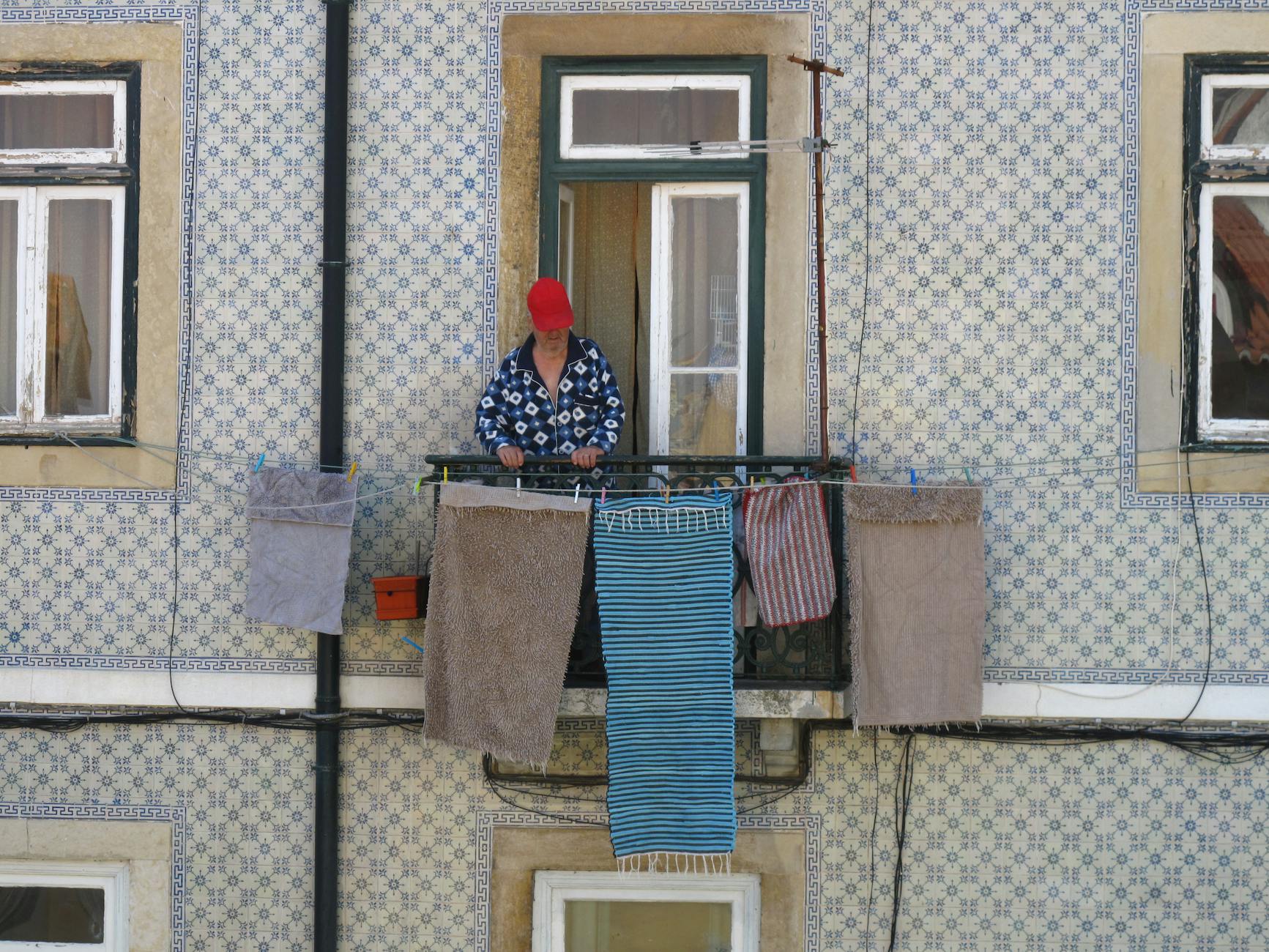
Photo by Hectic Studio on Pexels
Living in Lisbon for a month: neighbourhoods, costs, and daily rhythms
The 28E tram grinds uphill past Graça at 7:45am, packed with construction workers and secondary school students. Nobody is taking a photo. The tram smells of damp wool and diesel, and the overhead wires screech on the bend near Largo da Graça. This is not the postcard version — the one where a lone tram glides photogenically past azulejo-tiled walls — but it is the functional one. If you’re staying a month in Lisbon, you’ll want to know the difference.
A month is long enough to stop consulting Google Maps for the walk to the market, short enough that you’ll still be discovering streets in week four. The city rewards this middle length of stay: cheaper than nightly hotel rates, slow enough to build a coffee routine, long enough to notice how the light changes over the Tagus as June tips into July.
Lisbon has changed substantially since 2019. Rents have surged, and some neighbourhoods feel hollowed by short-term rentals. But the daily infrastructure — the bakeries, the tasca lunches, the neighbourhood pharmacies, the mercados — is still there if you choose where to stay deliberately.
Where to base yourself
Mouraria is the most honest neighbourhood for a month-long stay. It sits below the castle on the eastern slope, less gentrified than Alfama, with a functioning supermarket (Pingo Doce on Intendente square), a weekly street market, and rents that are lower than Príncipe Real. You’ll hear Arabic and Tigrinya spoken in doorways, smell cumin from the restaurants on Rua do Benformoso, and walk to the centre in twelve minutes.
Arroios, immediately north, is where many long-term foreign residents have settled since being priced out elsewhere. It’s unremarkable in the best sense: hardware shops, a Filipino grocery, a municipal market, and the 736 and 717 buses connecting it efficiently to everywhere.
Avoid Bairro Alto for a month-long base. It’s loud until 3am most nights and the apartment stock is old and poorly insulated. Good for a dinner, not a bedroom.
For rentals, search Uniplaces or Idealista for monthly contracts rather than Airbnb — you’ll pay roughly 30–40% less for equivalent space. Budget €900–1,300/month for a furnished one-bedroom in Mouraria or Arroios in 2026.
Building a food routine
The single most useful thing you can do in week one: buy a canvas bag and go to Mercado de Arroios (Rua Passos Manuel) on a Tuesday or Saturday morning. It’s a covered municipal market with produce vendors, a fishmonger, and a butcher. A kilo of tomatoes costs around €1.50. A fresh pargo (sea bream), enough for two, runs €8–10.
For daily bread, Padaria Portuguesa has a branch on Rua do Arco do Cego that opens at 7:30am. Their pão de água is €0.35 a roll, and the pastel de nata at €1.20 is reliable without being the city’s best.
The city’s best — or close to it — is at Manteigaria on Rua do Loreto in Chiado, but that’s a twenty-minute walk from Arroios, better as a destination than a daily stop.
Lunch is where the value is. A prato do dia (dish of the day) at a working tasca runs €7–9 and includes bread, a drink, and usually soup. Tasca do Chico in Madragoa and A Cevicheria in Príncipe Real are both excellent but for different reasons — the former for traditional bacalhau com natas, the latter for Portuguese-inflected ceviches that reflect how Lisbon eats now.
Bifanas (pork sandwiches) from O Trevo on Rua das Portas de Santo Antão cost €3.50 and are breakfast or a late snack, not a tourist novelty.
Getting around without a car
The Viva Viagem card (€0.50 at any metro station) loaded with the navegante mensal monthly pass (€40 in 2026) covers all metro, bus, and tram lines within Lisbon municipality. This is the single best logistical decision you’ll make. The metro is clean, frequent between 6:30am and 1am, and connects Arroios (Intendente station, Green Line) to Baixa-Chiado in six minutes.
The 28E tram is useful only if you’re going somewhere it actually goes — Estrela, Graça, Alfama. It is not a sightseeing vehicle worth queuing forty minutes for. Take the 28E at 8am or after 9pm when it’s less crowded, and walk the tourist route during daylight.
For day trips: Sintra is 40 minutes on the Linha de Sintra from Rossio station (€2.35 each way). Setúbal and the Arrábida coast require either a car rental (€35–45/day from Guerin at Oriente) or an early bus from Sete Rios terminal.
What a month actually costs
| Category | Monthly budget (solo) | Notes |
|---|---|---|
| Rent (1-bed, Mouraria/Arroios) | €900–1,300 | Idealista or Uniplaces; utilities often extra |
| Groceries | €200–280 | Market + Pingo Doce mix |
| Transport (navegante pass) | €40 | All metro/bus/tram |
| Eating out (lunch daily, dinner 3x/week) | €280–380 | Tasca lunches anchor the budget |
| Coffee (daily espresso, bica) | €30–40 | €0.80–1.00 at a counter, €2+ at tourist cafes |
| Activities, day trips, museums | €80–120 | Sintra, Museu do Azulejo, Berardo |
| Total | €1,530–2,120 | Comfortable, not austere |
Learning enough Portuguese to matter
You don’t need fluency. You need about forty phrases used correctly and consistently. What actually changes the quality of your stay: ordering a bica (espresso) rather than “a coffee”, saying faz favor instead of “excuse me”, and using obrigado/obrigada correctly based on your own gender.
Lisbon’s official city tourism resource lists free Portuguese language workshops run by the Câmara Municipal — genuinely free, genuinely useful, usually held in Mouraria or Intendente.
Duolingo won’t prepare you for the dropped vowels and swallowed syllables of