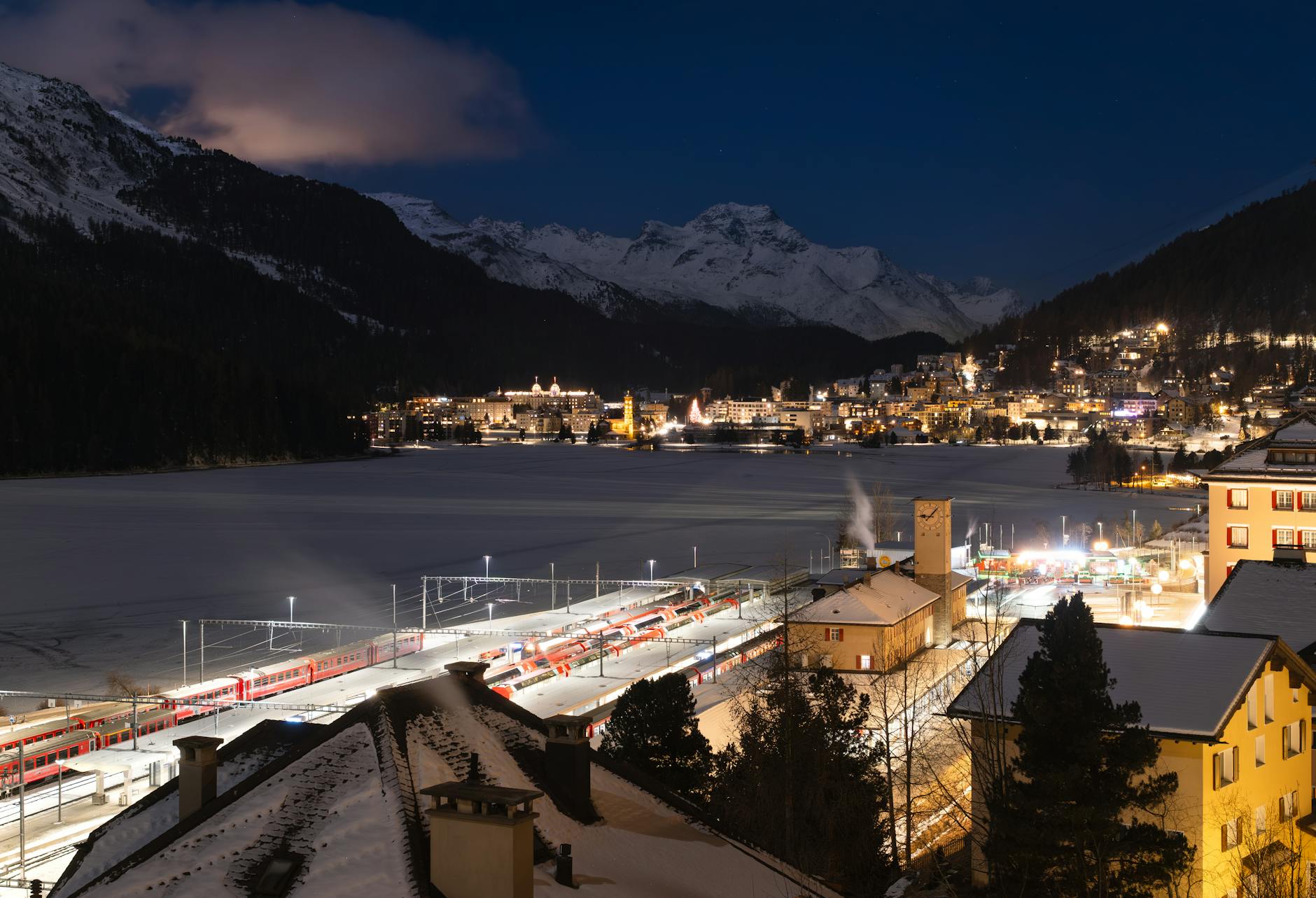
Photo by Alexandru MnM on Pexels
Night train travel Europe: romantic and practical guide
The alarm doesn’t go off at 3am. You don’t queue at security or pay €14 for a sandwich in a departure lounge. You board in the early evening — Vienna’s Westbahnhof, say, platform 5, the air still warm from a September afternoon — stow your bag, and wake up eight hours later easing into Paris-Est with a coffee already on the fold-down tray. The city is pale and unhurried. You haven’t lost a day.
Night trains across Europe are genuinely back. After decades of decline, the network has been rebuilt enough to be useful: Austrian Federal Railways (ÖBB) operates the Nightjet brand across more than a dozen routes, RENFE runs its Trenhotel between Barcelona and Zurich, and a wave of new services launched in 2024–2025 has reconnected cities that hadn’t seen a sleeper since the early 2000s. This isn’t nostalgia tourism. It’s a functional way to move.
But it isn’t frictionless either. Booking windows vary, compartments vary wildly in quality, and some corridors are still patchy. Here’s what you actually need to know.
The core routes worth taking in 2026
Vienna to Paris (Nightjet NJ 468): The flagship. Departs Wien Hauptbahnhof around 19:40, arrives Paris-Est at 09:28. Passes through Salzburg, Innsbruck, and the Vorarlberg corridor into France. In a couchette, you’ll feel the gradient change through the Arlberg Pass around midnight. Book a private double sleeper if you want a door that locks and your own sink — it costs more but the difference in sleep quality is substantial.
Zurich to Barcelona (Trenhotel, operated via French network): Departs Zurich HB at 21:14, arrives Barcelona Sants by 08:30. The Swiss-French border crossing around Bellegarde happens while you sleep. Breakfast — a small roll, coffee, orange juice — arrives in a paper bag around 07:30. It’s modest but welcome.
Brussels to Vienna (Nightjet NJ 421): Newer addition, launched 2025. Full journey takes around 12 hours. Stops include Frankfurt and Salzburg. Useful for anyone travelling from the UK via Eurostar into Brussels.
Amsterdam to Zurich (EuroNight, via Cologne): Not Nightjet-operated; runs on a European Sleeper partnership arrangement. Departure around 18:50 from Amsterdam Centraal. The Rhine valley section between Cologne and Basel in the dark isn’t visible, which is mildly frustrating — save that scenery for a daytime ICE.
What you’re actually paying for: berth types explained
There are three options on most Nightjet services, and the difference between them matters more than which route you choose.
Seating (Sitzwagen): Cheapest. Reclining seat, shared carriage. Fine for a five-hour overnight like Salzburg to Zurich. Not recommended for anything over seven hours unless you sleep easily upright and have a neck pillow.
Couchette (Liegewagen): Six-berth open compartment, fold-down bunk, thin mattress, pillow, blanket. Middle bunks are the worst — avoid if booking allows. You’ll share with strangers. Privacy is minimal, but the rocking motion and white-noise hum of the rails are genuinely soporific. Most people sleep better than they expect.
Private sleeper (Schlafwagen): One, two, or three-berth private compartments with a door, lockable from inside, proper mattress, linen, and in some configurations a fold-out sink. ÖBB serves a light breakfast included in the fare. This is where the “romantic” part of the equation lands — it is, objectively, a pleasant way to travel with a partner.
Booking: when, where, and what to watch for
ÖBB opens night train booking windows 180 days in advance, and the cheapest couchette fares (from around €29 on Vienna–Paris) go quickly. A private double sleeper on the same route runs €150–€220 per person depending on season, which sounds steep until you factor in no hotel night and no airport transfer.
Rail Europe and the ÖBB website both sell tickets, but ÖBB direct is often cheaper. For multi-country rail passes, the Interrail Global Pass covers night trains, though you’ll pay a mandatory reservation surcharge (€4–€48 depending on route and berth class) on top.
One honest warning: cancellations and delays on overnight services get compounded. A 45-minute delay at departure becomes a 2am arrival disruption. Build in flexibility the following morning — don’t book an 8am meeting in Paris after a first-time Nightjet.
Eating before you board: city-specific picks
Night trains generally offer minimal food service after 22:00. Eat before you board.
Vienna (Westbahnhof area): Steirereck im Stadtpark is out of range, but Gasthaus Pöschl on Weihburggasse — 20 minutes by U-Bahn from the Hauptbahnhof — does a solid Tafelspitz (boiled beef with apple-horseradish and chive sauce) for around €19. It’s the kind of meal that actually carries you through the night.
Zurich (HB departure): The Viadukt market hall, a 10-minute walk from the main station, has a permanent food market. Grab a Züri-Gschnätzlets — sliced veal in cream sauce with Rösti — at the sit-down counter inside the arches. Plan to be finished and on platform by 20:45.
Brussels (Midi station): The Fritland friture on Rue Henri Maus is a ten-minute walk from Brussels-Midi. Frites with stoofvlees (beef stew sauce) costs under €10. It’s a better send-off than anything on the train platform.
The practical comparison: night train vs. flight
| Route | Night Train Duration | Night Train Fare Range | Cheapest Flight (incl. transfers) | CO₂ per passenger |
|---|---|---|---|---|
| Vienna → Paris | ~13h 50m | €29–€220 | €60–€180 | Flight: ~200kg / Train: ~8kg |
| Zurich → Barcelona | ~11h 20m | €59–€180 | €50–€130 | Flight: ~130kg / Train: ~6kg |
| Amsterdam → Zurich | ~10h 40m | €39–€160 | €55–€140 | Flight: ~120kg / Train: ~5kg |
| Brussels → Vienna | ~12h 00m | €49–€190 | €70–€200 | Flight: ~160kg / Train: ~7kg |
*Fares reflect 2026 seasonal averages. CO₂ figures sourced from [Our World in Data rail/aviation emissions data](