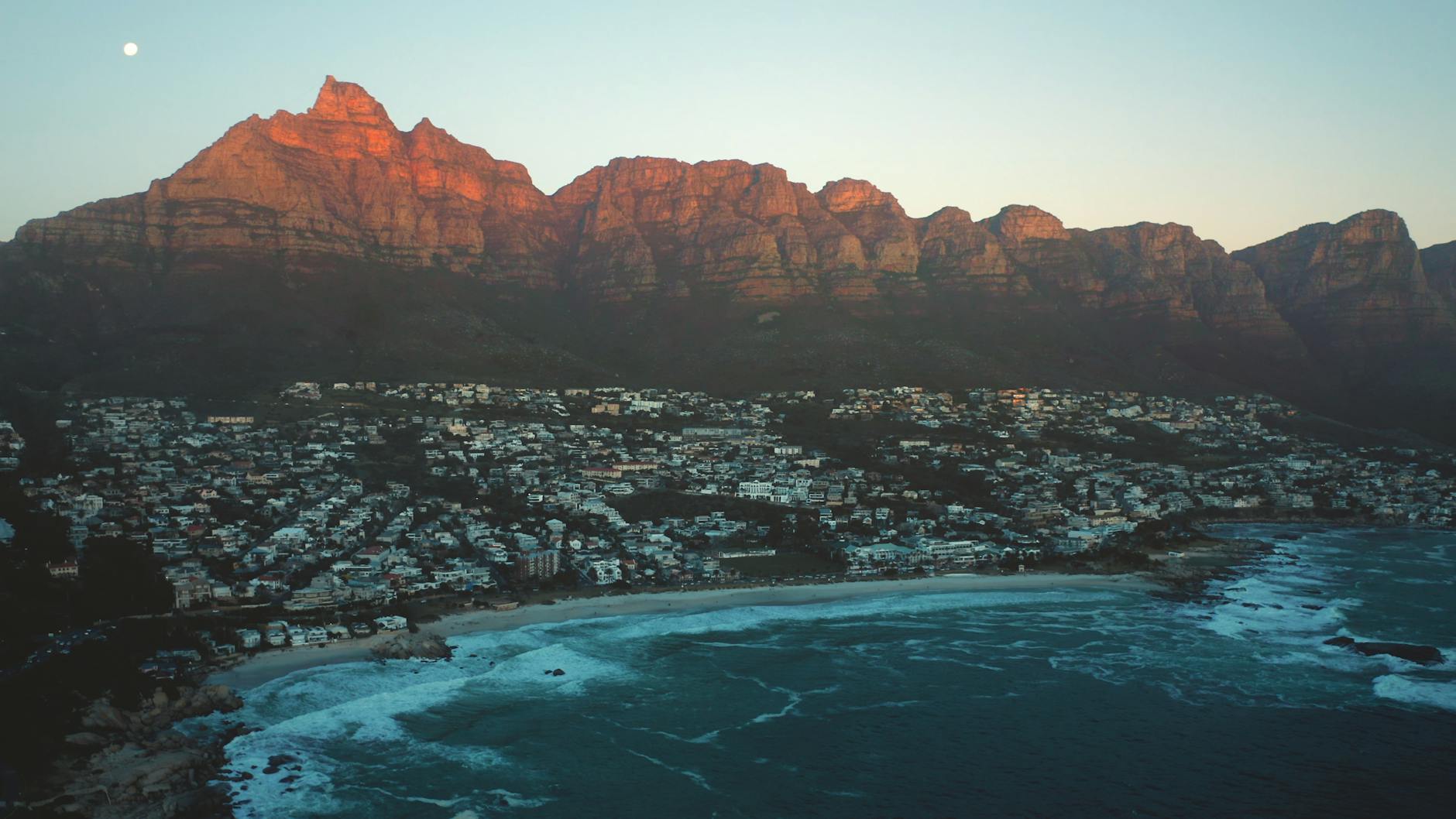
Photo by Taryn Elliott on Pexels
Overland travel from Cairo to Cape Town: the full route
The Ramses Railway Station in Cairo smells of diesel, cardamom coffee, and approximately ten thousand simultaneous conversations. At 5 a.m., a second-class sleeper heading south to Aswan loads quietly beside platforms serving Alexandria and the Delta — and if you’re standing there with a large pack, you’re already committed to one of the longest continuous land journeys on earth. Cairo to Cape Town: roughly 12,000 kilometres, ten countries minimum, and anywhere between six weeks and six months depending on how seriously you take the stops in between.
This is not a route with a single correct answer. The Eastern Africa corridor — Egypt, Sudan, Ethiopia, Kenya, Tanzania, Zambia, Zimbabwe or Malawi, Mozambique, South Africa — is how most travellers run it. The western alternative through Chad, Cameroon, and the DRC is genuinely dangerous in 2026 and not covered here. The eastern route has its own complications: the Nile Valley in Sudan during June is brutally hot, the Ethiopia–Kenya border at Moyale is rough gravel and periodic closures, and South Sudan is bypassed entirely by travelling through Ethiopia rather than straight south from Sudan. None of this should put you off. It should help you plan.
Egypt: Cairo south to Abu Simbel
Start with the overnight train from Ramses Station (Cairo) to Aswan — sleepers run nightly, costs around EGP 800–1,200 (roughly USD 16–24) for a first-class berth in 2026. From Aswan, most travellers stop at the Nubian village of Gharb Soheil across the river by felucca, eat grilled fish and peanut soup in someone’s courtyard, and sort Sudan visas. The Abu Simbel Sound and Light Show is optional; crossing Lake Nasser by ferry to Wadi Halfa in Sudan is not.
The Lake Nasser ferry runs approximately weekly — usually Monday or Tuesday from the Aswan High Dam port. Book through the Nile Valley Navigation Company office near the Corniche. Tickets cost around USD 60–80 deck class, more for a cabin. The crossing takes 18–20 hours. Bring food, water, and patience.
Sudan: Wadi Halfa to Khartoum to the Ethiopian border
Sudan is the segment most travellers underestimate. Wadi Halfa is a small desert town with basic guesthouses (USD 8–12/night) and one functioning ATM that may or may not work with international cards. Carry USD cash from Cairo — crisp, post-2009 bills only. The bus from Wadi Halfa to Khartoum takes 24–30 hours on a reasonable road, costs around USD 20–30, and crosses the Nubian Desert in heat that, between April and September, sits above 40°C for most of the journey.
Khartoum itself has stabilised somewhat since 2023–24 but the security situation remains fluid. Check your government’s travel advisory before finalising this leg. In more settled times, the confluence of the Blue and White Nile near the Tuti Island bridge is extraordinary — two different-coloured rivers visibly refusing to mix for hundreds of metres. From Khartoum, buses run south to Gedaref and on to the Metema border crossing into Ethiopia. This is a full day’s travel plus the border, which is slow, dusty, and often backed up. Cross early.
Ethiopia: Gondar, Addis Ababa, and the road south
The Ethiopian segment is the most scenically dramatic and the most logistically variable. From Metema you’ll likely spend a night in Gondar — a proper city with good injera houses around the Piazza neighbourhood, specifically Category restaurant on Churchill Road for tibs (pan-fried beef with berbere, around ETB 350). The Simien Mountains are an easy detour from here if you have a week.
Addis Ababa is unavoidable and genuinely useful: replace worn gear at the Merkato market (Africa’s largest open market, chaotic and wonderful), sort Kenyan and Tanzanian e-visas online before you arrive, and eat at Yod Abyssinia Cultural Restaurant in Bole for a full spread of misir wat, kitfo, and ayib. Budget around USD 40–60/night for a mid-range guesthouse in the Bole or Kazanchis neighbourhoods.
The overland route south from Addis to the Moyale border with Kenya uses public buses via Hawassa and Yabello. This segment — roughly 800km — takes two hard days minimum. The road quality south of Yabello is unpaved and corrugated, especially after rains. Budget USD 15–20 for the combined bus fares.
Kenya, Tanzania, and the Great Lakes corridor
The Moyale–Marsabit–Nairobi route in northern Kenya is where overland trucks earn their wear. Marsabit sits at 1,500m and feels like a different climate from the Moyale dust — pine trees, fog, and the best mandazi (fried dough) of the journey at the market near the mosque. Nairobi is 550km further south; shared matatu-style buses cover it in a brutal 10–12 hours.
From Nairobi, the standard southbound route runs to Arusha (Tanzania) via the Namanga border crossing, then Dar es Salaam by bus or the TAZARA railway through Zambia. The TAZARA — Tanzania-Zambia Railway Authority — is one of the great train journeys of Africa: Dar es Salaam to Kapiri Mposhi in Zambia, 1,860km, roughly 40–50 hours, USD 50–80 for second-class sleeper. Trains run twice weekly. It is slow, occasionally unpunctual, and unmissable.
Zambia, Zimbabwe or Malawi, into South Africa
From Kapiri Mposhi you’re in the Copperbelt, and Lusaka is four hours south by bus. From Lusaka, the route splits: most travellers go through Zimbabwe (Victoria Falls, then Bulawayo to Johannesburg by intercape bus) or through Malawi (Lilongwe, Blantyre, then Mozambique or directly into South Africa via Mozambique’s EN1 highway).
Victoria Falls is expensive and worth it anyway — the Zambia side at Livingstone gives better views in high-water season (February–May). The Beit Bridge border between Zimbabwe and South Africa is notoriously slow; budget a full day and cross early in the week if possible. From Johannesburg, Cape Town is 1,400km by the N1 highway — an overnight Intercape bus (USD 30–45) or a Shosholoza Meyl train (two nights, USD 25–40 sleeper).
Route, costs, and timing overview
| Segment | Main transport | Approx. cost