Overland travel Iran to Turkey by bus: the full route guide
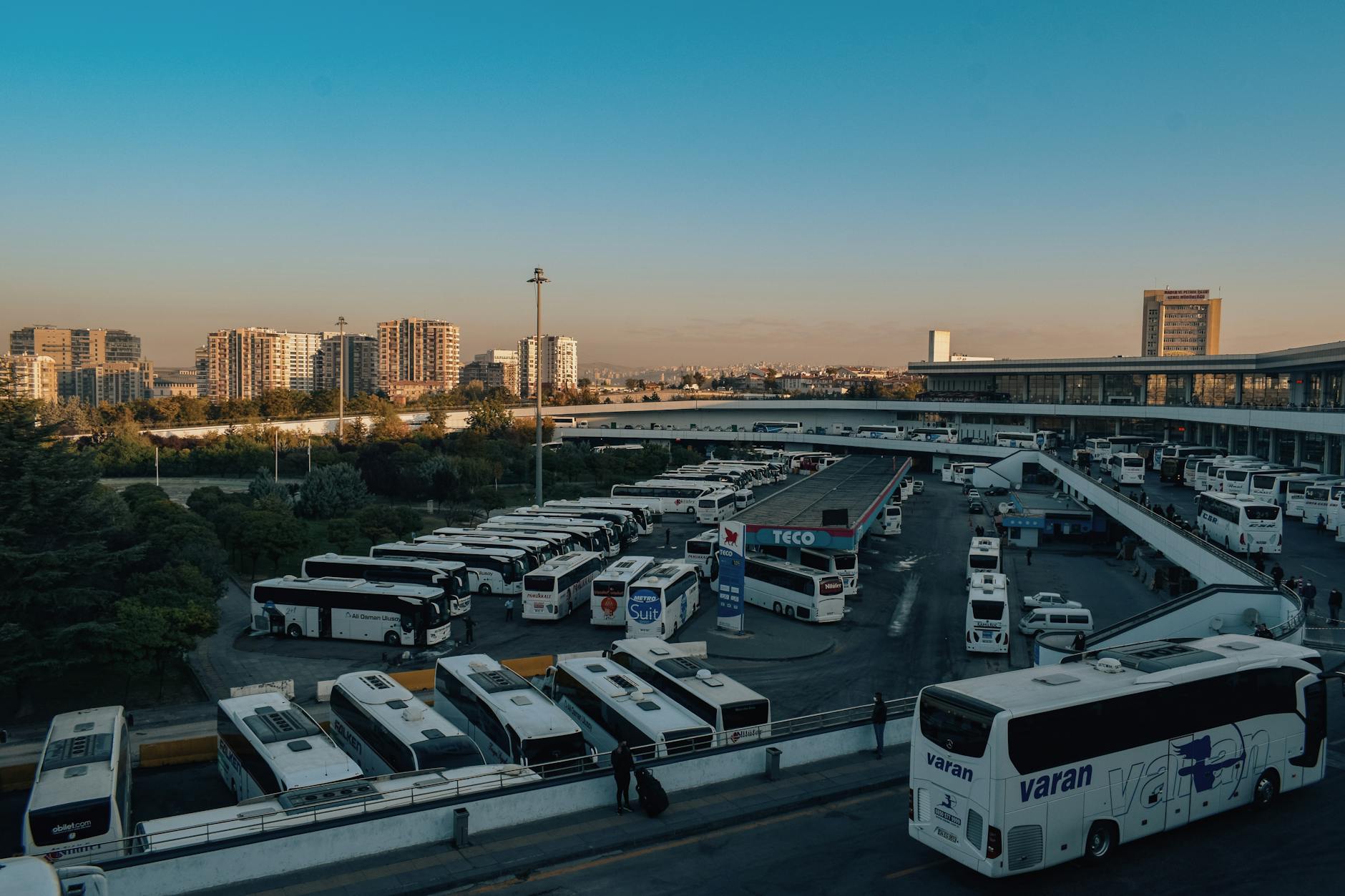
The bus from Tabriz to Tehran pulls out at night, but the Tabriz to Van bus — the one you actually want — leaves in the afternoon. You find this out at the terminal on Imam Khomeini Street after a conversation conducted entirely in Farsi, Google Translate, and hand gestures. The ticket is around 800,000 Iranian rials. A man in a grey suit reassures you with a thumbs up that yes, this bus crosses to Turkey. By the time you’ve settled into your seat and the bus has wound through Tabriz’s industrial outskirts and into the open steppe of East Azerbaijan province, the light is already going gold over the mountains. That’s roughly the texture of this crossing: functional, occasionally confusing, and quietly spectacular.
Overland travel from Iran to Turkey by bus is a well-established route — tens of thousands of people make it each year, most of them Iranian and Turkish nationals — but it gets almost no attention in English-language travel writing, which leaves independent travellers piecing things together from scattered forum posts. This guide pulls the logistics together in one place, from choosing your route and booking your ticket to getting through the Gürbulak–Bazargan border crossing and onwards into eastern Turkey.
Why go overland at all
Flying Tehran–Istanbul is cheap and easy. So why take the bus? Because the landscape between Tabriz and Lake Van is one of the genuinely underrated corridors in this part of the world — volcanic plateaus, salt flats, Kurdish villages tucked into hillsides — and because eastern Turkey, which you arrive into by this route, is a different country from the Istanbul most visitors see. Van, Doğubayazıt, and the shadow of Mount Ararat are not places you stumble through on the way to Ephesus. Coming overland from Iran puts you in them properly, at ground level, with time to look.
There’s also a practical argument. For travellers continuing from Central Asia or the Caucasus who have entered Iran from the east, backtracking to Tehran for a flight adds days and expense. The bus from Tabriz to Van is a logical continuation of an eastward-to-westward overland journey.
The main route: Tabriz to Van via Gürbulak
The standard crossing for bus passengers is the Gürbulak–Bazargan border post, which sits roughly 300 km northwest of Tabriz on the Iranian side and connects to the Turkish town of Doğubayazıt, about 35 km from the border. This is the busiest land crossing between the two countries and handles both commercial trucks and passenger vehicles around the clock.
Tabriz to the border: Direct buses from Tabriz’s main intercity terminal — officially the Tabriz International Bus Terminal, on the western edge of the city near the Valiasr neighbourhood — run to Van (Turkey) several times a week. Journey time to Van, including the border stop, is typically 8–12 hours depending on border queues. Some buses are routed through Maku, the last significant Iranian town before the crossing, which is also where you’ll find the last Iranian ATMs (important: withdraw rials before leaving Tabriz, as currency exchange at the border itself is predatory).
Tehran travellers: If you’re coming from Tehran, you can take an overnight bus to Tabriz (roughly 7–8 hours, departing from Tehran’s Western Bus Terminal in Azadegan) and connect from there, or book a through-ticket Tehran–Van, which exists but adds significant time and an extra connection. Most travellers find connecting in Tabriz cleaner.
The Gürbulak–Bazargan border crossing: what to expect
The crossing is functional but not smooth. Budget 2–4 hours in normal conditions; it can stretch to 6 hours on Iranian public holidays or Nowruz (Persian New Year, around March 21), when traffic volume increases sharply. Turkish public holidays can have the same effect from the other side.
Process on the Iranian side (Bazargan):
– Passengers disembark from the bus with all luggage.
– Iranian passport control and exit stamps are processed in a single-storey building that, by 2025, had been partly modernised with queue management displays.
– Customs checks here are more thorough than at airports. Bags are X-rayed and sometimes opened. Alcohol is strictly prohibited on exit (as it is throughout Iran). Iranian antiques, carpets over a certain value, and large quantities of saffron require documentation.
– Iranian currency (rials) cannot legally be taken out in significant quantities. Spend them or exchange at the border, knowing the rates are poor.
Process on the Turkish side (Gürbulak):
– Turkish border control is generally faster. Citizens of most Western countries enter Turkey visa-free for 90 days within 180; check the current list on the Turkish Ministry of Foreign Affairs before you travel, as the visa-on-arrival scheme has changed repeatedly.
– Currency: Turkish lira is available at exchange booths on the Turkish side. The rates are slightly better than in Doğubayazıt town.
– Once through, passengers reboard the bus for the short drive to Doğubayazıt or continue to Van.
Doğubayazıt: worth the stop
Most through-buses continue to Van, arriving late evening. But Doğubayazıt — a scrappy, energetic border town of around 80,000 people — is worth a night if you can manage the schedule. The reason is İshak Paşa Sarayı, a late Ottoman palace-complex sitting on a rocky outcrop 5 km east of the town centre, with Mount Ararat filling the skyline behind it in a way that photographs cannot do full justice to. UNESCO has recognised the site for its architectural significance. Entry is modest (around 200 Turkish lira as of 2025) and the palace is far less visited than its quality deserves.
In Doğubayazıt itself, the main street (Belediye Caddesi) has a row of simple lokantas — eat kuzu tandır (slow-cooked lamb) and çiğ köfte (spiced bulgur rolls). The town is not a destination in itself, but it’s honest and unhurried, and the altitude — just over 1,600 metres — means the evenings are cold even in summer. Bring a layer.
Van: the first real stop in eastern Turkey
From Doğubayazıt, shared taxis (dolmuş) and local buses run to Van city in about 2.5–3 hours. If you’re on a through-bus from Tabriz, you’ll arrive at Van’s otogar (bus station) on the eastern edge of town and can reach the centre by taxi or city bus.
Van is a substantially larger city — around 400,000 people — and the regional hub of eastern Turkey. The old city was largely destroyed in the 2011 earthquake, but the lakeside and bazaar quarter have rebuilt steadily. Van Kalesi (Van Castle), a 3,000-year-old Urartian citadel on a basalt bluff above the lake, is free to enter and gives a clear sense of the town’s historical depth. Below it, the ruins of Old Van town are eerie and moving — half-collapsed mosques and Armenian church foundations visible in the scrub.
Van is also the origin of the Van breakfast — a meal that has become well-known across Turkey and is genuinely worth sitting down for. The full spread at a proper kahvaltı salonu includes Van otlu peyniri (herb cheese), kaymak (clotted cream), honey still in the comb, and a dozen small dishes eaten slowly over tea. Sütçü Aslan on İskele Caddesi near the lakefront is a reliable choice.
Timing, costs, and key logistics
| Leg | Duration | Approx. cost (2025) | Notes |
|---|---|---|---|
| Tehran → Tabriz (overnight bus) | 7–8 hrs | $8–12 USD | Western Bus Terminal, Tehran |
| Tabriz → Van (direct bus, inc. border) | 8–12 hrs | $15–25 USD | Several operators; book at terminal |
| Border wait (Gürbulak–Bazargan) | 2–6 hrs | — | Longer at Nowruz, public holidays |
| Doğubayazıt → Van (dolmuş/bus) | 2.5–3 hrs | $3–5 USD | If not on through-bus |
| Van city (accommodation, budget) | — | $20–45 USD/night | More options near the bazaar |
Best season: April–June and September–October. Summers are hot and dry on the Iranian plateau; winters at altitude can close mountain roads temporarily. The border stays open year-round but snow on the approaches can slow crossings in January–February.
Currency note: Iran operates on a complex dual-rate system and international cards do not work in Iranian banks. Bring USD or EUR in cash and exchange at licensed exchange offices (sarafi) in Tehran or Tabriz — not at the border. The Iranian rial has fluctuated significantly; check the Lonely Planet Iran money guide for a current overview, but treat any published figure as a rough guide only.
Visa situation: As of 2026, most Western passport holders require a visa to enter Iran, obtained in advance through Iran’s e-visa system or via a visa on arrival at major airports (not always available at land borders — confirm before travel). Check your country’s current government travel advisory.
Packing and practical notes for the crossing
- Dress code for Iran: Women must have their hair covered and shoulders and arms covered for the entire time they are in Iran, including on buses. This applies from the moment you enter Iranian territory.
- Electronics: Photos at and near border installations are actively discouraged on the Iranian side. Put your camera away until you’re through.
- Food and water: Stock up in Tabriz. The bus will stop, but provisions at stops are limited and overpriced.
- SIM cards: Your Iranian SIM will not work in Turkey. Pick up a Turkish SIM at Van’s Turkcell or Vodafone shops — coverage in eastern Turkey has improved significantly and a data package is useful for onward navigation.
- Language: On the bus and in Van, Kurdish (Kurmanji) is widely spoken alongside Turkish. In eastern Iran near the border, Azerbaijani Turkish is common. A few words in each language go a long way — more practically than English in this corridor.
The Bottom Line
- The Gürbulak–Bazargan crossing is the correct land border for bus passengers and is open around the clock, but budget for delays: 2–4 hours minimum, up to 6 in busy periods.
- Book your Tabriz–Van bus ticket at the Tabriz International Bus Terminal in person — online booking for this route is not reliably available in English, and ticket availability fluctuates. Several operators run the route; ask specifically for the Van-bound bus, not the Doğubayazıt-only service.
- Withdraw Iranian rials in Tabriz, not at the border. International cards do not work anywhere in Iran. Come with USD or EUR cash.
- Doğubayazıt is worth an overnight stop for İshak Paşa Sarayı and the Ararat views — don’t skip it if your schedule allows.
- Van deserves two or three days, not just a transit stop: the castle, the old town ruins, Lake Van’s turquoise water, and one long breakfast are reason enough to slow down before continuing west.