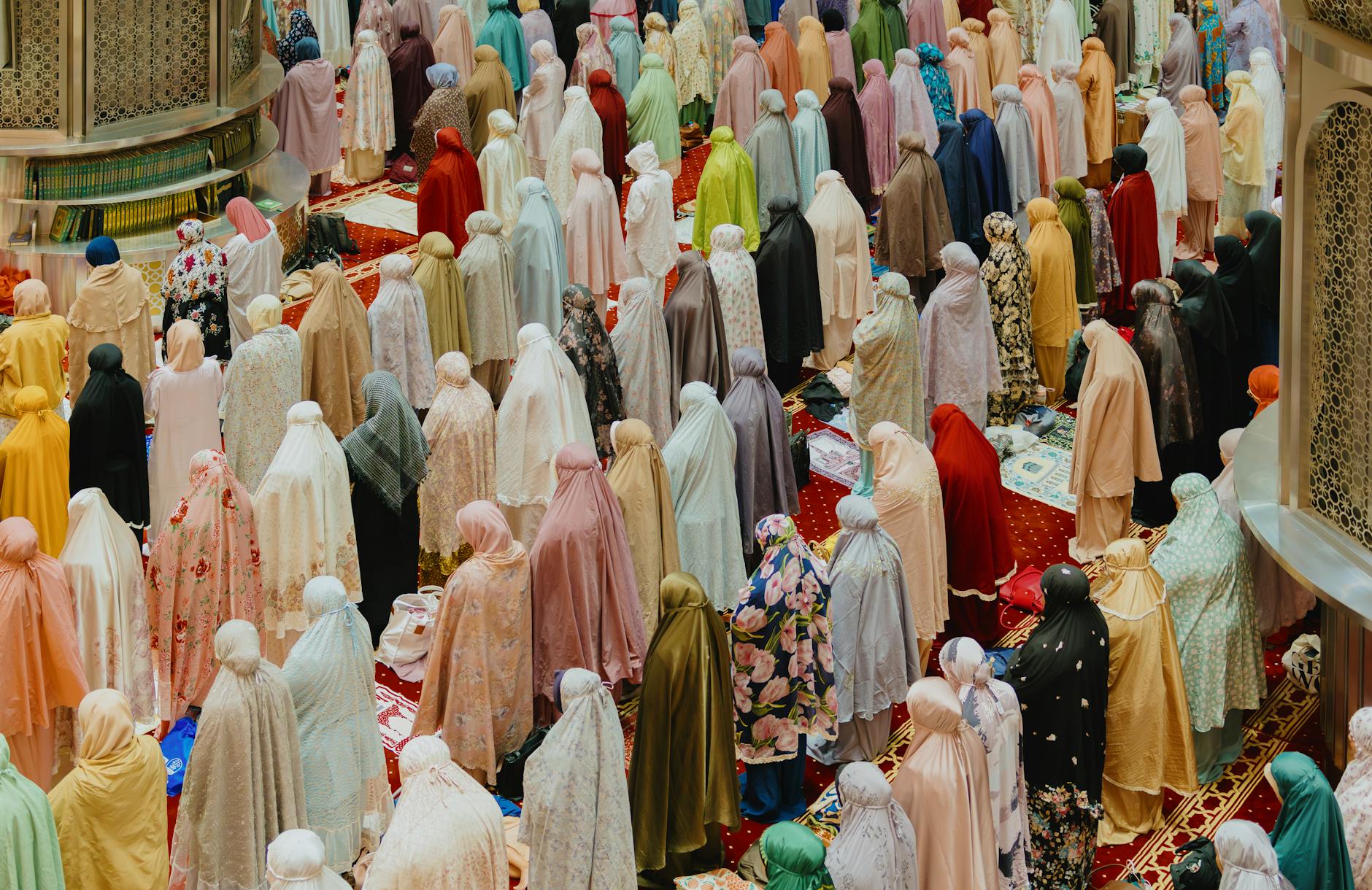
Photo by Mohammed Alim on Pexels
Spending Ramadan in a Muslim country as a tourist: an honest guide
The call to prayer finishes, and the street goes quiet for about four seconds. Then the clatter of pots, the hiss of oil, the low collective exhale of an entire neighbourhood breaking its fast. In Fès’s medina, on the evening of iftar — the sunset meal ending the daily fast — the light turns amber, vendors materialise from nowhere, and the air smells of harira soup, cumin, and something frying in sugared batter. You are not in the way. You are, unexpectedly, exactly where you should be.
Ramadan — the Islamic holy month based on the lunar calendar, falling roughly in late February to late March in 2026 — is one of the most misunderstood times to travel in Muslim-majority countries. Most advice falls into two camps: “avoid it, nothing is open” or “go, it’s magical.” Neither is honest. The reality is that Ramadan changes the rhythm of a country dramatically, and whether that works for you depends on what kind of traveller you are and how prepared you are logistically.
Here is what you actually need to know.
What changes during Ramadan — and what doesn’t
Observant Muslims fast from the pre-dawn meal (suhoor) until sunset (iftar), abstaining from food, water, smoking, and sexual relations. In countries like Morocco, Jordan, and Malaysia, this shapes the entire day. Restaurants in medinas and town centres may be closed or shuttered until late afternoon. Government offices, banks, and some shops shorten hours. Alcohol is harder to find — in Morocco, even licensed bars in tourist hotels sometimes reduce service. Traffic before iftar is chaotic as people race home.
What doesn’t change: tourist sites, beaches, international hotels, and airport facilities operate normally. In major tourist corridors — Marrakech’s Jemaa el-Fna, Petra in Jordan, Bali in Indonesia (which has a Hindu majority despite Indonesia being the world’s largest Muslim-majority country) — the daytime tourist economy barely skips a beat. The experience you will miss if you stay in those bubbles, however, is the actual texture of Ramadan: the hush of afternoons, the electric anticipation of iftar, the late-night communal prayer and storytelling that fills streets until 2am.
Three countries compared: Morocco, Jordan, Indonesia
Morocco observes Ramadan strictly. Fès and Meknès are the cities where this is most felt — and most rewarding. In Fès’s Bou Jeloud neighbourhood, the 30 minutes before maghrib (sunset prayer) are extraordinary: women carry trays of msemen flatbread, children run to mosques, and stalls selling chebakia (honey-sesame pastries) and dates materialise on every corner. Tourists are neither turned away nor treated as spectacles if they sit and observe quietly.
Jordan is more relaxed in enforcement, especially in Amman’s Weibdeh and Rainbow Street neighbourhoods, where some cafés serve food during the day. Aqaba, as a special economic zone, has different rules still — alcohol is available. But the iftar spread at a family-run restaurant in Madaba, where you might be seated next to a table of 12 Jordanians cracking open lentil soup and mansaf lamb stew together, is worth more than any restaurant experience at other times of year.
Indonesia (specifically Java and Lombok, not Bali) observes Ramadan with warmth but less rigidity than the Gulf states. In Yogyakarta, the Kauman neighbourhood near the Kraton palace hosts nightly takjil markets — small stalls selling iftar snacks like kolak banana pudding, es buah fruit drinks, and martabak stuffed pancakes — which are explicitly open to anyone. Street food is a better option here than restaurants for daytime eating.
The tourist’s practical reality: food, drink, behaviour
Lonely Planet’s Ramadan etiquette guide outlines the baseline: eat and drink discreetly in public during fasting hours, don’t smoke in front of fasting people, dress more conservatively than usual.
In practice: in Morocco, you will find food in your hotel, in Western-style cafés (more common in Rabat and Casablanca), and in tourist restaurants that serve discreetly. Carry a snack bar in your bag if you’re walking medinas during the afternoon. Hydration matters — March heat in Jordan can hit 25°C by midday. A water bottle consumed inside your accommodation or in a quiet corner is fine. Eating a shawarma on a busy street at noon in downtown Amman is not.
Iftar, however, is your meal of the day. Budget restaurants in Jordan’s Aqaba charge 4–8 JD (roughly £4–9) for a full iftar spread. In Morocco, a soup kitchen-style communal meal near Fès’s tanneries will cost under 50 MAD (£4). The food is not simplified for the occasion — it is the best, most purposeful cooking of the year.
Where to position yourself for iftar
Don’t eat at your hotel on iftar evenings unless you must. Go to where families eat.
- Fès, Morocco: the square in front of Bab Bou Jeloud fills from 30 minutes before maghrib. Sit at a plastic table at one of the no-name soup stalls and order harira (tomato-lentil soup), a bowl of dates, and chebakia. Cost: 25–40 MAD total.
- Amman, Jordan: head to Al-Quds restaurant on Rainbow Street or to any spot in downtown Amman’s Hashimi Street, where the older working-class neighbourhoods serve mansaf and maqluba rice-and-chicken.
- Yogyakarta, Indonesia: the Kauman takjil market, a five-minute walk from the Kraton entrance gate, runs nightly. Budget 30,000–60,000 IDR (£1.50–£3) for a full iftar snack spread.
Ramadan and alcohol: the honest picture
BBC Travel’s guide to Ramadan travel notes that rules vary significantly by country. Saudi Arabia: zero alcohol at any time. Morocco: alcohol is technically legal year-round but many venues close or reduce hours during Ramadan. Jordan: internationally-licensed hotels serve alcohol; street-facing bars shut. Indonesia: Java-based tourist hotels serve alcohol, though discreetly. If alcohol with dinner is important to you, book a four- or five-star international hotel and confirm their policy in advance. Don’t expect a rooftop bar atmosphere.
Logistics and costs: Ramadan travel at a glance
| Country | Strictness | Daytime food available? | Iftar meal cost | Alcohol access | Best base |
|---|---|---|---|---|---|
| Morocco | High | Tourist areas only | £3–8 | Hotels only (limited) |