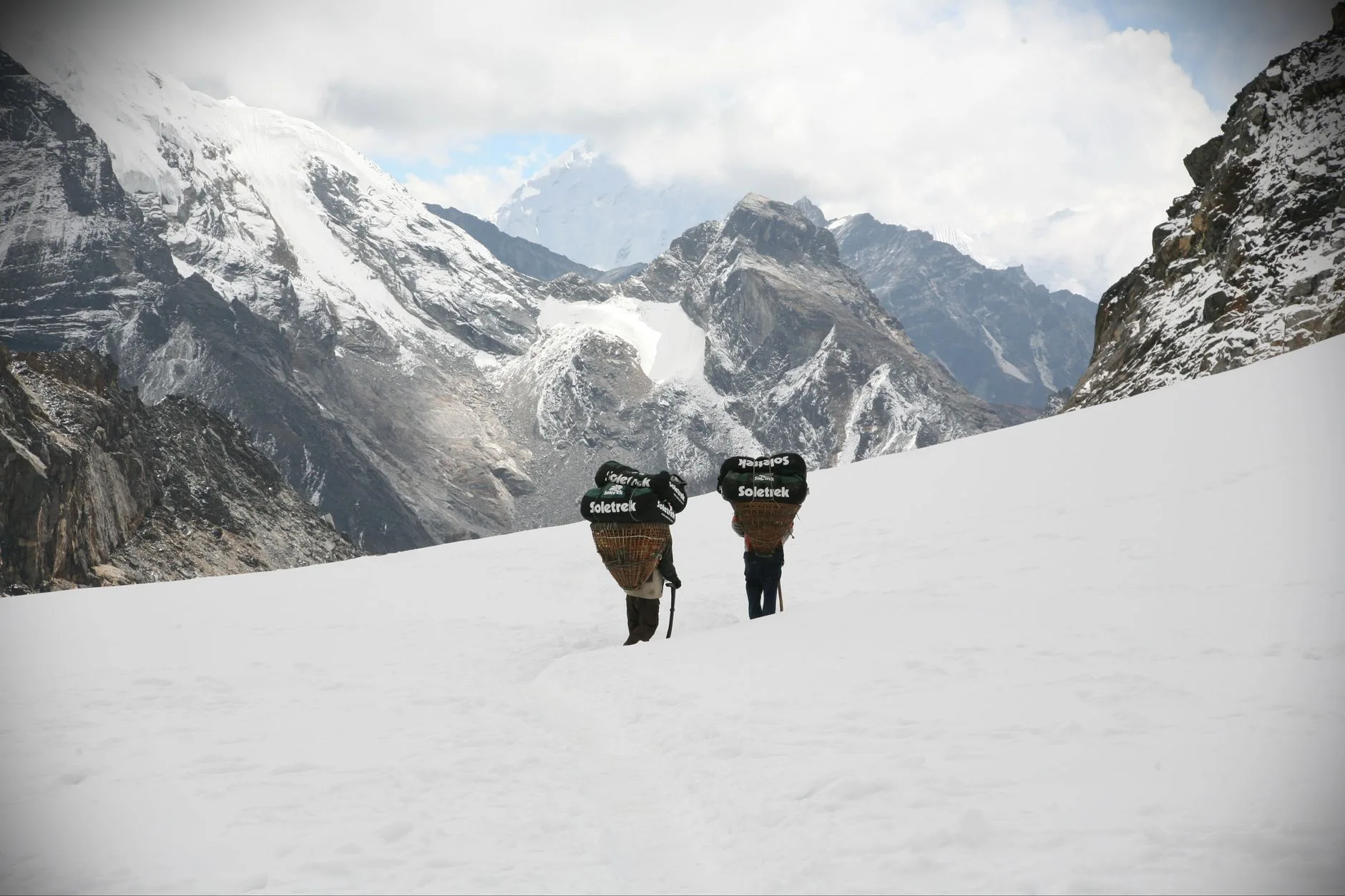
Photo by Jungsik Kwak on Pexels
Nepal’s mountains are among the most spectacular on earth, and trekking through them without a guide is genuinely possible for physically fit, well-prepared travellers. The country’s teahouse trekking system — a network of guesthouses along established routes — means you can walk for weeks with nothing but a daypack, sleeping and eating at lodges along the way.
Here’s what you need to know to plan it properly.
Permits
All trekkers in Nepal require permits. The specific permits depend on where you’re trekking.
TIMS Card (Trekkers’ Information Management System): Required for most popular routes. Approximately NPR 2,000 (£11) for independent trekkers through the TAAN/NMA offices in Kathmandu or Pokhara.
National Park/Conservation Area permit: Required to enter the national parks or conservation areas the trek passes through. Prices vary:
– Sagarmatha (Everest) National Park: NPR 3,000 (£17)
– Annapurna Conservation Area: NPR 3,000 (£17)
– Langtang National Park: NPR 3,000 (£17)
Restricted Area permits: Some regions (Mustang, Manaslu Circuit, Dolpo) require additional restricted area permits, which must be obtained with a licensed guide — independent trekking is not permitted in these areas.
Get permits at the Nepal Tourism Board (NTB) offices in Kathmandu (Bhrikutimandap) or Pokhara (Lakeside) — not online.
The Main Trekking Routes
Annapurna Circuit (full: 14–21 days, partial: 7–10 days): The classic Nepal trek. Passes through subtropical forest, alpine meadows, high-altitude desert, and over the Thorong La pass (5,416m). Can be shortened with vehicle transport to various entry/exit points. The Mustang section (from Muktinath) feels like Tibetan plateau.
Annapurna Base Camp (7–12 days): Shorter than the full circuit, approaching the Annapurna Sanctuary directly. Dramatic mountain amphitheatre at the end. Starts and ends in Pokhara.
Everest Base Camp (12–14 days): The most famous trek in the world. Fly Kathmandu–Lukla (35 minutes), then 8–9 days to Base Camp (5,364m) and back. Physical altitude acclimatisation is non-negotiable — the standard route allows for proper rest days at Namche Bazaar and Dingboche. Kala Patthar (5,545m) offers the better Everest view.
Langtang Valley (7–10 days): Closest major trek to Kathmandu (direct bus to Syabrubesi). Less visited than Annapurna and Everest. Beautiful valley walk with views of Langtang Lirung.
Ghorepani–Poon Hill (4–5 days): Short, accessible, and spectacular — the sunrise from Poon Hill (3,210m) with Annapurna and Dhaulagiri ranges filling the horizon is one of Nepal’s iconic views. Good first trek; suitable for moderate fitness levels.
What It Costs
Nepal trekking is genuinely affordable:
Budget teahouse trekking (Annapurna/Everest routes):
– Teahouse accommodation: NPR 300–600/night in lower elevations (£1.70–3.30); NPR 600–1,500 at higher altitudes (£3.30–8.30)
– Dal bhat (rice, lentils, vegetable curry — eat as much as you like): NPR 500–800 (£2.80–4.40)
– Tea: NPR 100–200 (£0.55–1.10)
Note: Prices increase significantly with altitude on the Everest route. Budget NPR 4,000–7,000/day at lower elevations; NPR 8,000–15,000 above Namche on Everest.
Overall budget for a 14-day Annapurna Circuit (excluding international flights and gear): £300–500 including permits, accommodation, all food on trail, and Kathmandu accommodation.
Altitude Sickness
This is the most serious practical concern for trekkers at altitude. Acute Mountain Sickness (AMS) affects a significant proportion of trekkers above 3,500m — headache, nausea, dizziness, fatigue. The key principle: if symptoms appear, do not ascend further until they resolve. If symptoms worsen, descend immediately.
Acclimatisation: The standard rule is to ascend no more than 500m per day above 3,000m, with a rest day every 2–3 days of ascent. The Everest Base Camp route is designed with this built in.
Diamox (acetazolamide): A prescription medication that reduces AMS symptoms. Consult a GP or travel clinic before departure — get a prescription and start taking it 24 hours before ascending above 3,000m if using.
HACE/HAPE: High-altitude cerebral or pulmonary oedema — severe, life-threatening complications of AMS. Symptoms include confusion, inability to walk straight, or wet cough/breathlessness at rest. Descend immediately and get emergency help.
Best Time to Trek
October–November: Peak season. Clear skies, excellent visibility, full trails. Book accommodation ahead on popular routes.
March–May: Spring season. Rhododendrons in bloom on lower slopes. Good visibility. Second busiest period.
December–February: Cold at altitude but clear skies and very few trekkers. Passes may be snowbound (Thorong La). Lower altitude treks (Ghorepani, Langtang) remain accessible.
June–September (monsoon): Wet, cloudy, leeches on lower trails. Not recommended for most trekking routes.
Gear Essentials
For teahouse trekking, gear requirements are modest:
– Layering system (base, mid-layer fleece, down jacket, windproof outer)
– Waterproof hiking boots (broken in before departure — this is critical)
– Trekking poles (buy or rent cheaply in Kathmandu or Pokhara)
– Sleeping bag liner (most teahouses provide blankets; a liner adds warmth and hygiene)
– Water purification (SteriPen or iodine tablets — tap water is not safe)
– Sun protection (UV intensity at altitude is extreme)
All gear is available to rent or buy cheaply in Thamel (Kathmandu) and Lakeside (Pokhara). Quality varies — bring good boots from home.
Summary
Trekking in Nepal independently:
- Permits must be obtained in person in Kathmandu or Pokhara — the Nepal Tourism Board office, not online or from agents
- Acclimatise properly — the golden rule is: ascend slowly, rest when symptoms appear, descend if they worsen
- October–November is the best trekking season — clear skies, good visibility, full trail infrastructure operating
- Dal bhat is the trekker’s fuel — unlimited refills, good nutrition, and the same price twice a day; eat it every day
- Broken-in hiking boots are non-negotiable — everything else can be bought in Thamel; new boots cannot be replaced by anything available on the trail
Keep reading: Independent travel in Uzbekistan: Silk Road guide