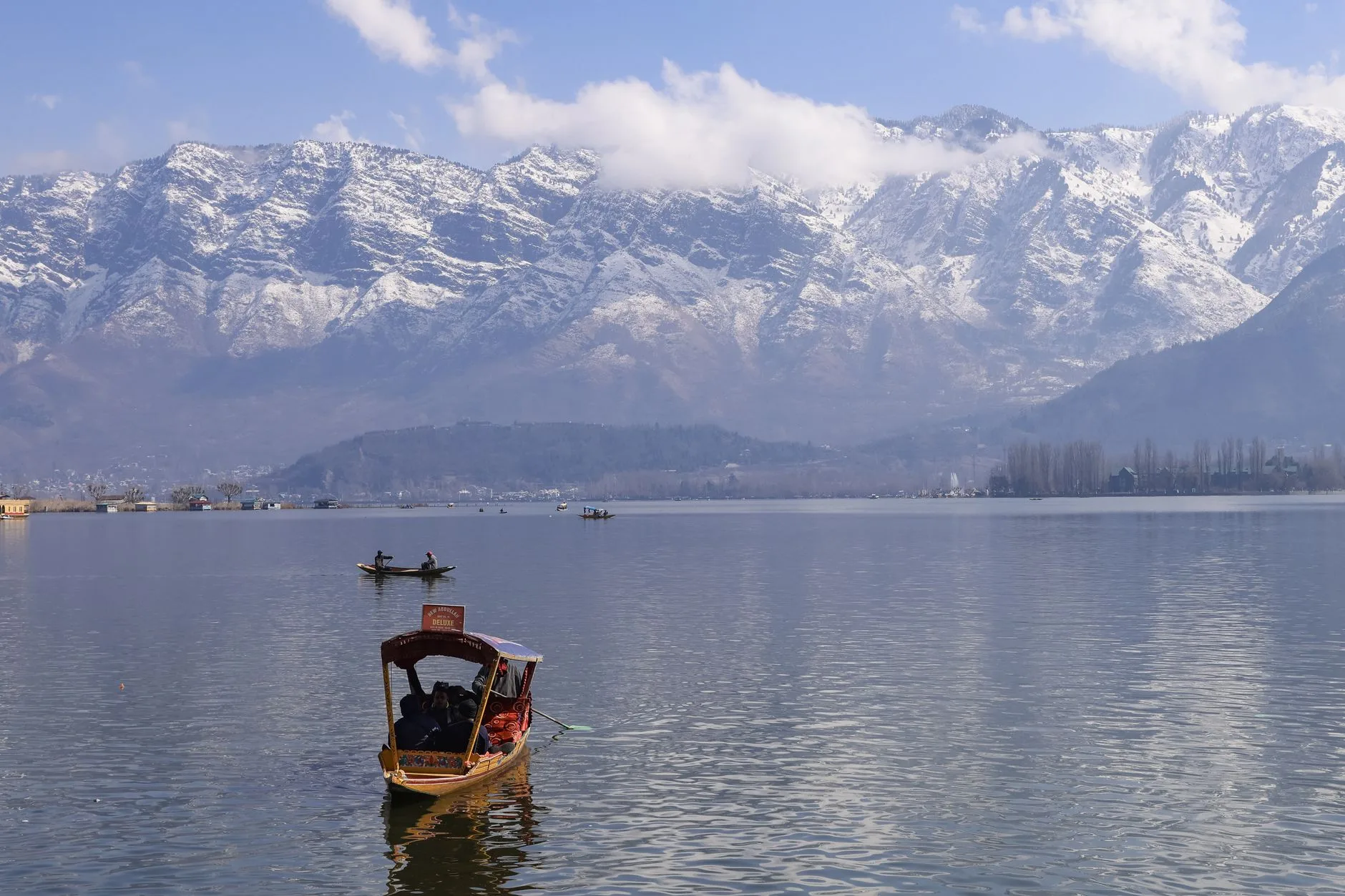
Photo by Amjed wani on Pexels
Northern India encompasses an enormous range of geography and experience — from the colonial-era streets of Old Delhi to the high altitude Himalayan valleys of Himachal Pradesh and Ladakh, from the holy city of Varanasi to the temples of Khajuraho. It is also the most visited part of India, meaning the infrastructure for independent travellers is well-established, even if the experience itself is never straightforward.
Getting In
e-Visa: Most nationalities including UK, EU, US, Canada, and Australia can apply for an India e-Tourist Visa online at indianvisaonline.gov.in. Apply at least 4 days before travel. A 30-day single-entry visa costs approximately £20–30; 90-day and 1-year multiple-entry visas are also available.
Flights into northern India: Delhi (IGI) is the main international hub for the north. Direct flights from London to Delhi take approximately 8–9 hours. Mumbai is an alternative entry point for those starting in western India.
The Golden Triangle
Delhi–Agra–Jaipur forms the “Golden Triangle” — the most commonly visited circuit in India and a reasonable starting framework for first-time visitors to the north.
Delhi: India’s capital is three cities in one — New Delhi (the British-built administrative city), Old Delhi (the Mughal-era city around Jama Masjid and the Red Fort, with Chandni Chowk market), and the newer urban sprawl to the south. The contrast between the grid of Lutyens’ New Delhi and the compressed density of Old Delhi is one of the starkest urban transitions in the world. The National Museum is one of the best in Asia.
Agra: The Taj Mahal is the reason to go — and it justifies the journey entirely. Arrive at opening time (6am) to see it with minimal crowds, ideally at dawn. The Agra Fort and Fatehpur Sikri (a perfectly preserved abandoned Mughal capital 40km west) add substance to a day or two.
Jaipur: See the Rajasthan guide for detailed coverage. The jump from Agra to Jaipur (4–5 hours by train) completes the triangle — from there, continue into Rajasthan or return to Delhi.
Varanasi
India’s oldest and holiest city — on the banks of the Ganges, where Hindus come to die and be cremated on the ghats (stone steps descending to the river). Varanasi is the most spiritually intense place in India and one of the most challenging for first-time visitors. The Ganga Aarti (evening fire ritual on the main ghat) is extraordinary; the early morning boat ride along the river at sunrise, watching the cremation ghats operating, is something found nowhere else.
Varanasi is best approached with the understanding that it’s not a comfortable tourist destination — it’s a place of intense religious activity that happens to accept visitors.
Himachal Pradesh and the Himalayas
The Himalayan states of the north provide some of India’s most extraordinary mountain landscape.
Dharamsala/McLeod Ganj: The Tibetan Government in Exile’s base since 1959 — a Tibetan community high in the Himalayas, with the Dalai Lama’s residence, Tibetan cuisine, and a culture entirely distinct from the rest of India. A base for trekking in the Dhauladhar range.
Manali and the Kullu Valley: A mountain resort town at 2,050m, accessible by overnight bus from Delhi. Base for treks into the Pin Parvati Pass, Chandrakhani, and for those continuing over the Rohtang Pass to Lahaul.
Spiti Valley: A high-altitude cold desert between Himachal Pradesh and Ladakh — one of the most remote and remarkable landscapes in India. Buddhist monasteries at Kaza, Tabo, and Ki. Accessible by road from Shimla or from Manali over the Kunzum Pass (closed in winter, open June–October).
Ladakh: At 3,500m, Ladakh is the highest inhabited plateau in India — a landscape of stark mountain desert, turquoise lakes, and ancient Buddhist monasteries. Leh is the capital; the Nubra Valley, Pangong Lake, and Tso Moriri are the major excursions. Altitude sickness is a real consideration — allow 2–3 days to acclimatise before strenuous activity.
Transport in Northern India
Trains: Indian Railways is the primary transport network. For major routes (Delhi–Agra, Delhi–Jaipur, Delhi–Varanasi), book online at irctc.co.in 30–60 days in advance — popular trains sell out, especially in AC classes. Overnight sleeper trains are the most comfortable and time-efficient way to cover the major distances.
Buses: For mountain areas (Himachal, Uttarakhand), overnight Volvo AC buses supplement the rail network. Government buses are cheaper; private “Volvo” buses are more comfortable.
Flights: IndiGo, Air India, and SpiceJet connect Delhi with Leh, Chandigarh, and other northern cities. Leh is also served by direct flights from Delhi (1 hour) — significantly faster than the 2-day road journey.
Costs
Northern India is one of the most affordable long-haul destinations:
| Item | Approximate cost |
|---|---|
| Budget guesthouse | ₹500–1,500 ($6–18) |
| Thali meal (local restaurant) | ₹100–200 ($1.20–2.40) |
| Delhi metro single fare | ₹20–60 ($0.25–0.75) |
| Delhi–Agra express train | ₹300–900 ($3.50–11) |
| Taj Mahal entry (foreigners) | ₹1,100 (~£10) |
Daily budget: £25–40 for independent travel, depending on accommodation standard and entry fees.
Conclusion
Northern India rewards extended time — the gap between a 7-day rush and a 3-week exploration is enormous:
- Book trains well in advance — the IRCTC website requires registration, but it’s the only way to secure reservations on popular routes
- Varanasi is not comfortable — it’s important, but arrive prepared for the intensity
- The Himalayas require planning — Ladakh and Spiti are closed for much of the year; altitude acclimatisation takes days
- The tourist quota on trains releases seats for foreigners 24 hours before departure if unused — ask at the station’s tourist quota counter
- Delhi’s air quality is worst October–January — check AQI forecasts if respiratory health is a concern
Keep reading: Travelling in Rajasthan India on a budget