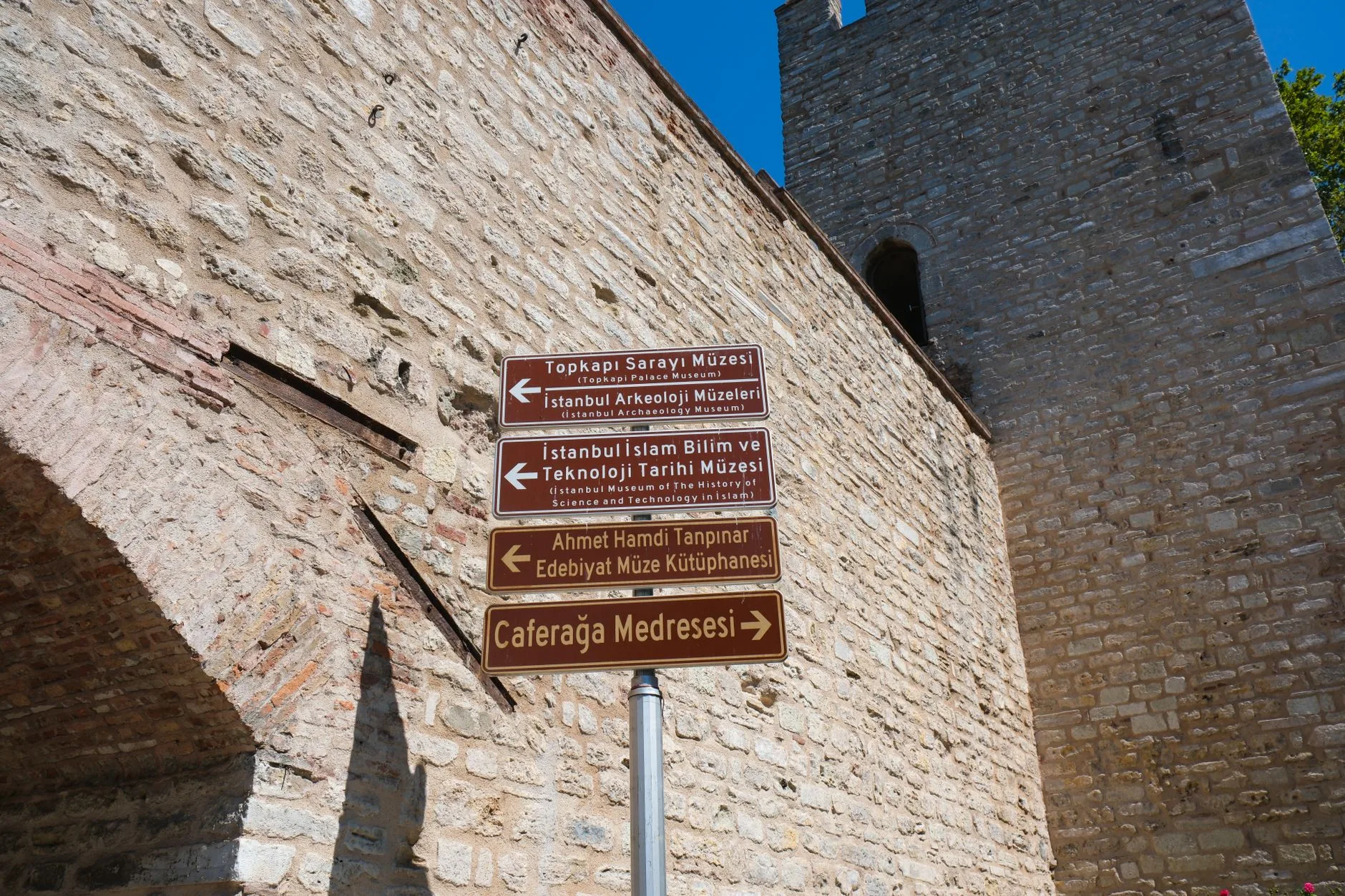
Photo by Emre Gokceoglu on Pexels
Istanbul is remarkable — one of the great cities of the world, straddling two continents with 3,000 years of accumulated history. But Turkey beyond Istanbul is where the country becomes less expected and often more extraordinary. Cappadocia’s lunar landscape, the ruins of Ephesus, the turquoise coastline of the Aegean and Mediterranean, and the ancient cities of the east — all are within reach and all are accessible to independent travellers.
Getting Around Turkey
Internal flights: The cheapest and fastest way to cover Turkey’s distances. Turkish Airlines, Pegasus, and SunExpress connect Istanbul, Ankara, Izmir, Antalya, Kayseri (for Cappadocia), Trabzon, and Van. Internal flights can be extremely cheap booked in advance (Istanbul–Kayseri from £30–50).
Overnight buses: Turkey has an excellent long-distance bus network. Companies like Kamil Koç, Metro Turizm, and Pamukkale operate comfortable overnight coaches between major cities. Istanbul–Cappadocia overnight bus: approximately £20–35.
Trains: Turkey’s rail network is improving, with high-speed trains connecting Istanbul with Ankara (4.5 hours) and Konya. East of Ankara, the rail is slower but scenic.
Dolmuş (shared minibus): The backbone of local transport between towns and villages. Cheap, frequent (when they fill), and essential for reaching non-tourist destinations.
Cappadocia
The landscape of central Anatolia — volcanic tufa formations (called “fairy chimneys”) sculpted by millennia of erosion into towers, cones, and valleys — is unlike anything else in the world. Early Christians carved entire cities into the tufa: underground settlements at Derinkuyu and Kaymaklı, cave churches with Byzantine frescos at Göreme, whole rock-cut monasteries in the Ihlara Valley.
Göreme is the main base — a small town within the Göreme Open Air Museum, with cave hotels, excellent restaurants, and good connections to the surrounding valleys. Cave accommodation (a genuine cave room) is atmospheric and competitively priced at budget to mid-range: approximately £30–80/night.
Hot air balloons: The most popular activity in Cappadocia — approximately £120–200 per person for an hour-long flight at dawn over the fairy chimneys. Book in advance in peak season. Not weather-guaranteed.
Getting there: Fly into Kayseri (1.5 hours from Istanbul) or Nevşehir (slightly closer but fewer connections). Transfer to Göreme by airport shuttle (approximately £10–15).
The Aegean Coast: Ephesus, Pamukkale, and the Turquoise Coast
Ephesus (Efes)
The best-preserved Roman city in the eastern Mediterranean — a kilometre-long processional street lined with two-storey marble facades, the Library of Celsus, a 25,000-seat amphitheatre, and temple ruins. Ephesus receives more than 1 million visitors per year. Visit at opening time (8am) or late afternoon to avoid the cruise ship groups.
Base: Selçuk — a small market town 3km from the ruins, far more pleasant to stay in than the beach resorts.
Pamukkale
The “cotton castle” — white travertine terraces formed by calcium-rich thermal water cascading down a hillside, with the ruins of the ancient spa city of Hierapolis on top. The terraces have been partially degraded by tourism (the water flow has been partially redirected to manage them), but remain striking. Best visited on the way between Istanbul and the south coast, not as a standalone destination.
The Turquoise Coast (Ölüdeniz, Kaş, Kalkan)
The southwestern coastline between Marmaris and Antalya is the most attractive beach destination in Turkey. Ölüdeniz — a protected lagoon with extraordinary colour — is the most photographed. Kaş is a small town with good diving and snorkelling. The Lycian Way (a 540km coastal walking trail from Ölüdeniz to Antalya) passes through extraordinary landscape and ancient Lycian ruins.
Eastern Turkey
Less visited and more demanding than the west, eastern Turkey is where the country becomes genuinely unfamiliar:
Göbekli Tepe (near Şanlıurfa): The oldest known monumental structure in the world — a complex of circular stone enclosures with carved animal reliefs dating to approximately 10,000 BCE, discovered in 1994 and still being excavated. A 30-minute drive from Şanlıurfa city.
Mount Ararat (Ağrı Dağı): The biblical landing place of Noah’s ark — a dormant volcano at 5,137m on the Iranian border. Climbing permits required; the ascent takes 3–4 days with a guide.
Lake Van: Turkey’s largest lake, in the far east near the Iranian border. The Armenian church on Akdamar Island (a perfectly preserved 10th-century Armenian cathedral on a small island in the lake) is one of the most extraordinary historical sites in Turkey.
Costs
Turkey’s 2024 inflation rate significantly changed the pricing landscape — the lira weakened substantially, making Turkey very affordable for visitors with hard currency:
| Item | Approximate cost |
|---|---|
| Budget guesthouse (private room) | £15–35/night |
| Restaurant meal (local, outside tourist areas) | £4–8 |
| Kebab or pide from a snack restaurant | £2–4 |
| Overnight bus (Istanbul–Cappadocia) | £20–35 |
| Ephesus entry (foreigners) | approximately £15–20 |
Daily budget: £30–55 outside Istanbul for accommodation, food, and local transport.
Practical Notes
Dress: Turkey is a secular state but the east is more conservative than the coast. Cover shoulders and knees in mosques; appropriate dress is respectful in the interior and east.
Currency: Turkish Lira (TRY). Cash is useful in smaller towns; cards accepted widely in tourist areas. Exchange rates at banks and legitimate exchange offices are better than airport rates.
Conclusion
Turkey beyond Istanbul rewards an itinerary that ventures past the obvious circuit:
- Cappadocia is the single most extraordinary landscape — even without a balloon flight, the valleys and rock-cut churches justify the journey
- Fly for distances — internal flights are cheap and save days of bus travel
- Ephesus at opening time — arriving before cruise ships makes an enormous difference
- Göbekli Tepe is undervisited relative to its significance — allow a full day from Şanlıurfa
- Eastern Turkey is worth the extra journey — the scenery, history, and lack of tourists create a completely different experience from the Mediterranean coast
Keep reading: Travelling in Georgia Caucasus: what to know before you go