What to know before your first trip to Turkey
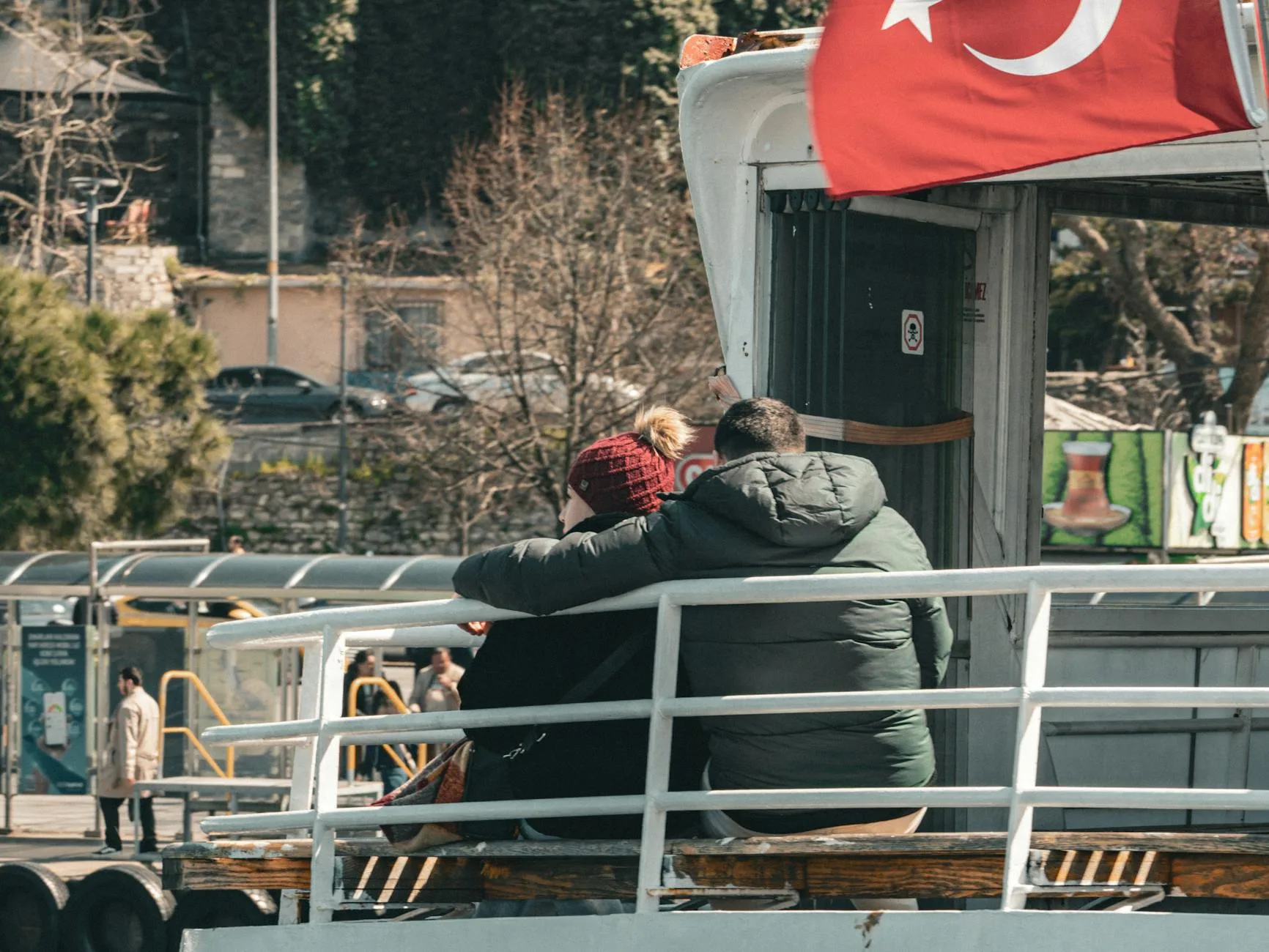
The ferry from Karaköy cuts across the Bosphorus in about fifteen minutes, but it crosses something more interesting than water. On the European side, a tangle of Byzantine walls and minarets; on the Asian side, residential streets that smell of simit and diesel. You pay with a small blue transit card, stand at the bow if you can get the space, and watch Istanbul arrange itself around you. It’s one of the cheapest rides you’ll take in Turkey — a few lira — and one of the most disorienting, in the best sense.
Turkey is a large, geographically varied country of roughly 85 million people that sits at the junction of southeastern Europe and western Asia. It has a Mediterranean coast that runs for over 1,500 kilometres, a volcanic interior plateau, a Black Sea shore, mountains in the east that exceed 5,000 metres, and cities ranging from Ottoman-imperial Istanbul to the ancient carved hillsides of Göreme. First-time visitors often underestimate both its size and its variety. What follows is everything you actually need to know before you arrive.
Visas and entry: what you need before you land
Most nationalities — including UK, EU, US, Canadian, and Australian passport holders — can enter Turkey with an e-Visa, which you apply for online through the official Turkish government portal at www.evisa.gov.tr. The process takes around five minutes and costs approximately USD 50 (the exact amount varies by nationality). It’s valid for 90 days within a 180-day period for most applicants, and you’ll receive it by email. Print it or screenshot it — border officials at airports do check.
Do not use third-party websites for this. Dozens of copycat sites charge inflated fees for the same result. Go directly to the official domain. Citizens of some countries — including most Balkan nations and Japan — can enter without any visa at all, so check Turkey’s Ministry of Foreign Affairs list for your specific passport before applying.
If you’re arriving overland, note that the main border crossings from Greece (Pazarkule/Kastanies and Ipsala/Kipi) and Bulgaria (Kapıkule) can see long queues, particularly in summer. The crossing from Georgia at Sarp is generally quick and straightforward. If you’re considering an overland route further east, the Iran to Turkey bus route via the Gürbulak/Bazargan crossing is a distinct undertaking that warrants its own planning.
Getting around: trains, buses, and the myth of needing to fly everywhere
Turkey has a long-distance bus network that is, without exaggeration, one of the best in the world. Companies like Flixbus (operating locally), Kamil Koç, Metro Turizm, and Ulusoy run frequent overnight coaches between all major cities. Istanbul to Cappadocia takes roughly 10–11 hours by night bus; Istanbul to Izmir around 8 hours; Ankara to Antalya about 7. Buses are air-conditioned, the seats recline reasonably, and an attendant typically comes around with tea, water, and snacks. Tickets cost between 300–700 TRY (roughly €8–20) depending on route and company. Book through the operator’s own website or at otogar terminals. The main Istanbul bus terminal is Esenler on the European side; Harem serves the Asian side.
Turkey’s intercity rail network has expanded considerably. High-speed YHT trains run between Ankara and Istanbul (roughly 4.5 hours, from around 150 TRY), Ankara and Konya, and Ankara and Eskişehir. The Marmaray commuter tunnel beneath the Bosphorus connects the European and Asian rail networks in Istanbul. For scenic routes, the overnight train from Istanbul Halkalı to Kars via Ankara is a serious undertaking (around 30+ hours) but passes through landscapes that buses miss entirely.
Within Istanbul, the ISTANBULKART transit card covers metro, tram, ferry, funicular, and bus — load it at any yellow machine at stations and kiosks near terminals. The T1 tram line runs from Kabataş through Karaköy, across the Galata Bridge, through Eminönü, Beyazıt, and all the way to Bağcılar — it’s the spine of historic peninsula transit, though it gets very crowded at rush hour.
For the Aegean and Mediterranean coasts, the dolmuş — a shared minibus running fixed routes — is often faster and cheaper than any alternative. Pay the driver, get out where you need to, and don’t overthink it.
Money, costs, and the Turkish lira
Turkey operates in Turkish lira (TRY). Exchange rates have been volatile in recent years, which in practical terms means that Turkey currently represents good value for visitors holding stronger currencies — but it’s worth checking live rates before you travel rather than relying on any figure printed here.
ATMs (bankamatik) are widely available in cities and most tourist towns. Withdraw reasonable amounts rather than small top-ups to minimise per-transaction fees. Avoid airport exchange bureaux; rates at central offices (döviz büroları) in cities are significantly better. Wise or Revolut cards work well and carry no hidden conversion markup.
Cash is still preferred in markets, smaller restaurants, and rural areas, though card payment is accepted almost everywhere in cities. A sit-down lunch at a local lokanta (cafeteria-style restaurant) will run 150–250 TRY per person; a glass of çay at a tea house is 10–20 TRY. Museum entries vary: the Hagia Sophia is free to enter as a mosque, but the Topkapı Palace complex charges around 1,500 TRY (check the current official price, as it changes). The Museum Pass Istanbul covers most major sites for a set fee and pays off quickly if you’re spending several days in the city.
Where to go: building a realistic first itinerary
Turkey is roughly the size of France and Germany combined. Do not try to see all of it on a first trip.
Istanbul deserves at minimum four days. The old city — Sultanahmet — holds the Hagia Sophia, the Blue Mosque, the Topkapı Palace, and the Grand Bazaar. But the city’s living texture is in other neighbourhoods: Karaköy and Galata for coffee and design studios; Beyoğlu and Cihangir for meyhanes (taverns) and old apartment buildings draped in laundry; Balat and Fener on the Golden Horn for narrow streets of painted wooden houses; Kadıköy on the Asian side for its produce market and the best casual food in the city. Istanbul is not one city — it’s several layered on top of each other, and treating it as a tick-box exercise wastes it.
Cappadocia — specifically the area around Göreme in Nevşehir province — is justifiably famous. The fairy chimneys, cave churches, and underground cities (Derinkuyu and Kaymaklı are both open to visitors) are genuinely extraordinary. Hot-air balloon flights launch at dawn and cost around €150–200 depending on the operator; book in advance. The Rose Valley and Love Valley are walkable without a guide and the trail signage has improved substantially. Stay in Göreme village itself rather than the resort hotels on the outskirts — the cave guesthouses are honest about what they offer.
The Aegean coast (Izmir, Selçuk/Ephesus, Ayvalık, Bozcaada island) and the turquoise Mediterranean (Antalya old town, Kaş, the Lycian Way) are distinct choices with different tempos. Ephesus, visited from the town of Selçuk (not from Kusadası cruise terminals), is one of the best-preserved Roman cities in the world. The Lycian Way is a 540-kilometre coastal hiking trail with clearly marked stages between Fethiye and Antalya — even a short section between Kaş and Kalkan gives you a day of limestone cliffs, sea views, and ruins that few people reach.
Eastern Turkey — Diyarbakır, Mardin, Mount Nemrut (Adıyaman), the Lake Van area — is a different country in cultural character. More Kurdish in population, more sparsely touristed, and genuinely harder to navigate without Turkish or at least some patience for ambiguity. It’s worth it if you have the time: the Mor Gabriel monastery near Midyat has been standing since 397 AD.
Food: what to eat and where to find it
Turkish cuisine is not döner and baklava, though both are worth eating here in a way they rarely are elsewhere. It is also — depending on which region you’re in — a different cuisine entirely.
In Istanbul, eat at a lokanta for lunch: these are cafeteria-style spots where you point at dishes in metal trays and pay by the plate. Mercimek çorbası (lentil soup), kuru fasulye (white bean stew with rice), imam bayıldı (braised aubergine with tomato and onion) — these are the staples, and a full lunch rarely costs more than 250 TRY. The Kadıköy market — Tarihi Kadıköy Çarşısı — is the best single place in Istanbul to eat in the morning: fresh simit from street sellers, balık ekmek (fish sandwiches) at the docks, börek from Güllüoğlu in the market halls.
On the Aegean coast, meze culture is central — a table of small dishes, cold and hot, followed by fish by weight. In the southeast, the food shifts entirely: Gaziantep is Turkey’s culinary capital, home to a specific style of baklava (pistachio-heavy, flaky, made with butter rather than oil), çiğ köfte, and a lahmacun that bears no resemblance to the frozen supermarket version. If your route takes you through Gaziantep, eat as much as you can.
For navigating market food further afield, the practical principles in our guide to eating at local markets in Southeast Asia — freshness cues, timing, and choosing busy stalls — apply with minor cultural adjustments.
Culture, etiquette, and what to expect
Turkey is a constitutionally secular state with a Muslim-majority population, and in practice this means significant variation depending on where you are. Istanbul, Izmir, and coastal resorts are socially liberal by any regional standard. Eastern and inland cities are considerably more conservative. Neither is the “real” Turkey — both are.
At mosques: Remove shoes and dress modestly (shoulders and knees covered; headscarves for women). The Blue Mosque and the Suleymaniye are active places of worship, not monuments — enter respectfully, avoid visiting during prayer times, and keep noise down. Our broader guide on how to respectfully visit religious sites abroad covers the underlying principles well.
Hospitality: Tea invitations from shopkeepers are genuine and expected to come with no obligation, though persistent hard-selling follows in some tourist-heavy areas of the Grand Bazaar. The general rule: accept the çay, enjoy the conversation, and a polite “hayır teşekkürler” (no thank you) closes a sales pitch without offence.
LGBTQ+ travel: Istanbul has an established LGBTQ+ community and a history of Pride events, but the political climate has shifted in recent years and public displays of affection carry risk in most parts of the country. Research current conditions before you travel.
Tipping: Not obligatory but appreciated. Rounding up a bill or leaving 10% is standard in restaurants. Nothing is expected in çay salons or lokanta counters.
Seasons and when to go
| Season | Months | Conditions | Notes |
|---|---|---|---|
| Spring | March–May | Warm, green, low crowds | Best for Istanbul, Cappadocia, Lycian Way hiking |
| Early summer | June | Hot coast, perfect highlands | Good across the country before peak crowds |
| Peak summer | July–August | Very hot (35°C+), high prices | Coasts packed; eastern highlands more bearable |
| Autumn | September–October | Warm, golden light, thinning crowds | Often the best time overall |
| Winter | November–February | Cold in most of the country | Istanbul uncrowded; mountains skiable (Uludağ, Palandöken) |
For a first trip with a mix of Istanbul, Cappadocia, and coast, late April through May or September through mid-October are the most reliable windows. Balloon flights in Cappadocia cancel frequently in winter due to wind; summer flights are hazy at dawn. Autumn offers the clearest skies.
Ramadan (the dates shift annually — check for 2026/2027) changes the rhythm of travel in noticeable ways: some restaurants close during daylight, the evenings become festive and crowded around mosques, and iftar (the breaking of the fast) is a genuinely atmospheric meal to experience if you’re invited to join one. It’s not a reason to avoid travel, but it’s worth knowing the dates.
Practical details: SIM cards, health, and safety
A local SIM card is easy to buy at Turkcell, Vodafone, or Türk Telekom shops at airports and in city centres. Bring your passport — registration is required. A 30-day package with 20–30GB of data runs around 250–400 TRY. Do this before leaving the arrivals hall if possible; tourist rates elsewhere are higher.
Turkey’s public health infrastructure is reasonable in cities but limited in rural areas. Travel insurance that includes medical evacuation is advisable for anyone venturing into the east or mountains. Pharmacies (eczane) are well-stocked and pharmacists are often the fastest route to minor medical help without a language barrier. EU health cards (EHIC/GHIC) do not apply here.
Tap water is technically treated in most cities but tastes heavily chlorinated and locals drink filtered or bottled water — follow their lead. Plastic bottle waste is a significant problem; a filter bottle (LifeStraw or similar) is practical and better for the country’s coastline.
General safety is not a major concern in tourist areas, but the UK Foreign Commonwealth Office travel advice for Turkey is worth reading for current advisories, particularly regarding eastern border provinces and areas near the Syrian border, which have their own specific context.
The Bottom Line
- Don’t underestimate the size. Istanbul alone can absorb four or five days. Cappadocia, the Aegean, and eastern Turkey are all separate trips in character and logistics. Build an itinerary around two or three regions rather than trying to cover the country.
- Spring and autumn are the right seasons for most itineraries. July and August are viable on the coast if you like heat and don’t mind crowds, but they’re the worst months for Cappadocia and cities.
- The bus network is genuinely good. Night buses between major cities are comfortable, cheap, and often better than the train for coast-to-coast distances. Save flying for the longer jumps (Istanbul to Van, for instance).
- The e-Visa is simple but must come from the official government site. Do not pay a third-party service. Arrival without a valid visa causes serious delays.
- Food is one of the strongest reasons to be here. Eat at lokantas, visit the Kadıköy market, and if your route goes anywhere near Gaziantep, rearrange it if necessary. The baklava alone is worth the detour.
Keep reading: Solo female travel in Jordan: safety tips and real advice