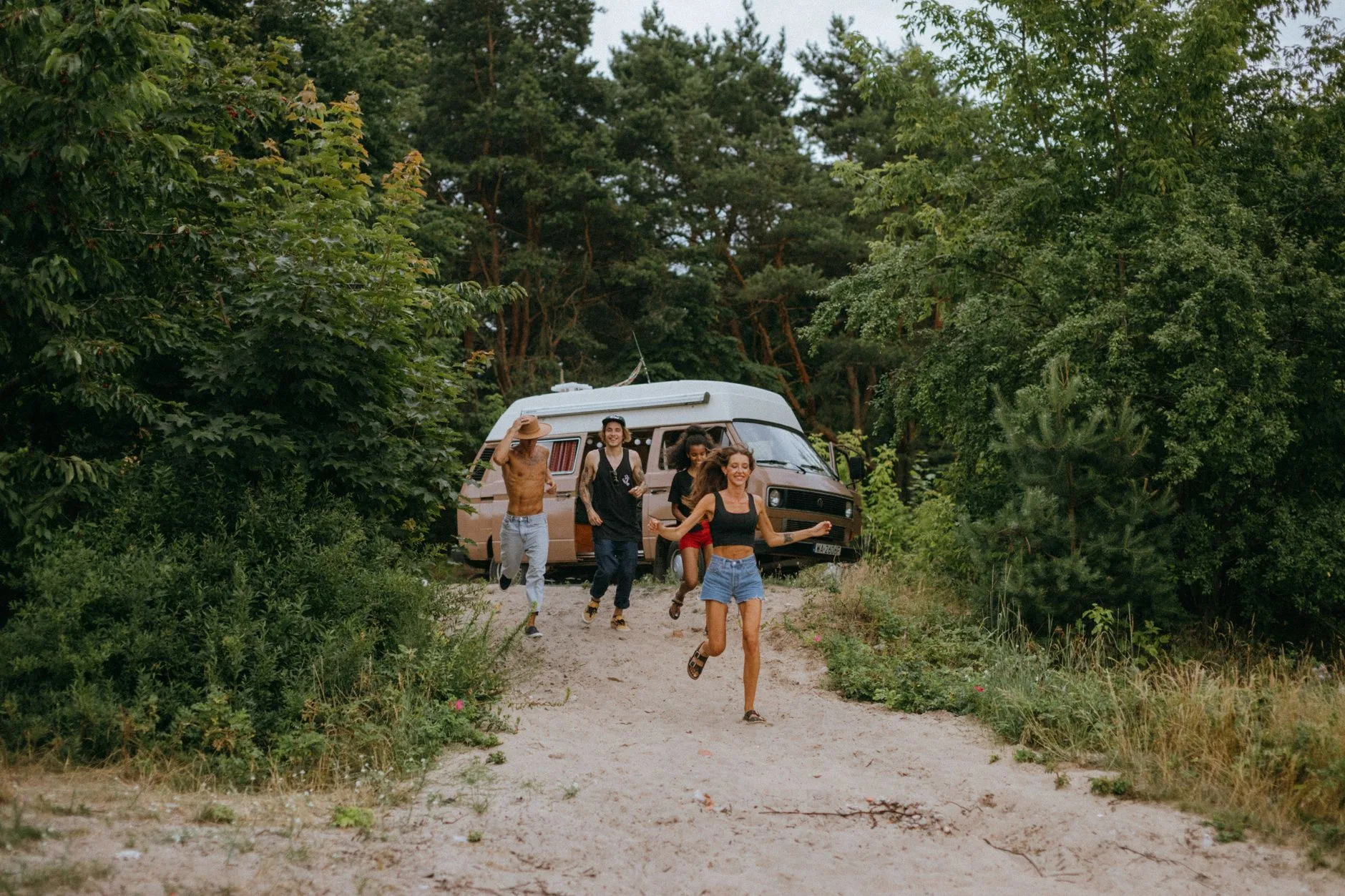
Photo by KoolShooters on Pexels
The last light was going out of the sky over Loch Affric when I found a flat patch of grass above the waterline, sheltered by a stand of Scots pine. No sign forbade it, no fence marked it off — just heather, midges, and the low hush of water moving over stone. I pitched the tent, boiled water for tea on a small stove, and watched a red deer pick its way along the opposite shore. This is what wild camping in Scotland looks like when it’s done right: quiet, legal, and utterly unremarkable to anyone who actually lives there.
Europe’s relationship with sleeping outside varies wildly by border, and getting it wrong can mean a fine, a confrontation, or worse. Some countries treat it as a right woven into centuries of land access tradition. Others ban it outright and enforce that ban with real consequences. Knowing which is which — and where the best terrain for it actually lies — is the difference between a trip that deepens your sense of a landscape and one that ends with a ranger’s torch in your tent at 2am.
What “Wild Camping” Actually Means (And Where the Lines Blur)
Wild camping generally means pitching a tent for one night in a non-designated, unserviced area — not a campsite, not a car park, not someone’s field without asking. The legal reality in Europe splits roughly three ways: countries with a genuine “right to roam” that extends to overnight stays, countries where it exists in a grey zone tolerated by custom but not codified in law, and countries where it’s flatly illegal outside of designated areas.
The confusion trips up a lot of travellers because “camping” and “bivouacking” are often treated as legally distinct. A bivouac — no tent structure, minimal footprint, gone by morning — is tolerated in places where a full tent pitched for two nights would get you moved on or fined. Norway’s allemannsretten and Scotland’s Land Reform Act both draw this kind of distinction, and it matters for how you plan.
Countries Where It’s Genuinely Legal
Scotland has the most traveller-friendly framework in Europe. The Land Reform (Scotland) Act 2003 grants a statutory right of responsible access to most land and inland water, camping included, as long as you’re away from buildings, roads, and enclosed farmland, and you follow the Scottish Outdoor Access Code — pitch late, leave early, carry out all waste, keep groups small. The Cairngorms and the North West Highlands, including the area around Glen Affric and Torridon, are the standout regions: vast, sparsely populated, and genuinely built for this kind of travel.
Norway and Sweden operate under similar “everyman’s right” laws — allemannsretten and allemansrätten respectively — allowing camping on uncultivated land for up to two nights, further if you ask a nearby landowner. In Norway, the fjord country around Jotunheimen National Park and the plateau of Hardangervidda are classic wild camping terrain; in Sweden, the Kungsleden trail through Swedish Lapland lets you camp freely along most of its 440km length.
Iceland, despite its reputation, has tightened rules considerably — camping with a tent (not just a car or camper) outside designated sites is now restricted mostly to backcountry areas away from farmland and national park boundaries, and the rules differ by region and by whether you’re in a group larger than a handful of people. If you’re heading into the Highlands, this is worth reading closely before you go, and it pairs well with route planning if you’re already looking at hiking in Iceland without a guided tour, since many of the legal camping zones sit along the same F-road trekking corridors.
Countries Where It’s Tolerated, Not Legal
France technically prohibits camping outside designated areas under most municipal codes, but in practice, high-altitude bivouacking is widely tolerated in the Alps and Pyrenees, generally defined as pitching after 7pm and leaving before 9am, at least an hour’s walk from a road, and not within national park core zones without more specific rules (the Vanoise and Écrins have their own regulations, usually allowing bivouac only above a certain altitude near refuges). This tradition of tolerated overnight bivouac dovetails with France’s serious hiking culture — if you’re already mapping out the GR20 or the Tour du Mont Blanc, it’s worth cross-referencing against the best hikes in France for which sections have bivouac zones marked.
Spain varies by autonomous region — Catalonia and Aragón are relatively relaxed about high-mountain bivouacking in the Pyrenees, while camping on beaches or in Andalusian countryside is far more likely to draw a fine. Switzerland sits in similar territory: camping above the tree line, away from villages and cable car infrastructure, is broadly accepted, while pitching in valley meadows near settlements is not.
Countries Where It’s Illegal, Full Stop
Italy, Croatia, and Slovenia enforce camping bans outside official sites fairly seriously, particularly along the coast, where fines run into hundreds of euros and confiscation of gear isn’t unheard of during peak season. Croatia in particular has cracked down hard along the Dalmatian coast after years of unauthorised beach camping caused friction with resort towns. Germany technically bans wild camping under most state forestry laws, though quiet, low-impact bivouacking in remote forest is sometimes overlooked if you’re discreet and gone by morning — this is a “don’t ask, don’t advertise” situation, not a legal green light.
The UK outside Scotland is stricter than most people assume: England and Wales have no general right to wild camp, with the notable exception of Dartmoor, where a 2023 legal battle briefly removed and then restored a limited right to backpack camp on the moor. Always check current status before relying on it, since this one has genuinely changed more than once in recent years.
Best Destinations for Wild Camping in Europe
| Destination | Legal Status | Best Season | Terrain | Standout Route |
|---|---|---|---|---|
| Scottish Highlands, UK | Fully legal (Land Reform Act) | May–September | Moorland, lochside, mountain | Glen Affric to Cannich |
| Jotunheimen, Norway | Legal (allemannsretten) | June–September | Alpine, glacier-adjacent | Besseggen ridge area |
| Swedish Lapland | Legal (allemansrätten) | June–August | Subarctic tundra, birch forest | Kungsleden Trail |
| French Pyrenees | Tolerated bivouac (altitude rules) | July–September | High mountain, cirques | GR10 near Cirque de Gavarnie |
| Vanoise, French Alps | Tolerated bivouac (above refuges) | July–early September | Glacial valleys, high pasture | Tour de la Vanoise |
| Aragonese Pyrenees, Spain | Tolerated at altitude | June–September | Limestone peaks, valleys | Ordesa y Monte Perdido |
| Swiss Alps (above tree line) | Tolerated | July–September | High alpine, exposed ridgelines | Haute Route sections |
| Carpathians, Romania | Grey area, generally tolerated | June–September | Forested mountains, wolves and bears present | Făgăraș Ridge |
Romania deserves a note of its own: the Făgăraș Mountains offer some of the wildest, least-regulated high-altitude terrain left in Europe, with genuinely large brown bear and wolf populations, which changes how you camp — food storage and site selection near ridgelines rather than forest edges become serious considerations, not just etiquette. This overlaps usefully with anyone already researching hiking in the Carpathian Mountains, where wildlife awareness is as important as route-finding.
Practical Rules That Apply Almost Everywhere
Even in the most permissive countries, a shared etiquette holds the system together, and breaking it is often what gets wild camping banned in a given area in the first place. Pitch after early evening and pack up by mid-morning — this “arrive late, leave early” rhythm keeps your footprint invisible and avoids the appearance of squatting. Stay at least 100 metres from roads, buildings, and water sources for sanitation reasons. Never light open fires in dry conditions or protected woodland; a camp stove is standard kit, not a luxury. Carry out everything, including toilet paper, and bury human waste at least 15cm deep and well away from streams.
Group size matters more than most people expect — two or three people pitching quietly is a different proposition, legally and socially, from a group of ten with music playing. Norway and Scotland both draw an informal line here: small, temporary, low-impact groups are protected by the spirit of the law; anything resembling a festival campsite is not.
Gear That Actually Matters
A three-season tent with a low profile and good guy-line anchoring handles wind on exposed ridgelines far better than a taller family-style tent. A sleeping bag rated at least 5°C below the expected overnight low accounts for altitude and wind chill, which regularly undercut forecast temperatures in the Alps and Highlands alike. A dry bag for food isn’t optional in bear country like the Făgăraș or parts of Scandinavia — hang it or use a canister, and never keep food in the tent itself.
Water filtration is worth carrying even in places with clean-looking streams; livestock grazing at altitude is common across the Pyrenees and Alps, and giardia doesn’t care how pretty the water looks. According to Lonely Planet’s guide to responsible wild camping, a lightweight trowel, a headtorch with a red-light setting for minimal disturbance, and trekking poles for stability on uneven pitches round out what experienced wild campers actually carry, as opposed to what gear marketing suggests you need.
When Things Go Wrong
Confrontations do happen — with landowners in grey-zone countries, with rangers in national parks, with locals in areas that have had bad experiences with careless campers. The UK government’s guidance on outdoor access and equivalent national park authority websites are worth checking before any trip, since rules shift year to year, particularly around fire bans during dry summers, which have become more frequent across southern Europe. If challenged, the right response is almost always to comply immediately, pack up, and move on rather than argue a legal point in the moment — even where you’re technically in the right, a confrontation at 11pm in someone’s home region is not the hill to stand on.
The Bottom Line
Wild camping in Europe rewards research more than instinct: Scotland, Norway, and Sweden offer genuine legal rights to camp almost anywhere responsible, while France, Spain, and Switzerland tolerate high-altitude bivouacking under specific, checkable conditions. Italy, Croatia, and most of England enforce real bans with real fines, so don’t assume a practice legal in one country transfers to the next. The best terrain — the Highlands, the Pyrenees, Swedish Lapland, the Făgăraș Ridge — tends to reward campers who arrive late, leave no trace, and treat the landscape as something they’re passing through rather than claiming. Check current regulations immediately before any trip, since rules around fire bans, group sizes, and national park zones change more often than guidebooks suggest.
Keep reading: Hiking in Iceland without a guided tour: what to know