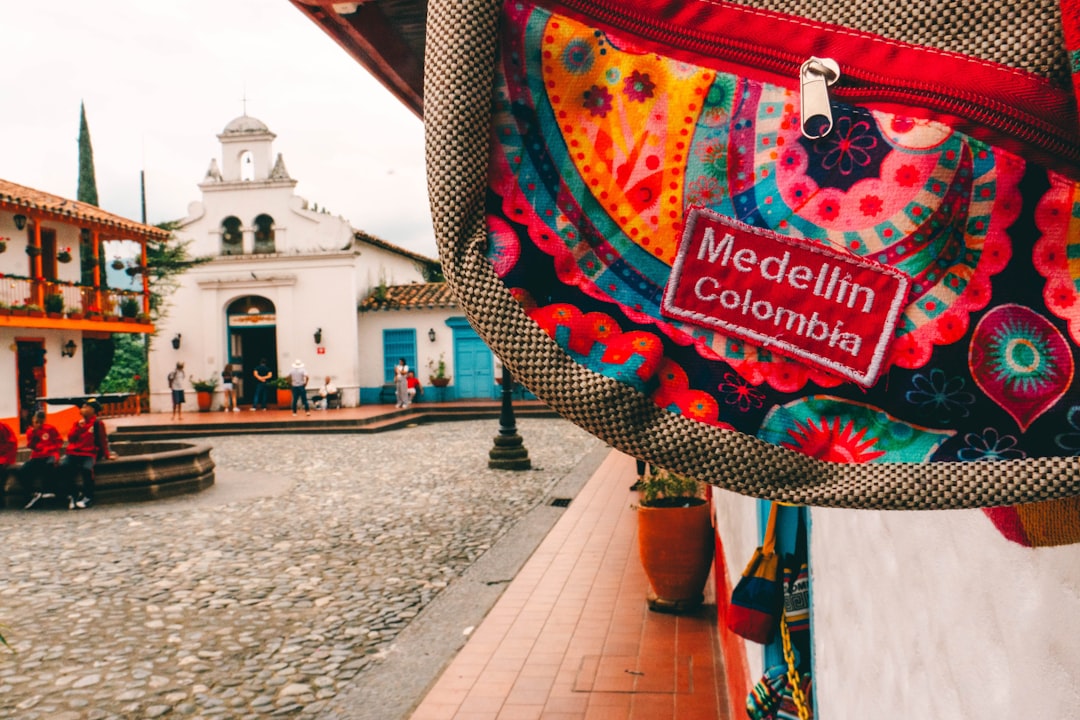
Photo by Gustavo Sánchez on Unsplash
One Month in Colombia: Off the Instagram Circuit
The cable car rises above Medellín’s Comunas, climbing over dense neighbourhoods stacked on the mountainside. From the Metrocable car, you see the actual city — not the cafés in El Poblado or the tourist routes, but the residential areas where the majority of people live. Colombia’s tourism is growing fast, and most of it funnels through: Cartagena (Caribbean coast), Medellín (the converted city), and maybe the coffee region. These are worth visiting, but spending a month in Colombia means understanding the country beyond the Instagram sites, which requires choosing neighbourhoods and routes that tourists mostly skip.
Budget Colombia is feasible: $30–50 per day covers excellent accommodation, good food, and transport. This is significantly cheaper than most of South America and enables month-long travel on $1,000–1,500. The caveat is safety — Colombia’s reputation is overstated but not false; understanding current reality (2026) is essential. If you’re planning ahead, it helps to save systematically for a trip like this so the costs don’t catch you off guard.
The Itinerary: A Month Without Tourist Loops
Days 1–5: Bogotá (La Candelaria + Chapinero)
Bogotá is where most visitors land and where many only pass through. The city is layered, colonial, and actually interesting if you avoid the tourist concentration in La Candelaria.
La Candelaria is the historic centre — museums, colonial architecture, the main plaza. It’s worth a day: visit the Museo del Oro (Gold Museum, genuinely excellent), walk the narrow streets, see the Plaza de Bolívar. Cost: free entry to the plaza, museum 9,000 COP ($2.25). Stay away from La Candelaria at night (it gets sketchy), and use taxis after dark.
Chapinero neighbourhood (northeast of centre) is where young Colombians actually live — it has cafés, restaurants, bars, universities, and a vibe that isn’t built for tourists. Stay in a hostel in Chapinero (80,000–150,000 COP/$20–38 per night) instead of La Candelaria. Eat in neighbourhood restaurants (15,000–25,000 COP/$3.75–6.25 per meal). Walk to the Andean Museum or the Botanical Garden (both free). The neighbourhood requires walking but is safe during daylight and busy evening hours.
Food in Bogotá: Ajiaco (potato and chicken soup) is Bogotá’s signature dish, found everywhere for 8,000–15,000 COP ($2–3.75). Bandeja Paisa (a huge platter) is a Colombian staple, though originating in Medellín. Eat at modest local restaurants (comidas corrientes) — a full lunch with main dish, soup, rice, and juice costs 12,000–18,000 COP ($3–4.50).
Days 6–12: Medellín (Laureles + Arví)
Medellín is where Colombia’s tourism transformation is most visible — the city was dangerous in the 1980s–2000s and has genuinely improved. It’s worth spending time to understand what’s real and what’s marketed.
El Poblado (the tourist neighbourhood) is safe, walkable, and full of hostels, gringo bars, and tour operators. It’s fine for one night to get oriented; don’t spend your month here. Hotels range from 60,000 COP ($15) to 150,000+ COP ($38+).
Laureles neighbourhood (west) is where young Colombians actually live — university students, young professionals, people in the creative industries. It has parks, cheap restaurants, cafés, bars, and nightlife that isn’t aimed at tourists. Hostels here are 60,000–80,000 COP ($15–20). Meals are cheaper: 8,000–12,000 COP ($2–3). Spend 5–6 days here and use El Poblado only for specific daytrips (museums, tourist infrastructure). Laureles is the real Medellín.
The Arví neighbourhood is a cable car away — take the Metrocable up from the Comunas to see the actual city sprawl. Or visit the Museo de Antioquia (art museum focusing on regional artists, especially Fernando Botero). Cost: 36,000 COP ($9) but often has free entry times. The Modern Museum and Museum of Contemporary Art are free or cheap. These are genuinely good museums, not tourist shows.
Food in Medellín: Arepa (corn cake, often fried) is the street food; cost 2,000–5,000 COP (50 cents–$1.25). Empanada 3,000–6,000 COP (75 cents–$1.50). Bandeja Paisa (the massive platter of rice, beans, meat, egg, avocado, cheese, arepas) is served at traditional restaurants for 20,000–35,000 COP ($5–9). This is a lunch dish; eating it is an experience but one meal of it is sufficient for most stomachs.
Days 13–18: Coffee Region (Salento + Jardín + Lesser-Known Coffee Towns)
The “Coffee Triangle” (Manizales, Armenia, Pereira) is the standard route, but smaller towns and lesser-known coffee farms offer a better experience.
Salento is the postcard town — a village with colorful buildings in the Cocora Valley, surrounded by wax palms (the world’s tallest palm species, indigenous to Colombia). It’s touristy but genuinely beautiful. Stay 3 days. Hostel: 60,000–100,000 COP ($15–25). The main activity is the Cocora Valley hike (wax palms, waterfall, dramatic landscape) — hire a local guide (40,000–60,000 COP/$10–15) for 4–5 hours, or do it independently with a map.
Jardín is 2 hours from Salento (bus, 15,000 COP/$3.75) and less crowded than Salento. It’s a smaller colonial town built on hillsides with a similar vibe — colorful buildings, local food, coffee farms nearby. Spend 2–3 days. Hostel: 50,000–80,000 COP ($12.50–20). Visit a coffee farm (many offer tours and tastings for free or 20,000 COP/$5). Eat bandeja paisa and fresh trout.
Other coffee towns worth visiting: Filandia (smaller, less touristy), Manizales (larger city, less charming). Most towns in the region have affordable hostels and offer coffee farm visits. The region is mountainous and the bus rides are long but scenic.
Cost breakdown for coffee region (3 nights accommodation, meals, guides): 500,000–700,000 COP ($125–175) total.
Days 19–24: Cartagena (Getsemaní + Walled City)
Cartagena is Colombia’s Caribbean coast and a UNESCO World Heritage site. It’s genuinely beautiful but massively touristy. The key is understanding what’s for tourists and what’s the actual city.
Getsemaní is the neighbourood east of the walled city — bohemian, with street art, local cafés, cheaper hostels, and a vibe that hasn’t fully monetized. Stay here instead of in the walled city. Hostel: 70,000–120,000 COP ($17.50–30). Walk to the walled city for sightseeing but sleep and eat in Getsemaní. The food is better and cheaper.
The walled city is the famous Cartagena — narrow streets, colonial buildings, churches, tourist restaurants. Walk through it (free), eat one meal in a tourist restaurant if you want (30,000–50,000 COP/$7.50–12.50 for pasta), but don’t stay there. The experience is theatre — beautiful but performed.
Cartagena beaches: The Caribbean here is warm and swimmable. However, the city beaches are often crowded. Better option: take a boat to the Rosario Islands (15,000–25,000 COP/$3.75–6.25, full day) or find a local beach south of Cartagena (Playa Blanca, Palma Africana). Bring sunscreen and water.
Cost in Cartagena (4 nights, meals, activities): 600,000–800,000 COP ($150–200).
Days 25–30: Return to Bogotá or Extend One City
With 5–6 days remaining, either return to Bogotá for a deeper dive or extend one of the cities above. Bogotá merits more time if you haven’t fully explored it — museums take multiple days, and the city’s creative neighbourhoods (San Alejo, La Macarena) reveal Colombian culture outside tourism.
Alternatively: skip Cartagena and spend days 19–24 in Pacific coast towns (Buenaventura, but infrastructure is basic) or the Caribbean beaches near Tayrona National Park (tropical rainforest meets beach, genuinely beautiful, more accessible than Cartagena).
Transport Between Cities: Budget and Time
Domestic flights (fastest, often cheapest): Bogotá → Medellín ($40–70, 1 hour), Medellín → Cartagena ($40–70, 1 hour). Use budget airlines (Viva Air, Flixbus’s subsidiary, Spirit). Book on airline websites or Skyscanner. This saves 20+ hours vs. buses.
Buses (slow, cheapest, most local): Bogotá → Medellín (8–10 hours, 50,000–80,000 COP/$12.50–20, overnight buses available). Medellín → Coffee region (4–6 hours, 30,000–50,000 COP/$7.50–12.50). Coffee region → Cartagena (8–12 hours, 60,000–100,000 COP/$15–25, usually overnight). Book the day before at the bus terminal or through hotels.
The trade-off: A flight saves 15+ hours; a bus costs 1/5 the price and lets you travel through the country. A month allows both — fly some legs, bus others.
Monthly Budget: Realistic Breakdown
| Category | Total |
|---|---|
| Accommodation (teahouses, hostels, 30 nights at avg 90k COP) | 2,700,000 COP |
| Food (30 days at avg 40,000 COP/day) | 1,200,000 COP |
| Transport (flights + buses between cities) | 500,000 COP |
| Activities (guides, museums, cable car) | 300,000 COP |
| Miscellaneous (coffee, snacks, emergencies) | 300,000 COP |
| Total | 5,000,000 COP (~$1,250 USD) |
This is realistic for budget travel: basic but nice hostels, good local food, domestic flights mixed with buses, and the ability to hire guides and do activities. It’s roughly $40–45 per day.
If you upgrade to mid-range hotels (150,000–200,000 COP/night) and eat in tourist restaurants more, you’ll spend $60–80 per day. You can also go cheaper (budget hostels, street food, buses only) at $25–30 per day. It’s also worth taking steps to avoid losing money on international transfers and currency conversion when topping up your travel funds from home.
Safety in Colombia: The Real Assessment (2026)
Colombia’s reputation is from the 1980s–2000s. The country has genuinely improved but some serious issues remain.
Safe areas (tourist infrastructure, police presence, low crime against tourists):
– Bogotá neighbourhoods: Chapinero, Usaquén, Zona Rosa (safe in daytime and busy evenings)
– Medellín: El Poblado, Laureles, Estadio (tourist areas and young Colombians’ neighbourhoods)
– Coffee region: Salento, Jardín, Armenia (small towns, very safe)
– Cartagena: Getsemaní, walled city (tourist areas, heavily policed)
Avoid entirely:
– La Candelaria in Bogotá after dark
– Southern departments (Cauca, Nariño, Huila) — active drug trafficking
– The Pacific coast north of Buenaventura
– Parts of Guajira department (informal settlements, petty crime)
General safety practices:
– Don’t display expensive cameras, jewelry, or large amounts of cash
– Use taxis or Uber (don’t hail taxis off the street in unknown areas)
– Avoid walking alone late at night
– Don’t travel alone on remote roads; stick to buses between cities
– Be wary of unsolicited offers of cocaine or other drugs (common to tourists, legal trouble is serious)
– Avoid political demonstrations and sensitive areas
Real risk level: As a tourist staying in popular areas, visiting tourist infrastructure, and following basic precautions, serious crime is rare. Petty theft (pickpocketing, theft from hostels) is more common — keep valuables secure.
Colombia is safer in 2026 than it was, but safer doesn’t mean consequence-free. Use sense.
The Colombian Experience: What Makes It Worth the Month
One month lets you understand Colombia beyond tourism marketing. You’ll eat real food, use local buses, see how Colombians actually live, and experience genuine hospitality — Colombians are famously warm and helpful to respectful visitors. The country is beautiful (mountains, jungles, coasts), the culture is rich, and the cost is low enough that you can travel comfortably and afford good experiences.
The month-long pace is essential. A week in Cartagena’s walled city is tourism. A week in Medellín’s actual neighbourhoods is travel.
The Bottom Line
A month in Colombia costs $1,200–1,500 if you budget and make local choices. The path: Bogotá (5 days) → Medellín (7 days) → Coffee region (6 days) → Cartagena (6 days). This provides urban, mountain, rural, and coastal experiences. Use domestic flights for long distances, buses for short ones. Stay in actual neighbourhoods (not tourist enclaves), eat where Colombians eat, and hire local guides. The result is a month where you understand the country, develop actual friendships, and return with stories instead of photos.