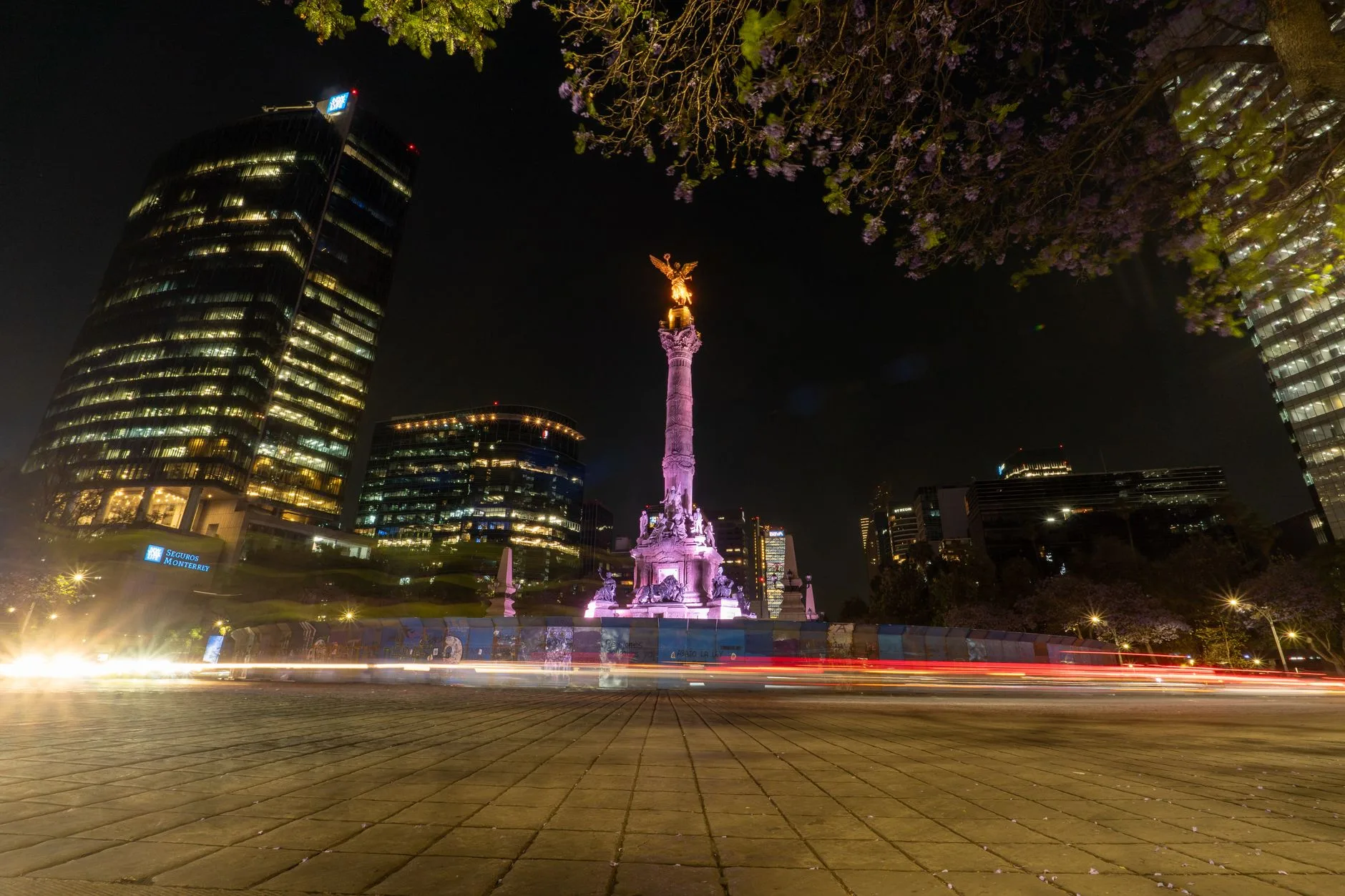
Photo by Israyosoy S. on Pexels
Slow travel in Mexico City: a neighbourhood guide
The 7am microbús on Avenida Insurgentes doesn’t wait for anyone. It slows — barely — and passengers step off mid-roll onto the kerb, folding newspapers under their arms, nodding to the tamale vendor who sets up at the same corner every morning with her pot of masa and a strip of plastic tarpaulin. This is not the Mexico City of rooftop bars and influencer murals, though those exist too. This is the version that rewards the traveller who stays long enough to become a regular — who knows which panadería puts out fresh conchas at 8am, which park fills with domino players on Sunday afternoons, and which mercado stall serves the best caldo de pollo when the afternoon rains arrive.
Mexico City — CDMX locally — is one of the largest urban areas on earth, with 22 million people spread across a high-altitude basin at 2,240 metres. It can feel overwhelming on arrival: the scale, the noise, the traffic. But the city is not a single place. It is a loose confederation of colonias (neighbourhoods), each with its own character, pace, and demographic, connected by one of Latin America’s most efficient metro systems. Slow travel here isn’t about doing less — it’s about choosing a neighbourhood, learning its rhythms, and letting the city reveal itself through the ordinary rather than the spectacular.
This guide covers six colonias worth settling into, with practical logistics, honest assessments, and enough specificity to actually plan your time.
How to move around — and why it matters for slow travel
Before the neighbourhoods: a word on getting around, because in a city this size, transport shapes everything.
The Metro is the backbone. Twelve lines, 195 stations, and a flat fare of MX$5 (about US$0.25) at time of writing. It runs 5am to midnight on weekdays, with reduced hours on Sundays. Line 3 (the olive-green line) is the one you’ll use most for the colonias in this guide — it connects Coyoacán to Centro Histórico to Polanco in a single arc. The Metro is crowded during rush hours (7–9am, 6–8pm) to the point of physical compression, but outside those windows it’s fast and reliable. Women and children have dedicated front carriages during peak hours; look for the painted markers on the platform.
Metrobús (elevated bus rapid transit on dedicated lanes) fills gaps the Metro doesn’t reach. Line 1 runs the length of Insurgentes — one of the city’s main arteries — from the northern bus terminal to the south. A rechargeable tarjeta de movilidad card works across Metro, Metrobús, and some trolleybus lines; pick one up at any Metro ticket window for MX$15 plus your starting credit.
For shorter hops, the Ecobici bike-share scheme covers most of the central colonias — Roma, Condesa, Juárez, Centro. A day pass is around MX$90. The city has expanded its ciclovías (protected bike lanes) considerably in recent years, and cycling between Roma Norte and Condesa, or between Juárez and Alameda Central, is genuinely pleasant when you’re not fighting morning traffic.
Taxis: use Uber or InDriver rather than hailing street cabs. Not because street cabs are universally dangerous, but because app-based rides are cheaper, trackable, and avoid the pricing negotiation that can sour an arrival.
Roma Norte — where to start
Roma Norte is where many visitors land first, and for good reason: it’s walkable, relatively compact, and has the density of cafés, bookshops, and taquerías that makes spending a week in one neighbourhood feel natural rather than limiting.
The colonia was built in the early 20th century as a bourgeois residential area, full of Porfiriato-era mansions with tiled entryways and wrought-iron balconies, many since carved into apartments and ground-floor businesses. The 1985 earthquake and decades of demographic change have left the neighbourhood layered — a natural food shop next to a family taquería that’s been serving the same three items since the 1970s.
Start mornings at Mercado Medellín, on Calle Medellín between Campeche and Coahuila. It is a proper working market — not a tourist food hall — where stall holders sell everything from Caribbean achiote paste to fresh quesillo from Oaxaca. The hot food section in the back does huevos a la mexicana, enfrijoladas, and atole (a warm maize-based drink) for prices that feel like a different economic universe to the brunch spots two blocks away. Arrive before 10am for the best selection.
For evenings, Taquería Los Güeros on Álvaro Obregón is a neighbourhood staple — pastor carved off the trompo, suadero cooked on a flat griddle, canasta tacos if you arrive early. Budget MX$80–120 for a proper feed. The street itself — Álvaro Obregón — functions as a linear park down its centre, good for the after-dinner walk that aids digestion and provides a view of the neighbourhood’s social life.
Getting there: Metro Line 3 to Hospital General or Insurgentes. From Insurgentes, most of Roma Norte is walkable within 15 minutes.
Condesa — Roma’s quieter neighbour
Condesa sits directly west of Roma Norte, separated by Parque México — one of the city’s finest parks, an oval Art Deco garden with a fountain, a small amphitheatre, and enough shade to make the midday heat manageable. The park is the neighbourhood’s centre of gravity: dog walkers in the early morning, families on weekend afternoons, joggers in the evening. There are no entrance fees and no agenda. Sit on a bench long enough and the neighbourhood comes to you.
Condesa’s streets are calmer than Roma’s — more residential, with jacaranda trees that bloom violet in February and March. Avenida Ámsterdam, a circular boulevard that follows the old racetrack oval, is one of the better urban walks in the city: 2.2km around, lined with cafés, small galleries, and the occasional vintage clothing shop. It takes about 30 minutes at an unhurried pace. Do it at dusk when the light is good.
The neighbourhood has become expensive — boutique hotels and tasting-menu restaurants have proliferated — but the working-class fondas on the side streets haven’t all disappeared. Fonda Margarita on Adolfo Prieto (in the adjacent Colonia del Valle) opens at 7am and closes at noon, sometimes earlier if the food runs out. They serve a rotating comida corrida — a set meal of soup, rice, main dish — that costs MX$80–100 and is what the city’s office workers actually eat for lunch. No English menu, minimal signage: look for the queue outside.
Getting there: Metro Line 1 (pink) to Chilpancingo, or Metrobús Line 1 to Sonora, then a 10-minute walk into the neighbourhood.
Centro Histórico — the difficult one worth doing
Let’s be honest: the Centro Histórico is not easy. It is dense, noisy, full of street vendors selling everything from phone cases to chicharrón, and on busy weekends near Zócalo it becomes a genuine crowd management exercise. It also contains some of the most significant architecture and history in the Americas, and spending a day here properly — rather than dashing between landmarks — rewards patience.
The Zócalo itself (officially Plaza de la Constitución) is enormous: the second-largest city square in the world after Tiananmen, and worth seeing at different times of day. At 6am it’s almost empty, the Metropolitan Cathedral looming grey across the northern end, the Palacio Nacional on the east. By noon it’s all crowds, vendors, and amplified political demonstrations. At night, with the cathedral floodlit, it shifts character again.
For the Centro, prioritise depth over coverage. The Templo Mayor — the excavated ruins of the Aztec great temple, discovered when workers were laying cables in 1978 — is more moving and stranger than most people expect. The adjacent museum (MX$90 entry, Sundays free for Mexican citizens, MX$90 for international visitors regardless) puts the find in context. Allow two hours, not one.
For eating in the Centro, ignore the restaurants facing the Zócalo and head a few blocks into the surrounding streets. La Merced — the enormous wholesale market that begins about 600m southeast of the Zócalo — is where the city’s restaurants buy their produce. The market’s outer edges, particularly around Calle Uruguay and Correo Mayor, have food stalls serving tlayudas, memelas, and quesadillas de flor de calabaza (courgette flower) that have been feeding the neighbourhood for decades. This is a crowded, working-class market environment — watch your belongings, eat standing up, and don’t photograph stallholders without asking.
Getting there: Metro Line 2 (blue) to Zócalo. As direct as it gets.
Coyoacán — where the city slows down
Coyoacán sits in the south of the city — about 12km from Centro Histórico — and is one of the few places in CDMX where a pueblo atmosphere survived the city’s outward expansion. It was a separate town before the metropolis absorbed it, and the colonial-era layout of low houses, cobbled streets, and central plazas still holds.
Plaza Hidalgo and the adjacent Jardín Centenario are the twin hearts of the colonia: two interconnected plazas, always populated, where families sit on the equipales (leather chairs) around the fountain and vendors sell churros with chocolate and elotes (corn) from carts. On weekend afternoons, there are often art stalls, musicians, and the kind of convivial public life that feels increasingly scarce.
The Frida Kahlo Museum (Casa Azul) on Calle Londres 247 draws long queues, particularly on weekends. Book online in advance — capacity is timed and limited. But Coyoacán’s more enduring pleasures are less managed: the Mercado de Coyoacán on Ignacio Allende has a famous tostada section where competing stalls sell plates of tostadas de ceviche, pata, and tinga for MX$30–50 each. Arrive hungry.
For the slow traveller, Coyoacán rewards an overnight stay. The pace is genuinely different — quieter evenings, a denser residential feel, fewer vehicles — and staying in a guesthouse or rented room here for three or four nights gives a different experience than basing yourself in Roma or Condesa.
Getting there: Metro Line 3 (olive) to Coyoacán or Viveros. The walk from Viveros through the Viveros de Coyoacán park — a tree nursery open to the public, busy with joggers and families — is a pleasant 20-minute approach.
Doctores — the unpolished one
Colonia Doctores sits directly south of Centro Histórico and is, by most travel-media accounts, overlooked. This is partly because it doesn’t have Roma’s café culture or Coyoacán’s colonial architecture. It has lucha libre, a wholesale boxing equipment district, and some of the best birria in the city.
Arena México on Dr. Lavista is the cathedral of Mexican professional wrestling — lucha libre — and tickets (MX$120–350 depending on seat) are available at the box office. Fights happen on Tuesdays, Fridays, and Sundays. The experience is participatory in the way that a live sport always is: families, couples, groups of teenagers, commentary shouted at the ring. It is one of the best evenings you can have in this city for the price of a budget dinner.
For birria — a slow-cooked meat stew traditionally from Jalisco, served with consommé and tortillas — Birriería El Güero on Dr. Erazo opens at 8am and frequently sells out by noon. The version here uses beef rather than goat, simmered overnight, served with chopped onion, cilantro, and lime. Eat it with the consommé as a dipping broth. Budget MX$100–150.
Doctores is not the neighbourhood for an evening stroll after dark; like many CDMX colonias away from the tourist strip, it requires the same awareness you’d apply in any dense urban neighbourhood globally. The Metro’s Line 3 stops at Doctores station — the neighbourhood takes its name from the streets, all named after physicians.
Juárez — the one filling up fast
Colonia Juárez occupies the space between Paseo de la Reforma and Álvaro Obregón — west of Roma, north of Condesa — and has shifted significantly in character over the past decade. It was a mid-century residential neighbourhood with a reputation for neglect; it’s now one of the densest concentrations of independent restaurants, natural wine bars, and design studios in the city. Rents have risen accordingly.
For the slow traveller, Mercado San Juan on Arcos de Belén (technically on the edge of Centro but easily combined with a Juárez morning) is one of the city’s most interesting food markets: a covered hall where specialty stalls sell Japanese wagyu, Spanish jamón, French cheese, and an enormous variety of Mexican regional products side by side. It’s not cheap — this is an artisan market with artisan prices — but it’s worth an hour of wandering and tasting. The tacos de canasta vendor outside the entrance on Calle Aranda charges a fraction of the prices inside and is considerably better value.
The section of Calle Génova between Hamburgo and Reforma has become a pedestrianised strip worth an evening visit — outdoor tables, mezcal bars, the kind of slow evening that doesn’t require a plan. Bósforo on Luis Moya (near the Alameda Central end of the colonia) is one of the city’s most respected mezcal bars: small, dimly lit, with a menu focused on artisanal mezcales from Oaxaca, Guerrero, and Puebla. Expect to pay MX$120–200 per pour. No mixers, no cocktails — just the spirit and a sal de gusano (worm salt) chaser if you want it.
Getting there: Metrobús Line 1 to Hamburgo, or Metro Line 1 (pink) to Insurgentes.
Neighbourhood comparison — a practical overview
| Neighbourhood | Character | Best for | Metro access | Avg. nightly stay (budget) | Avg. nightly stay (mid-range) |
|---|---|---|---|---|---|
| Roma Norte | Walkable, café-dense, slightly gentrified | First-timers, food lovers | Line 3: Insurgentes | MX$500–700 | MX$1,200–2,000 |
| Condesa | Quieter, residential, green spaces | Park walks, longer stays | Line 1: Chilpancingo | MX$600–900 | MX$1,400–2,200 |
| Centro Histórico | Intense, historic, uneven quality | History, architecture | Line 2: Zócalo | MX$400–600 | MX$1,000–1,800 |
| Coyoacán | Pueblito feel, slower pace | Families, cultural depth | Line 3: Coyoacán | MX$450–700 | MX$1,000–1,600 |
| Doctores | Working-class, few concessions | Lucha libre, authentic food | Line 3: Doctores | MX$350–500 | MX$800–1,200 |
| Juárez | Fast-evolving, nightlife-forward | Mezcal, design, evenings | Metrobús: Hamburgo | MX$550–800 | MX$1,300–2,000 |
Costs approximate as of early 2026. Exchange rate approx. MX$20 to US$1.
Practical logistics — the honest version
When to go: October to December is the clearest weather — post-rainy season, pleasantly cool at 15–22°C, good air quality. February and March bring jacaranda season (a genuine spectacle in Condesa and Coyoacán). Avoid Semana Santa (Easter week) if you want to avoid school holiday crowds in Coyoacán and Centro. The rainy season (June–September) brings daily afternoon downpours — usually over within 90 minutes — which aren’t a dealbreaker but should factor into afternoon planning.
Entry: Most European, North American, and many Latin American nationalities receive a 180-day tourist stamp on arrival, no visa required. Verify current requirements at the Mexican Embassy or consulate website for your specific passport. CDMX’s Benito Juárez International Airport (MEX) connects to most major cities; the newer Felipe Ángeles International Airport (NLU) handles some domestic and budget routes, but is 45km north of the city — factor in 60–90 minutes’ travel time. From MEX, the Metro (Line 5, Terminal Aérea station) takes you into the network for MX$5. Authorised taxi vouchers from inside the terminal cost MX$200–350 depending on destination — buy from the official desks, not from the men who approach you outside arrivals.
Safety: CDMX has a mixed reputation that doesn’t fully match the on-the-ground experience in the colonias covered here. The tourist areas — Roma, Condesa, Coyoacán, Juárez — have a high street-level safety profile during daytime and evenings. As in any major city, pickpocketing exists (particularly on crowded Metro lines), phones should stay pocketed in crowds, and walking solo late at night in unfamiliar areas requires the same judgement you’d apply anywhere. The UK Foreign Commonwealth & Development Office advice on Mexico is thorough and regularly updated; read it before you go.
Language: Spanish is essential for anything beyond the surface. You don’t need fluency, but a working conversational level — enough to order food, ask directions, and have a brief exchange with a market stallholder — changes the experience entirely. If you’re planning to learn or brush up before travelling, consider doing so in advance; learning Spanish in Antigua, Guatemala is one highly efficient option, with intensive schools offering 4 hours of one-on-one instruction daily for around US$150–180 per week.
What it costs: CDMX is remarkably affordable for a city of its sophistication, but prices vary sharply by neighbourhood and venue type. A week of market breakfasts, comidas corridas, street tacos, and Metro travel costs a fraction of what you’d spend in comparable neighbourhoods in Europe. Budget MX$600–900 (US$30–45) per day for comfortable independent travel including accommodation in a well-located mid-range guesthouse, all meals, and transport.
The approach that works best in this city also works elsewhere — spending longer in fewer places, rather than rushing between sights. It’s the same logic behind slow travel in rural Italy or slow travel through Portugal, and it works here for the same reasons: depth requires time, and time requires commitment to a neighbourhood rather than a checklist.
The Bottom Line
Choose one neighbourhood as a base, not a circuit. A week in Roma Norte or Coyoacán, staying in the same apartment or guesthouse, eating in the same markets, developing a morning routine — this produces a qualitatively different trip than five nights split across five colonias.
The Metro is your friend, but learn the rush hour reality. Outside of 7–9am and 6–8pm, the Metro is fast, cheap, and manageable. During those windows, it’s a test of patience. Plan accordingly — use Metro for off-peak transit and combine with Ecobici for short mid-morning hops.
Markets over restaurants, at least for daytime eating. The best food in this city — the most textured, most traditional, most fairly priced — is in the mercados. Mercado Medellín, Mercado de Coyoacán, Mercado San Juan, La Merced. Arrive hungry, order at the stall, eat standing up. That’s the instruction.
Coyoacán and Doctores are undersold. The tourist infrastructure points heavily toward Roma and Condesa — which are genuinely good — but the colonias with the most distinct character are further south. Coyoacán for pace and plazas; Doctores for lucha libre and birria and no performance of anything.
Spanish matters more here than in most cities. Mexico City is not a heavily English-speaking city outside of boutique hotels and the design-district restaurant strip. Learning even basic conversational Spanish before arrival — not just food vocabulary, but enough to navigate, ask, respond — significantly expands what’s accessible to you. The city rewards the effort.
Keep reading: Best places for slow travel in Portugal